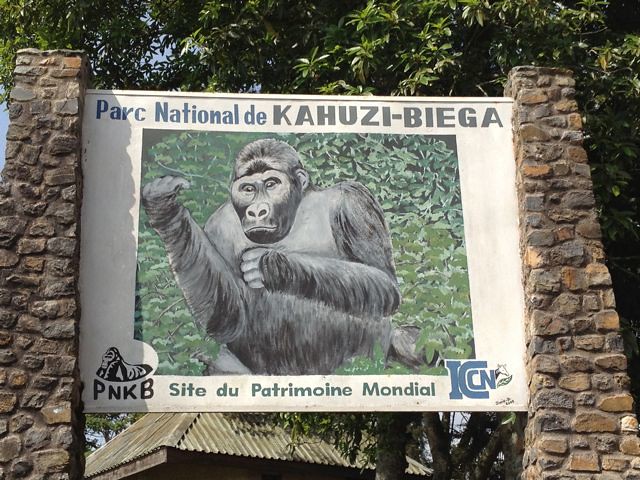
Rising majestically above the dense, montane rainforest of the Democratic Republic of the Congo’s South Kivu province stands Mount Kahuzi. This dormant volcano, reaching an impressive height of 3,308 meters (10,853 feet), is more than just a geological landmark; it is the namesake and cornerstone of the Kahuzi-Biega National Park, a UNESCO World Heritage site and one of Africa’s most vital, yet fragile, sanctuaries for biodiversity. The sheer scale and ecological richness of the Kahuzi massif make it a profound testament to Central Africa’s natural heritage.
A Mountain of Biodiversity
Mount Kahuzi is one of two major peaks within the national park, the other being Mount Biéga. The mountain's elevation creates a dramatic gradient of habitats, ranging from dense low-lying rainforest to sub-alpine moorlands near its summit. This altitude difference fosters an incredible level of endemism and species diversity.
The slopes of Mount Kahuzi host various ecosystems:
- Montane Rainforest: Characterized by thick, lush canopy and high humidity, home to countless insect and bird species.
- Bamboo Forests: Forming a transition zone at mid-elevations.
- Sub-alpine Vegetation: High-altitude meadows and moorlands that contribute to the park's unique flora.
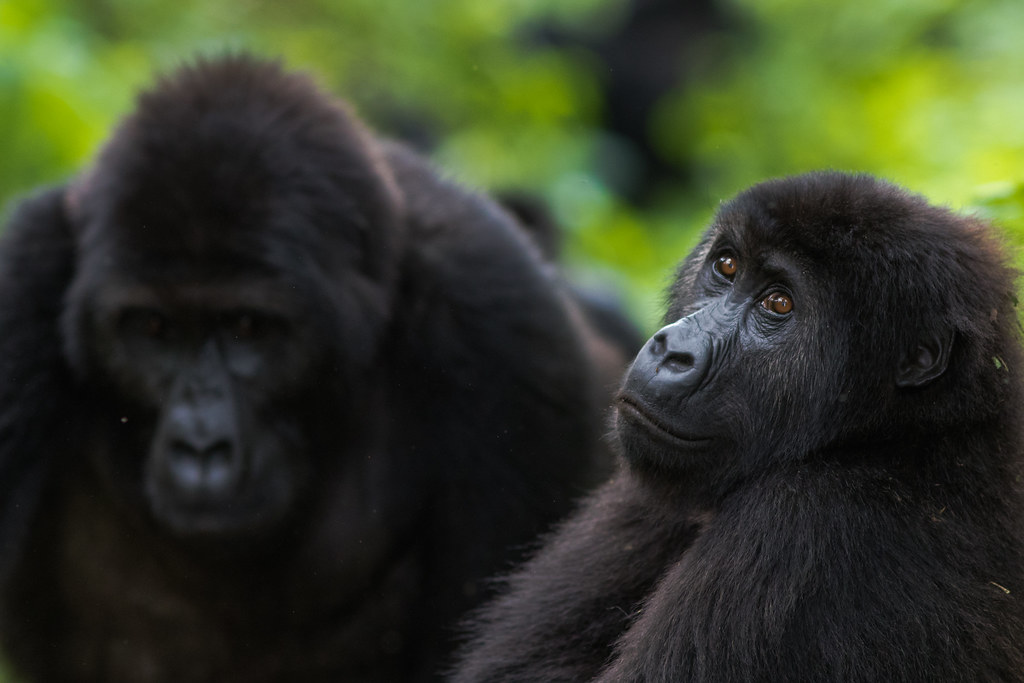
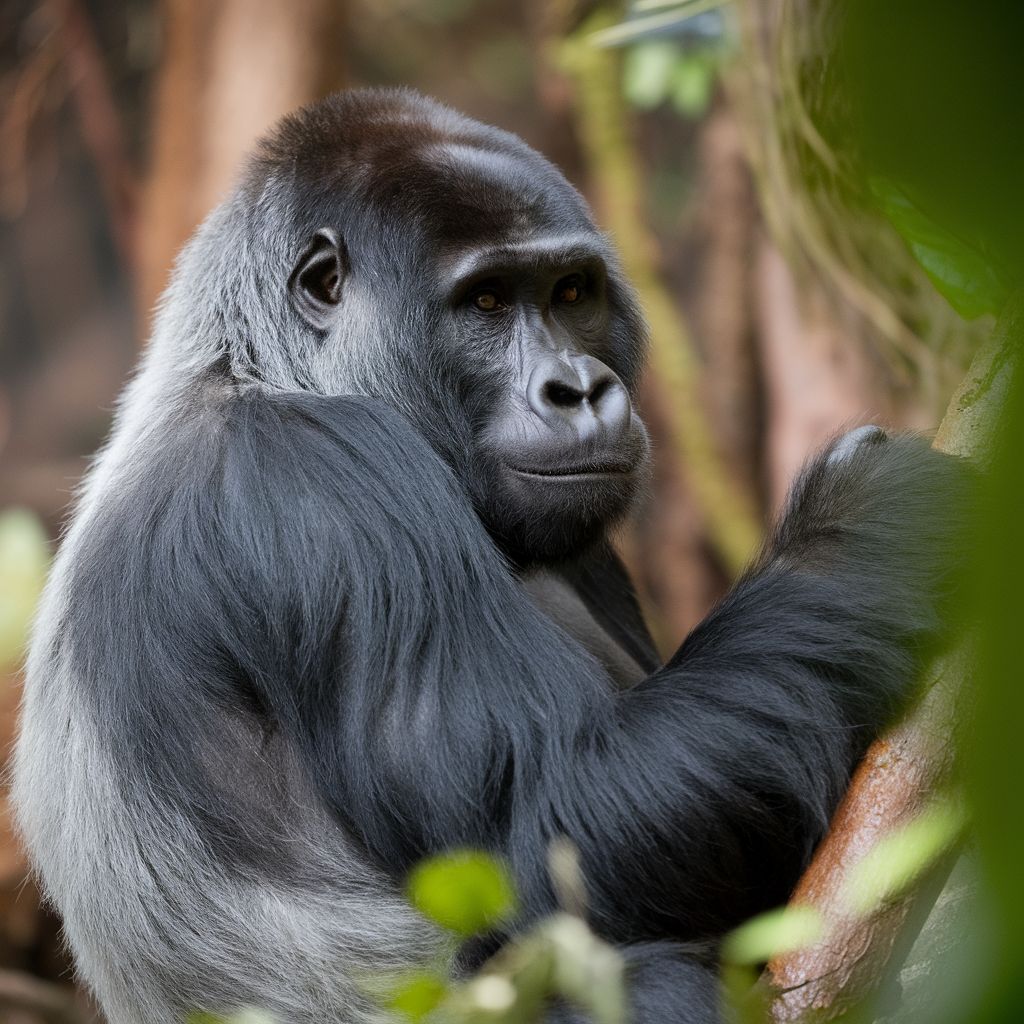
This environmental complexity is crucial for supporting the mountain's most famous resident: the Eastern Lowland Gorilla (Gorilla beringei graueri), one of the world’s most endangered primate species.
Sanctuary of the Grauer’s Gorilla
The Kahuzi-Biega National Park was established in 1970 primarily to protect this subspecies of gorilla, also known as Grauer’s gorilla, which is endemic to the eastern DRC. Mount Kahuzi and its immediate surroundings are the last remaining stronghold for a significant portion of the world’s Eastern Lowland Gorilla population.
Unlike their more famous mountain gorilla cousins (Gorilla beringei beringei) found in the Virunga region, Grauer’s gorillas are larger and primarily inhabit the lowland and transitional forests, though they range up the montane slopes of Kahuzi. The conservation success within the park’s boundaries, particularly on the relatively protected eastern slopes of Mount Kahuzi, is critical for the global survival of this species. The park’s history is thus interwoven with decades of dedicated, and often perilous, conservation work by local rangers and international organizations.
Climbing the Volcanic Giant
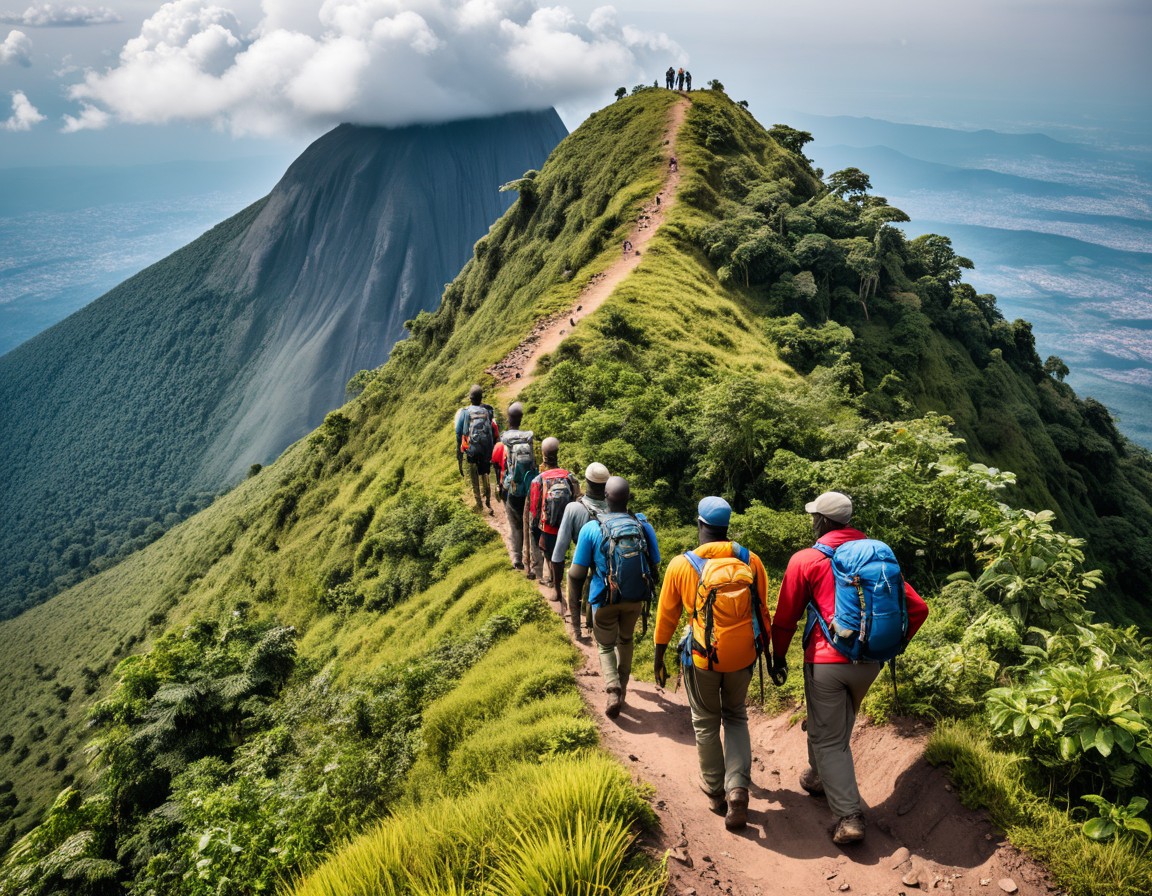
For adventurous travelers and dedicated conservationists, Mount Kahuzi offers a challenging and rewarding ascent. The climb is steep, often muddy, and requires navigating dense vegetation, yet the effort is rewarded by unparalleled views and the unique experience of trekking in an ecologically pristine environment.
The journey typically begins at the park headquarters, where visitors are briefed on safety and gorilla trekking etiquette. The path winds through the various altitudinal zones, allowing hikers to observe the changes in flora and fauna. As hikers gain elevation, the forest thins out, giving way to the distinctive high-altitude bamboo and then heather and senecio vegetation.
Reaching the summit, which is often shrouded in mist, provides a panoramic view of the surrounding forests, the Great Rift Valley, and the glittering expanse of Lake Kivu in the distance. The sense of isolation and the natural grandeur at the peak underscore the immense, untamed wilderness of the Congo basin.
Kahuzi’s Historical and Conservation Context
The Kahuzi-Biega National Park was inscribed on the UNESCO World Heritage list in 1980. However, due to severe civil unrest, poaching, and the influx of refugees in the region throughout the 1990s and 2000s, the park was placed on the List of World Heritage in Danger.
The conflict and instability severely impacted the gorilla population, causing a dramatic decline in numbers and jeopardizing the decades of conservation work. Despite these profound challenges, the park’s status as a critical biodiversity zone remains, primarily because the Mount Kahuzi region still supports the core, surviving population of Grauer’s gorillas.
The park represents a crucial example of human resilience in the face of conflict. Local communities, often working with limited resources and facing significant personal risks, continue the tireless work of monitoring the gorillas, patrolling against poaching, and maintaining the fragile ecosystem of the Kahuzi slopes. Their efforts are central to the mountain’s enduring status as a symbol of hope for conservation in Central Africa.
The Future of the Mountain
Mount Kahuzi’s future is inextricably linked to the political and social stability of the Democratic Republic of the Congo. Efforts today focus not only on anti-poaching measures and habitat restoration, but also on sustainable community involvement, ensuring that the local populations benefit directly from the conservation efforts and eco-tourism.
The sheer natural scale of the Kahuzi massif, its towering elevation, and its deep biological significance mean that it remains one of the world’s most important, and least understood, ecological treasures. The mountain stands as a silent sentinel, a majestic beacon of hope in a region defined by its natural wonders and persistent struggle for peace. It invites the world to recognize the critical importance of protecting this magnificent habitat and the endangered primates that call its slopes home.
(Word Count: ~1020 words)