
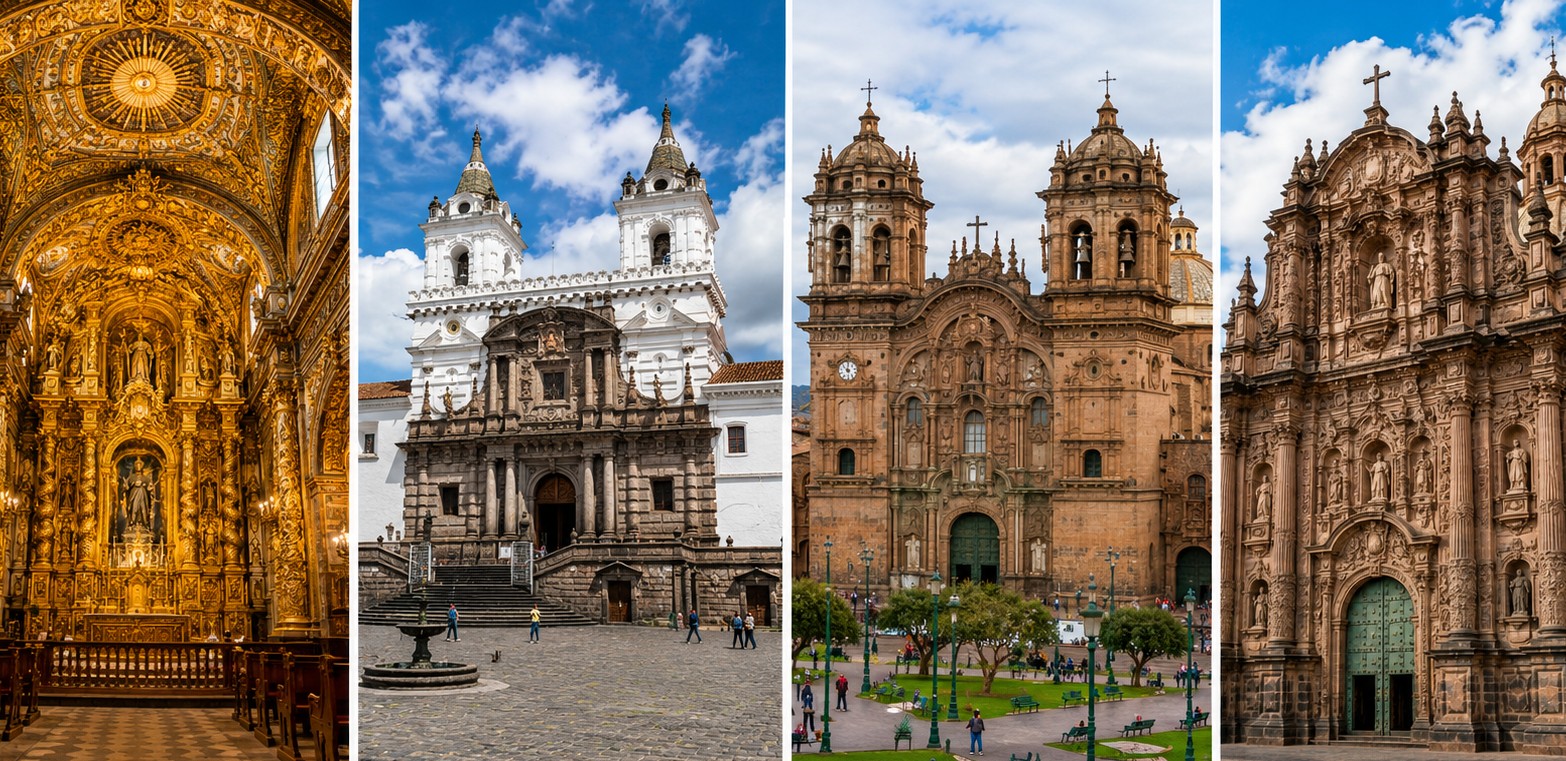
Monumental is a slippery word for a church. Judge by sheer scale and the great cathedrals win; judge by the density of gilded artistry and a tiny chapel can outshine a nave the size of a barn; judge by historical weight and modest buildings climb on symbolism alone. This guide leads with scale — what most readers picture — and uses artistic richness and historical importance to break the ties.
It also refuses to flatter the map. The real weight of monumental colonial religious architecture in South America sits along the Andes — Quito, Cusco, Lima, Potosí — with a single spectacular exception on the Atlantic coast at Salvador. Spreading the list one per country would be tidier and false. And because errors travel faster than corrections in the guidebook world, each entry below separates what is documented from what is merely repeated.
1. Iglesia de la Compañía de Jesús — Quito, Ecuador
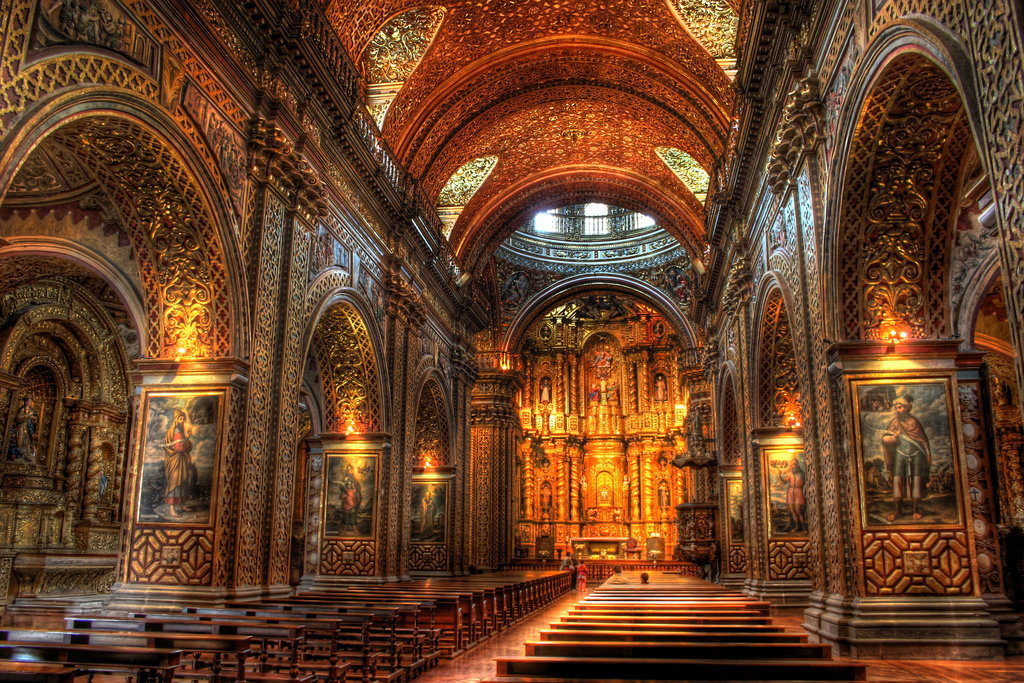
Begun by the Jesuits in 1605 and roughly 160 years in the making, La Compañía is the work most often called the summit of the Baroque in the Americas. Its façade is carved from Andean volcanic stone; inside, a nave some 58 metres long rises to a vault 26 metres high, sheathed almost entirely in gold leaf worked by artists of the Escuela Quiteña.
Myth check. Travel blogs and property sites endlessly repeat that seven tons of gold cover the interior. Gold leaf is beaten to a fraction of a micron, and seven tons of it is a physical impossibility. Careful estimates put the real figure at roughly 50 to 60 kilograms of 23-karat leaf — still extraordinary, and two orders of magnitude below the myth. The dramatic Hell and Last Judgment canvases visitors see today are 19th-century copies by Alejandro Salas, not the 1620 originals by Hernando de la Cruz.
The church survived the 1987 earthquake and a 1996 fire that broke out during restoration, reopening in 2005. It anchors Quito's historic centre, inscribed by UNESCO in 1978.
2. Iglesia y Convento de San Francisco — Quito, Ecuador
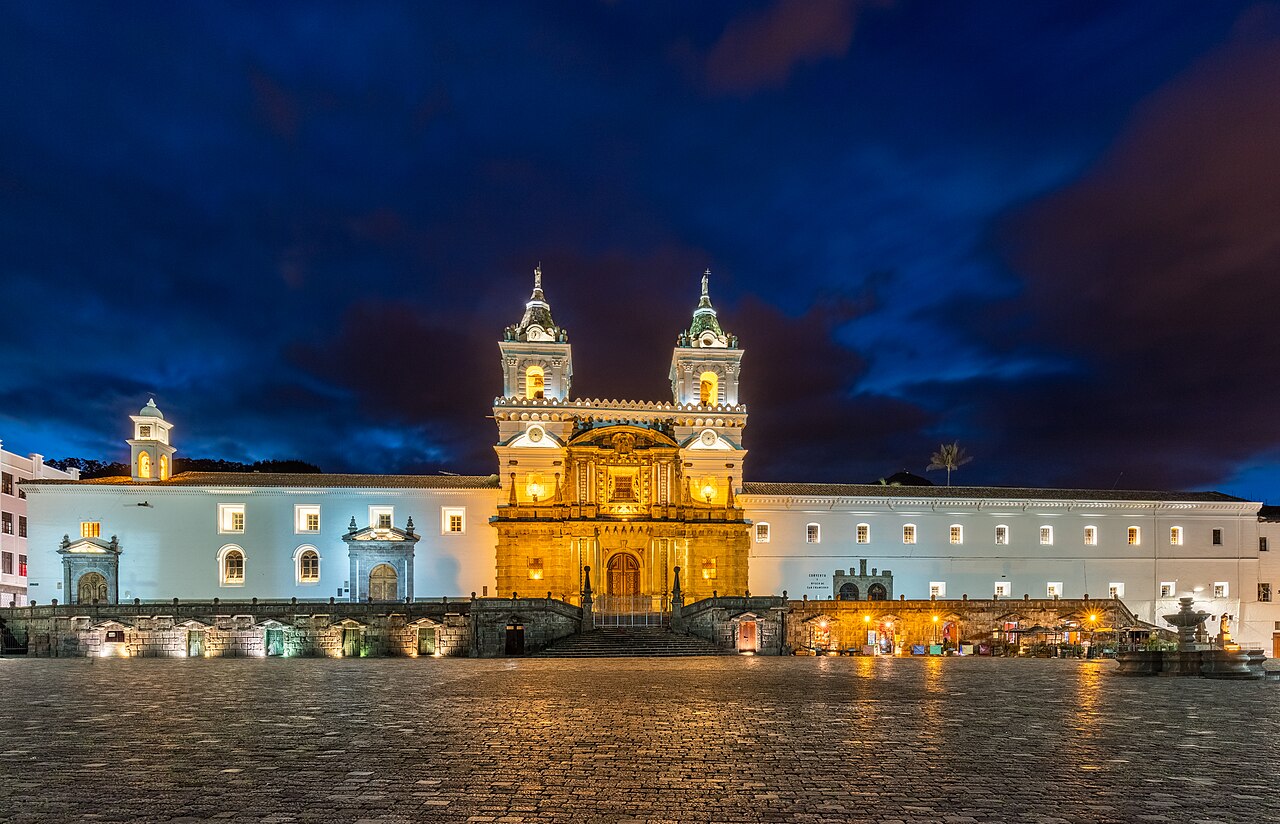
Where La Compañía wins on dazzle, San Francisco wins on sheer scale. Started within two decades of the Spanish founding of Quito in 1534 and built up across the second half of the 16th century, it is the largest colonial architectural ensemble in the city — not a single church but a whole world of atrium, twin towers, cloisters, plazas and chapels.
The interior pairs a Mudéjar coffered ceiling with gilded Baroque retables, and the complex is regarded as a cradle of the Escuela Quiteña, the workshop that supplied churches across the northern Andes. Beside it stands the Cantuña chapel, famous for a devil-pact legend about its builder — a piece of colonial folklore worth telling as folklore, not as documented history.
3. Catedral del Cusco — Cusco, Peru
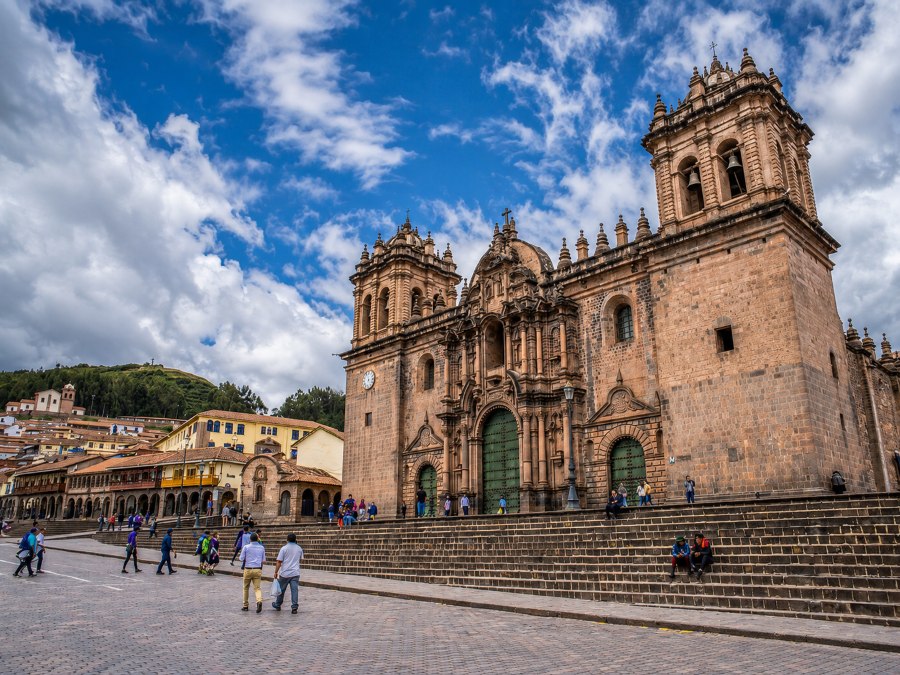
Raised over the Kiswarkancha, the palace attributed to the Inca Wiracocha, the cathedral covers about 3,920 square metres and was built partly with red granite hauled from the fortress of Sacsayhuamán. Its first Mass was celebrated in 1654 and it was consecrated in 1668; it was recognised as a minor basilica in 1928.
Architecturally it is a revealing hybrid: Gothic rib vaults above Renaissance and Baroque orders, the amalgam typical of the Andes. Inside are cedar choir stalls, a carved pulpit, the venerated Señor de los Temblores, and canvases of the Cusco School — among them the celebrated Last Supper in which the roast on the table is a cuy, an Andean guinea pig, a small act of visual translation that says much about how Christianity was localised here.
4. Iglesia de la Compañía de Jesús — Cusco, Peru
Facing the cathedral across the Plaza de Armas, the Jesuit church rises on the Amarucancha, once the palace of the Inca Huayna Cápac. Granted the Pucyura quarry in 1653, its ambitious design triggered one of colonial Peru's better-documented architectural quarrels: in 1656 the cathedral chapter, through Diego Arias de la Cerda, protested that so bold a façade would humble the mother church a few metres away. The viceroy ruled for the Jesuits; Bishop Pedro de Ortega Sotomayor appealed to the Real Audiencia — and the church was finished anyway, on 24 July 1668.
Myth check. The romantic tale that the Pope forbade the Jesuits to build higher than the cathedral is an embellishment. The dispute was settled through colonial courts, and the building was complete long before any ruling from Rome could have mattered. What remains is one of the finest carved-stone façades on the continent.
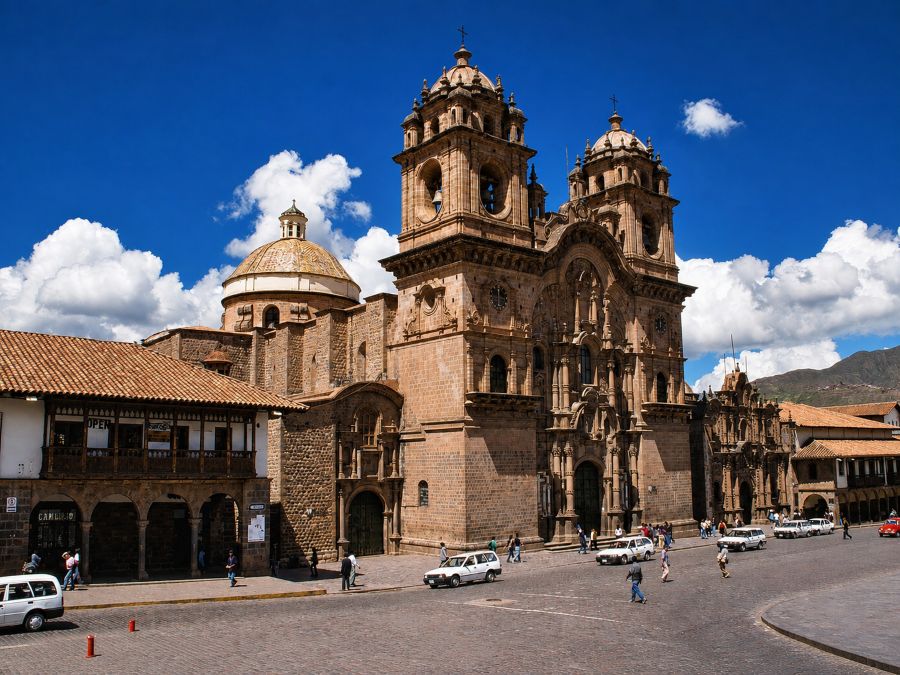
5. Basílica y Convento de San Francisco — Lima, Peru
The Franciscans received this plot at the founding of Lima in 1535, but the sober ochre church we see — a benchmark of the barroco limeño — was largely rebuilt in the second half of the 17th century after repeated earthquakes. Sevillian tilework, Moorish-influenced coffered ceilings and a monumental library make the convent feel like a gallery of colonial art.
Its fame, though, lies underground. The catacombs were a colonial cemetery in use until the early 19th century. Two cautions the guidebooks skip: the often-cited 25,000 burials is a repeated estimate, not a documented census; and the neat geometric arrangements of skulls and femurs are a later museum display, not how the dead were originally laid to rest. The complex belongs to the Historic Centre of Lima, a UNESCO World Heritage Site.
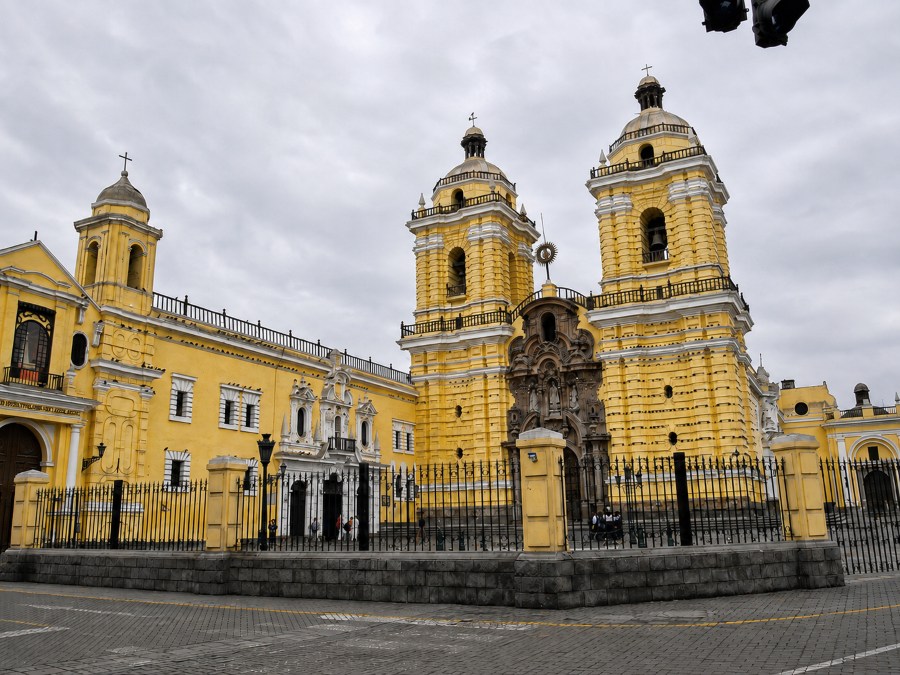
6. San Lorenzo de Carangas — Potosí, Bolivia
Modest in body — a single adobe nave begun in 1548 as a parish and rebuilt after a snowfall brought down its roof — San Lorenzo earns its place on one feature alone: its carved stone portal, the summit of the barroco mestizo of the southern Andes.
Myth check. Sources routinely date the famous façade to the 16th century. They are wrong: the portal was carved between 1728 and 1744, and its iconography fuses two worlds with astonishing confidence — salomonic columns whose shafts dissolve into indigenous figures in faldellines, sirens playing the charango, angels with vihuela and harp, sun and moon among the vines. Inside are Christ sculptures by Gaspar de la Cueva. It is the artistic dividend of Potosí's silver, from a city that in its heyday rivalled London and Paris in size.
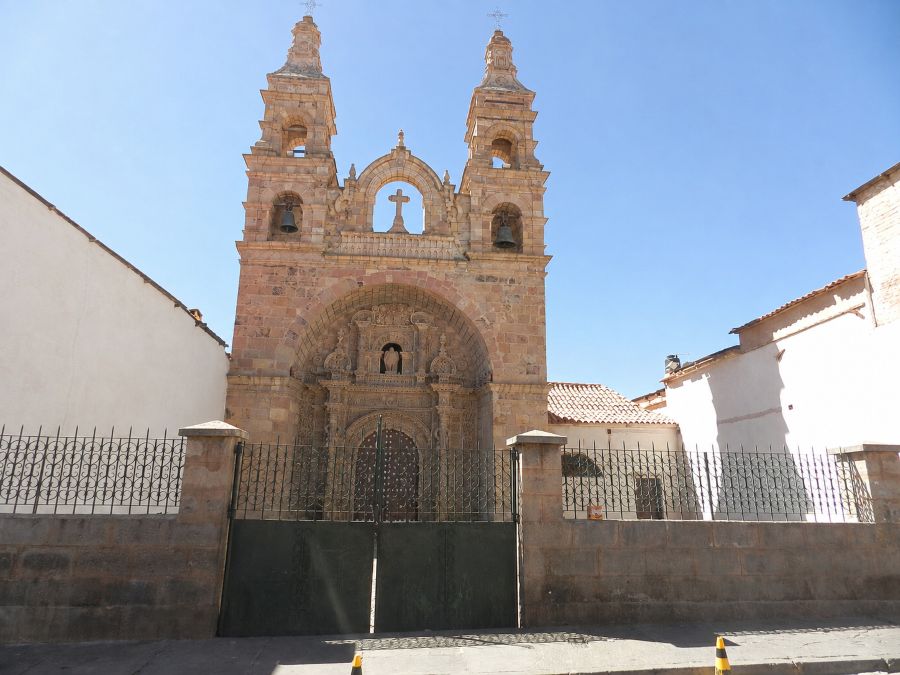
7. Igreja e Convento de São Francisco — Salvador, Brazil
The Atlantic exception. The convent dates from 1686 and the church was built from 1708, inaugurated around 1723 with its decoration finished near 1750. The interior is a horror vacui of talha dourada — gilded carved cedar and jacaranda — threaded with blue-and-white Portuguese azulejo panels, angels and birds crowding every surface. It is one of the Seven Wonders of Portuguese Origin and part of the UNESCO Historic Centre of Salvador.
Myth check, and hard news. Figures of one ton or 800 kilograms of gold describe gilded woodcarving — leaf and powder over wood — not solid bullion. And there is a present-tense fact any honest guide must carry: on 5 February 2025 part of the nave ceiling collapsed, killing a 26-year-old visitor and injuring others. The church has been closed ever since. Emergency stabilisation gave way to a full restoration funded through Brazil's Novo PAC, and a complete reopening is not expected until around 2029. For now, the most golden church in the Americas can be admired only in photographs.
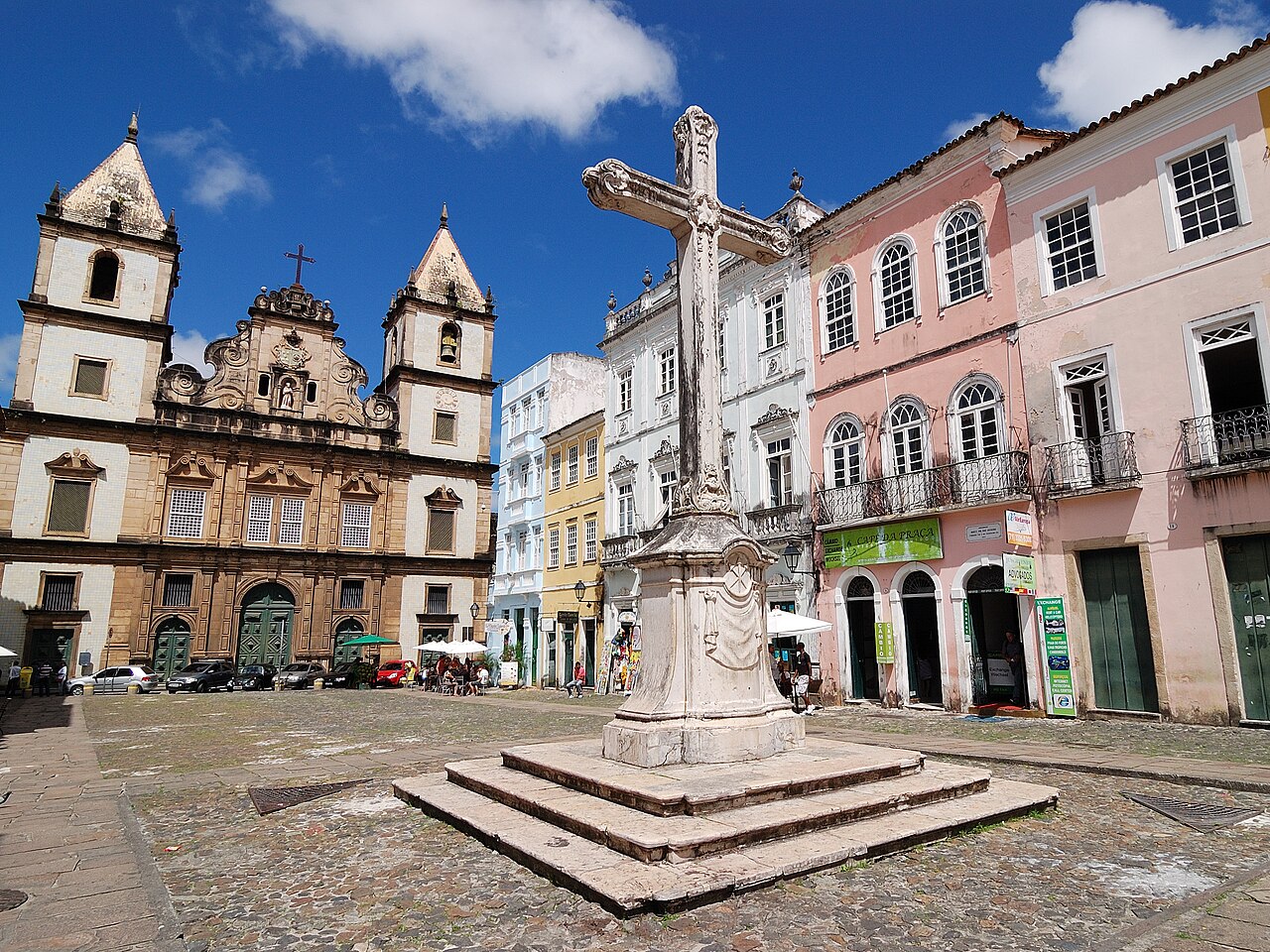
The honest map, and a few honourable mentions
Six of these seven cluster in the old silver-and-viceroyalty heartland of the Andes; only Salvador breaks the pattern, and it does so gloriously. If the list ran longer, the next names would be San Francisco de La Paz, with its indigenous-symbol façade of 1784; the Jesuit church of the Córdoba Block in Argentina, roofed like an inverted ship's hull; and São Francisco de Assis in Ouro Preto, small but supreme, where Aleijadinho and Mestre Ataíde brought Brazilian Baroque to its most personal pitch.