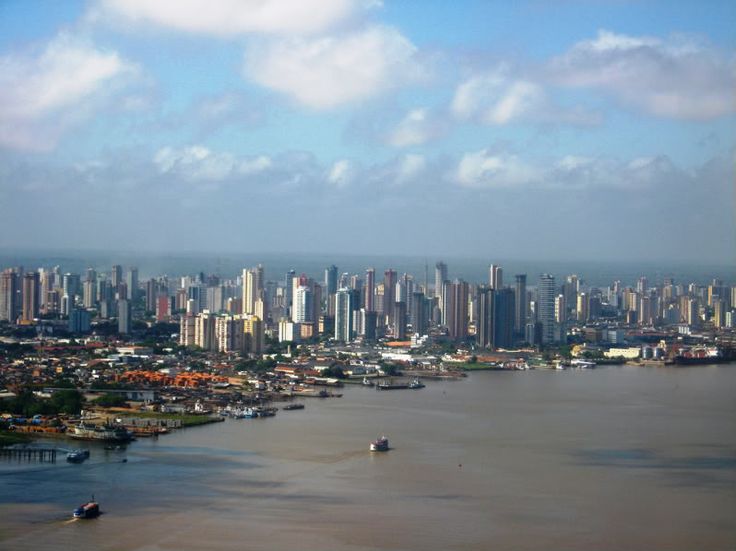

Belém, capital of the Brazilian state of Pará and gateway to the Amazon, is at the center of a diplomatic and symbolic storm. Remarks by German Chancellor Friedrich Merz, who said that his delegation was relieved to leave the city after a climate meeting, have been read in Brazil as a dismissive judgment on the place that will host the United Nations Climate Conference COP30 in 2025.
The controversy has exposed more than a clash of impressions between a European leader and a tropical metropolis. It has opened a window onto a city that combines global environmental relevance, rich history and culture, and deep social inequality.
A climate summit in the Amazon gateway
Belém, also known as Belém do Pará, sits on the Guajará Bay in northern Brazil, about 2 120 kilometers from Brasília. With just over 1,3 million inhabitants, it is the most populous city in Pará and the second largest urban center in the Brazilian Amazon. Built on a mosaic of forty two islands and continental areas, it has an equatorial climate that is hot, humid and extremely rainy, making it the rainiest state capital in the country.
For the United Nations, Belém is more than a dot on the map. In 2015, UNESCO recognized the city as a Creative City of Gastronomy, highlighting a cuisine that blends Indigenous, African and European traditions, from dishes based on açaí and regional fish to spices and fruits found only in the forest. The city is also home to the Círio de Nazaré, considered the largest Catholic procession in the world and recognized as Intangible Cultural Heritage of Humanity.
Belém has hosted major international and national events, such as the World Social Forum in 2009 and the Global Citizen Festival in 2025. Now, as host of COP30, it has temporarily become the federal capital of Brazil, symbolizing the country's attempt to place the Amazon at the center of global climate negotiations.
A city of history, progress and exclusion
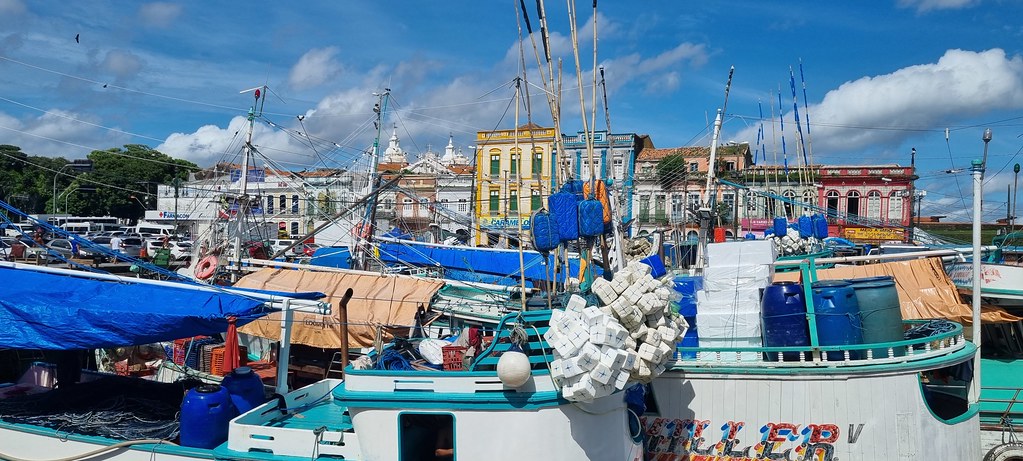
Founded in 1616 as Feliz Lusitânia on Indigenous Tupinambá land, Belém was designed as a colonial outpost to secure Portuguese control over the Amazon. The Forte do Presépio and the old commercial station of Haver o Peso, today the famous Ver o Peso market, turned the city into a strategic hub for forest products and cattle.
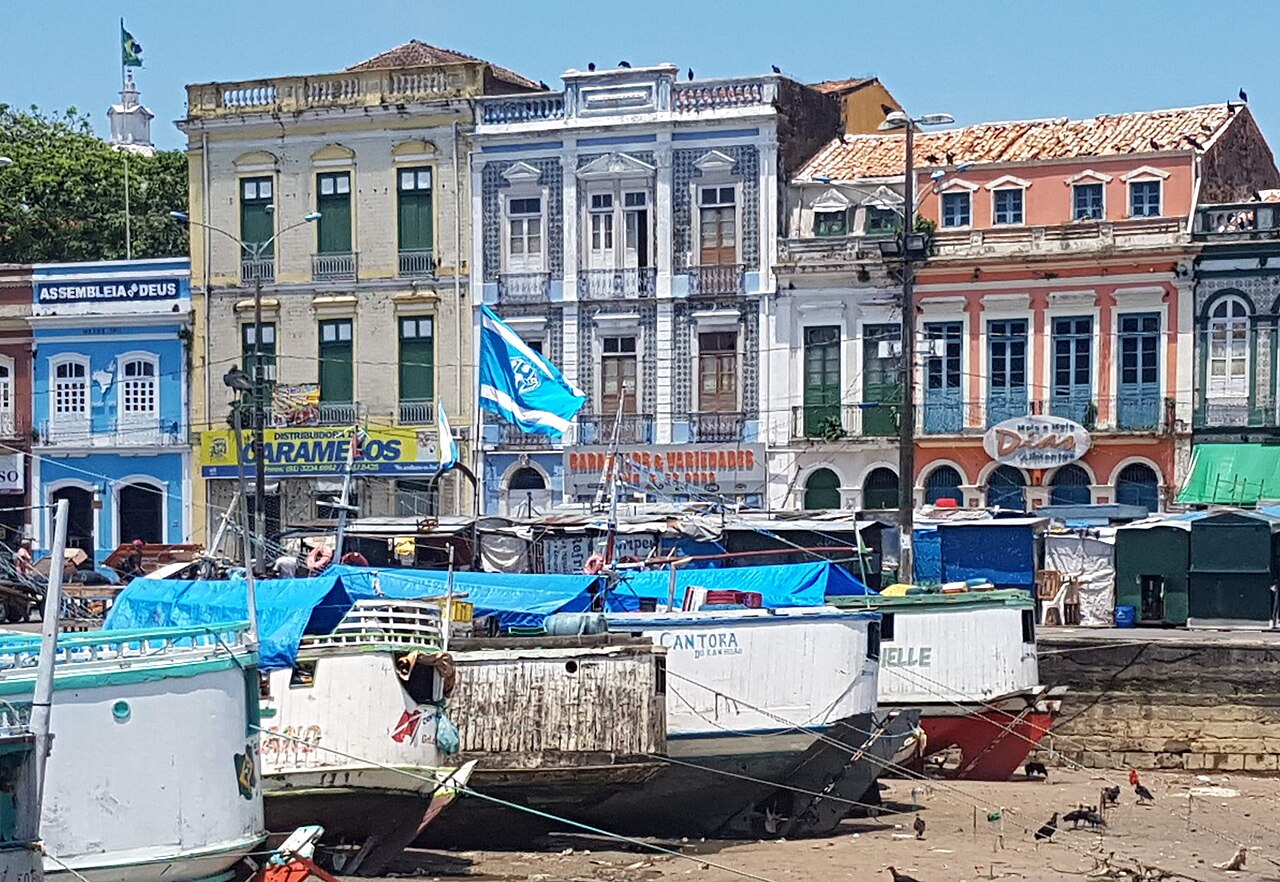
In the late nineteenth and early twentieth centuries, Belém became one of the wealthiest cities in the country during the rubber boom. The luxurious Theatro da Paz, imported stone pavements, tree lined boulevards and the so called Belle Époque de Belém earned it the nickname Paris in America. Photography and urban modernization created an idealized image of a refined tropical metropolis.
This progress, however, was always selective. The same urban reforms that brought infrastructure and monuments expelled poor residents from the historic center toward peripheral and flood prone neighborhoods. Afro Brazilian and Indigenous cultural expressions, such as carimbó and early samba forms, suffered repression and were pushed to the margins even as they helped define the city's identity.
From the mid twentieth century, Belém expanded along new roads and subdivisions. Popular districts grew rapidly, often with little infrastructure. By the 1970s and 1980s, informal settlements had become a structural element of the city.
Inequality, violence and the reality of the favelas
Today, Belém presents a paradox. On paper, its Human Development Index is considered high, at 0,746, the best in the state and among the leaders in northern Brazil. Literacy reaches more than ninety seven percent of the population. Yet the daily experience of many residents is marked by poverty and lack of basic services.
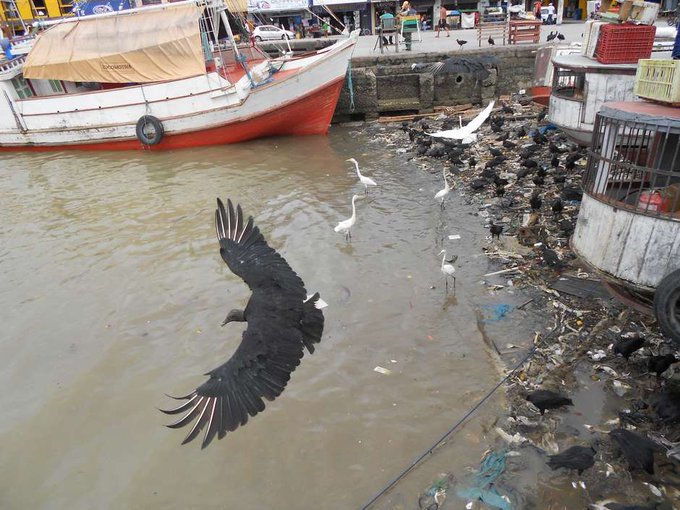
Belém is the Brazilian capital with the highest proportion of residents living in informal settlements. More than half of its inhabitants live in favelas or precarious urban areas, often on stilts over tidal waters or on low lying land prone to flooding. In neighborhoods such as the Baixada da Estrada Nova or the Vila da Barca, inadequate sanitation exposes hundreds of thousands of people to pollution and disease. Only about one fifth of the population has access to sewage collection and treatment.
These structural deficits feed a cycle of vulnerability and violence. In the last decade, Belém appeared in international rankings among the fifty most violent cities in the world, with homicide rates above seventy deaths per one hundred thousand inhabitants at their peak. Recent data, however, indicate a significant fall in lethal violence, with the number of homicides dropping by more than seventy percent between 2017 and 2022, the result of security policies and changes in criminal dynamics. Even so, concerns about public safety remain central for residents and visitors alike.
Inequality is not limited to income or security. Indicators suggest serious problems in child nutrition and basic health. Urban vegetation is unevenly distributed, and less than half of residents live near streets with trees, a striking fact for a city known as the city of mango trees.
Pride, culture and the politics of perception
It is against this complex background that reactions to Chancellor Merz have unfolded. Brazilian authorities interpreted his comments about relief at leaving Belém as an expression of prejudice from a leader of a country historically linked to industrial emissions that contribute to the very climate crisis threatening the Amazon.
Governor Helder Barbalho responded by pointing to the contradiction between such remarks and the need for concrete support from rich nations for those who protect forests. President Luiz Inácio Lula da Silva used humor to suggest that the German leader might have judged the city without truly experiencing it, inviting him, in spirit, to taste Pará cuisine, visit traditional bars and dance with local residents before forming a verdict.
Local officials and civil society organizations argue that what is at stake is not the right to criticize Belém's real problems, but the risk of reinforcing stereotyped images that frame Amazonian cities as places of misery and danger without recognizing their cultural wealth and strategic importance. For many, the episode has become an opportunity to highlight long standing demands for investments in sanitation, transport, housing and social policies that could reduce inequality and make the city safer and more resilient.
Belém at a crossroads
As COP30 approaches, Belém finds itself at a crossroads. On one side is the international gaze, often shaped by fleeting impressions and comments like those that sparked the current controversy. On the other side are the historical responsibilities and opportunities of a metropolis that concentrates economic activity, services and political influence over a region of more than nine million people.
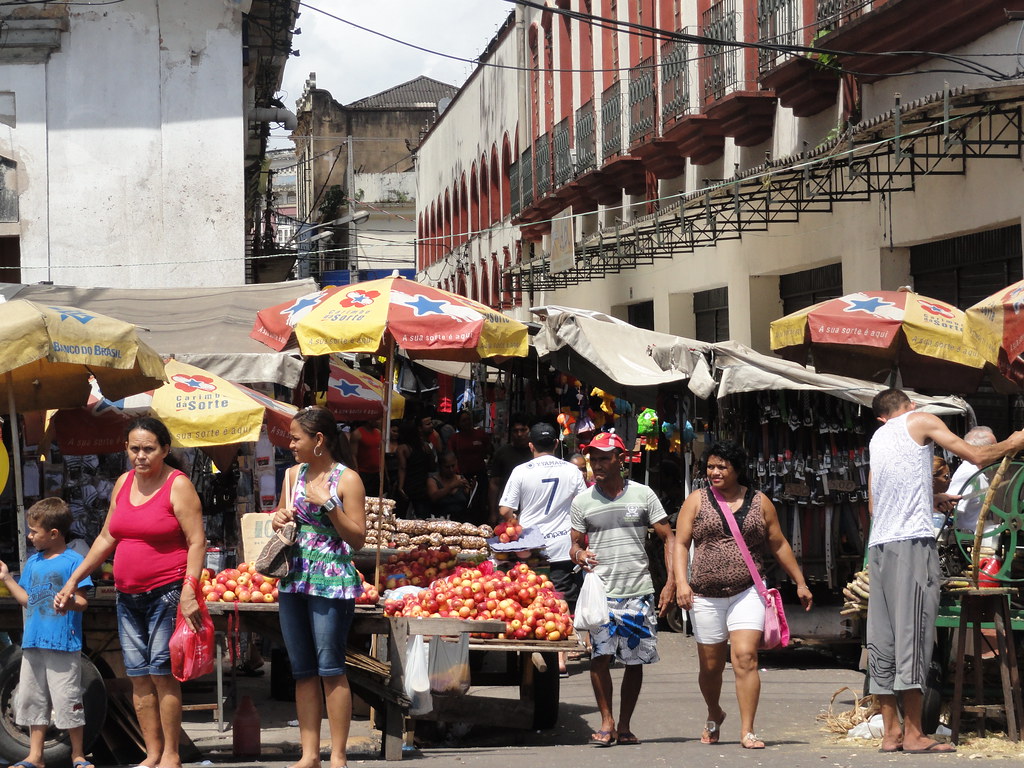
For many residents, the hope is that the global spotlight will go beyond images of flooded streets or violent statistics and help secure resources to address structural deficits that they have denounced for decades. At the same time, there is pride in the ability of the city to welcome visitors with its markets, riverside landscapes, religious festivities and unique cuisine.
Whether Belém is a place where Europeans could or could not live is, in the end, less important than whether its own inhabitants can live with dignity, safety and opportunity. That question will remain long after the climate delegations leave the Amazonian capital, and it is the one that will truly determine the future of this complex and vital city.