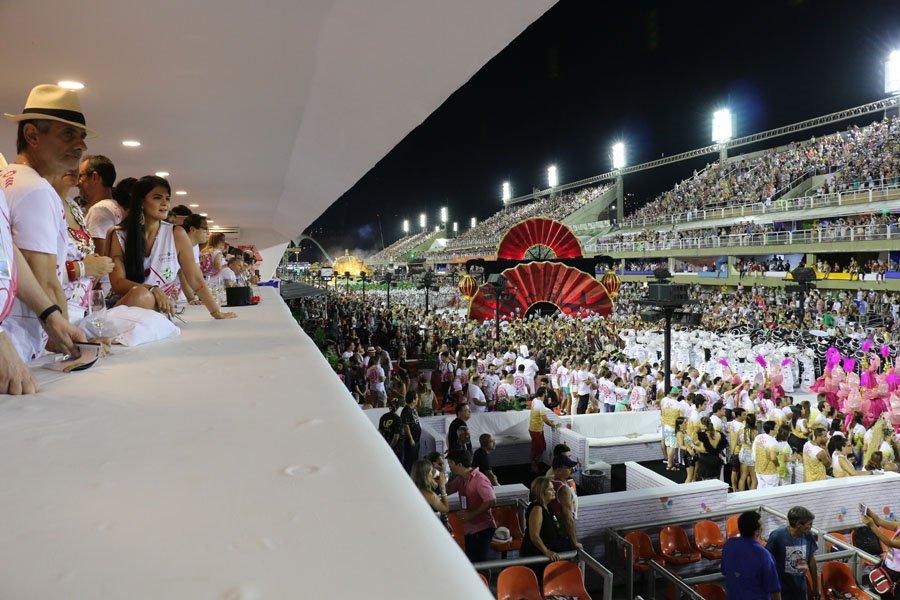
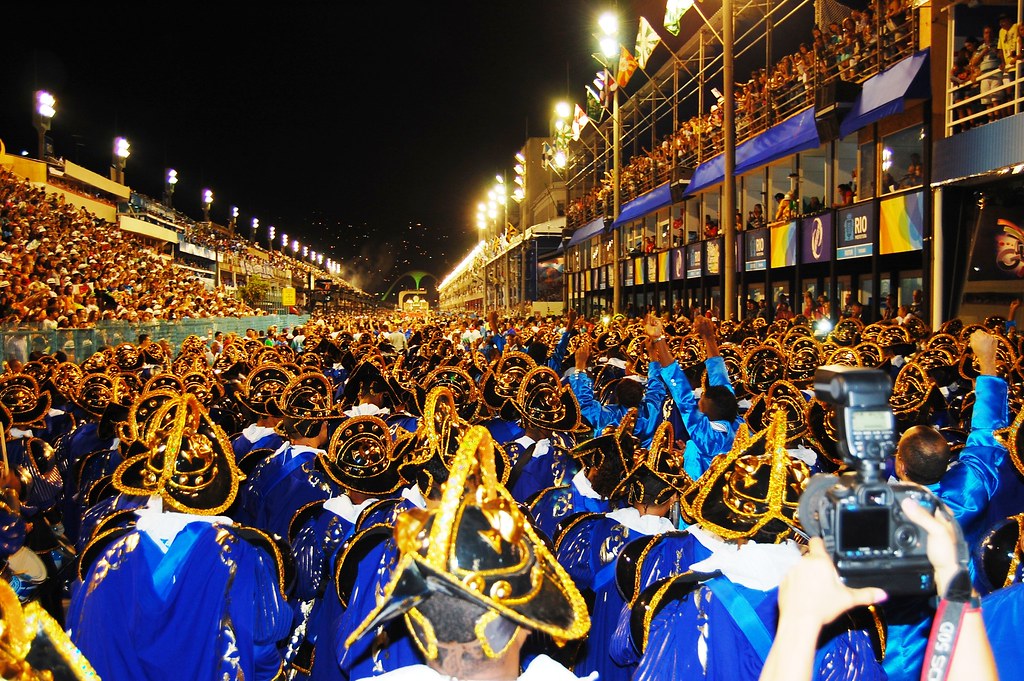
Rio de Janeiro’s Carnival is arguably the most electrifying spectacle on Earth, a pulsating, vibrant expression of Brazilian culture and collective joy. At the very heart of this annual frenzy stands the Sambadrome Marquês de Sapucaí, a monumental, purpose-built stadium that is not just a venue, but the definitive runway for the world’s most famous samba parade. More than a structure, the Sambadrome is a potent symbol of national pride, architectural vision, and the deep-seated cultural importance of the samba schools.
The Vision of a Modernist Master
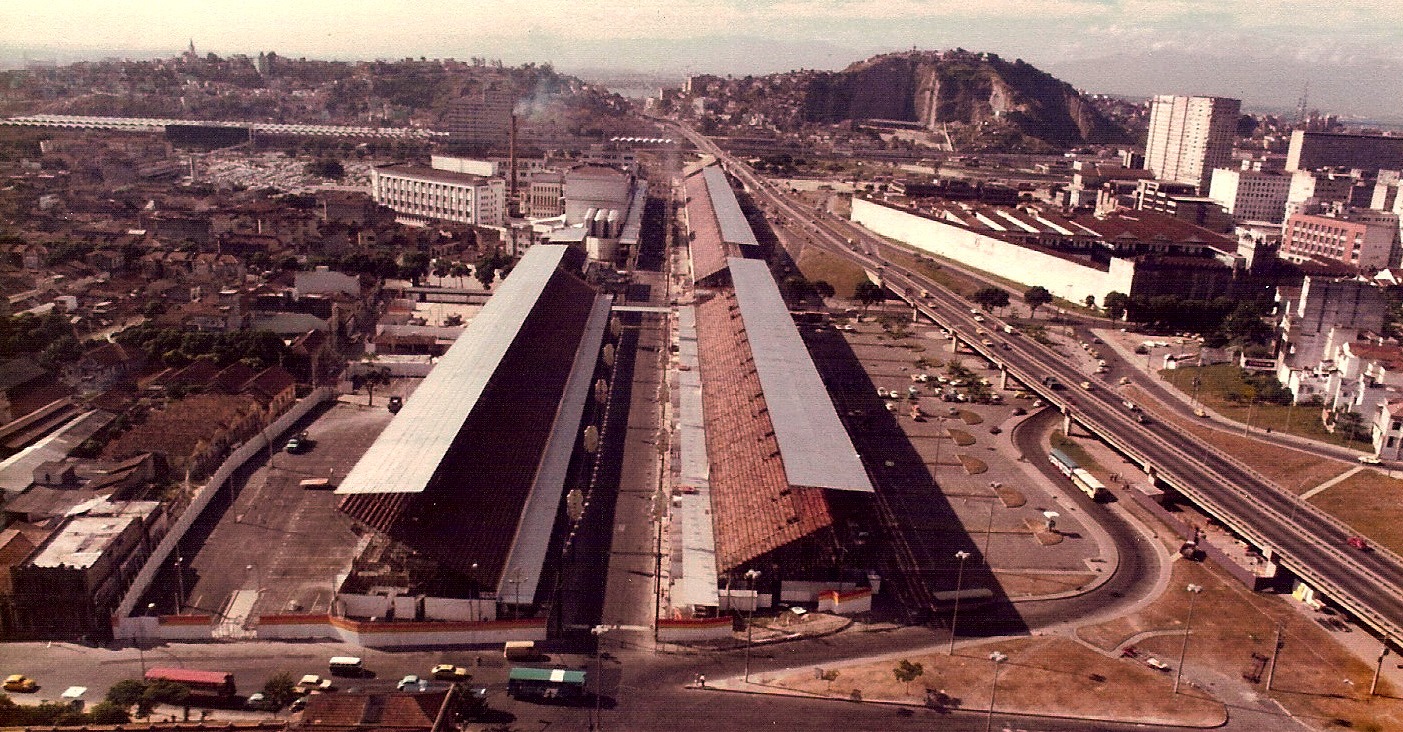
Before the Sambadrome was conceived, Rio’s samba schools paraded in the city’s streets, particularly along Avenida Rio Branco. While full of spontaneity and energy, this arrangement lacked the necessary infrastructure for large crowds and the increasingly elaborate floats and costumes. The need for a dedicated, permanent structure became evident to contain and manage the sheer scale of the event.
The solution came from one of Brazil’s most renowned figures, the visionary architect Oscar Niemeyer (1907–2012). Niemeyer, a pioneer of modern architecture, designed the Sambadrome in 1983. His creation is a remarkable example of functional and monumental architecture, blending clean, sweeping lines with the specific demands of the Carnival parade. The project, officially named the Passarela Professor Darcy Ribeiro (Professor Darcy Ribeiro Catwalk), was built in just 120 days and was inaugurated in 1984.
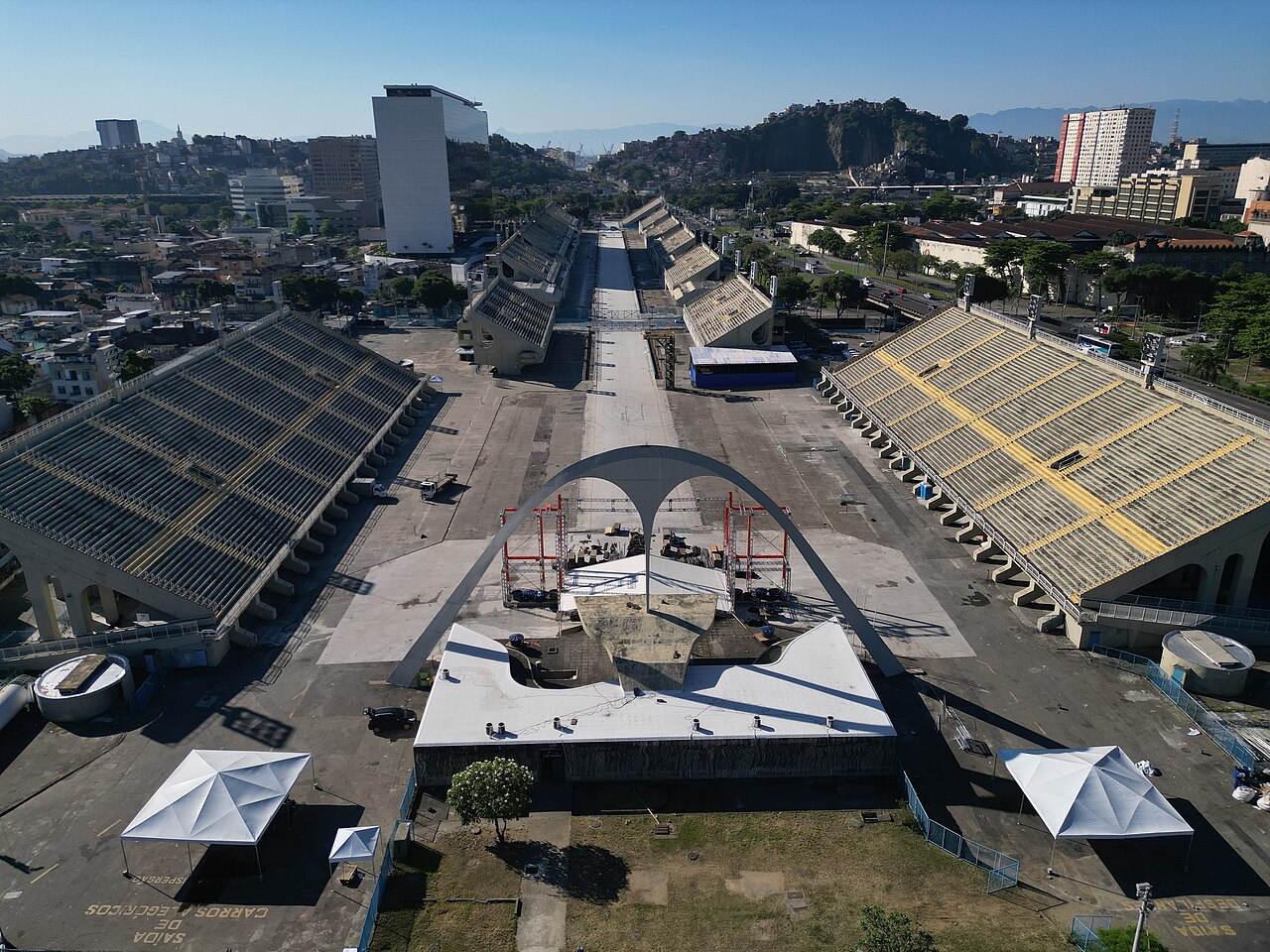
Niemeyer’s design is deceptively simple: a 700-meter-long stretch of paved street flanked by massive concrete grandstands. The genius lies in its functionality. The structure acts as a perfect acoustic and visual funnel, directing all attention onto the samba schools and amplifying the energy of the crowds. Crucially, the Sambadrome was designed to be modular and minimalist, ensuring the focus remains squarely on the parade, which Niemeyer famously described as "the greatest popular spectacle on the face of the Earth."
The Heart of the Carnival Competition
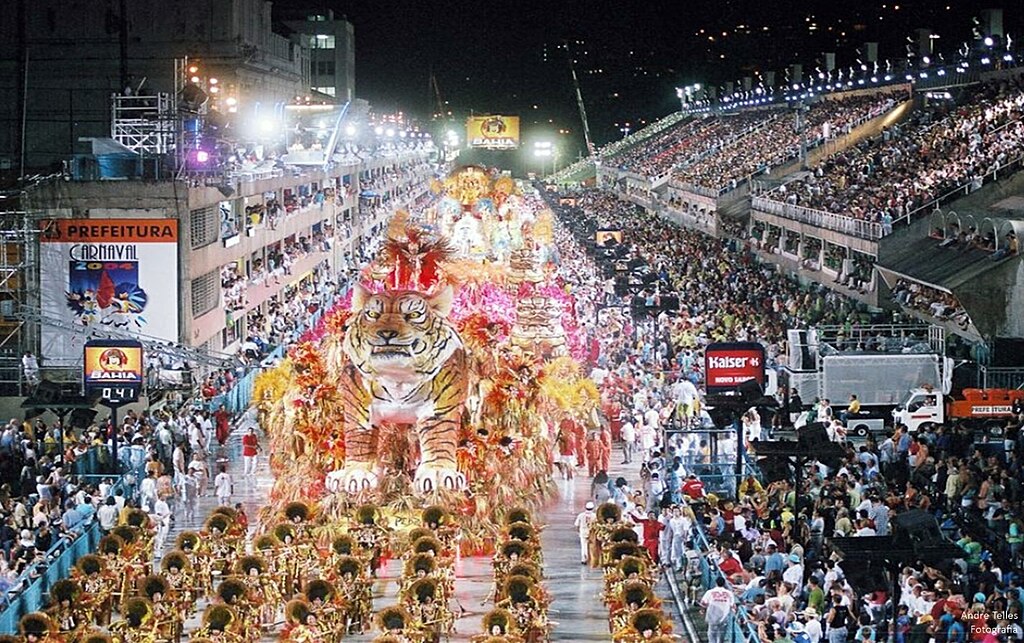
The Sambadrome transforms into the center of the universe for four nights during Carnival, typically starting on Friday and peaking on the following Monday and Tuesday. This is when the Special Group (Grupo Especial), comprising the elite samba schools, competes for the coveted title of Carnival Champion. This is not merely a street party; it is a meticulously planned, high-stakes competition.
Each samba school’s presentation is a complete, multi-part performance known as the enredo (theme), which usually narrates a historical event, a cultural legend, or a social commentary. The schools are judged on a strict set of criteria:
- The Theme (Enredo): The overall concept and its narrative cohesion.
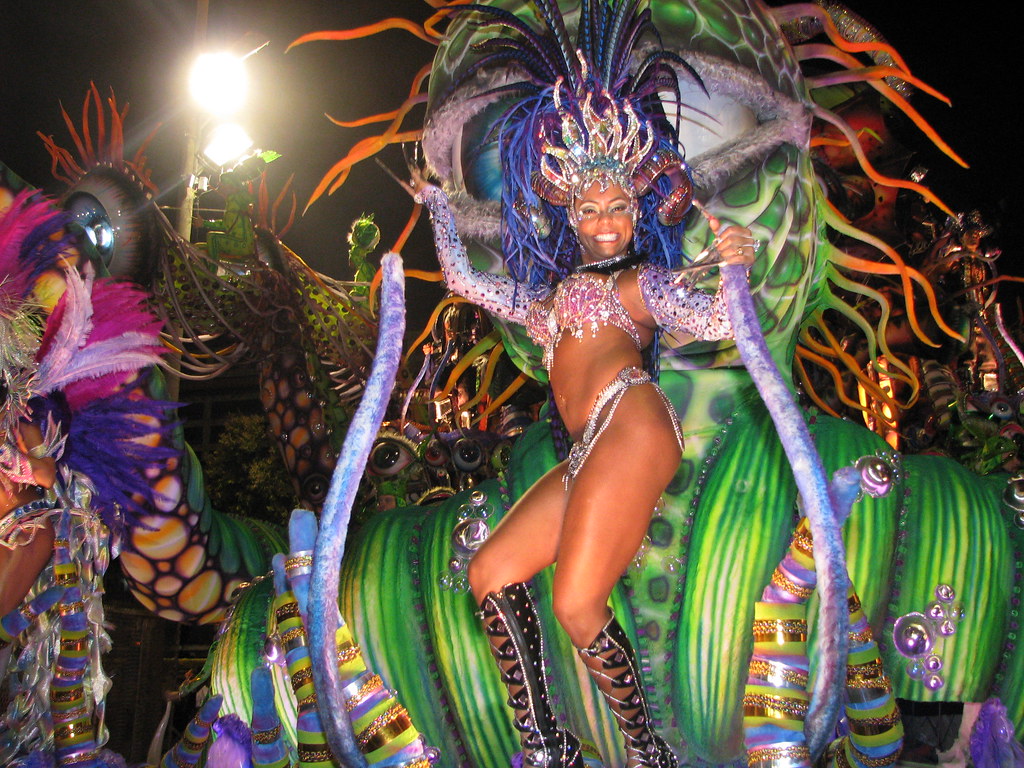
- The Floats and Props (Alegorias e Adereços): The complexity, beauty, and execution of the gigantic, elaborate floats.
- Costumes (Fantasias): The craftsmanship, originality, and thematic relevance of the thousands of costumes.
- Samba Song (Samba-Enredo): The quality of the musical composition and lyrics.
- Percussion Section (Bateria): The rhythmic excellence and mastery of the hundreds of drummers.
A full parade by a single school can involve up to 5,000 participants and lasts precisely 65 to 75 minutes, with severe penalties for exceeding the time limit. The energy generated by the pounding bateria section alone, which performs in a dedicated square (the Recuo da Bateria), is an elemental force that drives the entire performance forward.
Beyond the Parade: Niemeyer’s Architectural Legacy
The design of the Sambadrome includes two significant architectural elements that stand out from the seating sections: the Tribuna de Honra (Tribune of Honor) and the Apoteose Square (Praça da Apoteose).
The Apoteose Square marks the end of the 700-meter runway. It is defined by a massive, sweeping concrete arch—another signature Niemeyer element. This arch not only provides a dramatic backdrop for the final moments of each school’s parade but also serves to symbolize the triumphant conclusion of the Carnival itself. It is a monumental gateway designed to provide a perfect photographic composition for the end of the competitive journey.
In 2011, the Sambadrome underwent a significant renovation to restore it fully to Niemeyer’s original 1984 vision, which had not been entirely completed. The capacity was expanded to around 90,000 spectators, and the tribune on the odd-numbered side was rebuilt to match the design of the even-numbered side. This renovation, completed before the 2016 Rio Olympics (where the venue hosted the archery events and the Marathon finish), solidified its status as an architectural and cultural landmark.
A Symbol of Brazilian Identity and Unity
The Sambadrome, and the Carnival it hosts, is a profound expression of Brazil's cultural melting pot. The samba schools, which are often deeply rooted in the working-class and historically marginalized communities (favelas) of Rio, use the parade as a powerful platform for social expression and celebration. The competitive process is intense, but the underlying sentiment is one of community, tradition, and collective artistry.
The Marquês de Sapucaí, the nobleman for whom the avenue is named, is a long-forgotten historical figure; the true Marquês of the Sambadrome is the spirit of the people, the architects of the spectacle themselves. The venue facilitates a unique ritual: the temporary reversal of social hierarchies, where the masses take center stage and the elite look on from the stands.
Moreover, the Sambadrome has proven its versatility, hosting concerts, religious events, and sports competitions. Yet, nothing compares to the energy of Carnival, where Niemeyer’s concrete structure is momentarily forgotten beneath an overwhelming tidal wave of music, color, and kinetic energy, confirming its role as the undisputed epicenter of the world’s grandest popular celebration. It is a necessary masterpiece of urban engineering, built to contain a celebration too vast for any ordinary city street.
(Word Count: ~1050 words)