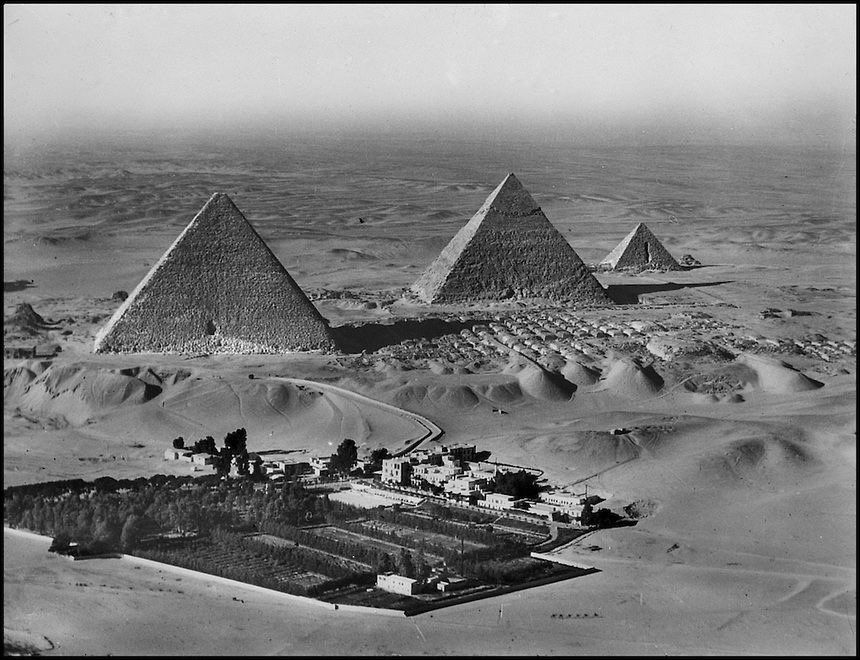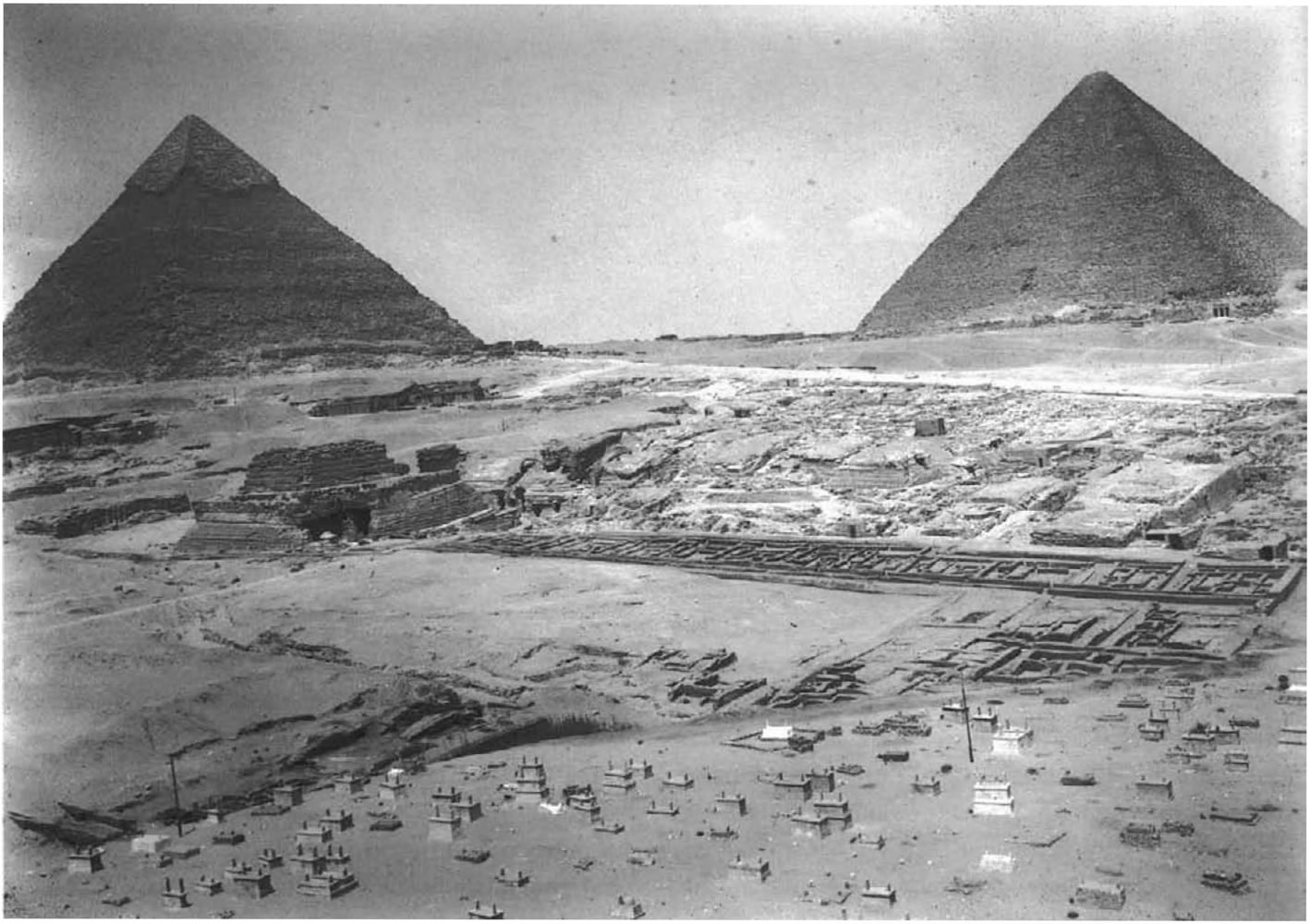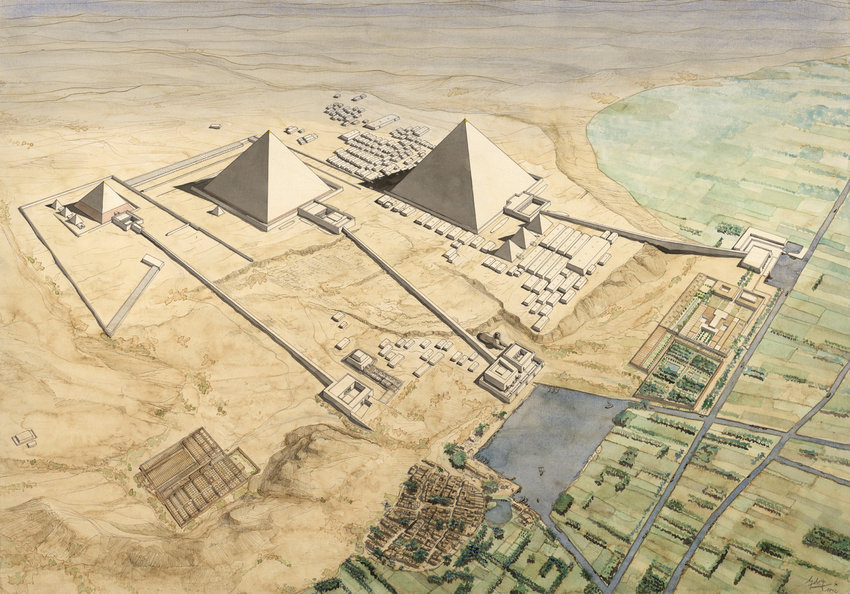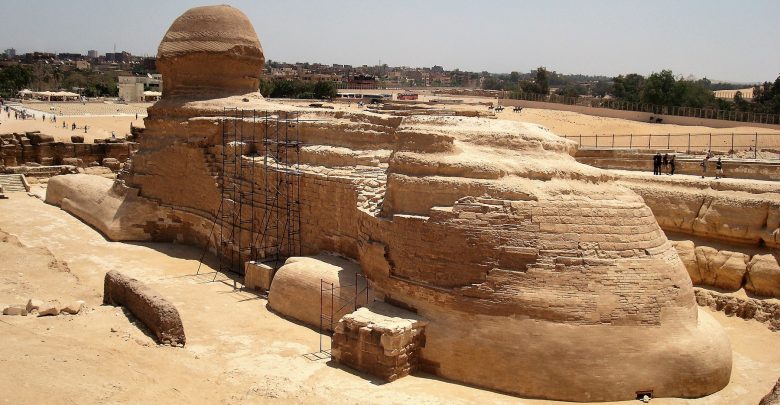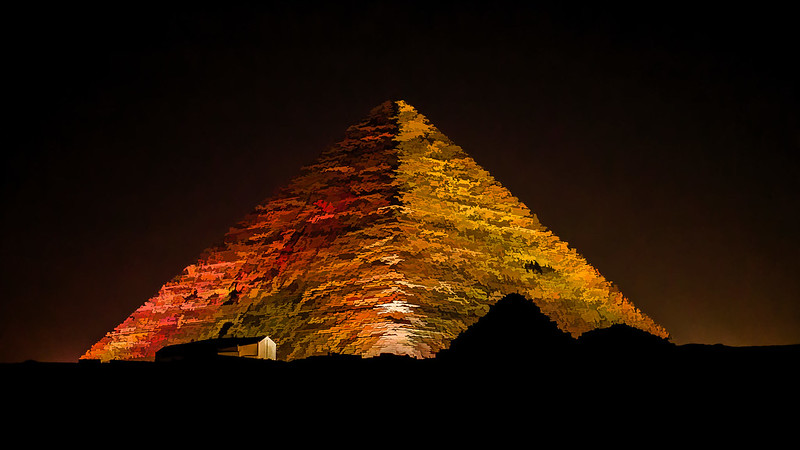
The Great Pyramids of Giza continue to hold profound secrets, with modern technology now piercing the ancient stone to reveal previously unknown structures. The world’s attention is fixed on Egypt as renowned Egyptologist Zahi Hawass has promised the culmination of a major research project in 2026 with the unveiling of a “new archaeological discovery.” Speaking at the 44th Sharjah International Book Fair, Hawass declared that this finding “will write a new chapter in the history of the pharaohs.”
The immediate source of this excitement is the Great Pyramid of Khufu (Cheops). Scanning technologies have uncovered a previously unknown 30-meter corridor inside the monument. Hawass specified that the detection of this passage was made possible through the combined efforts of thermal imaging, 3-D mapping, and advanced muon-radiography. This non-invasive, data-driven approach allowed the international team to pinpoint the corridor’s location. Robots were subsequently used to reach and clean previously inaccessible openings. While the contents of the corridor remain undisclosed, the opening is promised to occur in time for the 2026 announcement, guiding additional data collection in the interim.
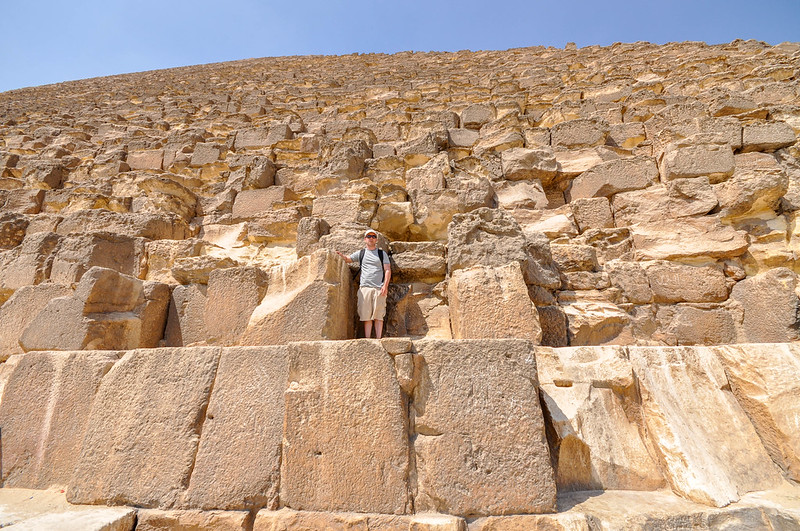
Hawass was careful to frame this high-tech exploration within the context of established history, firmly rejecting “fringe theories.” He explained the methodology of the Old Kingdom engineers, detailing how the colossal monument was constructed using ramp systems and quarry logistics. He stressed that the work relied on human ingenuity and labor, asserting: “No extraterrestrial beings or supernatural forces were involved.”
The same data-driven approach that revealed the corridor is continuously guiding work inside Khufu’s pyramid, utilizing evidence from quarries, workers’ villages, and logistics records to describe how crews transported and placed limestone and granite blocks without modern machinery. Hawass confirmed that the international team will release their findings only after exhaustive analysis and will issue a full scientific report prior to the 2026 public unveiling. This meticulous process is set against a renewed global interest in Egyptian antiquities, further spurred by the recent opening of the Grand Egyptian Museum (GEM), which proudly displays over 5,000 objects from Tutankhamun’s tomb.
The session in Sharjah was also used by Hawass to reiterate his ongoing campaign for the repatriation of significant Egyptian artifacts held abroad, including the Bust of Nefertiti, the Rosetta Stone, and the Celestial Sphere. Hawass characterized their return as “A historical and civilizational right that must be restored.”
New Voids Hint at Hidden Entrance in Menkaure Pyramid
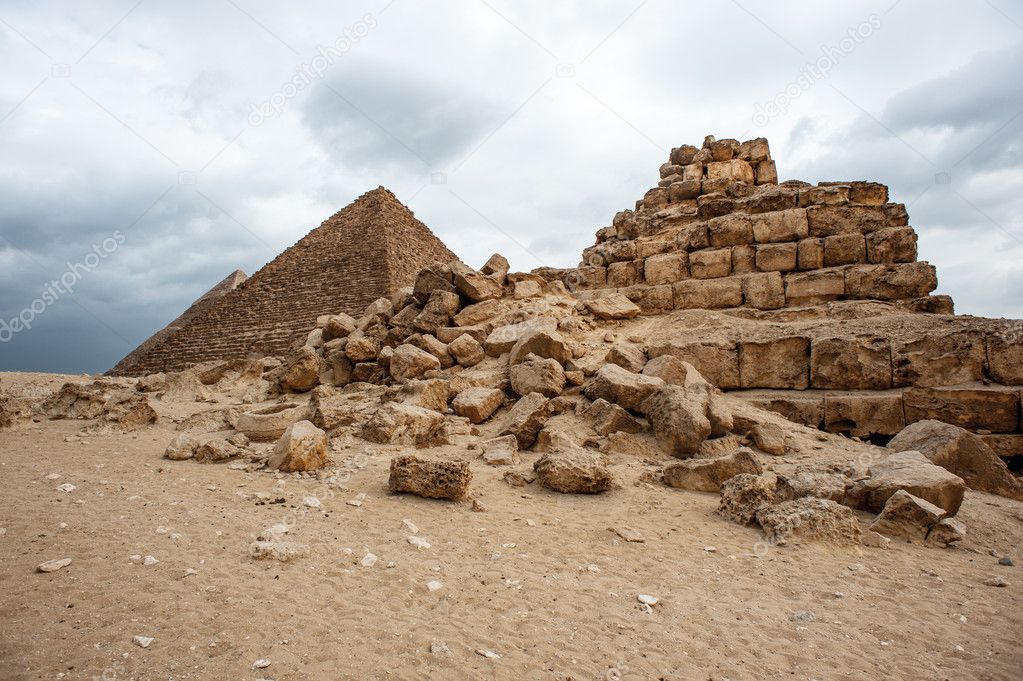
The use of remote sensing technology is simultaneously yielding new insights into the Pyramid of Menkaure (circa 2490 to 2472 B.C.). The smallest of the three major Giza pyramids, Menkaure’s main entrance is situated on its northern face. However, the eastern side features a puzzling area of remarkably polished blocks measuring approximately 13 feet (4 m) high and 20 feet (6 m) wide. This polished surface is an anomaly, as researchers noted that “Such smooth stones are otherwise only found at what is currently the only entrance to the pyramid, on the north side.”
The curiosity surrounding this polished section led to a hypothesis by independent scholar Stijn van den Hoven in 2019 that a second entrance might be concealed behind the stones. A team from Cairo University and the Technical University of Munich, working under the Scan Pyramids project, decided to test this theory. Over three years, they conducted non-invasive investigations, including:
- Electrical resistivity testing: (measuring resistance to electrical currents)
- Ground-penetrating radar: (GPR, using radio waves)
- Ultrasonic testing: (using sound waves)
The combined data from these three methods provided a clearer picture of the interior structure, successfully detecting two voids located close together behind the eastern face. One void was situated about 4.6 feet (1.4 m) behind the face, and the other was about 3.7 feet (1.13 m) behind it.
While the discovery supports the possibility of a hidden second entrance, the researchers, writing in the October issue of the journal NDT & E International, emphasized that more tests are required to gather conclusive data on the anomalies. Peter Der Manuelian, an Egyptology professor at Harvard University not involved in the research, commented on the findings: “this is a very interesting discovery, and shows we still have more to learn about the Pyramids at Giza.” He noted that, historically, Old Kingdom pyramid entrances (circa 2649 to 2150 B.C.) were generally located on the northern face, adding that “Further exploration will hopefully tell us more about the significance of these voids, whether they are a construction anomaly, part of a second entrance, or something else.” The Scan Pyramids project, responsible for this research, is also the group that found two areas with voids in the Great Pyramid of Khufu.
Satellite Radar Reveals Deep Mega-Structures Beneath Khafre
Another scientific team involved in the Giza exploration has employed an innovative technique using satellite data to probe deep within and below the Pyramid of Khafre (Chephren). The research, spearheaded by electrical engineer Dr. Filippo Biagi, built upon methods originally developed to study the resonance frequencies of collapsing bridges, such as the Morandi bridge in Genoa in 2018.
Dr. Biagi and his colleagues adapted Synthetic Aperture Radar (SAR) satellite imagery to extrapolate vibrations in structures. SAR images, which are typically two-dimensional and superficial, are transformed into videos where slight motions—even those caused by the Earth’s natural seismic waves, wind, or human activity—result in Doppler frequency shifts in the radar signal. This allows the researchers to effectively use the Earth’s crust and the pyramid’s material as an “acoustic telecommunication channel” to perform tomographic analysis of what lies inside and underneath.
This vibration-based scanning has led to significant and controversial findings regarding the Khafre Pyramid. The team, which included Dr. Armando May as the former team leader, claimed in a 2022 peer-reviewed article in the journal Remote Sensing MDPI to have discovered multiple structures. They found five structures inside Khafre that they believe are similar to chambers found in Khufu. More spectacularly, they claim to have detected:
- Enormous pillars: extending from the base of the pyramid downward.
- Huge chambers and structures: underneath the pyramid, reaching depths of approximately 1.2 kilometers.
* These subterranean structures have the approximate shape of a cube of 80 meters in dimension.
Dr. Biagi explained that the depth measurement is calculated based on the acoustic delay (in seconds) of the vibration waves, which is then translated into distance by applying an approximation of the material velocity (e.g., limestone mixed with soil). The depth measurements are validated using the known height of the pyramid as a reference for comparison.
Dr. May added a layer of theoretical interpretation, noting that applying basic arithmetical models, specifically prime factorization, to the dimensions of the Khafre pyramid yields the number 137. This number is highly significant in physics, connecting to quantum physics, electromagnetism, and relativity. May interprets this as a deliberate code, suggesting an in-depth connection between the Giza plateau and the Egyptian deity Thoth, the god of knowledge. He hypothesized that the discovered chambers in Khafre could be connected to the mythical "Halls of Records," believed to contain the preserved knowledge of a previous lost civilization. The confluence of these deep scanning techniques and the official Scan Pyramids project guarantees that the Giza Plateau will remain the subject of intense scientific scrutiny for years to come, with the promised 2026 reveal acting as a major milestone.