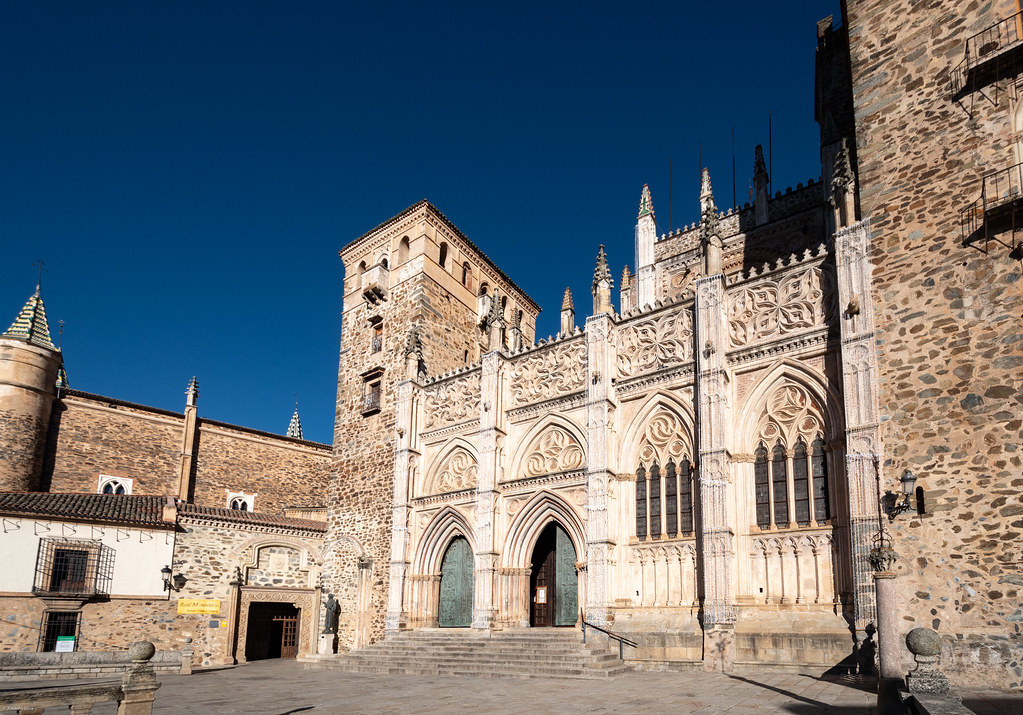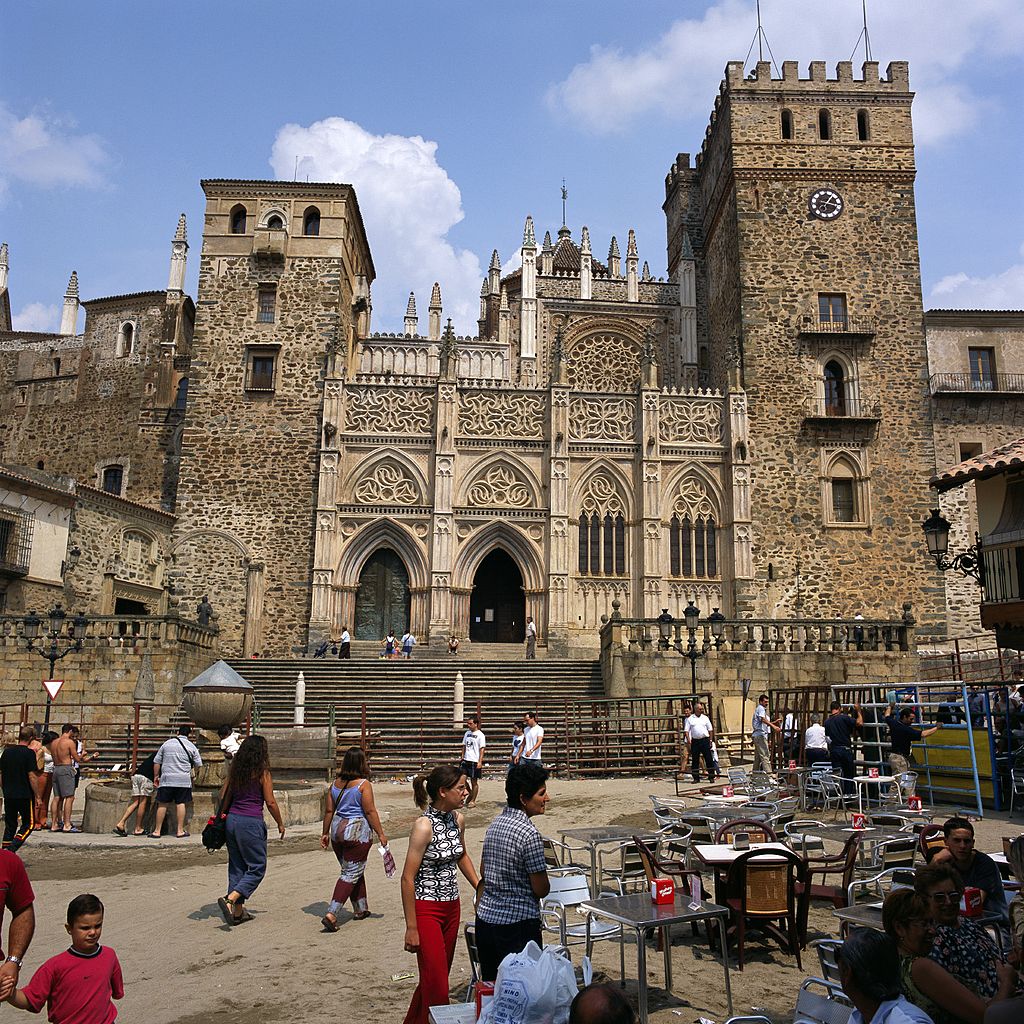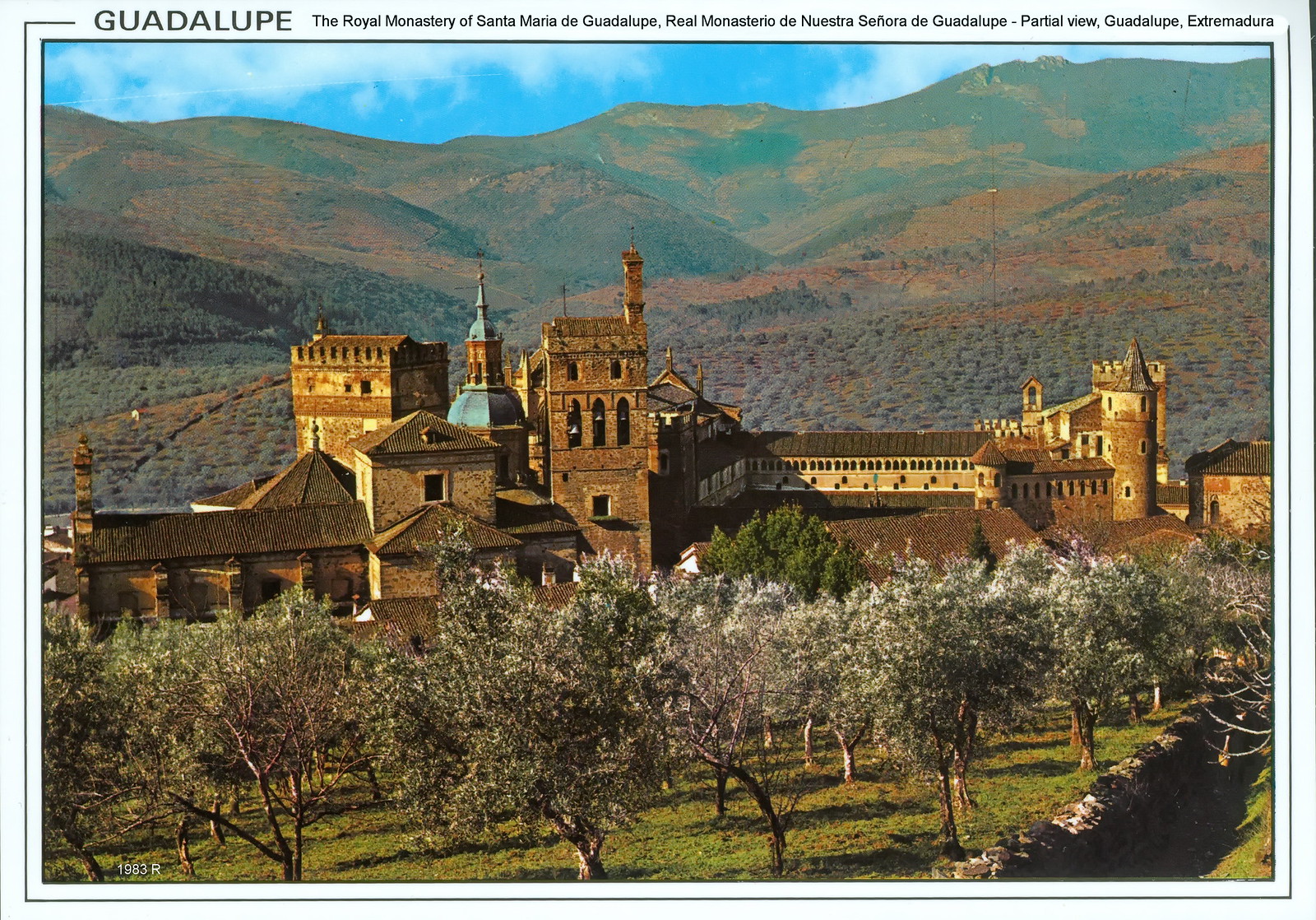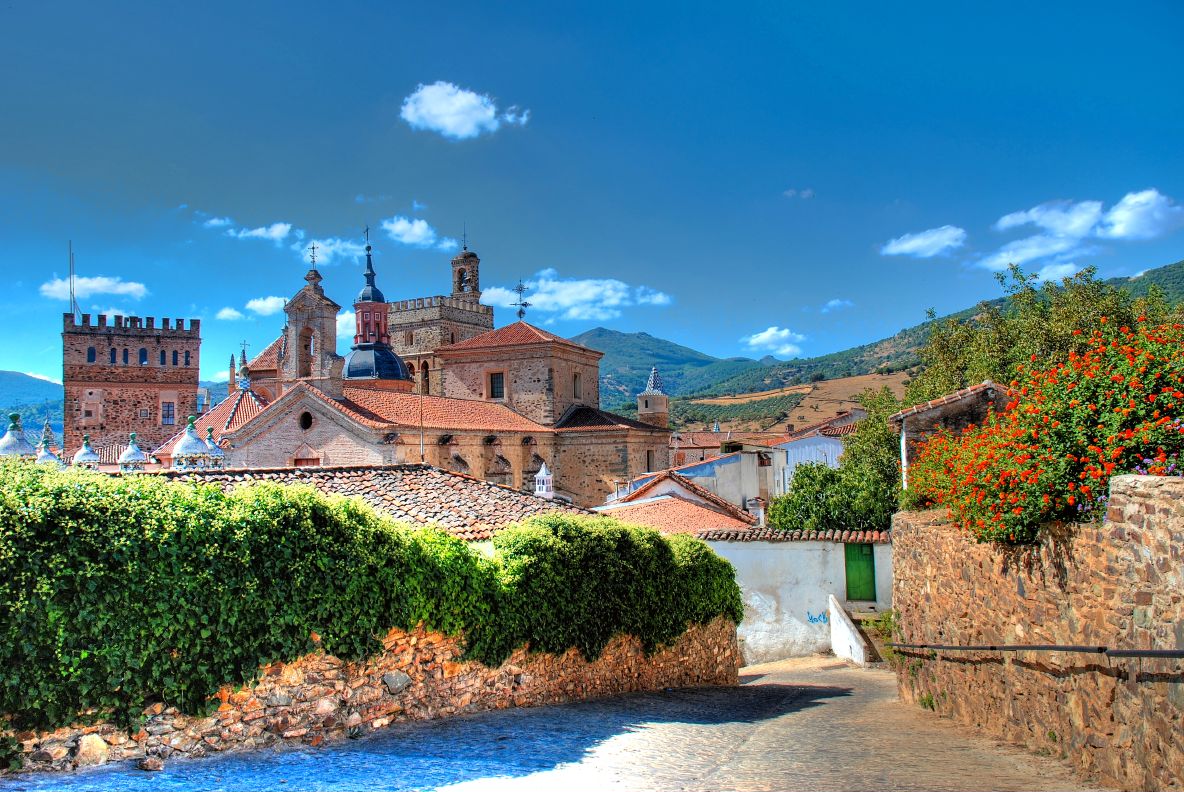
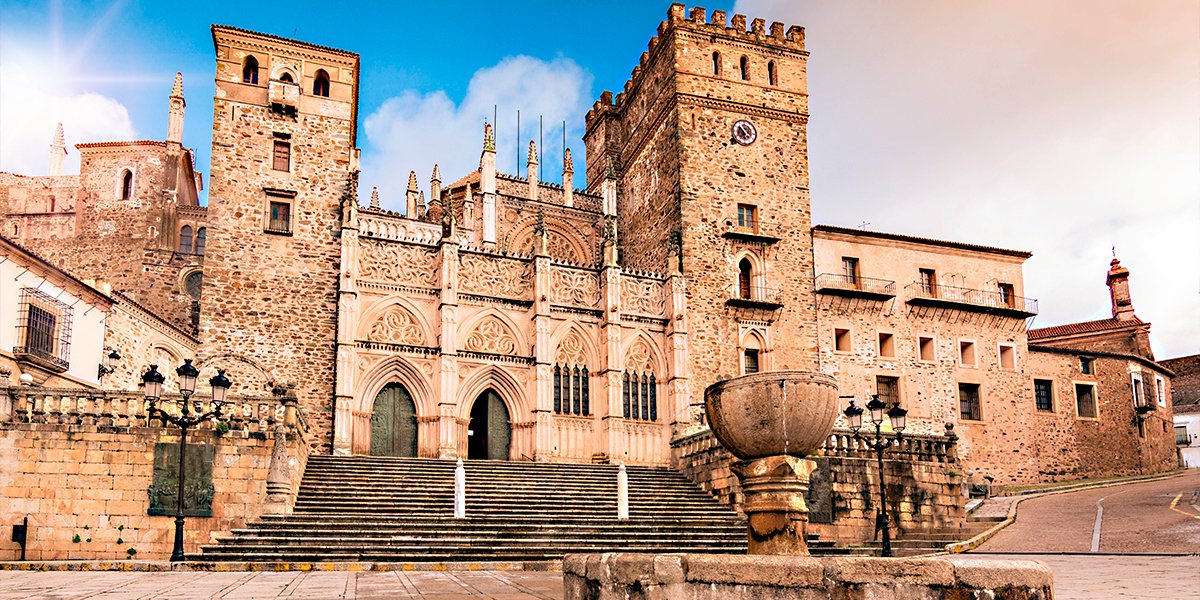
The Royal Monastery of Santa María de Guadalupe, nestled in the heart of Extremadura, Spain, is more than just a religious building; it is a profound historical and artistic testament to the Spanish Golden Age and the Age of Exploration. Designated a UNESCO World Heritage site, this monumental complex stands as a unique blend of Gothic, Mudejar, Renaissance, and Baroque architectural styles, each stone narrating a chapter of Spain's epic past.
The Genesis of a Shrine
The monastery’s history is inextricably linked to the discovery of a wooden statue of the Virgin Mary, said to have been carved by St. Luke and hidden during the Moorish invasion in the 8th century. Its rediscovery in the late 13th or early 14th century, accompanied by the appearance of the Virgin, quickly established the site as one of the most important Marian shrines in the Iberian Peninsula. The construction of the current monastery began in the 14th century under the patronage of King Alfonso XI of Castile.
The site became a royal sanctuary, deeply favored by the monarchs of Castile. It was here that King Ferdinand II of Aragon and Queen Isabella I of Castile—the Catholic Monarchs—met with Christopher Columbus in 1486 and 1492, pivotal moments that cemented the monastery's place in world history. The statue of the Virgin of Guadalupe would become a spiritual symbol carried by the conquistadors and missionaries to the New World, leading to the establishment of the Mexican Guadalupe shrine and disseminating the Virgin's devotion across the Americas.
Architectural Harmony: Gothic and Mudéjar
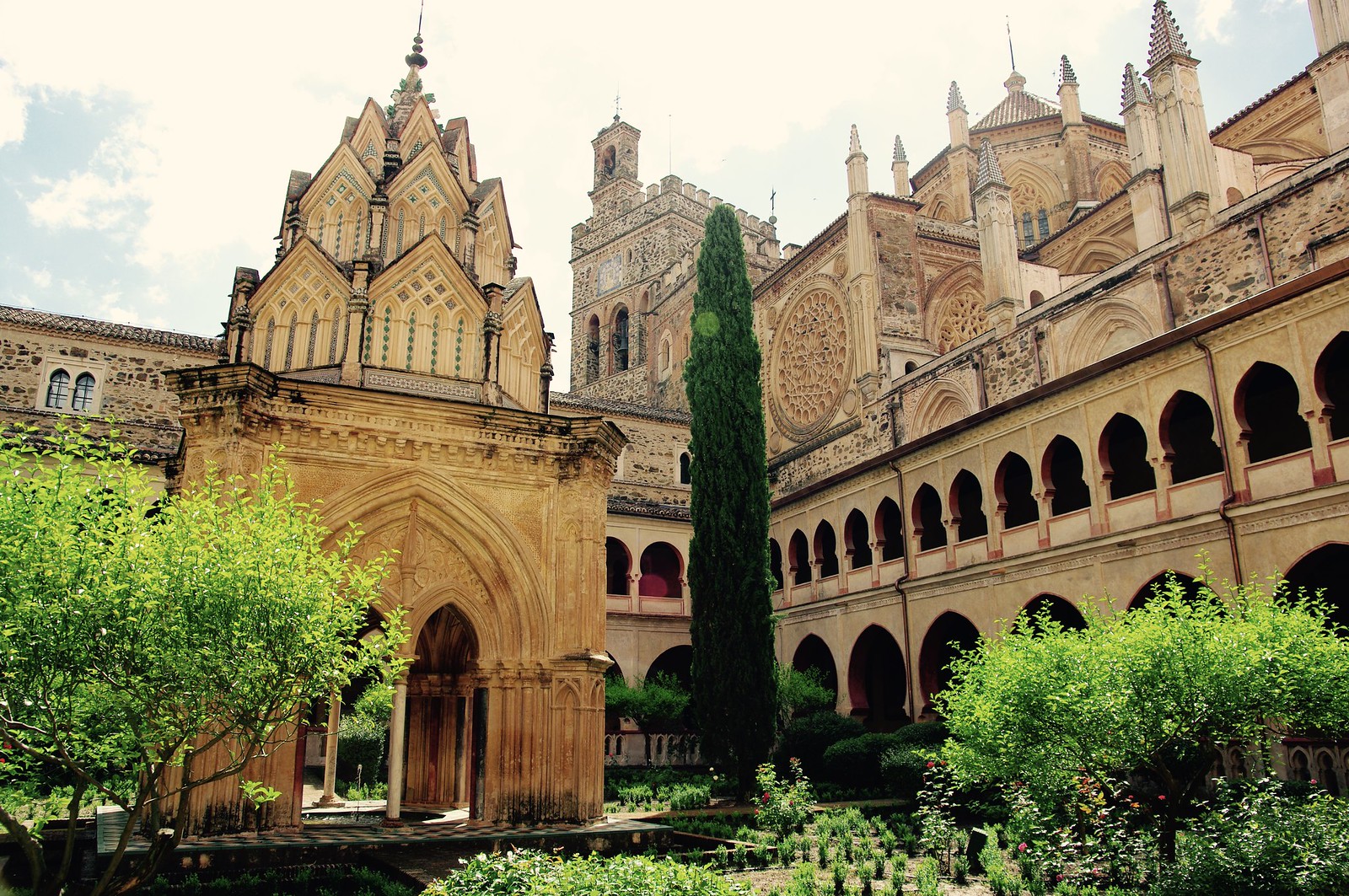
What truly sets the Royal Monastery apart is its magnificent architectural synthesis, particularly the seamless integration of Christian Gothic and Islamic Mudéjar elements. The Mudéjar style, a unique Spanish phenomenon, reflects the coexistence of the three cultures—Christian, Muslim, and Jewish—in medieval Iberia.
The main cloister, or Claustro Mudéjar, completed in the 15th century, is arguably the finest example of this style within the complex. It features two tiers of graceful horseshoe arches and intricate brickwork, topped by a stunning templete (a small chapel) in the center. This artistic dialogue between cultures creates an atmosphere of serenity and historical depth. The Claustro Gótico, in contrast, embodies the soaring, rib-vaulted ambition of European Gothic architecture, serving as a reminder of the evolving power and taste of the Castilian monarchy.
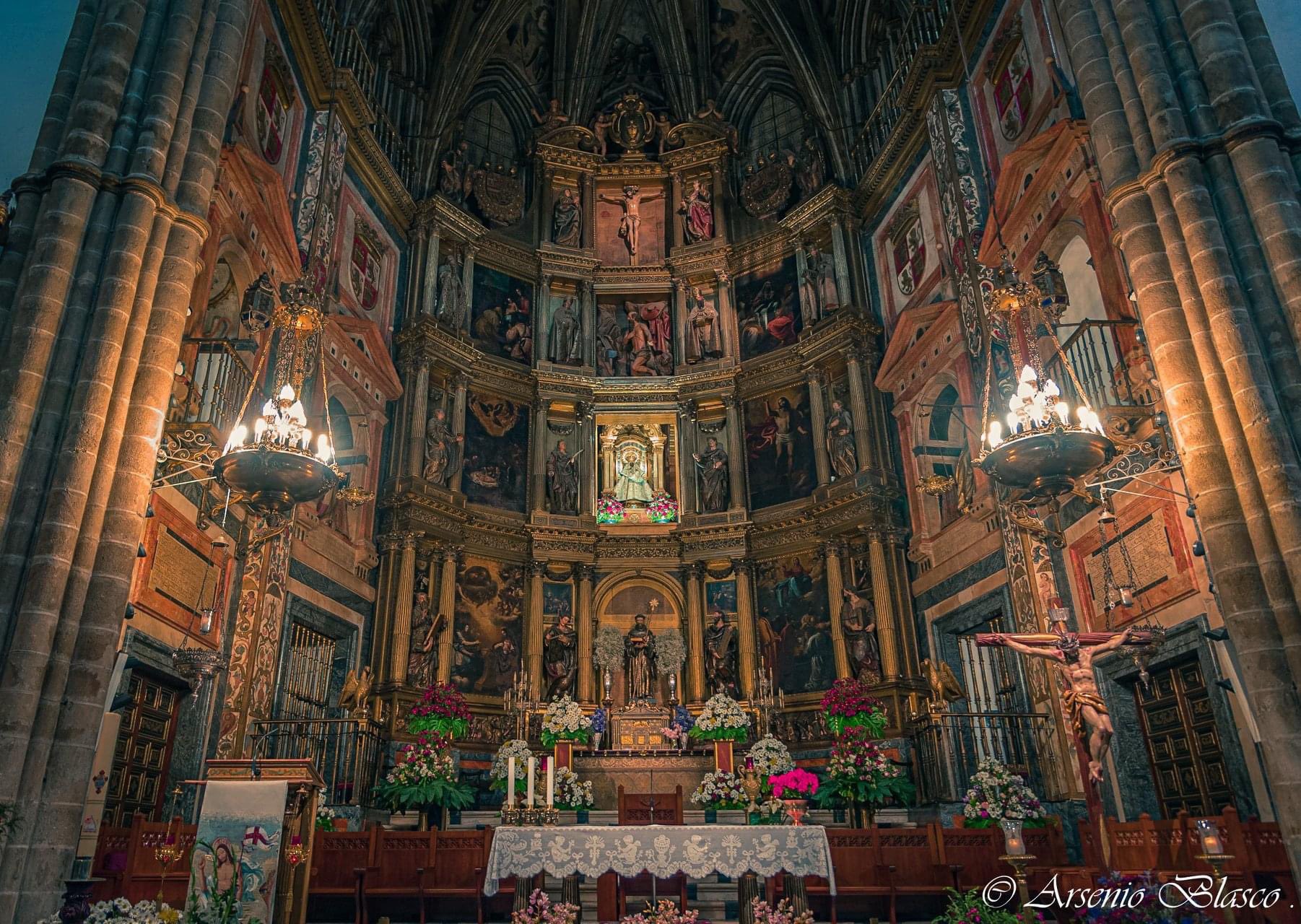
The monastery’s church, or basilica, is a spectacular display of late Gothic architecture. Its interior is richly decorated, housing the revered image of the Virgin of Guadalupe in the Camarín de la Virgen, a breathtakingly ornate Baroque chapel added later. The Camarín is a dazzling feast of marble, bronze, and frescoes, designed to elevate the status of the sacred image to an apotheosis of divine majesty.
Treasures of the Sacristy and Museum
Beyond its structural magnificence, the monastery is an unparalleled repository of art. The sacristy, designed in the late Baroque style, houses a remarkable series of eight paintings by the great Spanish painter Francisco de Zurbarán (1598–1664). Known for their dramatic chiaroscuro and intense piety, these paintings depict scenes from the life of the Hieronymite monks, who managed the monastery for centuries. They represent one of the artist's most significant commissions and offer a rare opportunity to see his work in its original, intended setting.
The museum collections are equally significant, featuring:
- Illuminated Manuscripts: A collection of exquisitely detailed liturgical books produced by the monastery's scriptorium.
- The Embroidery Museum: Displaying richly worked vestments and liturgical textiles, some created using silk from the monastery's own workshops.
- The Museum of Sculptures and Paintings: Holding works by Spanish masters such as Goya and El Greco, alongside historical relics.
A Legacy Across Continents
The influence of the Guadalupe Monastery stretches far beyond the borders of Spain. The statue of the Virgin of Guadalupe was often carried by Spanish explorers. After the conquest, the devotion was merged with local traditions, notably in Mexico where the Virgin of Guadalupe, a manifestation closely associated with the Spanish statue, became the country's Patroness and a powerful symbol of national identity. This transatlantic connection underscores the monastery's role not just in Spanish religious life but in the formation of the colonial and post-colonial identities of Latin America.
Today, the Royal Monastery of Santa María de Guadalupe is a vibrant center for faith and culture, continuing to welcome pilgrims and visitors from around the world. Its massive walls and silent cloisters whisper tales of kings and peasants, architects and artists, all united by a devotion that began centuries ago in the mountains of Extremadura. The complex is a masterpiece of historical preservation, offering a powerful physical link to the complex and intermingled historical forces that shaped the modern world. Its UNESCO recognition confirms its status as an outstanding universal value, a treasure that deserves to be celebrated and explored.