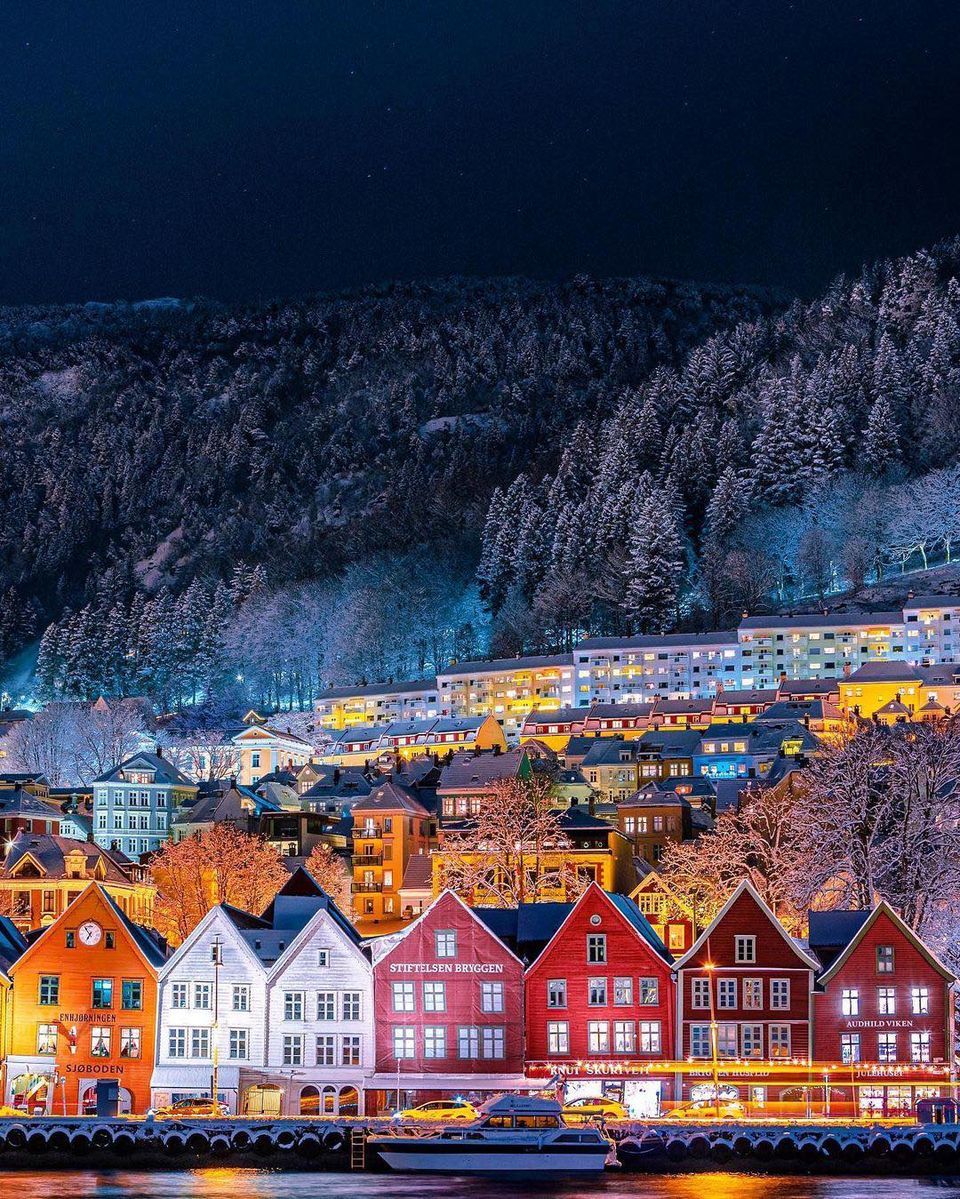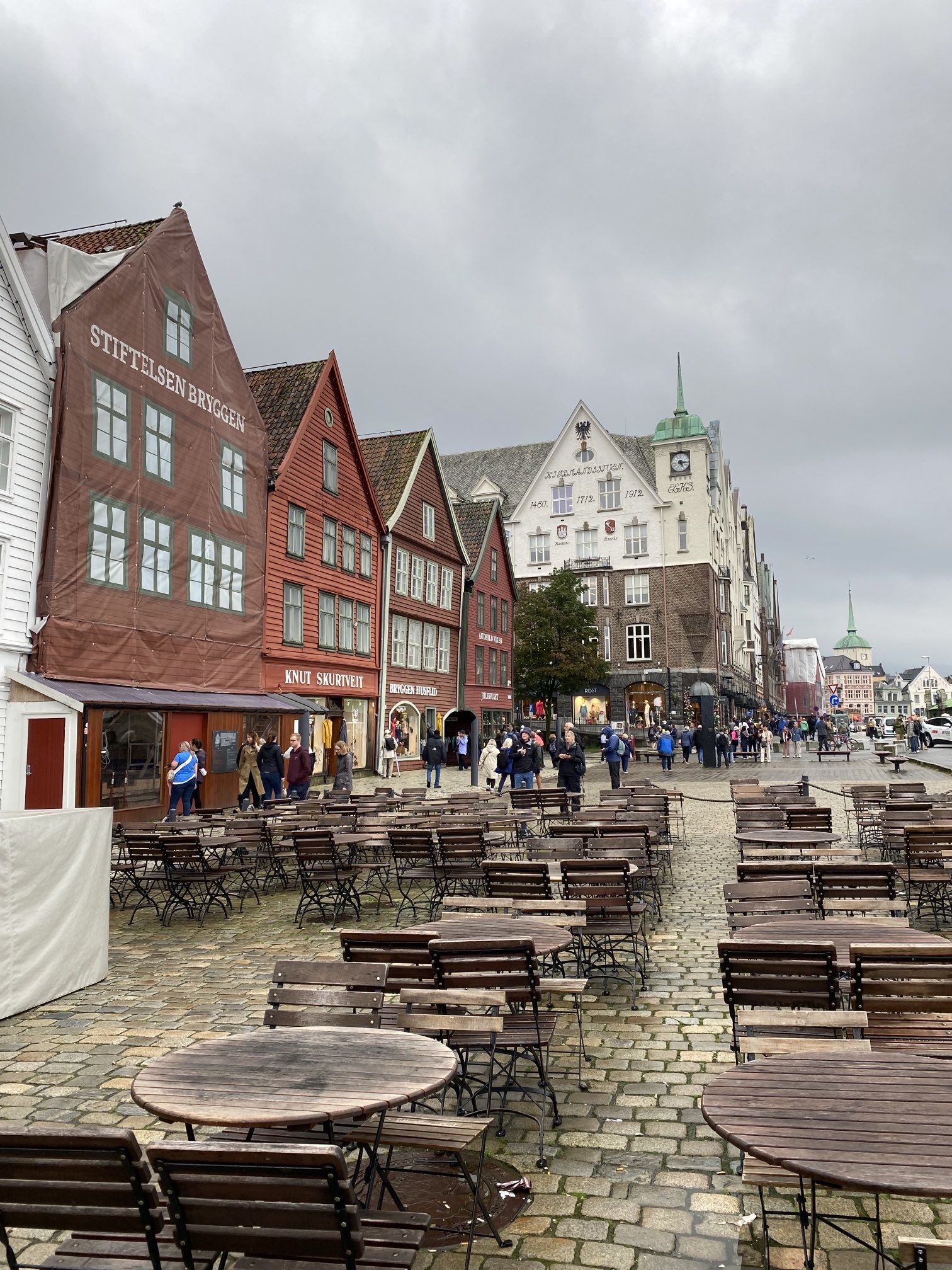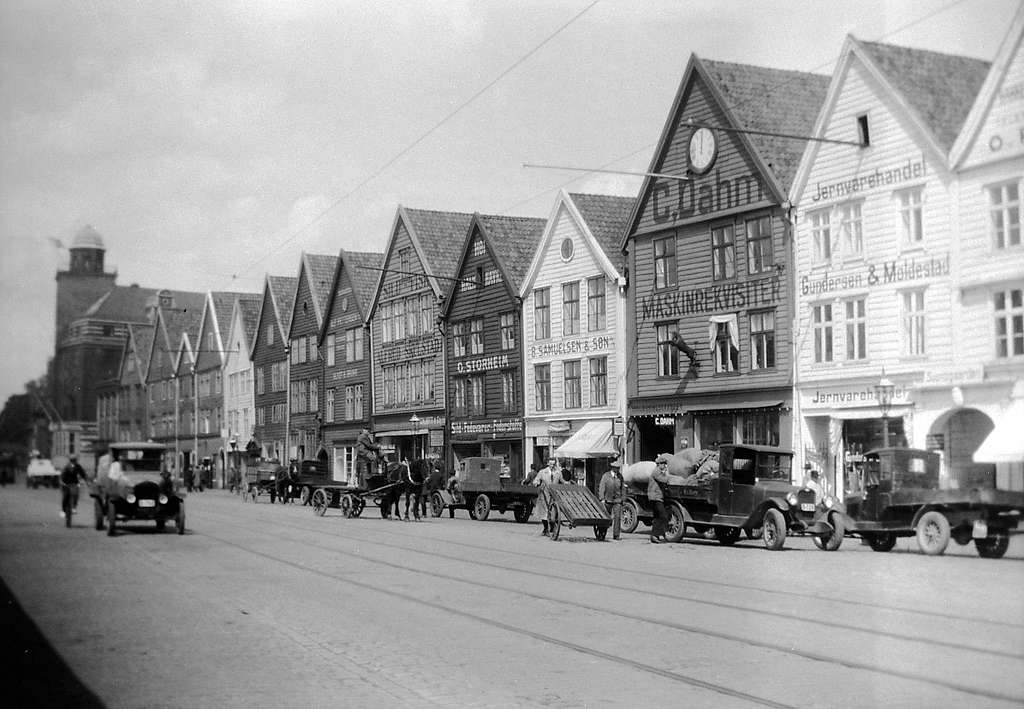
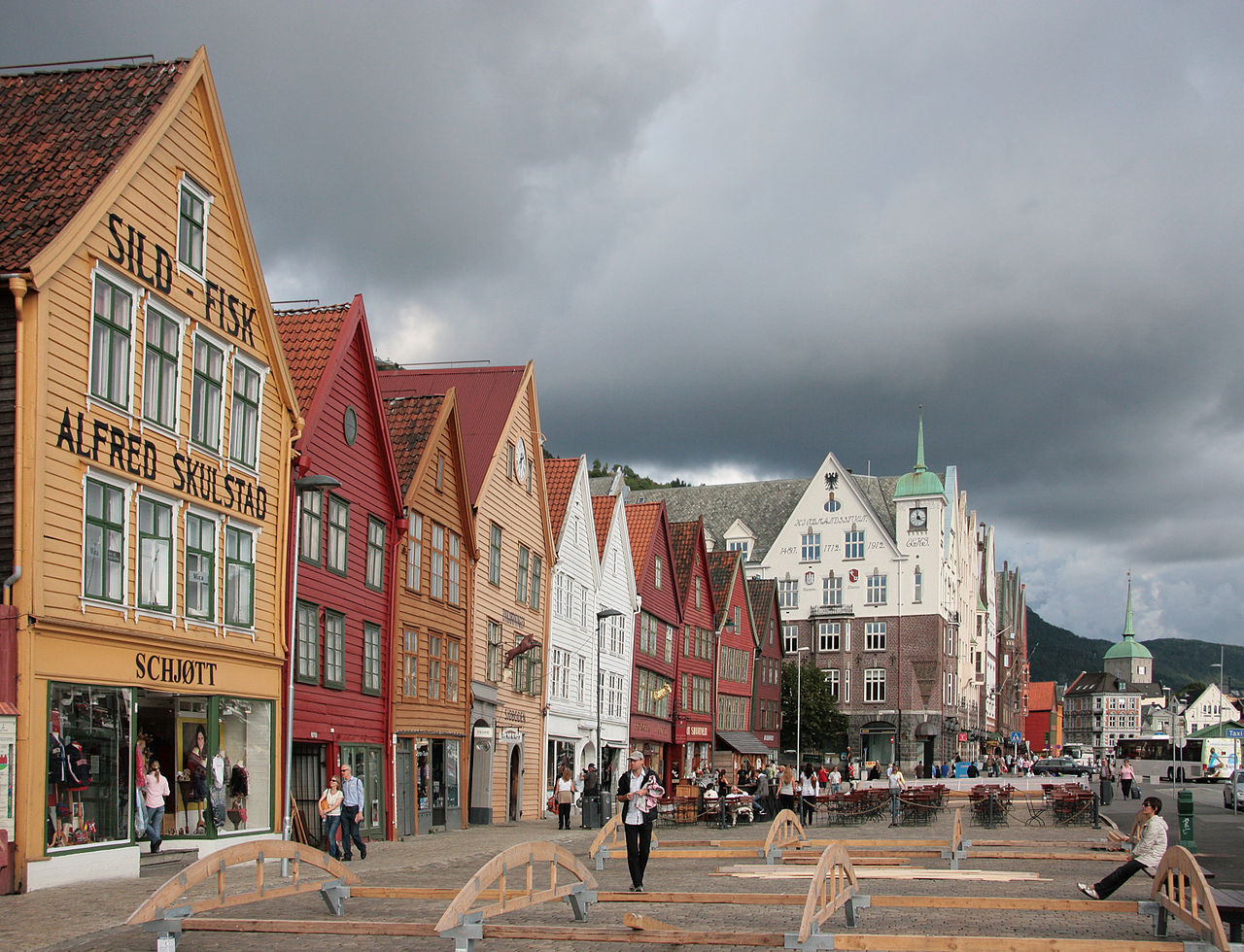
Stepping onto the historic wharf of Bryggen in Bergen, Norway, is like walking onto a medieval film set, though the history unfolding here is entirely real. This iconic row of brightly colored, gabled wooden houses facing the Vågen harbor is arguably Norway's most recognizable urban landscape. Far from being a mere picturesque backdrop, Bryggen is the visceral remnant of Bergen’s identity as a powerhouse of the Hanseatic League and a crucial Northern European trading post for four centuries. Designated a UNESCO World Heritage site, its timber structures and narrow alleyways narrate an enduring story of trade, fire, and resilience.
The Cradle of Bergen's Commercial Might
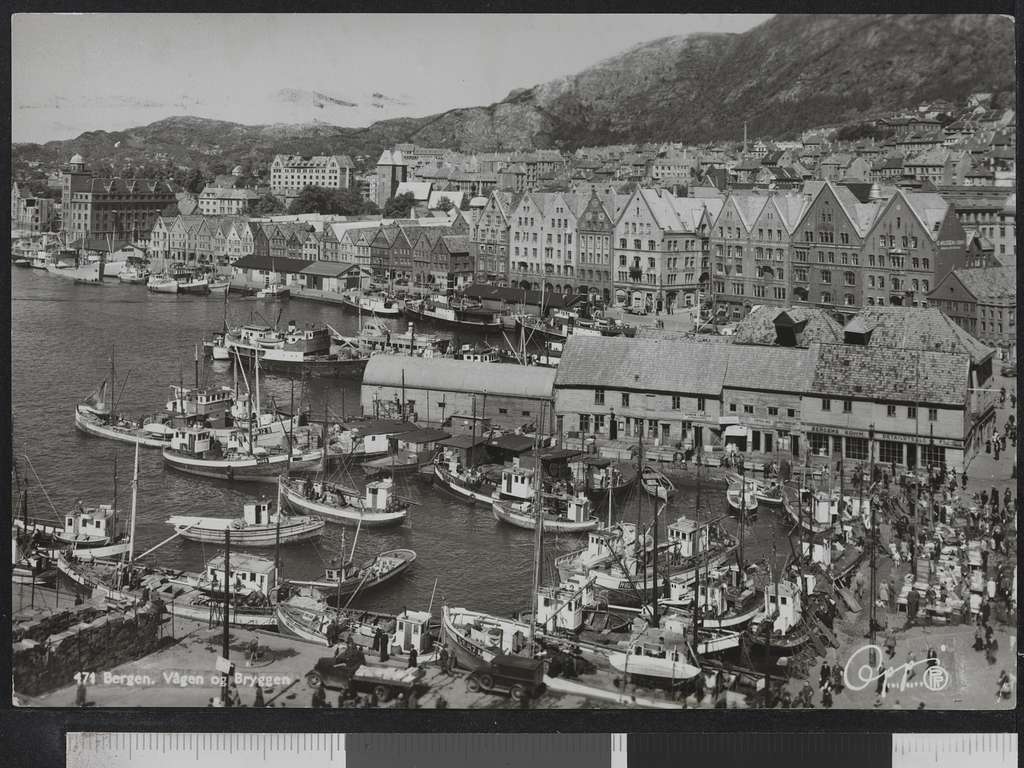
Bergen was established as a major trading centre as early as the 11th century. However, its international significance soared in the mid-14th century when it became one of the four main foreign kontors (trading posts) of the powerful Hanseatic League, a medieval commercial and defensive confederation of merchant guilds and market towns in Northwestern and Central Europe. Bryggen, literally meaning "the wharf," became the nerve center of this operation.
The League effectively gained a monopoly over the vital Norwegian trade, particularly the export of dried cod (tørrfisk) from the Lofoten Islands to the rest of Europe. The Hanseatic merchants, primarily German, established their offices, living quarters, and warehouses right on the wharf. They lived in strict, often isolated communities, adhering to their own laws and customs, and engaging in intense trade that funnelled immense wealth into Bergen. This period saw Bryggen operate less as a Norwegian town center and more as a powerful German enclave, dominating the city’s economic life until the mid-18th century.
Anatomy of a Timber City
The Hanseatic quarter consists of two rows of development. The first row, facing the water, comprised the wharf houses, serving as offices and points of exchange . Behind these lay the larger, multi-storeyed rear houses and long, thin warehouses extending perpendicular to the waterfront. The sheer depth of these plots, which run back from the harbor, reflects the need for large storage spaces to handle tons of dried fish.
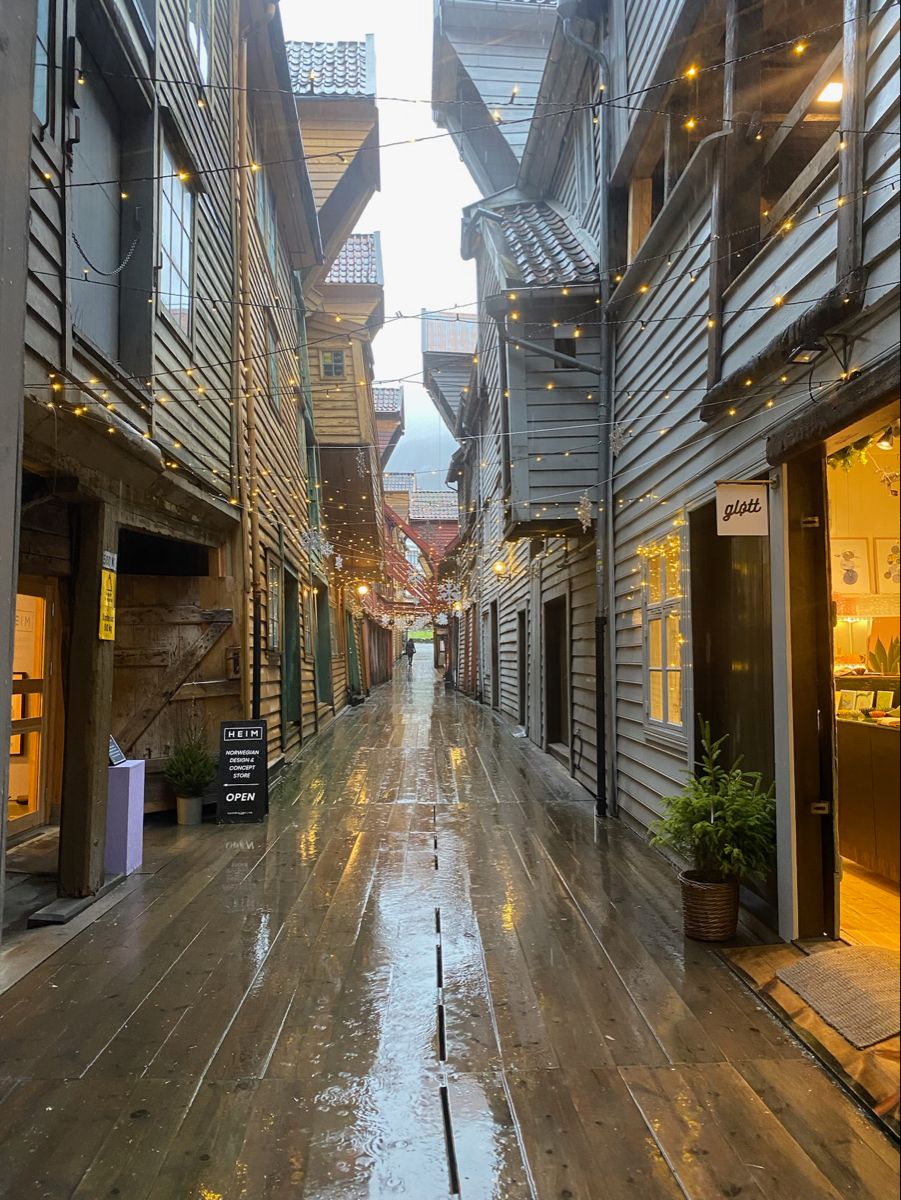
The architecture is characterized by its almost exclusive use of timber, a necessity for rapid rebuilding but also a perpetual fire hazard. The buildings stand side-by-side, sharing a common roof structure, separated only by narrow, dark wooden passages known as skot. These passages often contain exterior wooden staircases, contributing to the maze-like, medieval feel of the district.
The main facade of Bryggen, painted in vibrant shades of red, yellow, and white, is instantly recognizable. However, these exterior structures often conceal older, darker timber frameworks within the courtyards, giving visitors a glimpse into the original functional architecture designed for cold storage and commercial efficiency rather than picturesque aesthetics.
A History Written in Ash and Timber
Bryggen’s timber construction made it chronically vulnerable to fire. Throughout its history, the district has been ravaged by major conflagrations, notably in 1198, 1248, 1476, and 1702. The fire of 1702 was particularly devastating, virtually wiping out the entire structure. The subsequent reconstruction followed the medieval blueprint, adhering strictly to the original property lines and building heights. This unwavering commitment to rebuilding in the historic manner is a primary reason for its UNESCO designation. The area that stands today, primarily dating from after 1702, therefore accurately reflects the architectural scale and layout of its 14th-century Hanseatic peak.
The fires, paradoxically, ensured the continuity of the site’s historical character. While the materials were renewed, the ground plan remained constant, a perfect example of a living, evolving historical artifact. The foundations of the oldest buildings, some dating back to the 12th century, still rest on timber piles driven into the seabed, a feature that contributes to the slight, charming leaning of some of the current buildings.
From Monopoly to Modernity
The Hanseatic grip on Bergen’s trade began to weaken in the 16th century with the rise of new European trading powers and the eventual centralization of the Danish-Norwegian monarchy. By 1754, the Hanseatic Kontor was officially closed, and the properties were gradually transferred to Norwegian merchants.
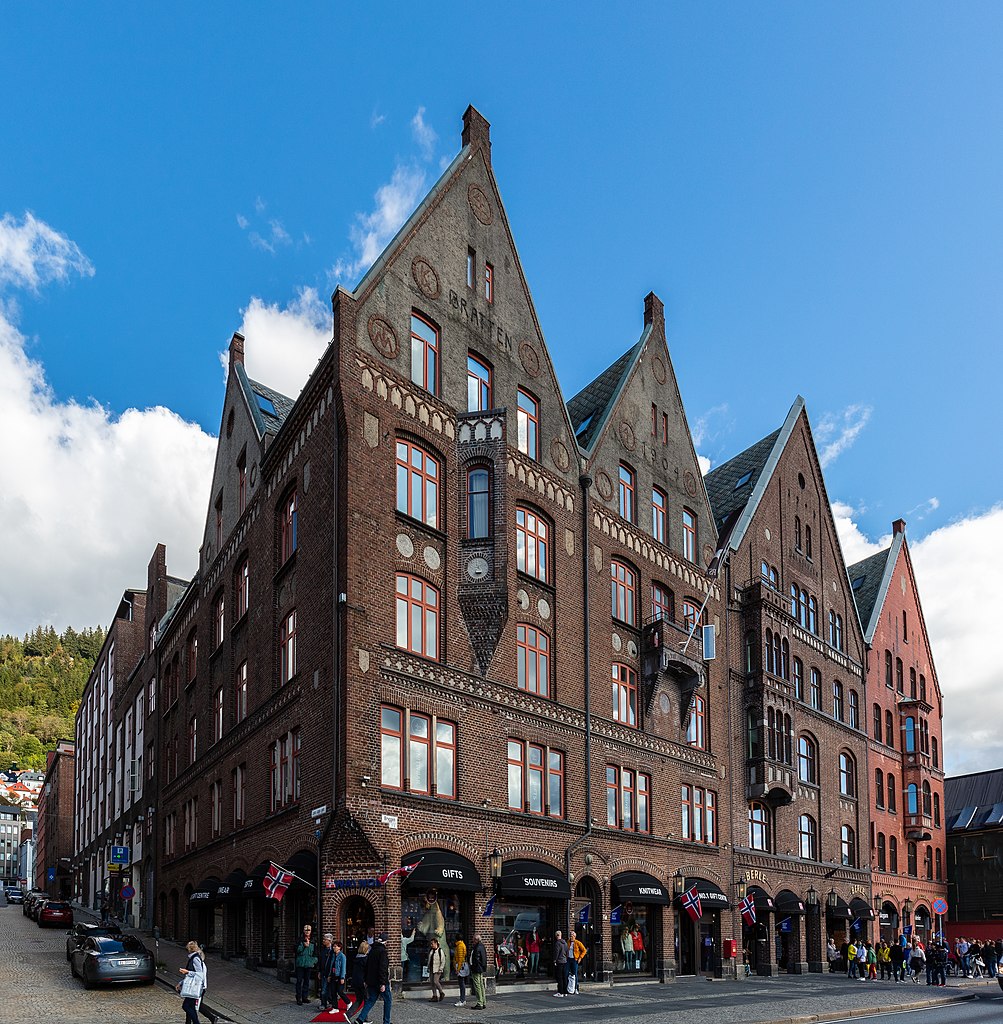
The final major fire struck in 1955, destroying the northern part of the wharf. This event spurred decades of archaeological investigation, led by Asbjørn Herteig, before reconstruction began. These excavations revealed the deep cultural layers of Bergen, unearthing artifacts dating back to the earliest settlements. The subsequent reconstruction was a painstaking process, ensuring that the new buildings, completed in 1980, maintained the architectural integrity and historic appearance of the lost structures.
Today, Bryggen is no longer a center for dried fish trade, but it remains Bergen's commercial and cultural heart. The warehouses and offices have been converted into:
- Boutiques and Artisan Shops: Selling traditional Norwegian crafts and goods.
- Restaurants and Cafés: Offering local cuisine, including the fresh seafood the city is famous for.
- Museums: Notably the Hanseatic Museum and the Schøtstuene, which provide immersive views into the daily life of the Hanseatic merchants.
The Enduring UNESCO Value
Bryggen was inscribed on the UNESCO World Heritage list in 1979, recognized as an outstanding example of a medieval urban structure built primarily in wood. The citation emphasizes:
- The Cultural Continuity: Despite the fires, the traditional way of rebuilding and the adherence to the historic urban layout have been maintained for centuries.
- Architectural Uniqueness: The specific timber construction methods and the typology of the structures—the deep plots, the gabled façades, and the narrow skot passages—are highly characteristic of the Hanseatic period.
- Historical Significance: It stands as a profound testament to the organizational system of the Hanseatic Kontors, which profoundly influenced trade and urban development across Northern Europe.
Visiting Bryggen today is an experiential journey through time. The distinct smell of old timber and tar in the skot passages, the uneven plank floors, and the low ceilings transport visitors back to the era when the wharf dictated the pulse of Norway's economy. Bryggen is a beautiful and unique monument to the power of medieval commerce and a resilient survivor of fire, standing proudly as a cornerstone of Norwegian cultural heritage.