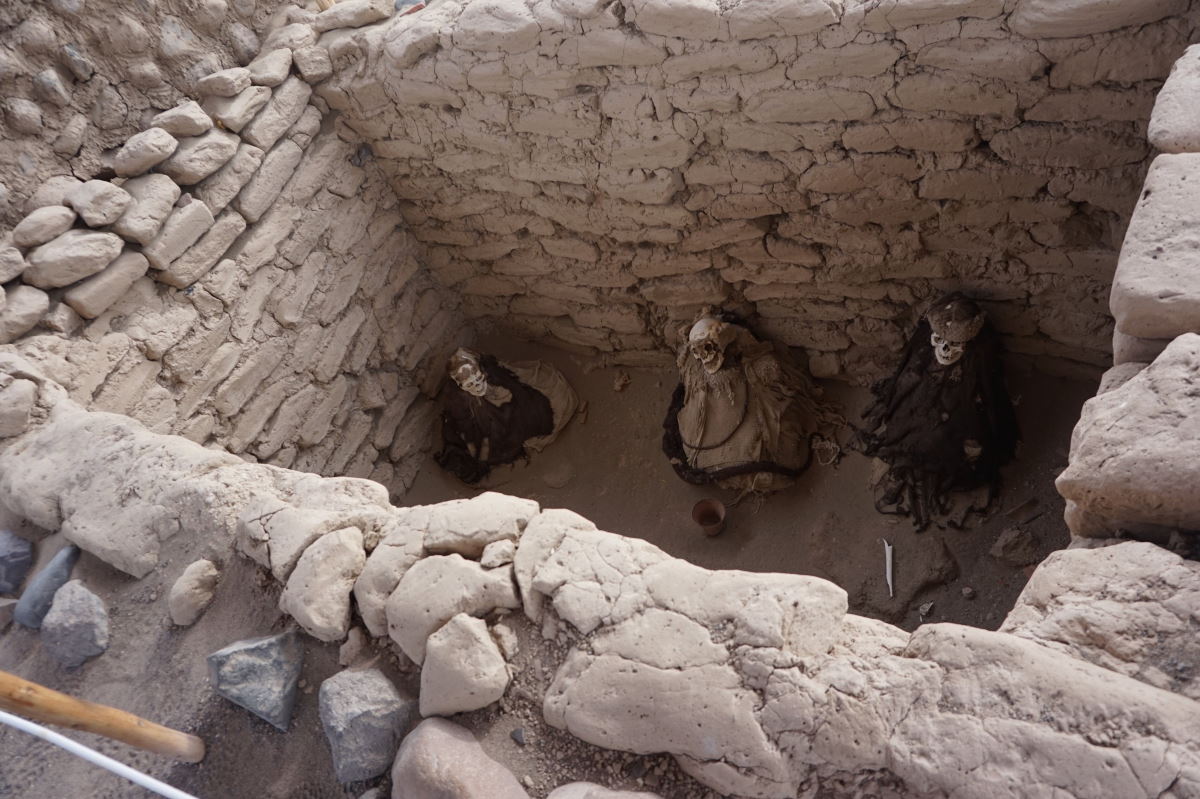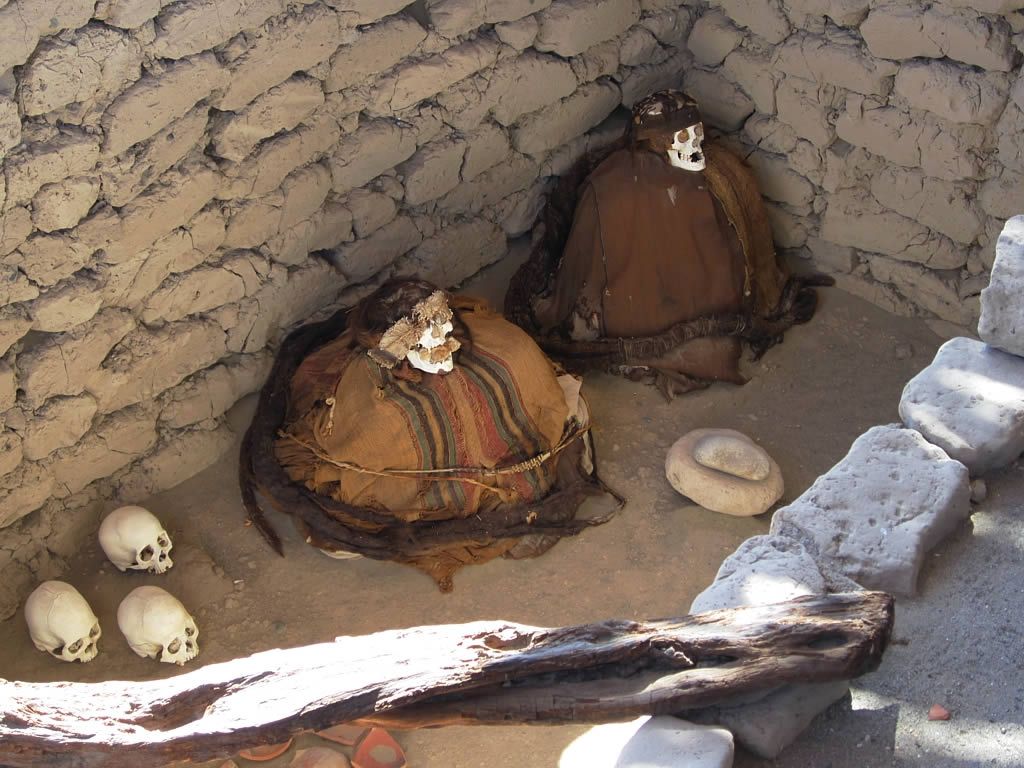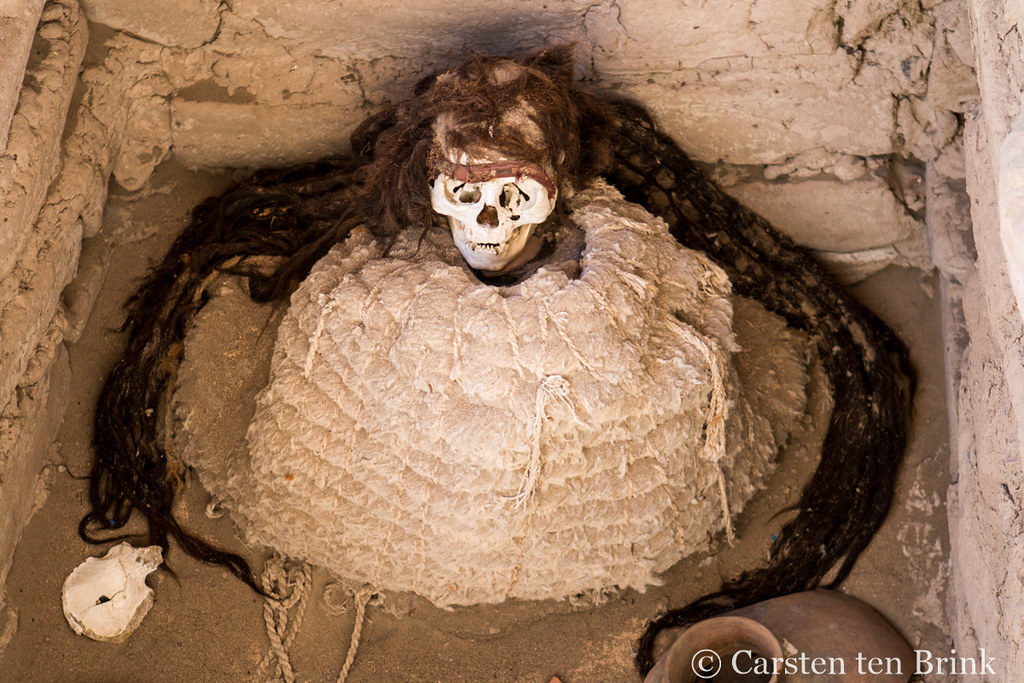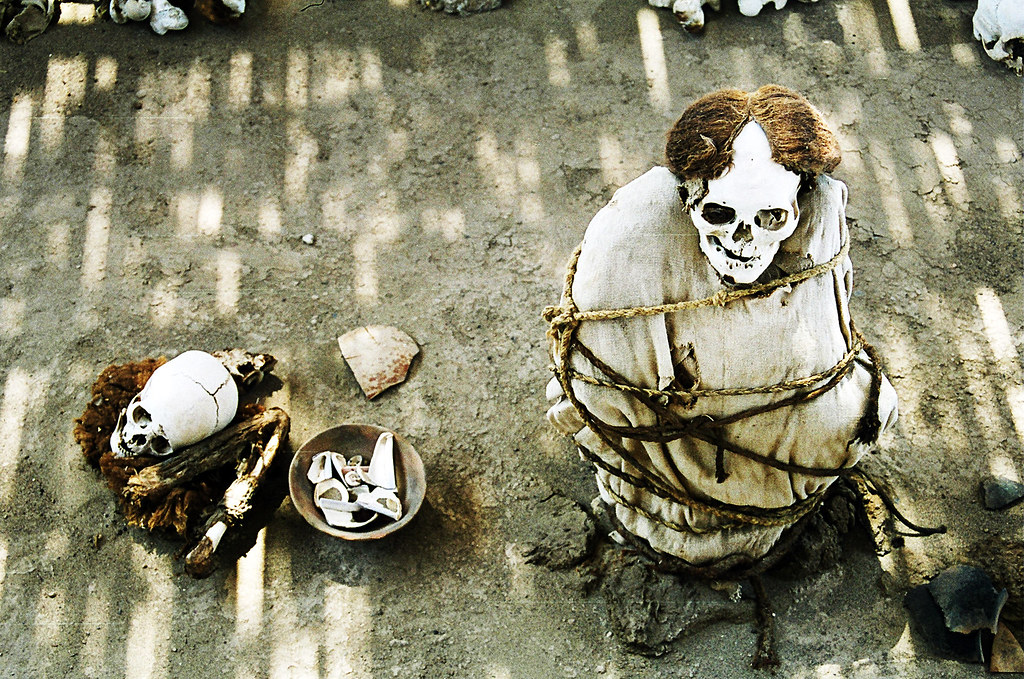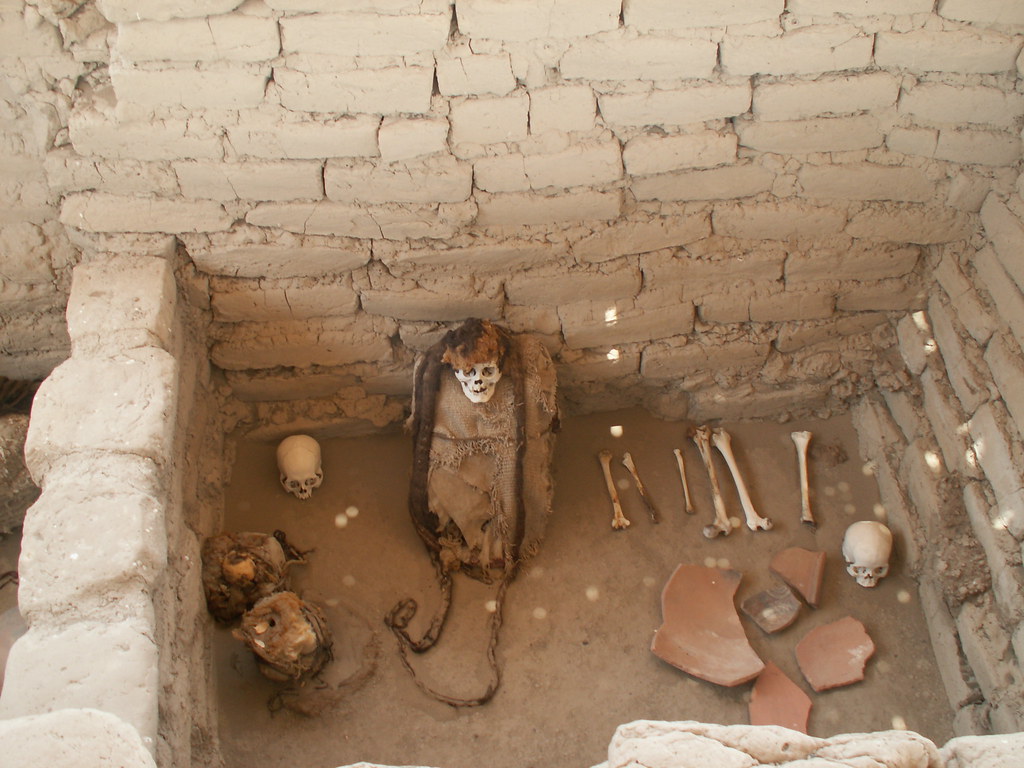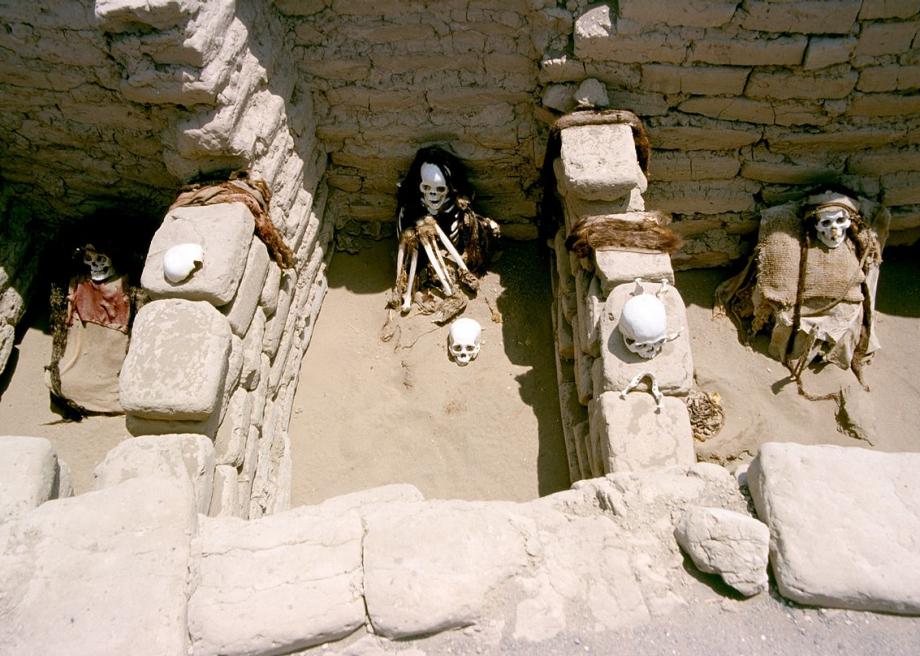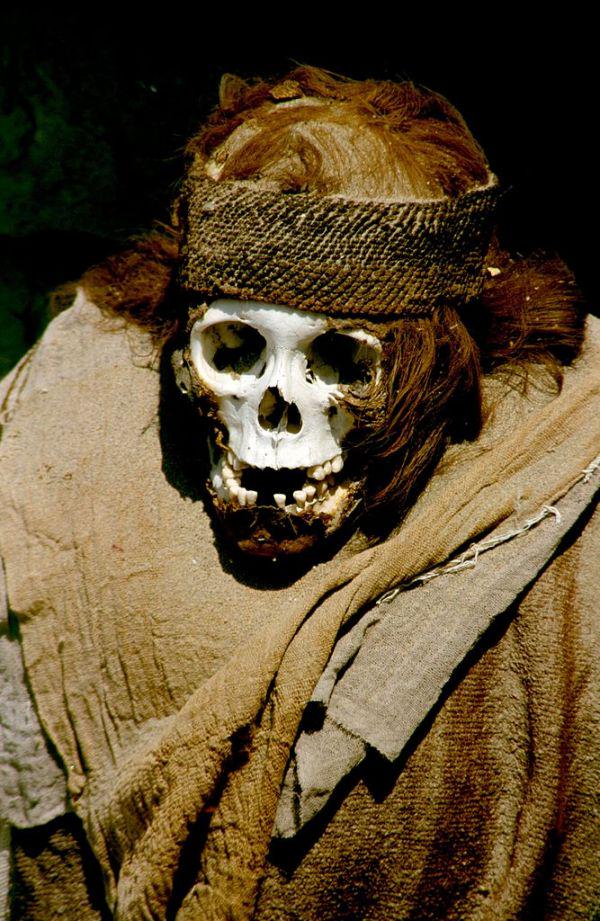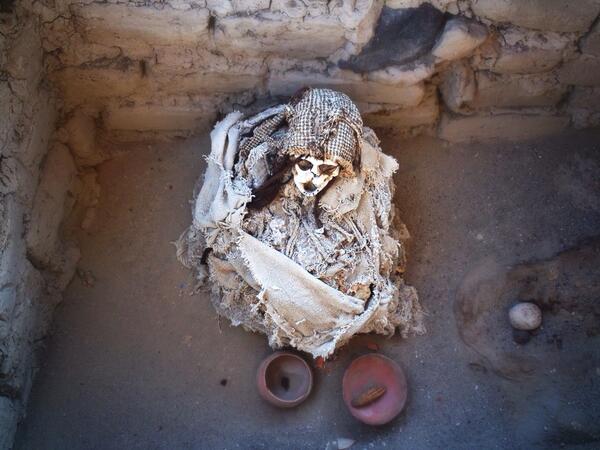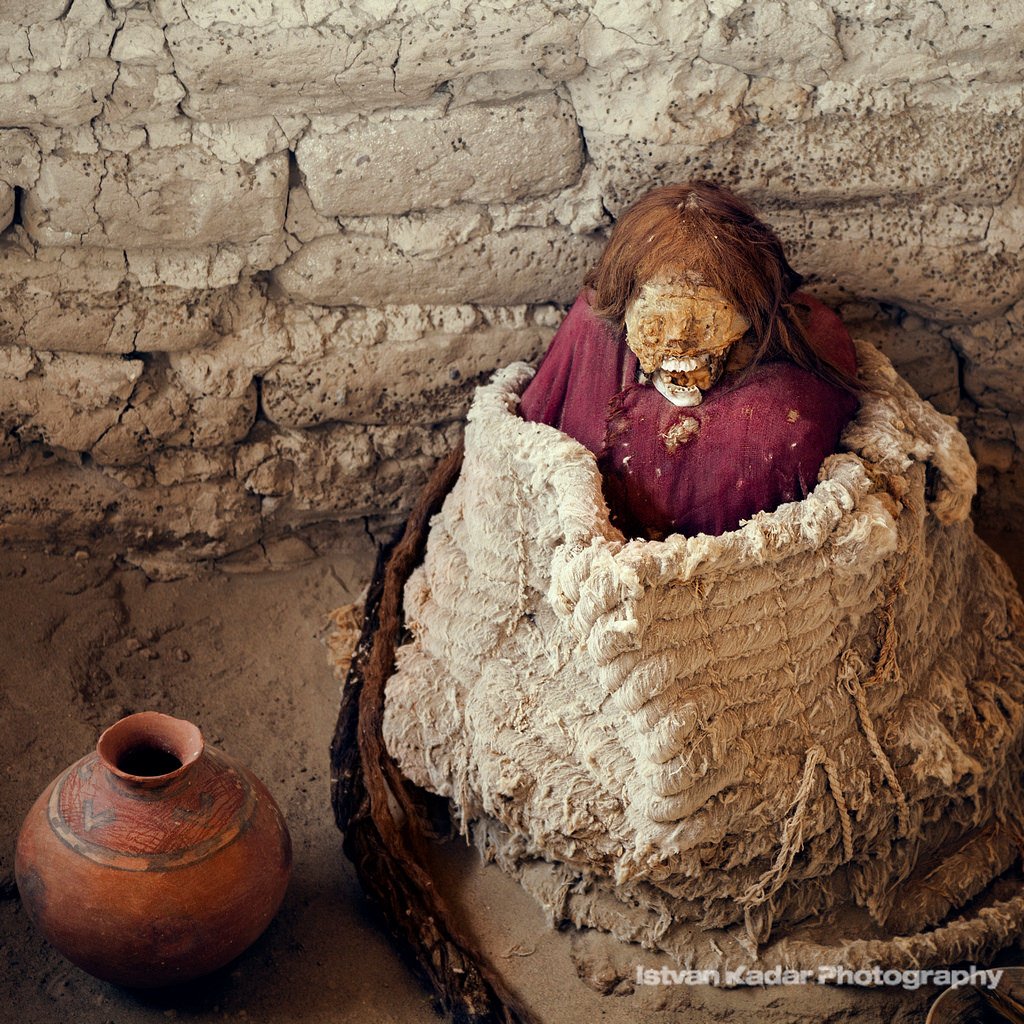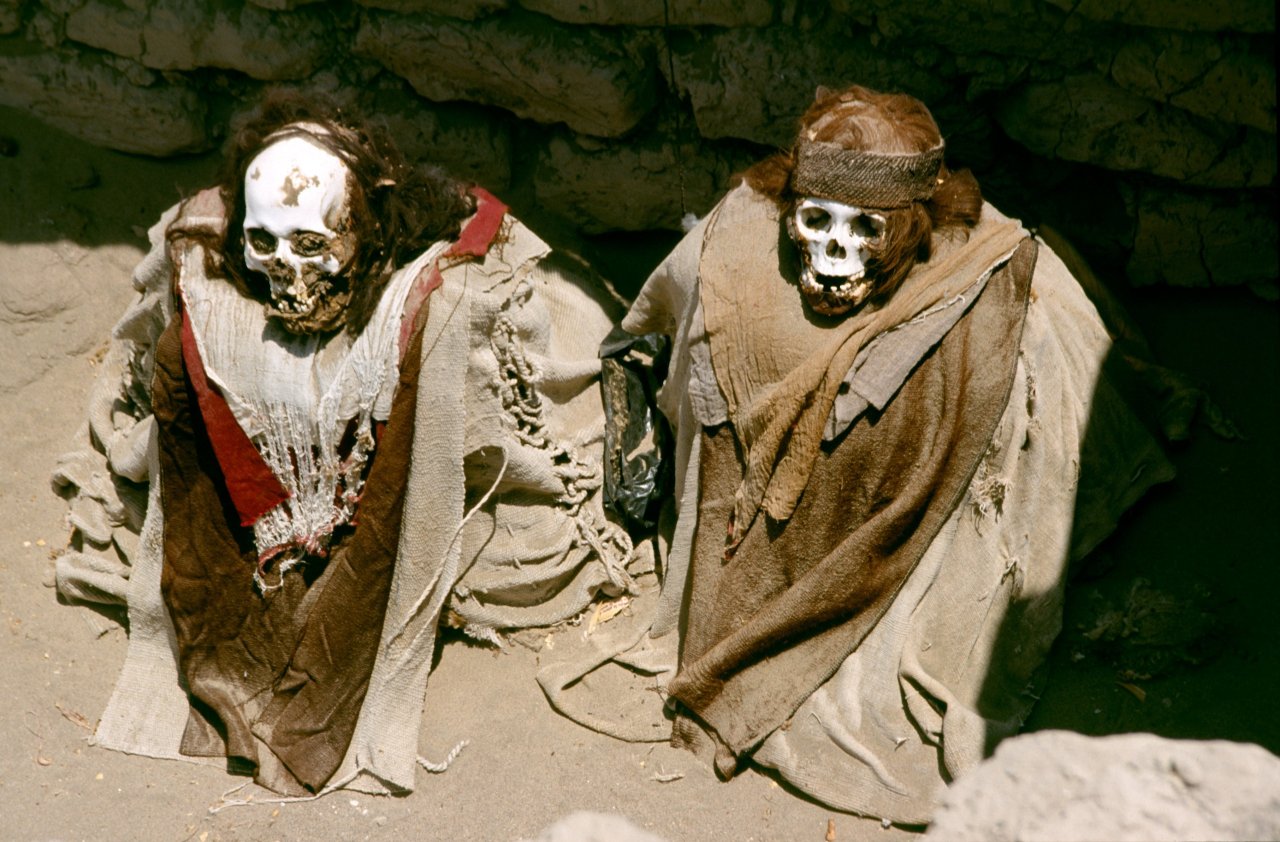
Thirty kilometers south of Nazca, in the arid expanse of Peru’s southern desert, lies Chauchilla Cemetery—a hauntingly beautiful archaeological site that opens a window into a civilization that flourished long before the Inca. Unlike many ancient cemeteries looted or destroyed by time, Chauchilla still holds the dignity of its dead, wrapped in finely woven textiles and surrounded by offerings that speak of faith, art, and daily life.
Dating back to around 200 AD and used until the 9th century, Chauchilla belonged to the Nazca culture, known for its mysterious geoglyphs and advanced craftsmanship. The dry climate of the region helped preserve not only mummified human remains but also ceramics, jewelry, and tools—artifacts that tell the story of a people both sophisticated and spiritual.
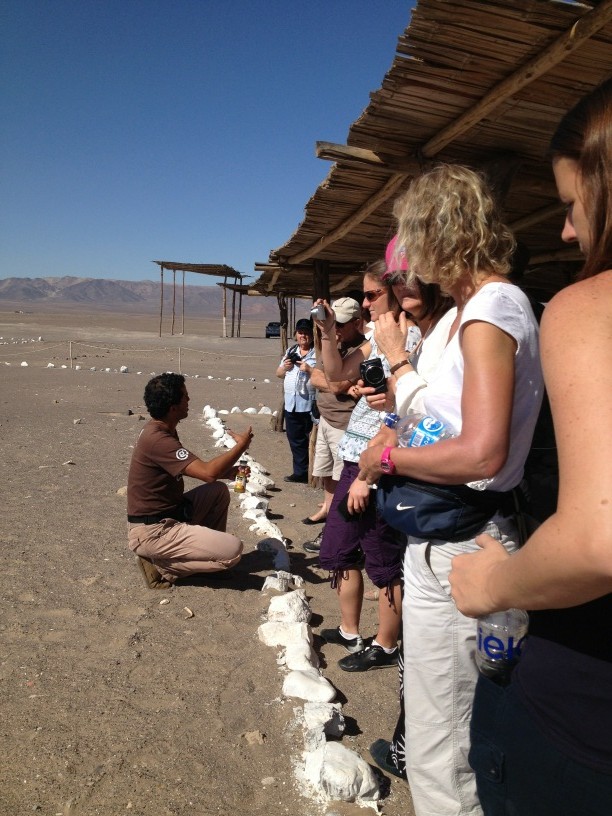
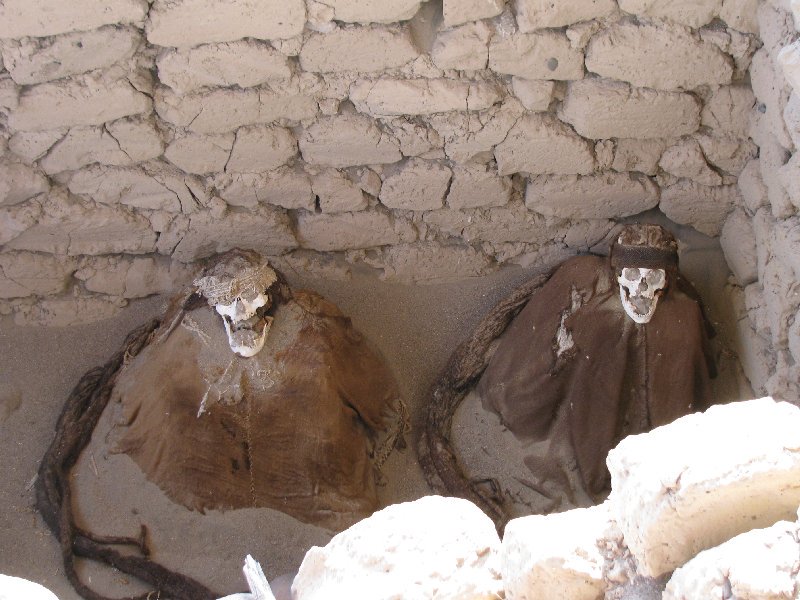
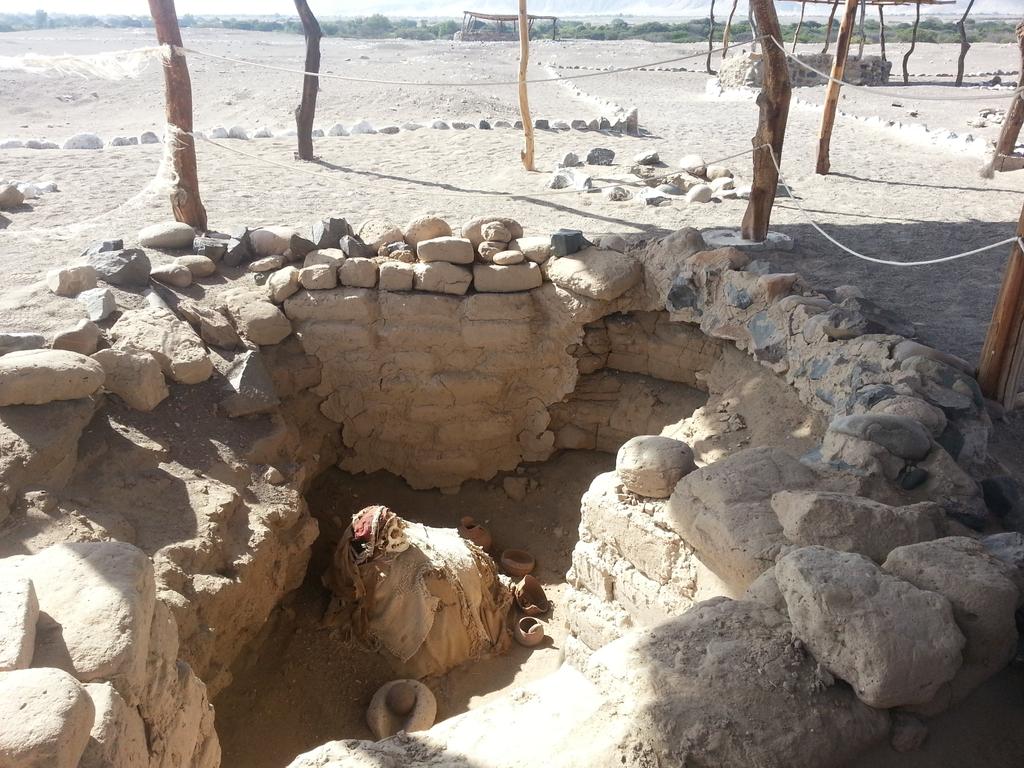
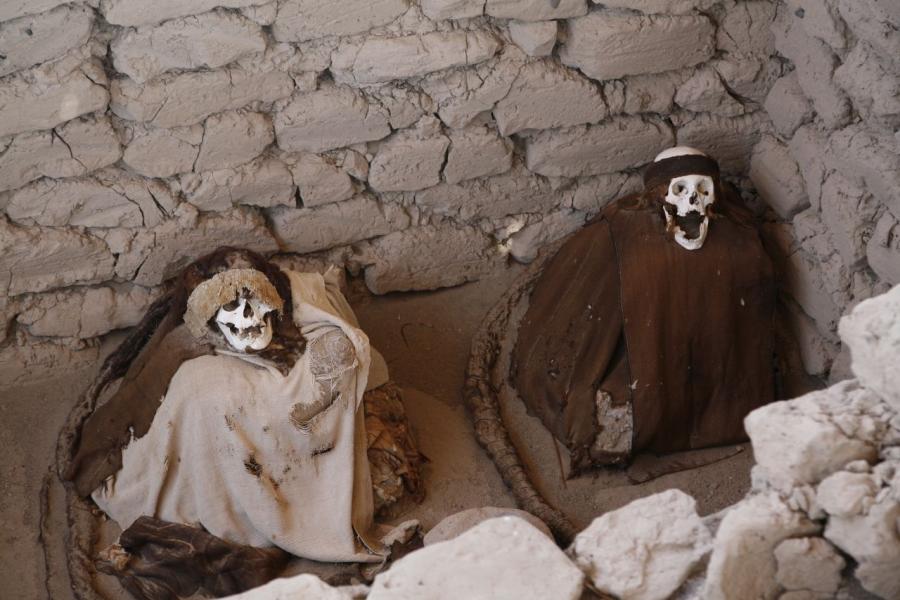
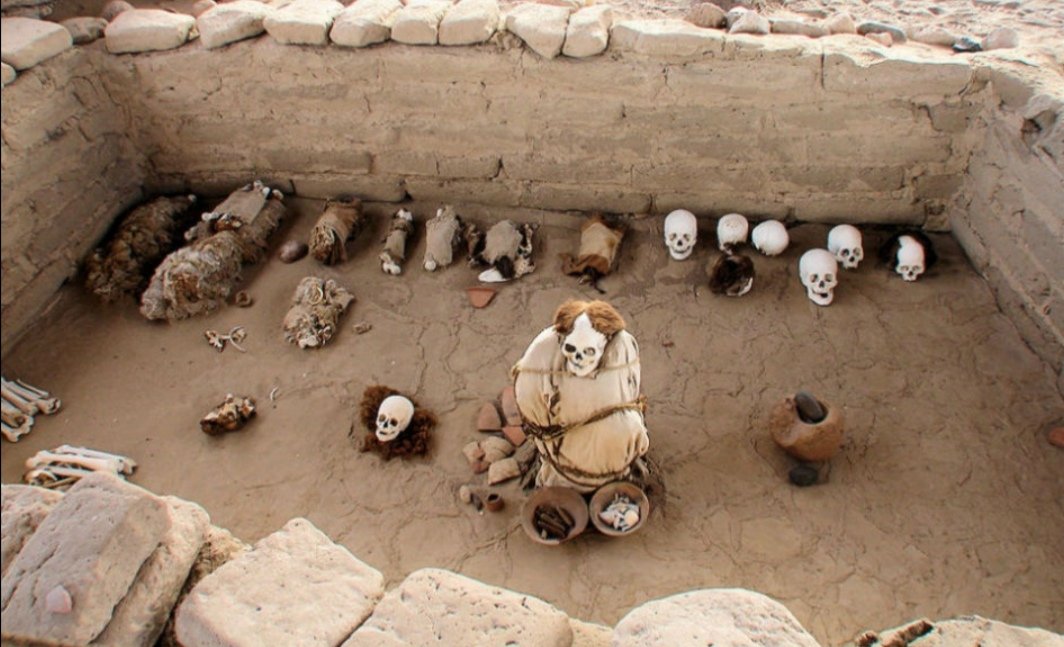
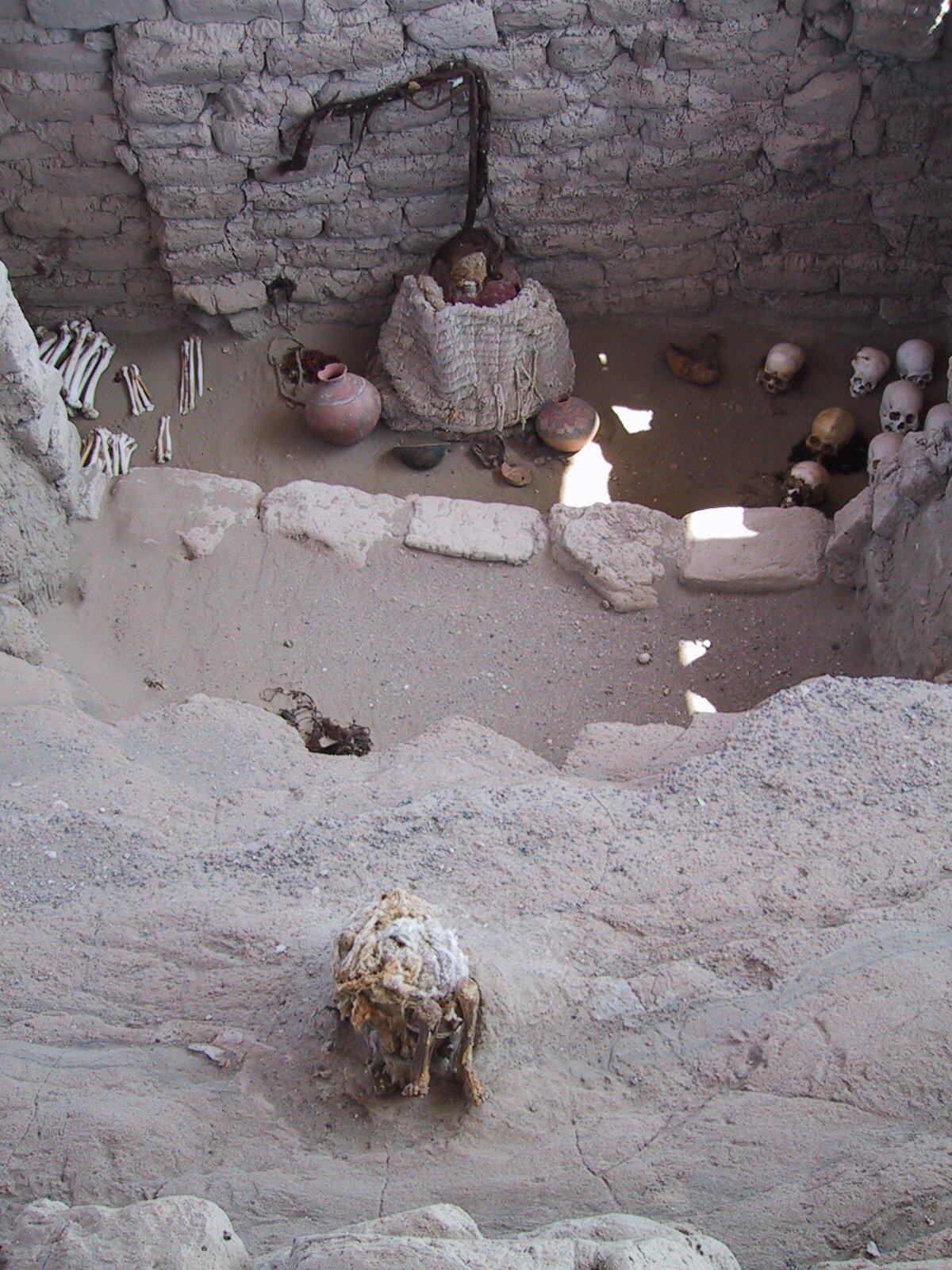
Visitors today can walk along the excavated graves, each protected by simple wooden shelters. The sight is striking: seated mummies with long braided hair, their faces painted with red pigments, gazing silently toward the horizon. Unlike the Egyptian tradition of monumental tombs, the Nazca buried their dead in communal pits, reflecting a collective belief in the continuity of life beyond death.
Archaeological studies have revealed that the bodies were carefully prepared using natural resins and cotton wrappings. The presence of fine textiles suggests a society where weaving was both an art and a form of status. Many of the deceased were buried with offerings of food and ceramics, evidence of the Nazca’s belief in an afterlife sustained by earthly goods.
Despite centuries of looting, conservation efforts since the 1990s have protected the remaining graves. Today, Chauchilla is part of Peru’s cultural heritage, managed as an open-air museum that allows visitors to experience history in situ.
A visit to Chauchilla is not merely an archaeological excursion—it is an encounter with the profound human desire for remembrance. Among the sand and silence of Nazca, the ancestors of Peru still whisper their stories through the desert wind.