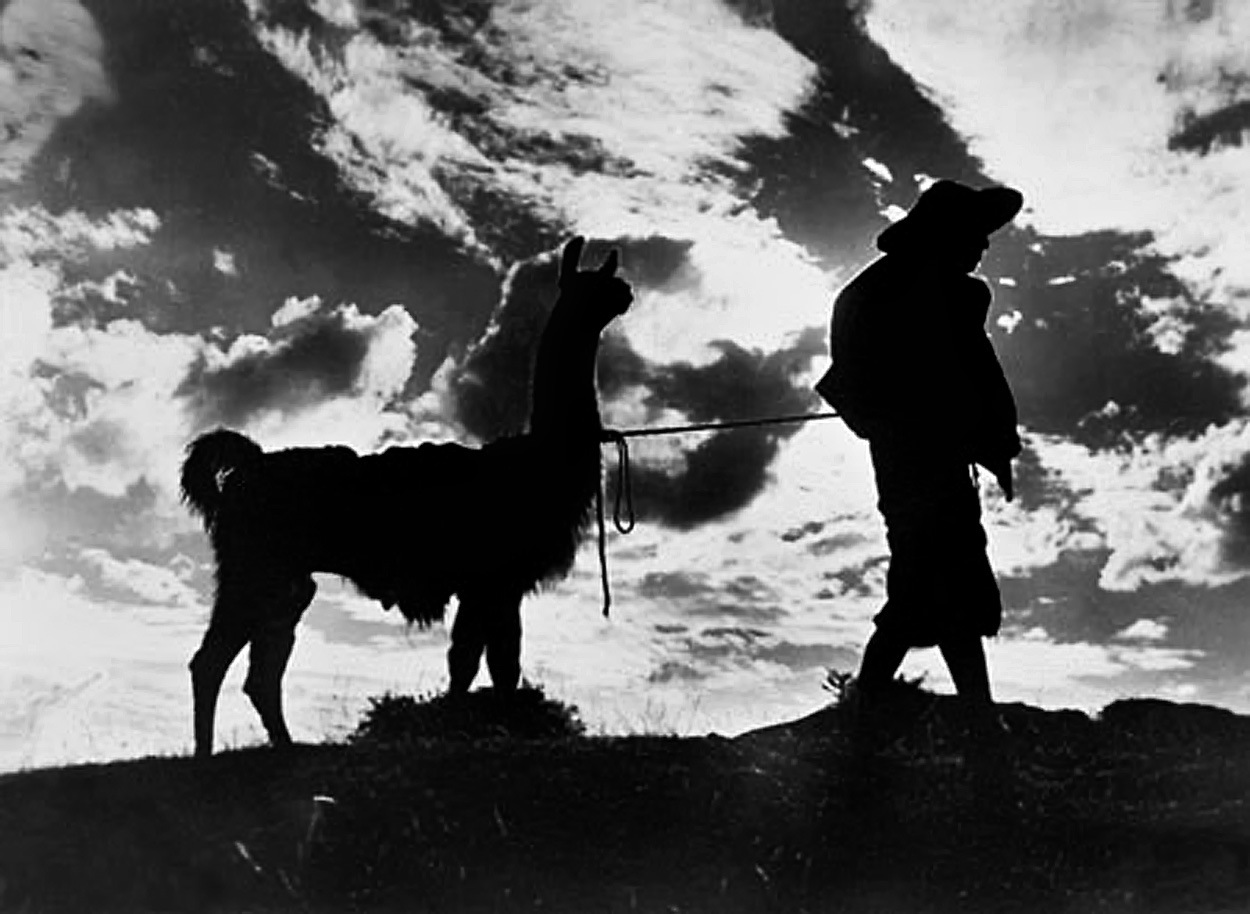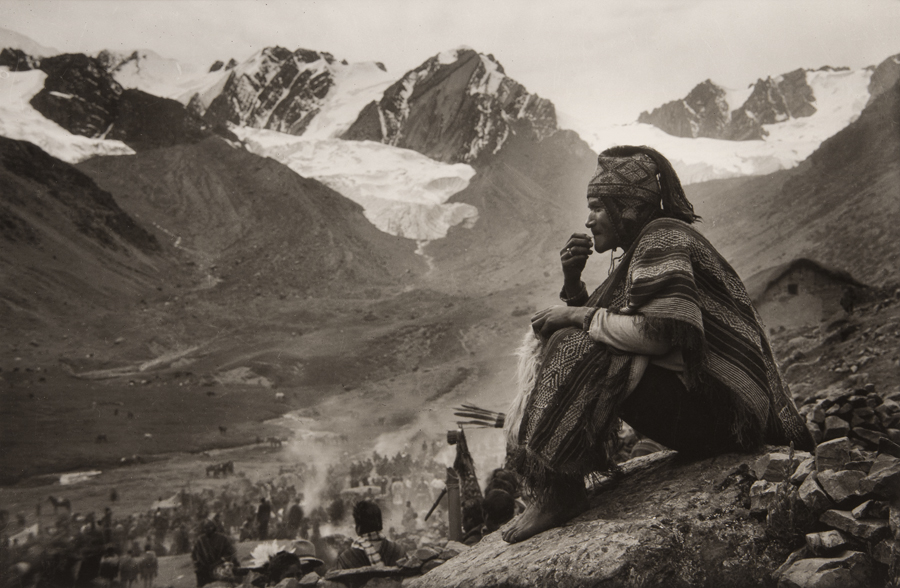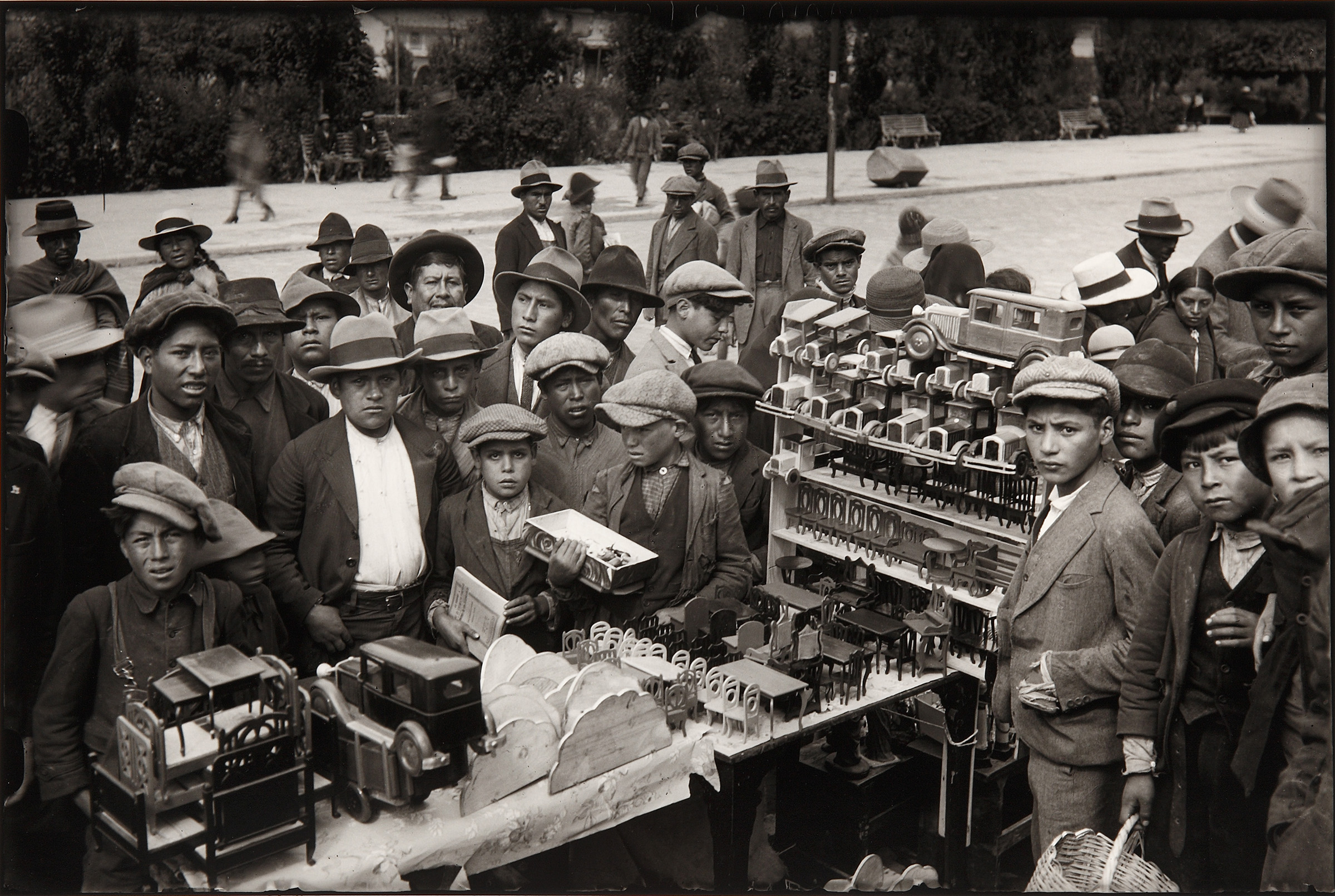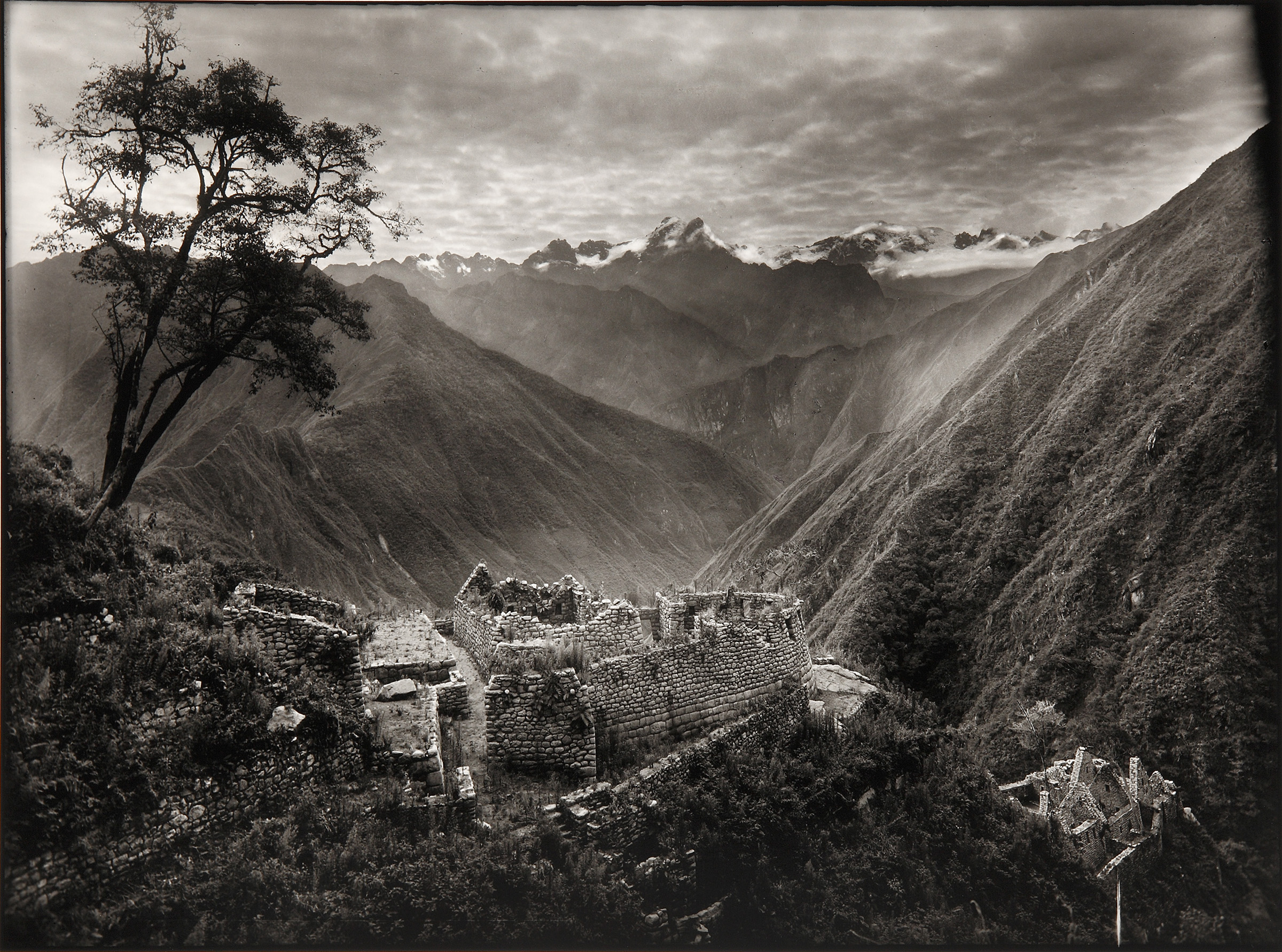
Few photographers have captured the soul of a nation as profoundly as Martín Chambi. Born in 1891 in Coaza, a small village in Peru’s Puno region, Chambi rose from humble origins to become one of Latin America’s most important visual chroniclers. Through his lens, the Andean world—its people, landscapes, and traditions—was portrayed not as exotic or distant, but as central to the human story.
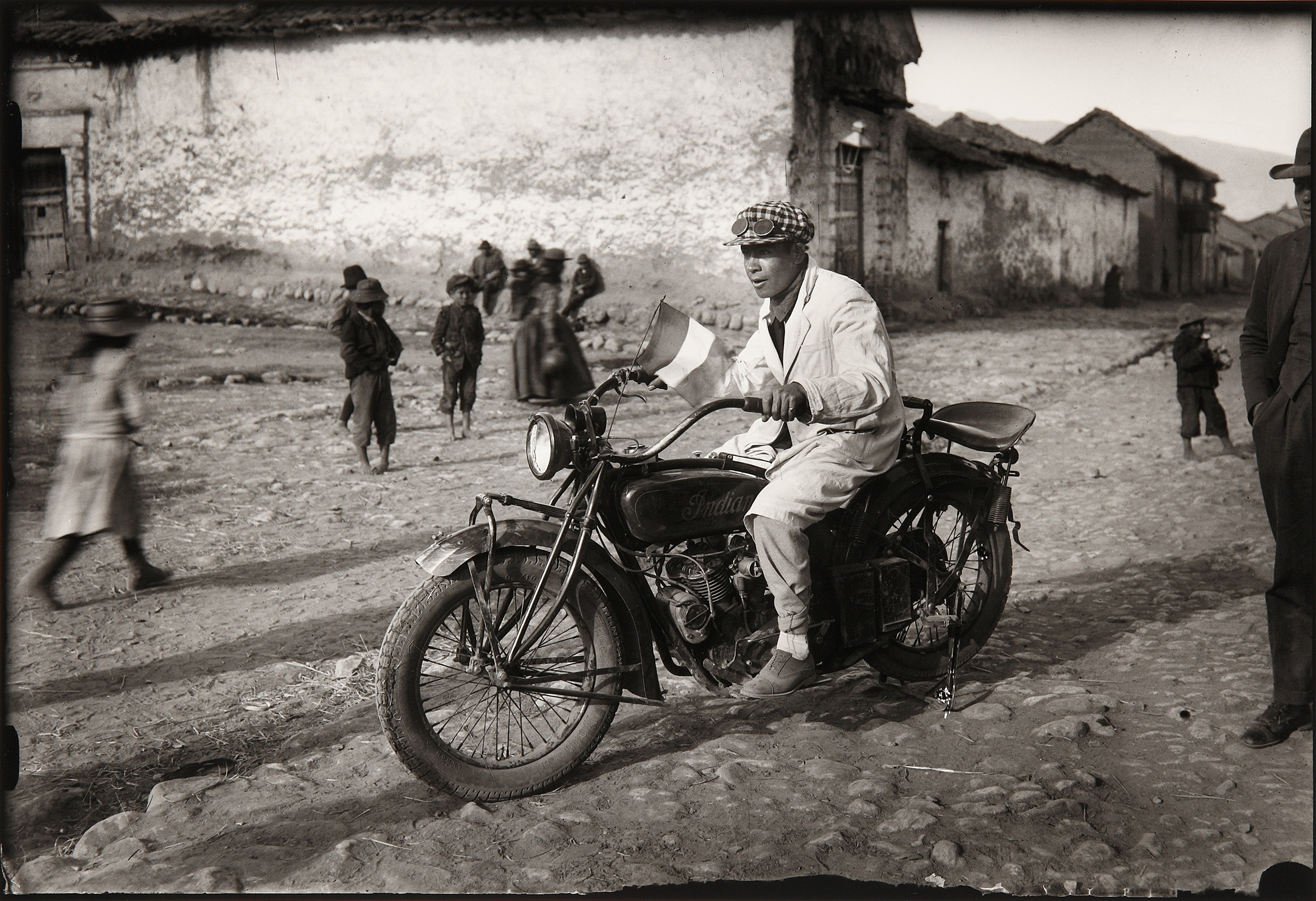
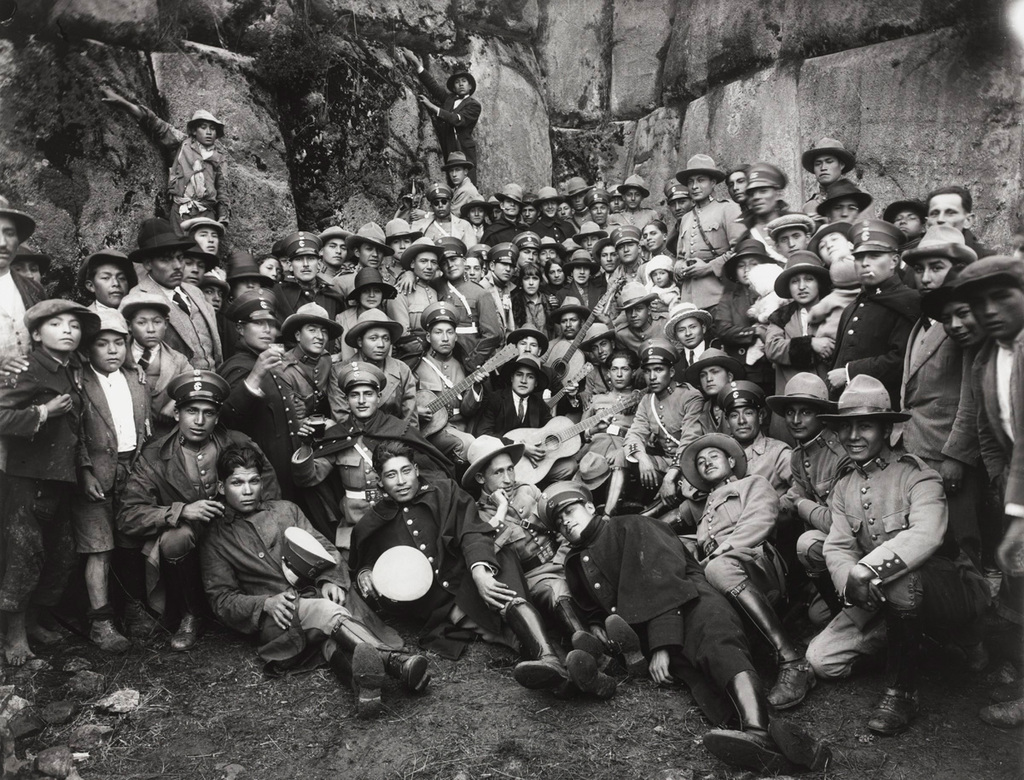
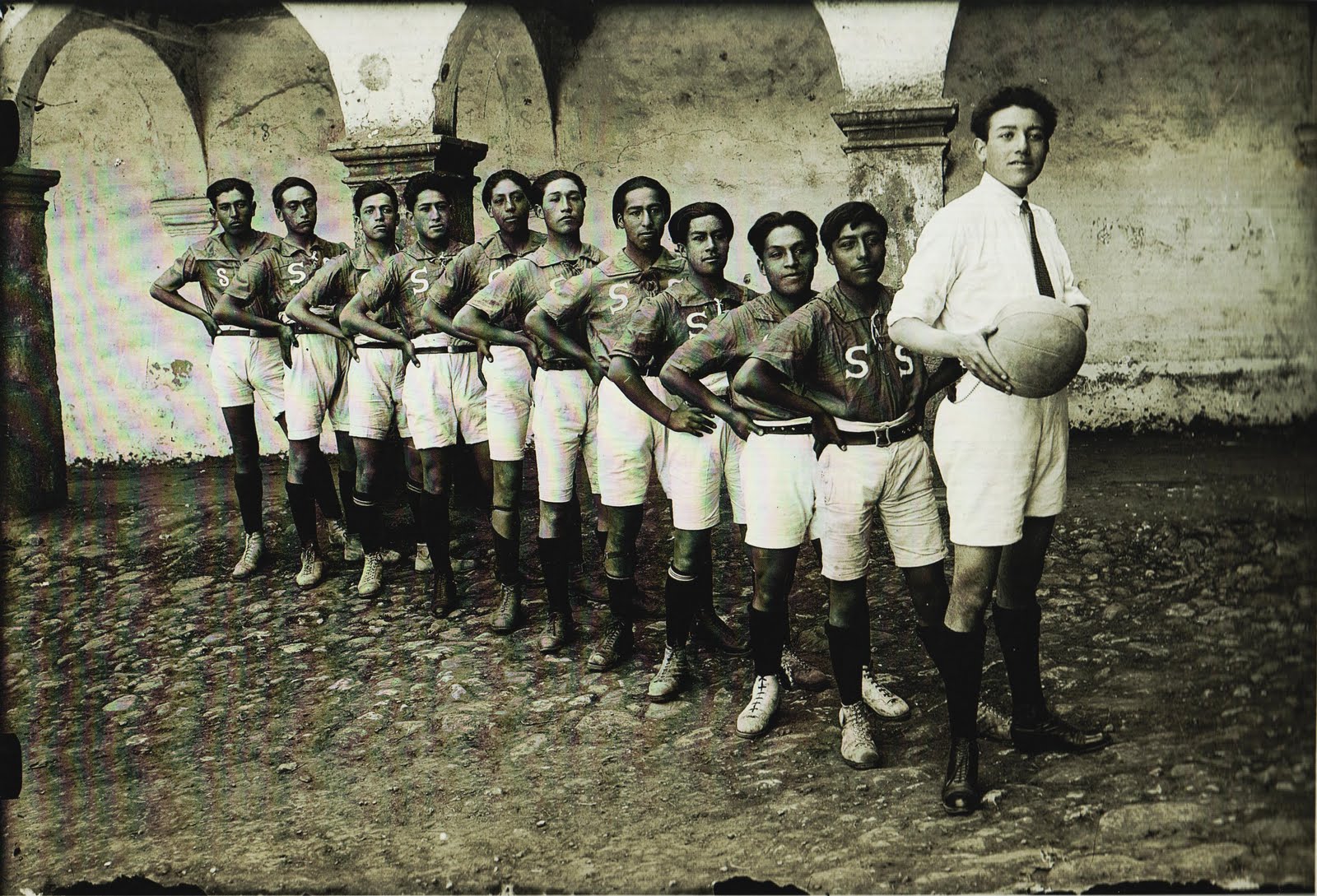
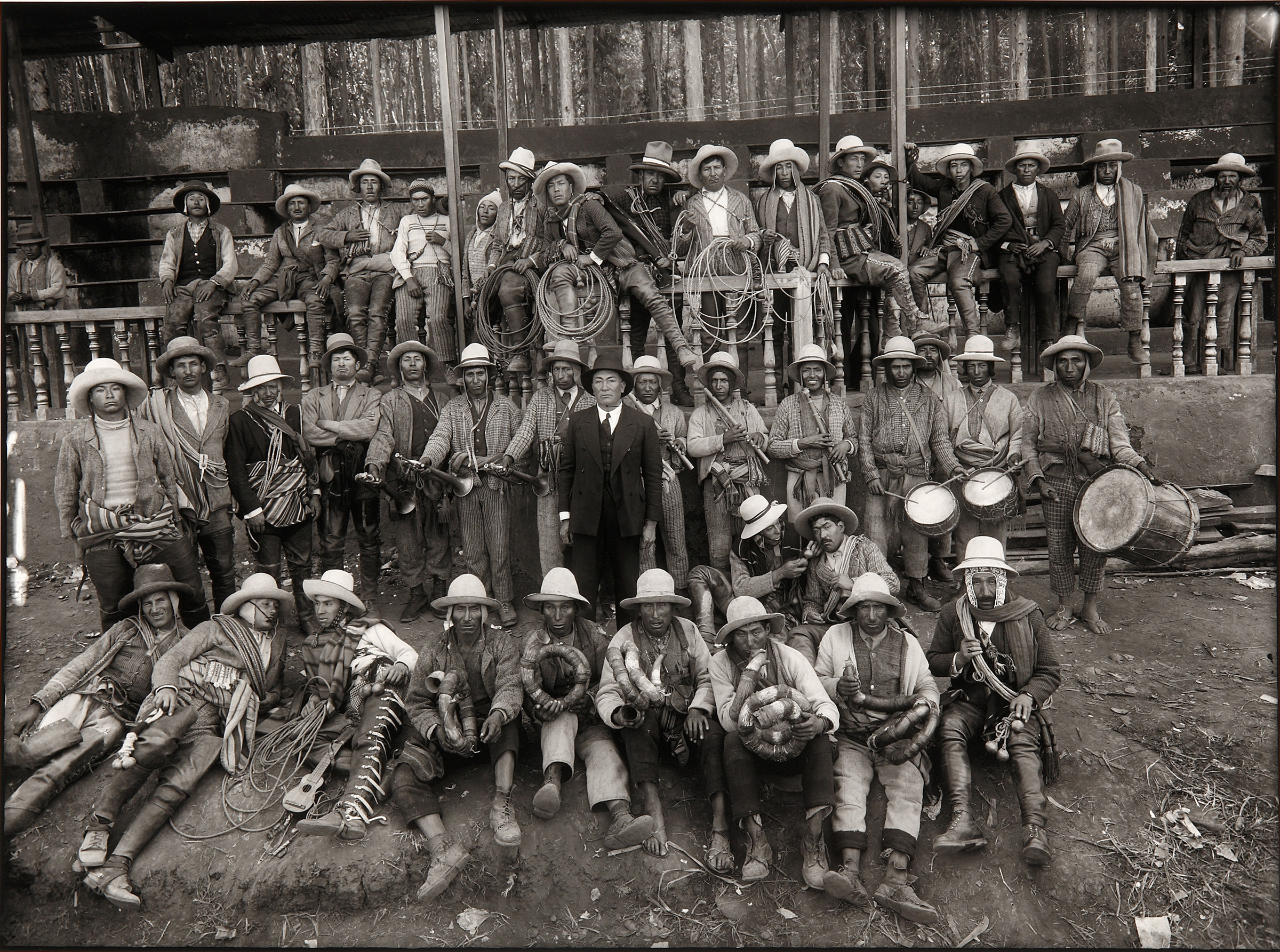
Chambi began his career in the early 20th century, a time when photography was still the domain of elites. After training in Arequipa, he opened his studio in Cusco in 1917. There, he built a vast archive of portraits, city views, and ethnographic images that today form a cornerstone of Peruvian cultural memory.
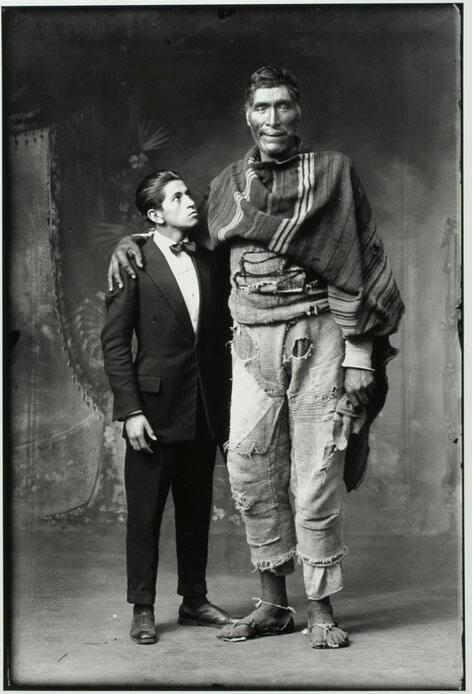
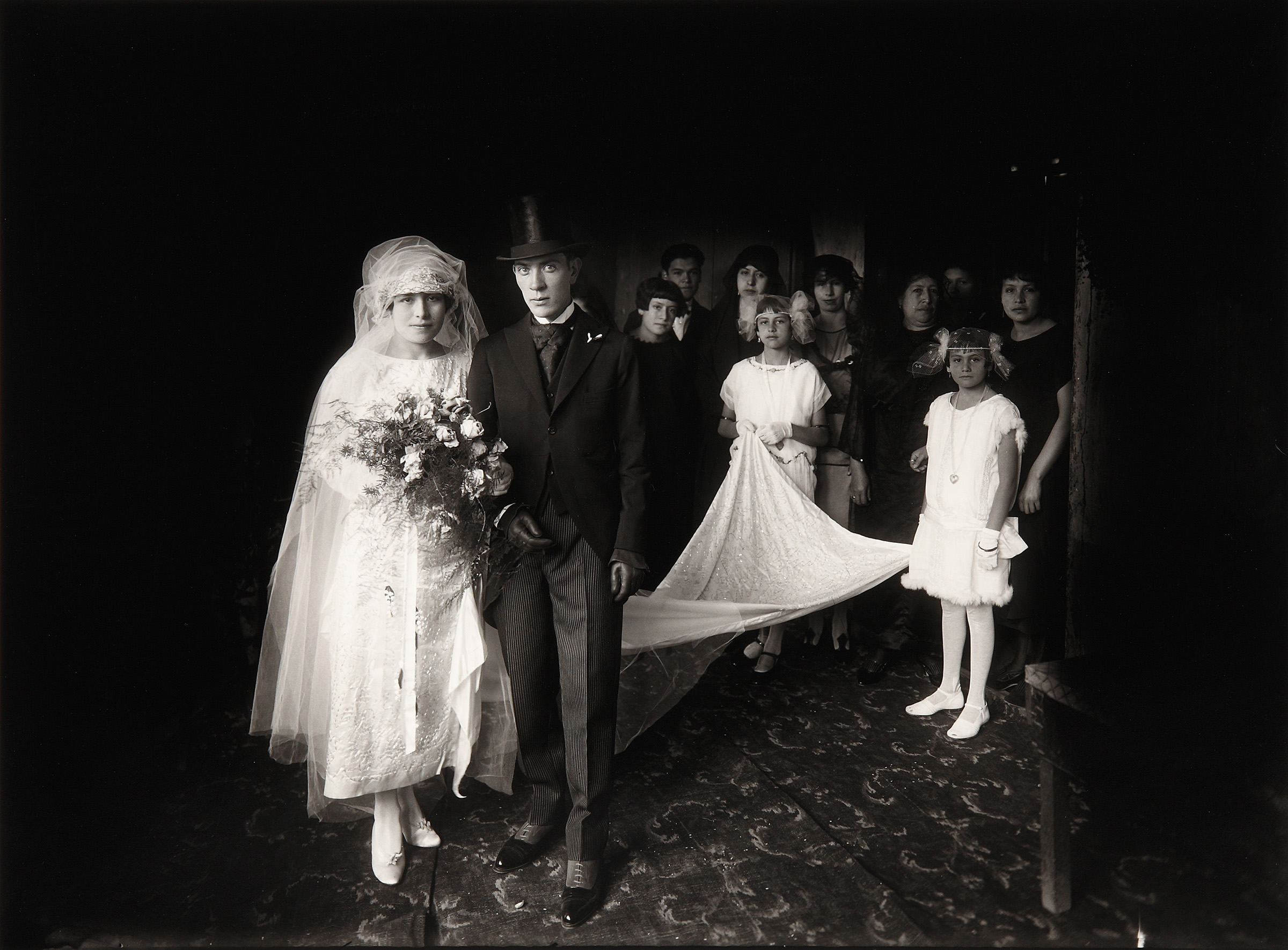
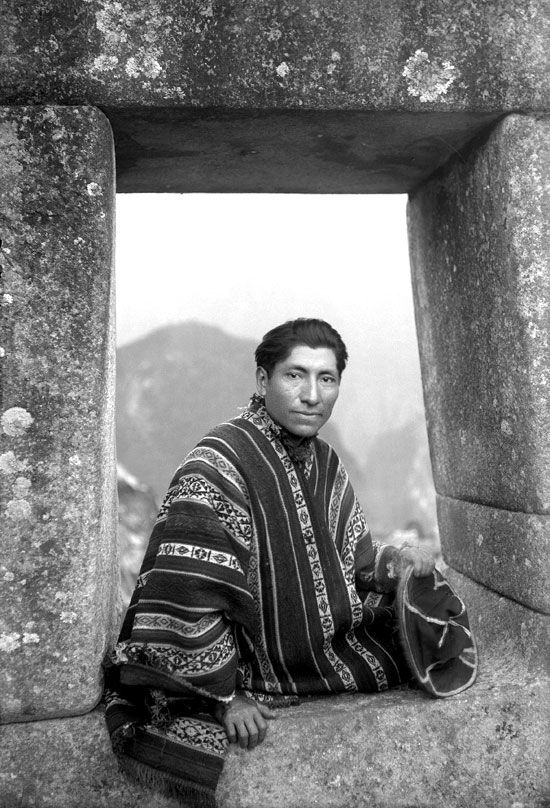
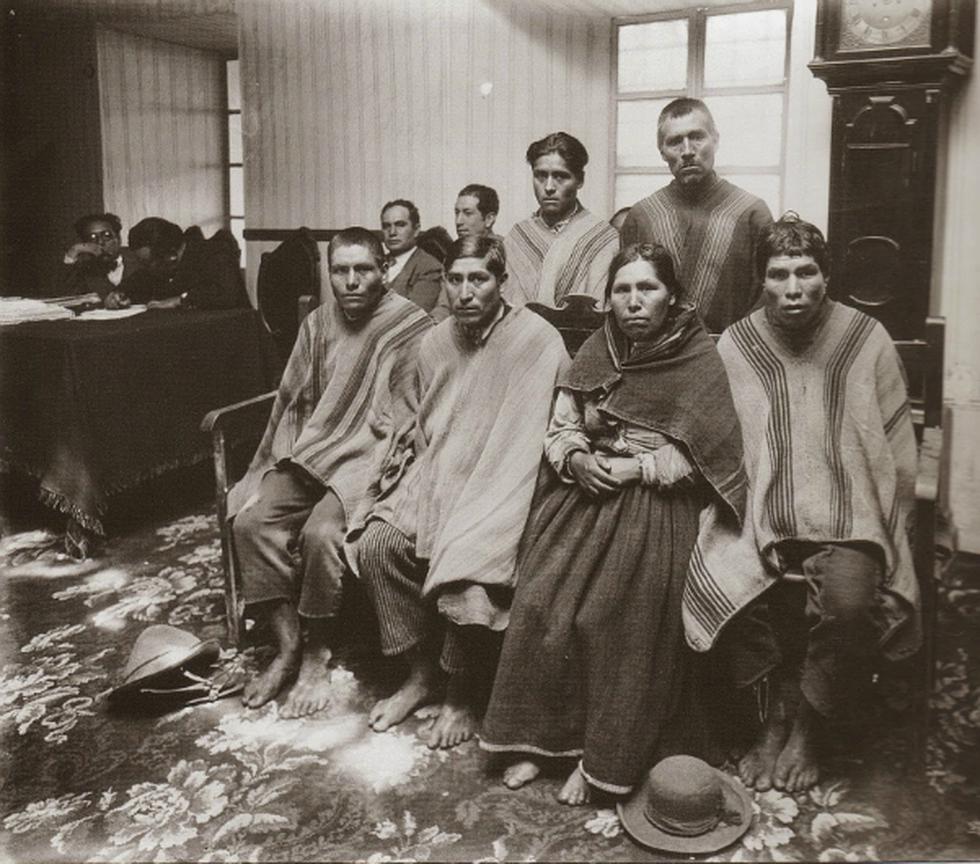
His portraits are unforgettable: indigenous men and women, artisans, and children staring confidently into the camera, their gaze both proud and intimate. Chambi’s mastery of light—his chiaroscuro reminiscent of classical painting—revealed dignity where others saw poverty. He turned photography into a tool of representation and resistance.
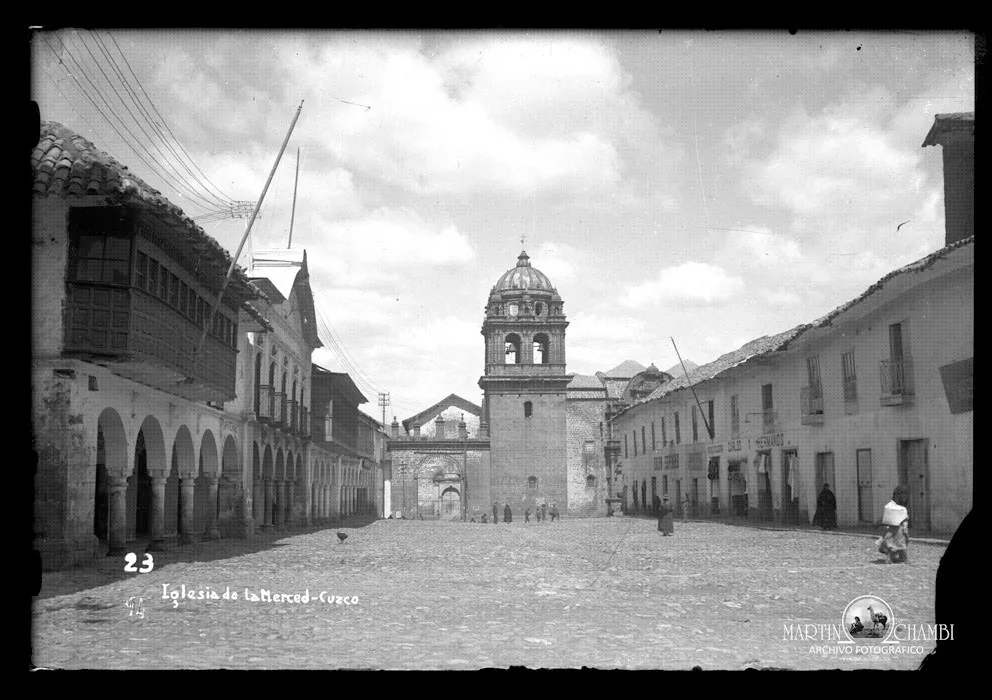
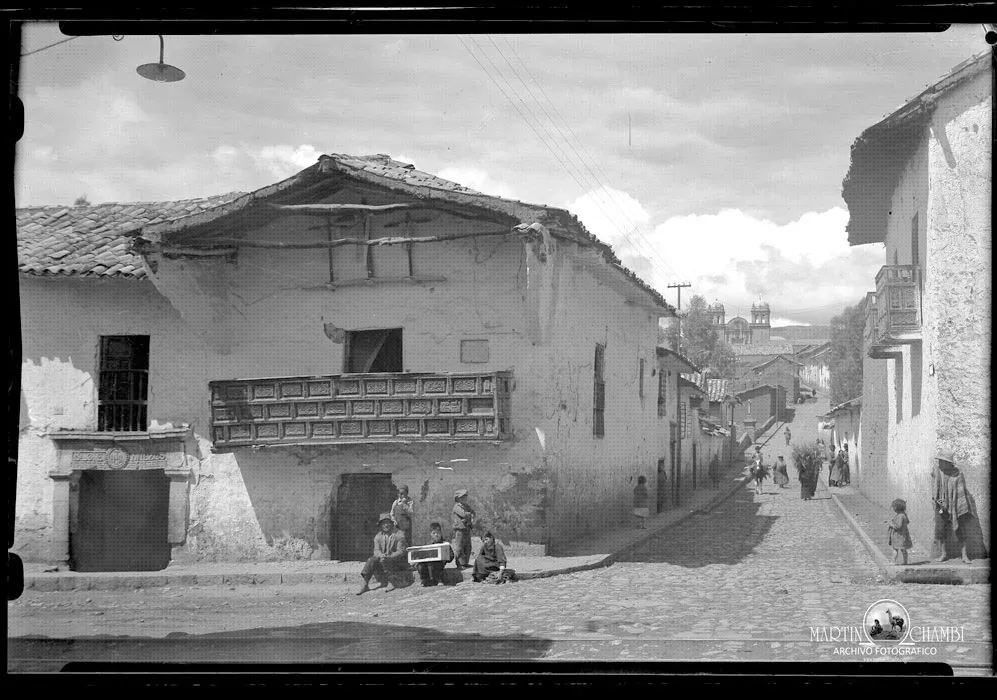
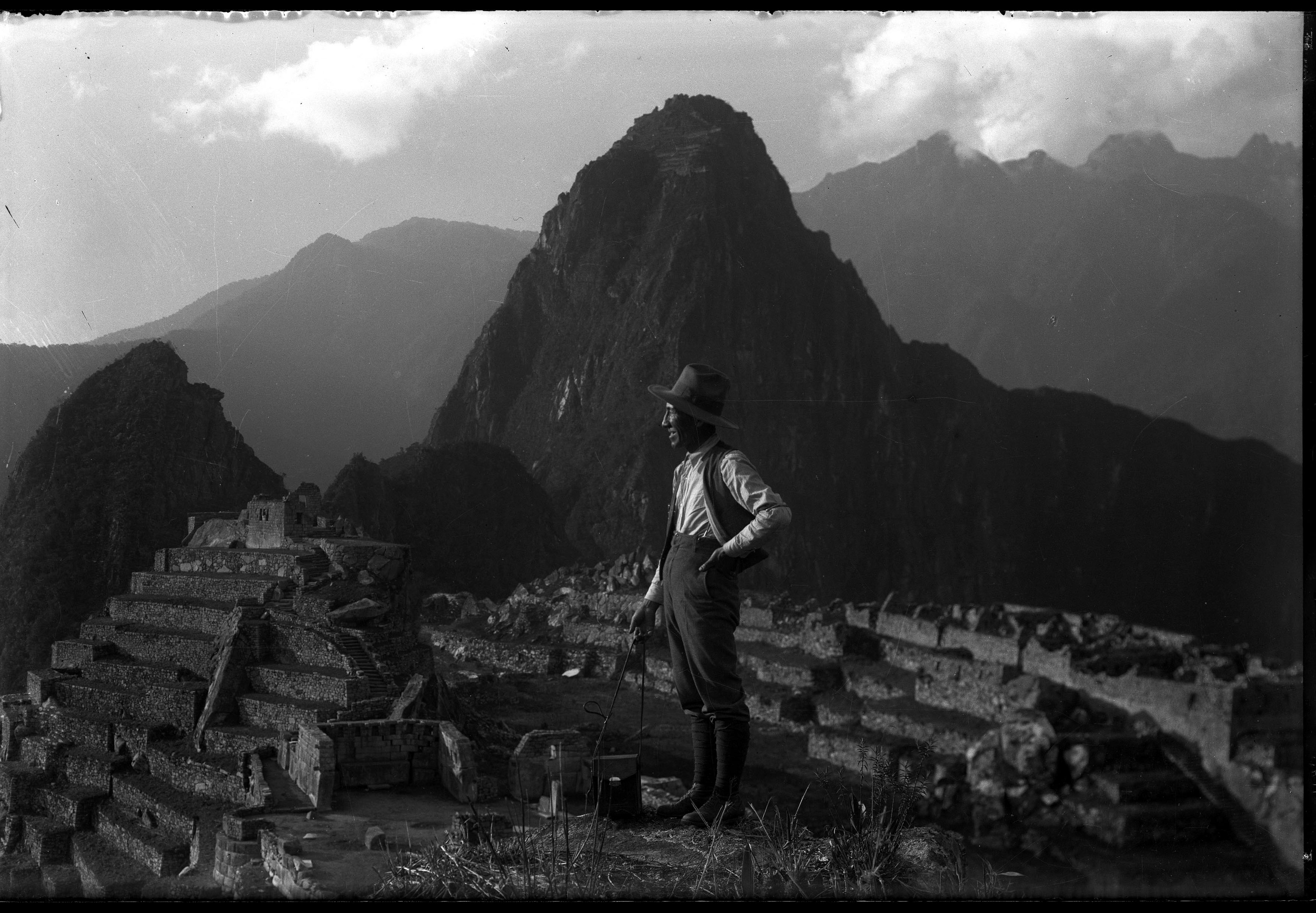
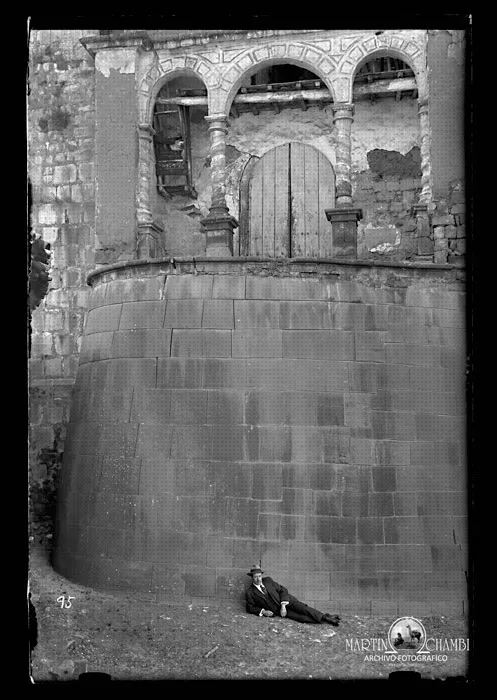
Beyond portraiture, Chambi documented Cusco’s colonial architecture, festivals, and the archaeological rediscovery of Machu Picchu. His panoramic views of the Andes evoke both grandeur and familiarity. Unlike foreign photographers of his time, Chambi saw himself not as an observer but as a participant in the world he captured.
His work reached international audiences in the 1930s and 1940s, earning exhibitions in Chile, Argentina, and later New York. Yet it was only decades after his death in 1973 that Chambi received global recognition as a pioneer of documentary art. His photographs now reside in major collections, including the Museum of Modern Art in New York.
Martín Chambi’s legacy lies not only in his technical brilliance but in his vision of equality. He gave the Andes a voice and a face—transforming photography into a language of identity. Each of his images remains a mirror in which Peru sees itself anew.