
The sun beats down on the gentle valley of the Awali River, near Sidon in Lebanon, illuminating the monumental ruins of the Temple of Eshmun. This site is not merely a collection of fallen stones; it is one of the most significant and best-preserved Phoenician religious complexes outside of Phoenicia itself, standing as a profound testament to a civilization renowned for its maritime prowess and complex pantheon. Dedicated to the eponymous Phoenician god of healing and renewal, Eshmun, this temple served as a spiritual hub for centuries, spanning the late 7th century BC until the 2nd century AD.
A Divine Dedication to Eshmun
Eshmun, the primary deity worshipped at the site, held a vital role in the Phoenician pantheon, often paralleled with the Greek Asclepius, the god of medicine. For the ancient Phoenicians, Eshmun represented healing and cosmic renewal, a fitting patron for a city like Sidon, which was a bustling center of trade and population. The temple complex evolved over its long history, witnessing the rise and fall of empires, but its dedication to Eshmun remained constant.
The initial construction phases took place during the height of the Phoenician period, under the rule of the Sidonian kings, particularly King Eshmunazar II and his successors. The location itself, situated on the edge of a mountain slope near a freshwater spring, was likely chosen for its natural sanctity and accessibility—factors crucial for a healing sanctuary. This ancient spring and a sacred pool formed an integral part of the temple’s ritual landscape.
The Architecture of Healing and Power
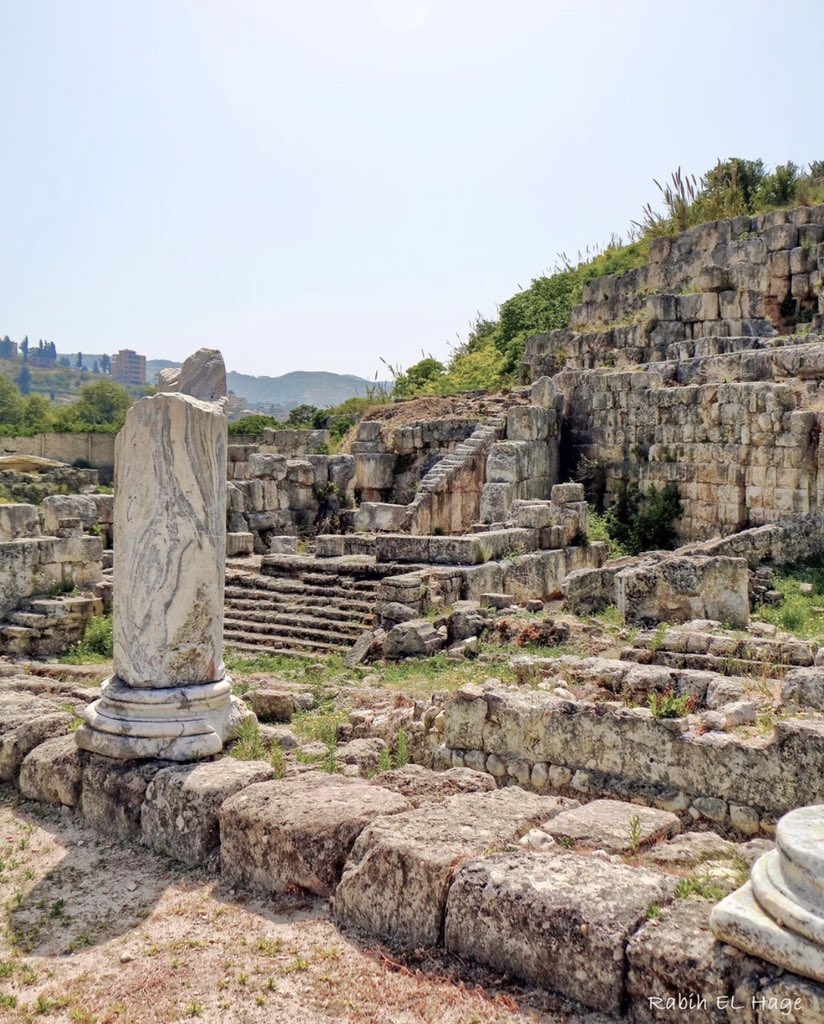
The Temple of Eshmun is architecturally diverse, reflecting centuries of modifications and expansions. The earliest and most prominent structure is the magnificent Podium, a massive stone platform typical of Phoenician temple construction. This podium, built from finely cut limestone blocks, provided an imposing base for the main temple structure, which sadly no longer stands.
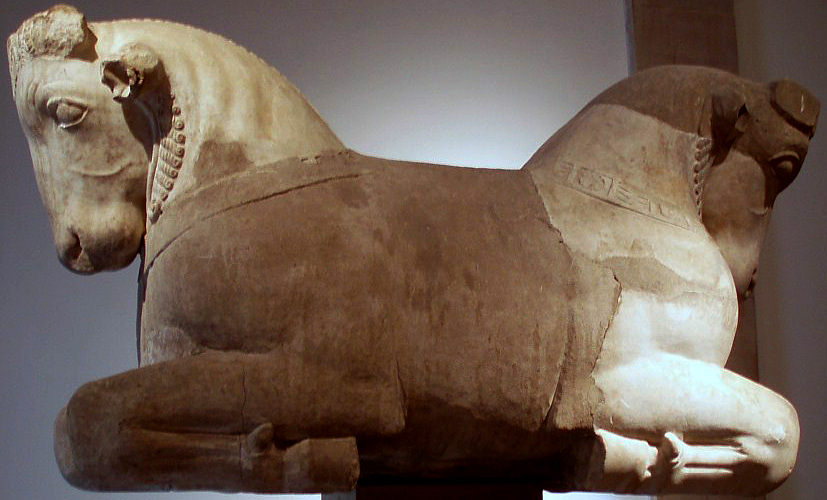
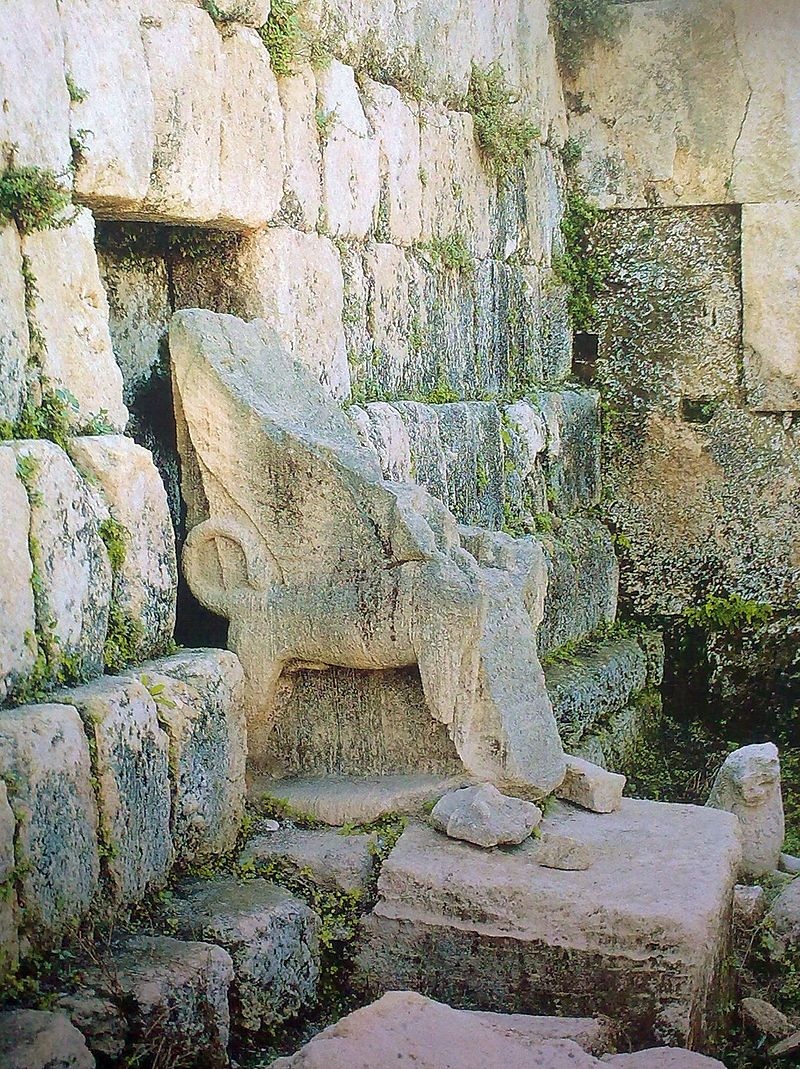
Below the main podium lies the Temple of the Well or the "Throne of Astarte," a crucial element of the sanctuary. This area features a large, beautifully preserved marble basin, which was integral to the sacred water rituals associated with healing and fertility. The stone carvings and sculptural fragments recovered from this area, including the famous Putti in the Temple of Eshmun, depict scenes of ritual activity and homage to the deities.
Successive generations and foreign rulers left their indelible marks. During the Achaemenid Persian period, the temple was expanded, incorporating elements of Persian and Greek architectural styles. Later, during the Hellenistic and Roman eras, further additions were made, transforming the site into a syncretic blend of Phoenician tradition and Graeco-Roman influence. These later additions included:
- The Roman Road: A paved processional way that led pilgrims to the main sanctuary.
- A Nymphaeum: A lavish fountain house, reflecting the Roman emphasis on water architecture and public spaces.
- A Roman Bath Complex: Built for ritual purification, indicating the site's continued importance for healing and cleansing rites.
Archaeological Discoveries and Cultural Significance
Excavations at Eshmun have been crucial in shedding light on the religious practices and artistic sensibilities of the Phoenicians, a people who left comparatively few monumental texts but a wealth of material culture. The site has yielded an incredible collection of artifacts, the most famous of which are the votive statues of children (the Putti), often dedicated to Eshmun in hopes of a cure for illness or in thanks for a successful one. These statues, predominantly housed today in the National Museum of Beirut, provide a tangible connection to the personal devotions of the Phoenician populace.
Further significant finds include:
- Inscribed Stelae: Stone slabs bearing dedicatory inscriptions in the Phoenician language, providing primary textual evidence for the temple's history and royal patronage.
- Marble Capitals and Bases: Demonstrating the transition from indigenous Phoenician styles to later Hellenistic and Roman influences, showing the cultural fluidity of the region.
- Jewelry and Coins: Recovered from the sacred deposits, indicating the wealth and reach of the temple, which served as a major pilgrimage destination and economic center.
The survival of the Temple of Eshmun offers a rare window into the religious life of the Phoenicians, illustrating how they fused sophisticated artistic expression with deep religious belief. The temple’s strategic location in the South Governorate of Lebanon, close to the ancient city of Sidon, meant it was continuously active for nearly a millennium, enduring conflicts and political shifts.
A Legacy of Resilience
Despite suffering damage and decay over the centuries, the ruins today stand as a powerful symbol of Lebanon's deep historical layers. The temple site provides invaluable evidence not only of Phoenician religious thought but also of the cultural exchange that defined the Eastern Mediterranean. Visitors walking among the ruins can trace the evolution of architecture from the massive, stark Phoenician podium to the more delicate, ornate Roman structures.
The Temple of Eshmun is a critical node in understanding the ancient world's interconnectedness—a place where a Phoenician god of healing was worshipped, attracting Greek, Roman, and Persian influences. Its restoration and preservation efforts are vital to maintaining the narrative of this ancient civilization that spread its language and trade routes across the entire Mediterranean basin. The enduring legacy of this sanctuary is a powerful reminder of how religion, architecture, and political history converge to leave behind indelible marks on the landscape.
The quiet grandeur of Eshmun today offers a peaceful retreat and a profound historical experience, inviting travelers to look beyond the surface and connect with the spiritual and cultural heart of ancient Phoenicia, a heritage that continues to define the spirit of Lebanon.
(Word Count: ~1040 words)