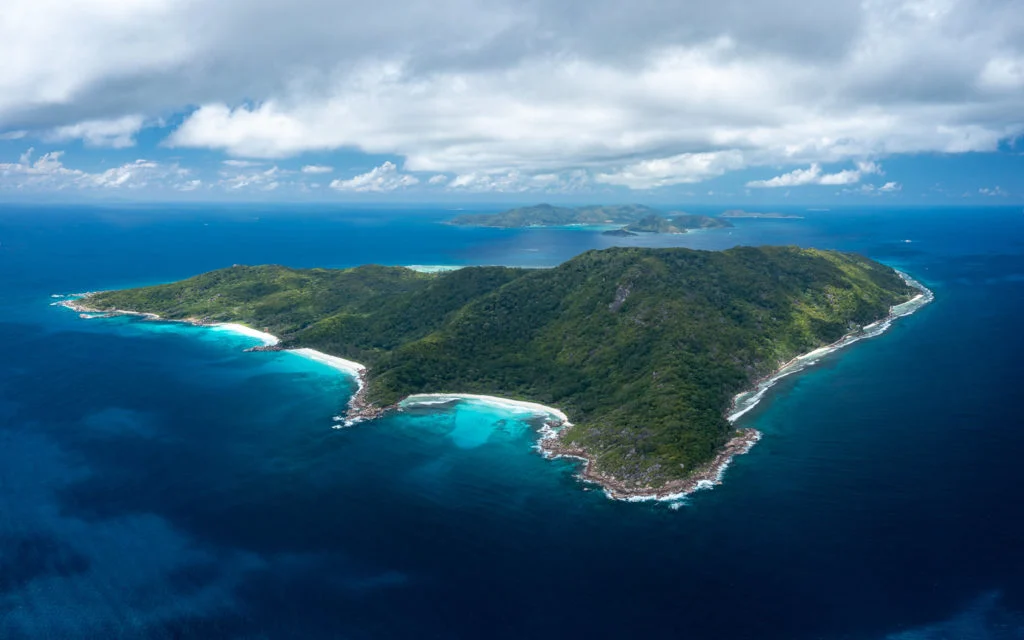
La Digue, a small island in the Indian Ocean, feels like a secret whispered by the sea. With no traffic lights, few cars, and a rhythm that moves to the sound of waves, it is the purest expression of Seychelles’ natural charm.
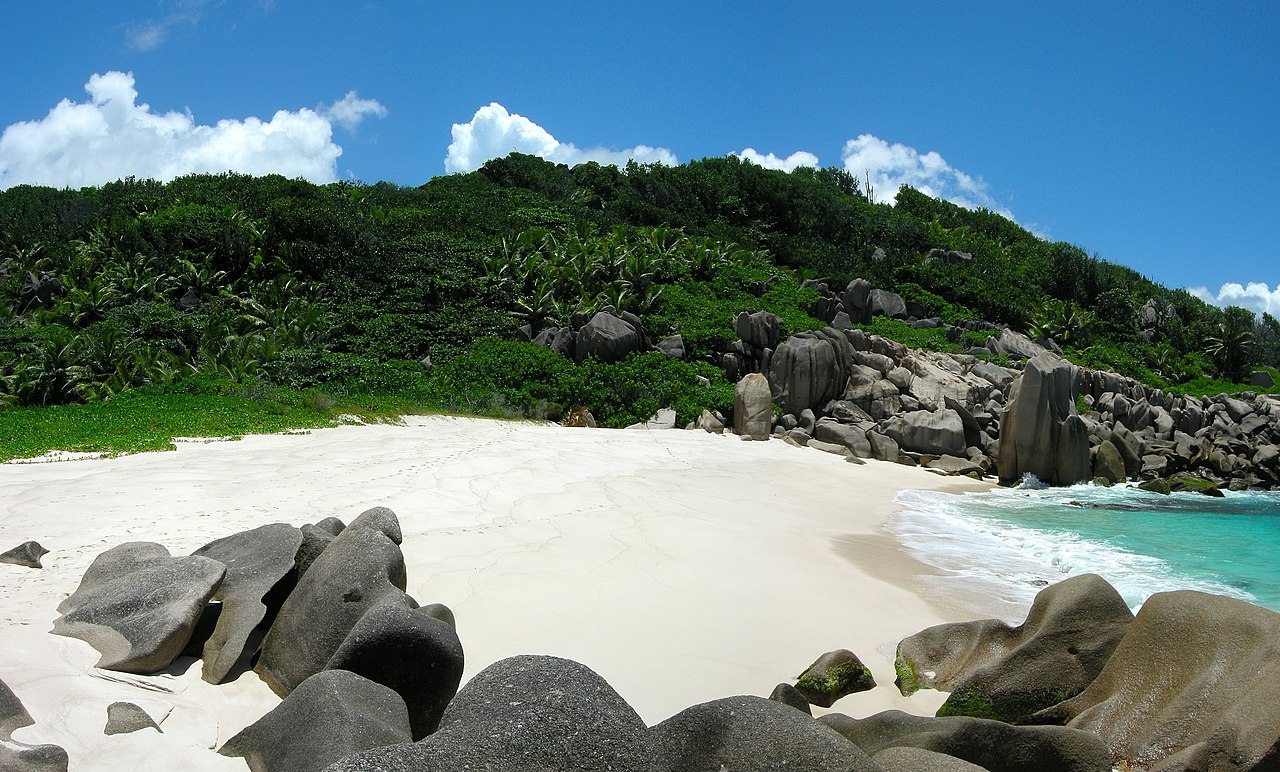
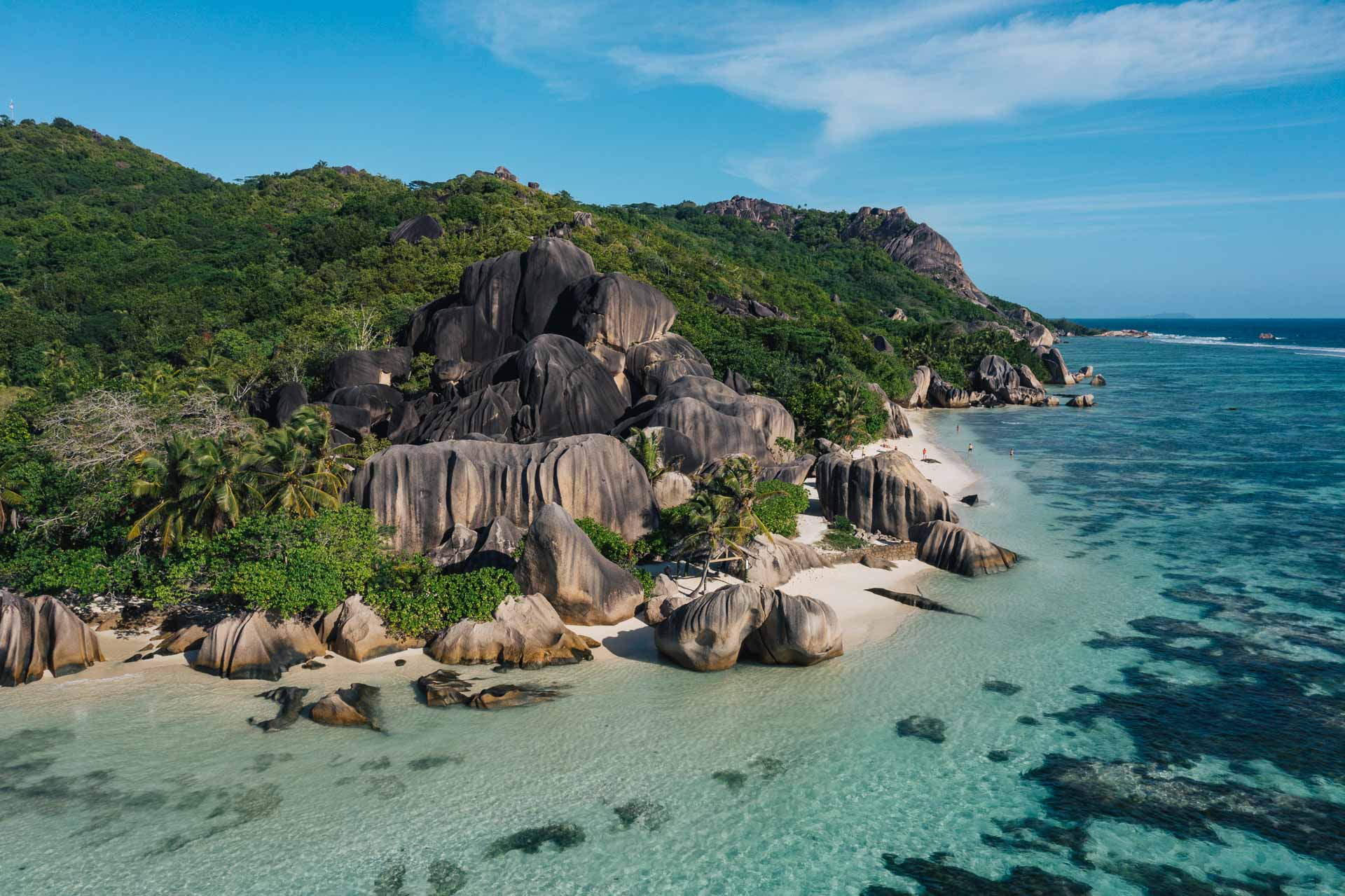
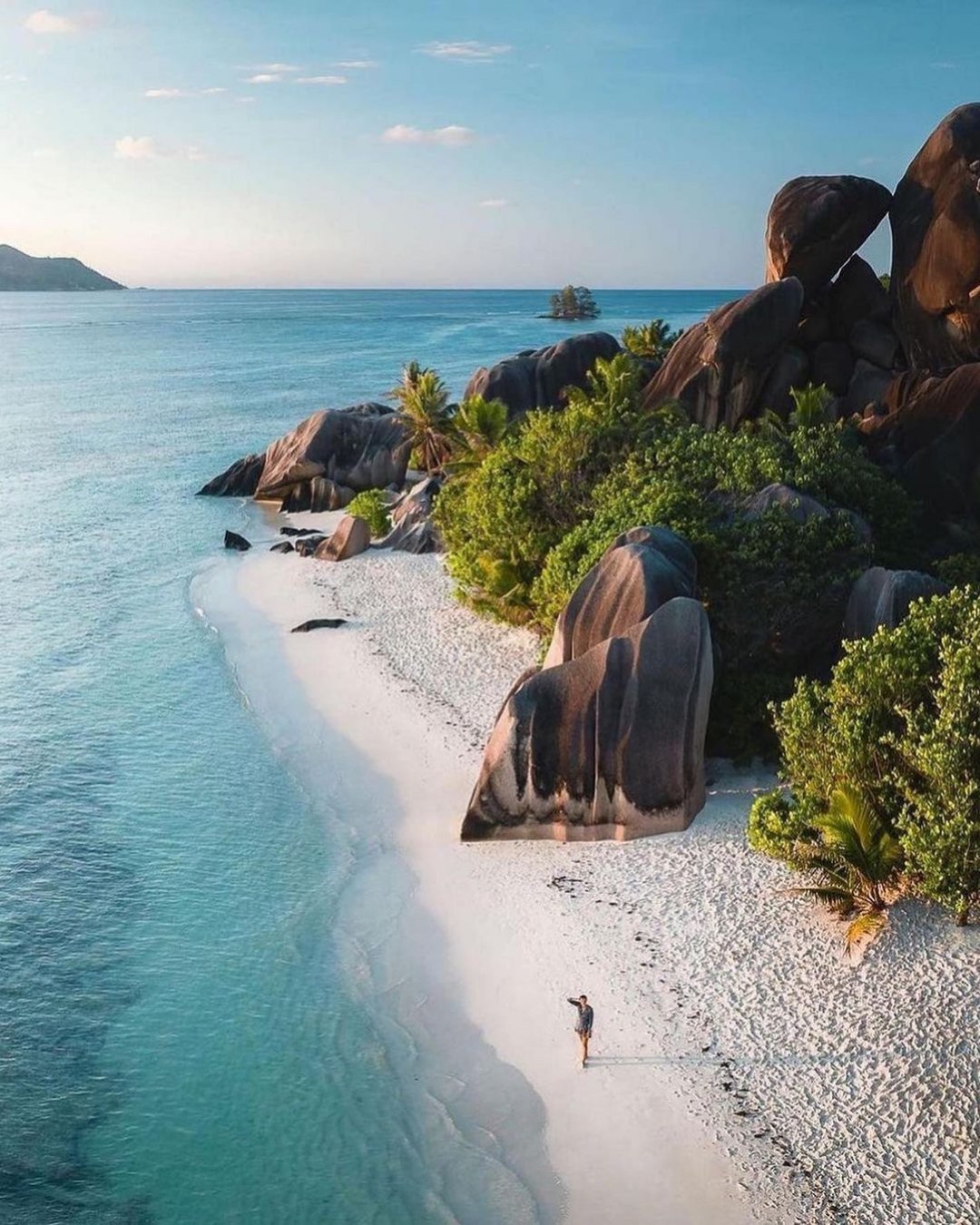
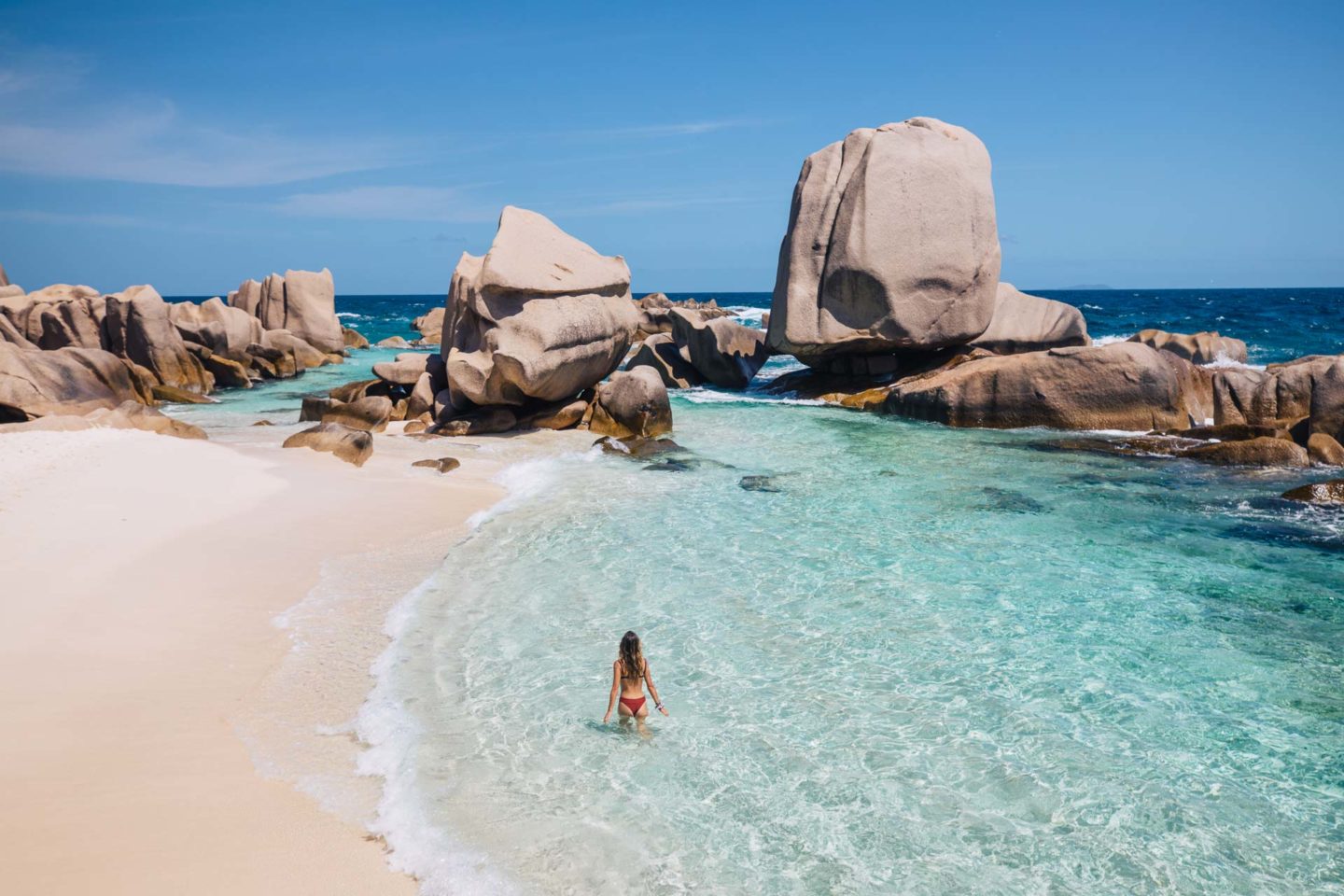
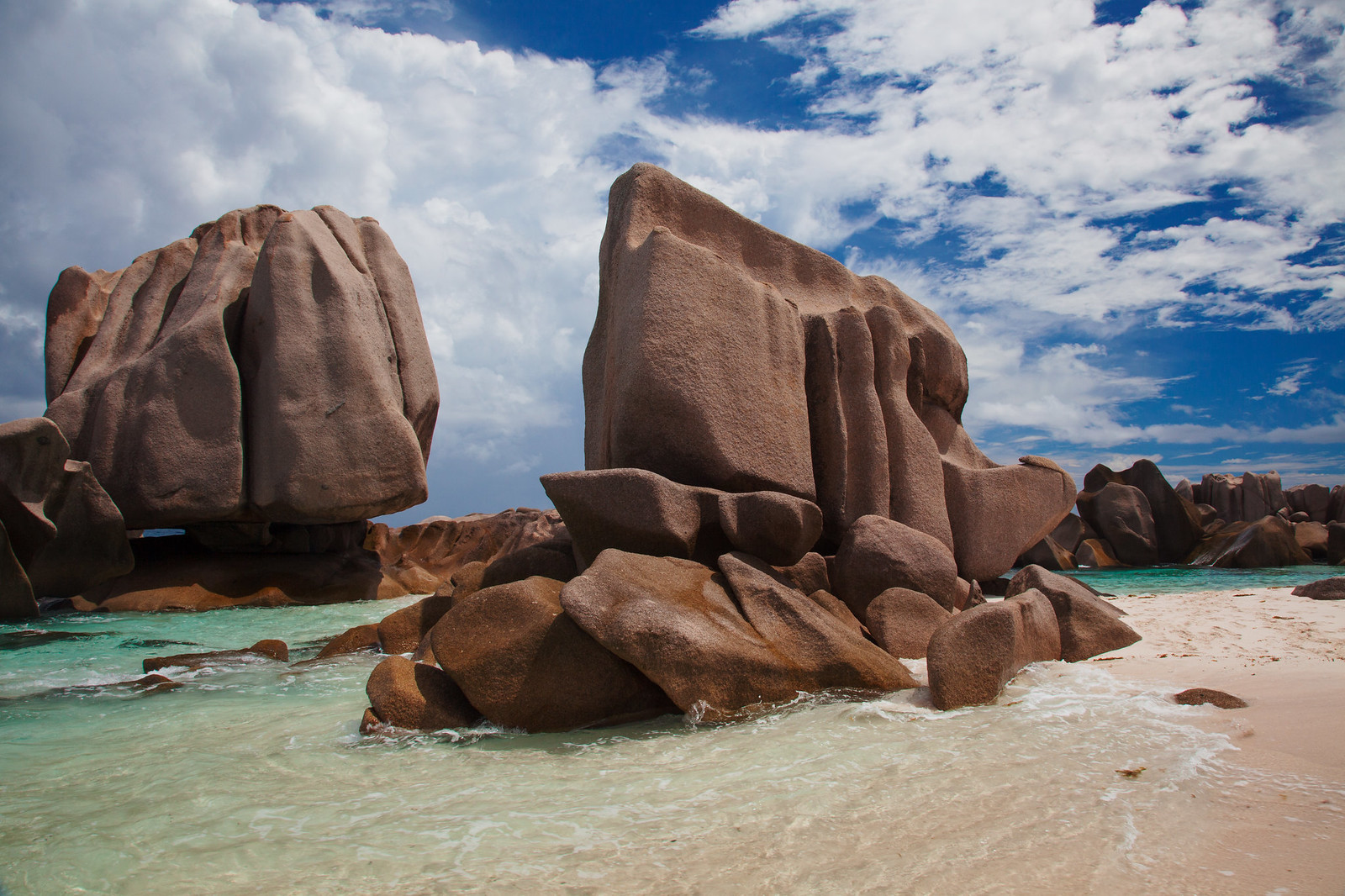
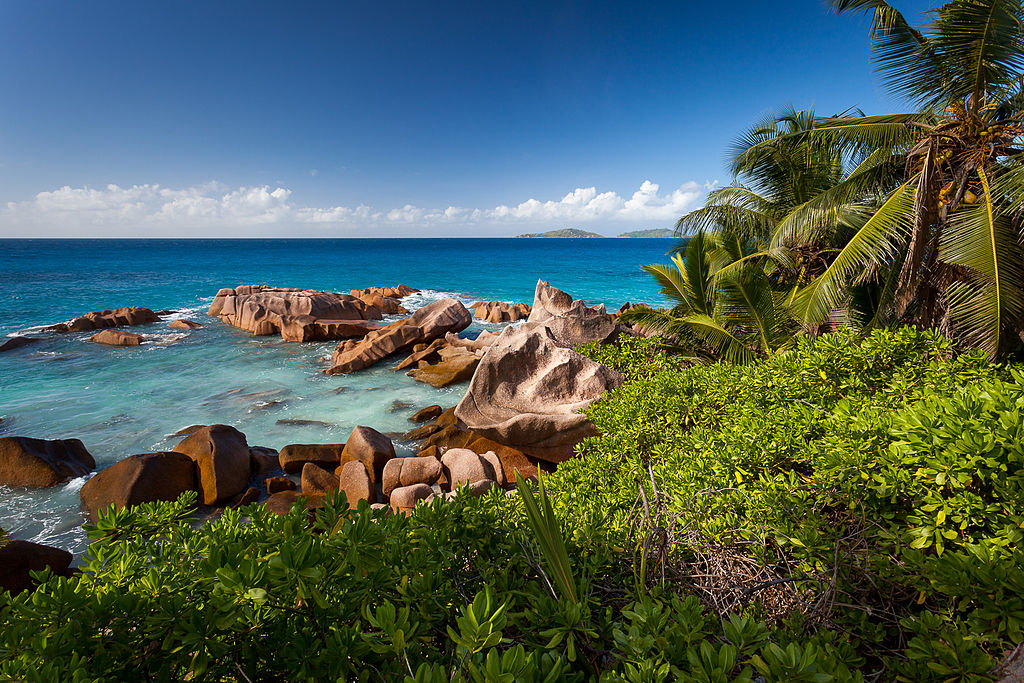
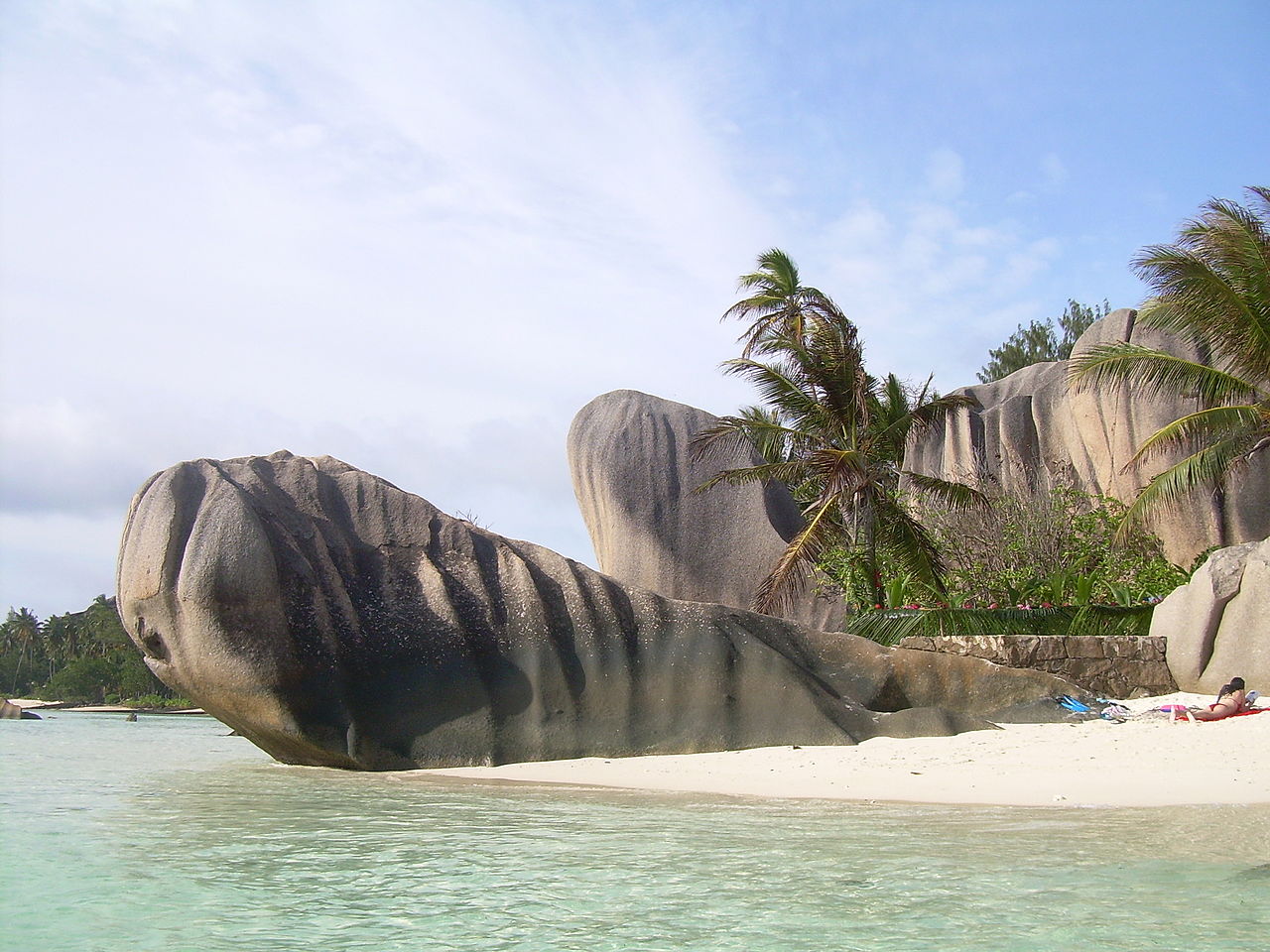
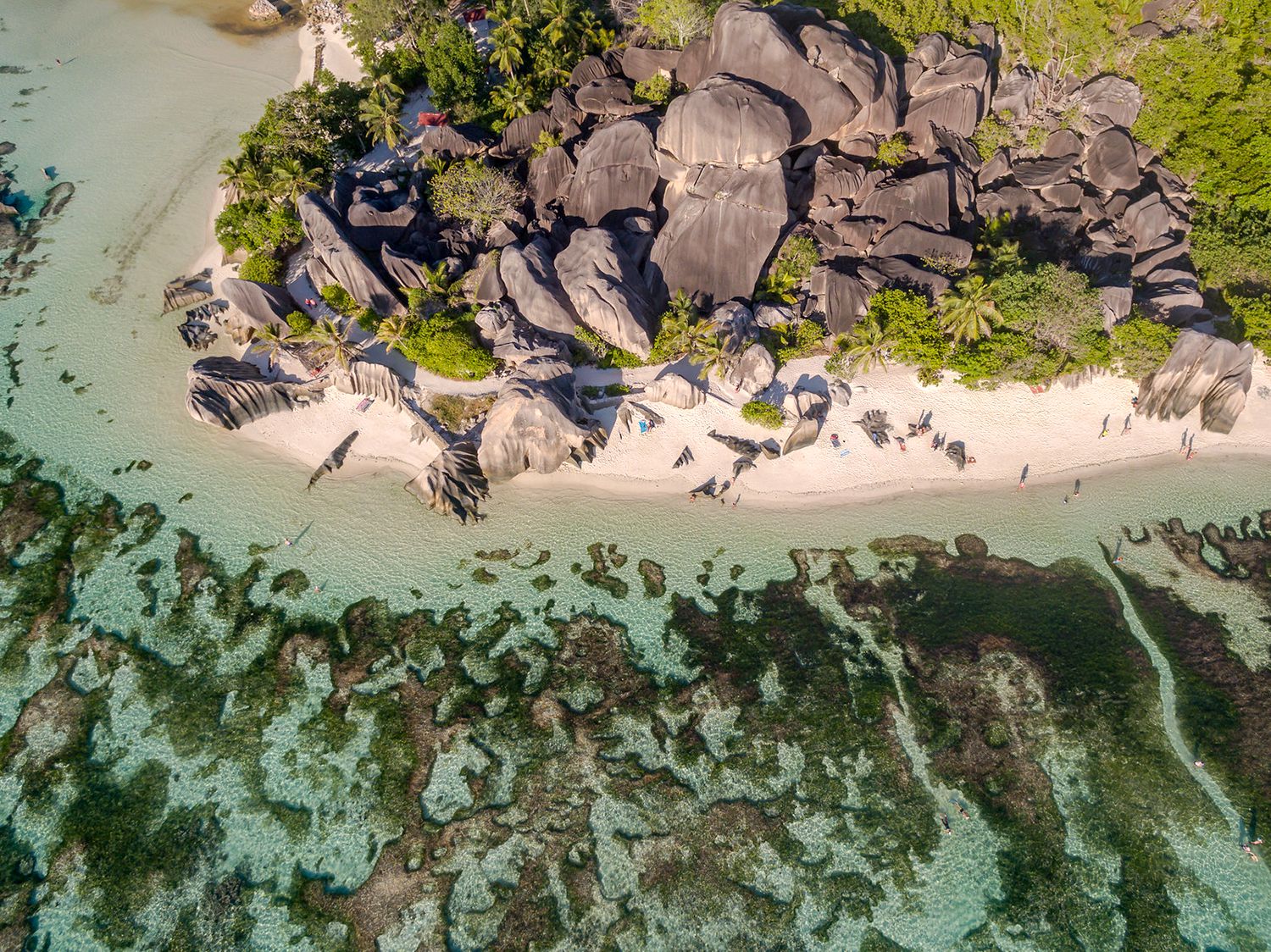
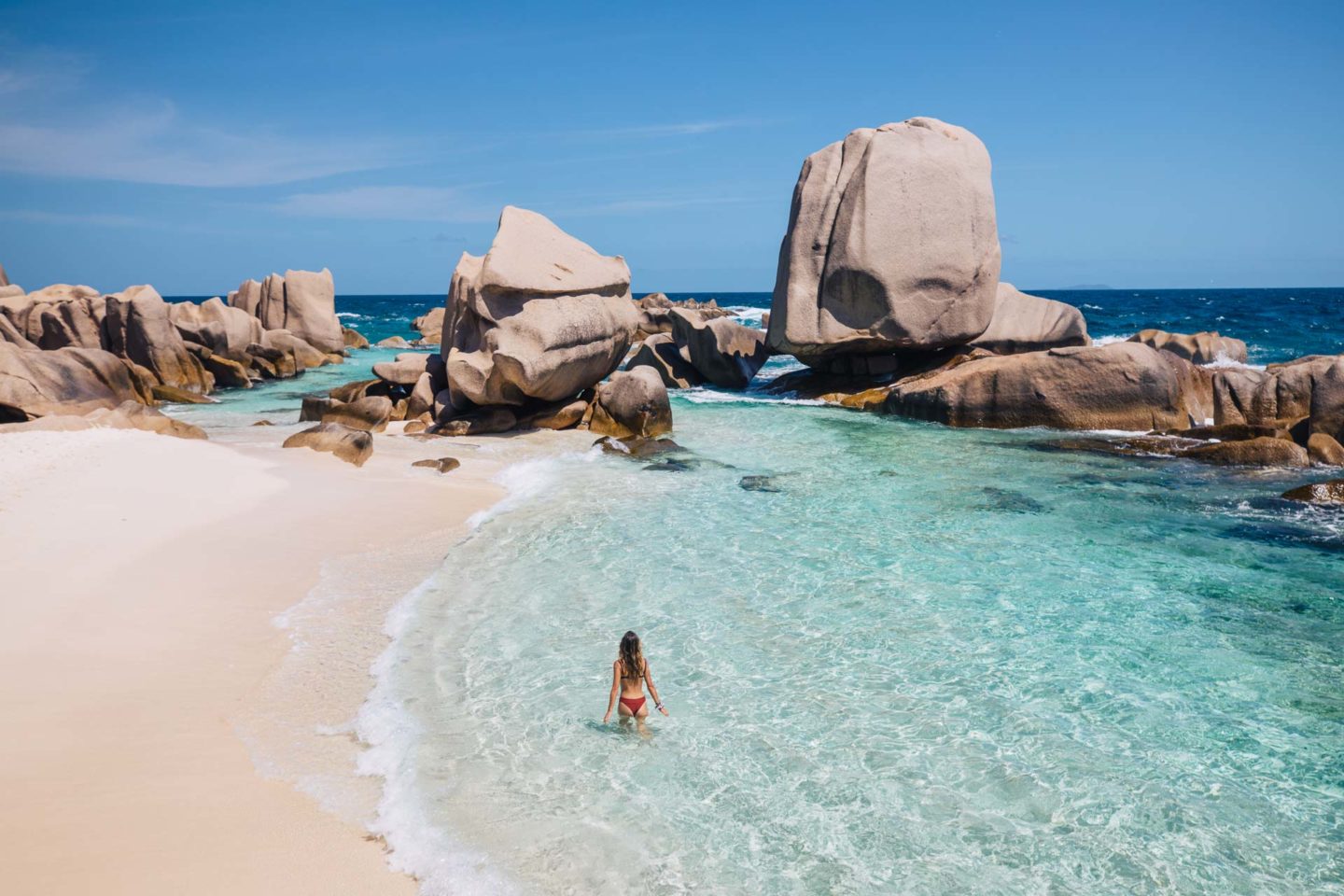
Located about six kilometers east of Praslin, La Digue covers barely 10 square kilometers, yet its beauty is immense. The island’s coastline is framed by ancient granite formations and beaches so pristine they seem unreal. Chief among them is Anse Source d’Argent, often called the most photographed beach in the world, where rose-tinted sand meets translucent water under sculpted boulders polished by centuries of tides.
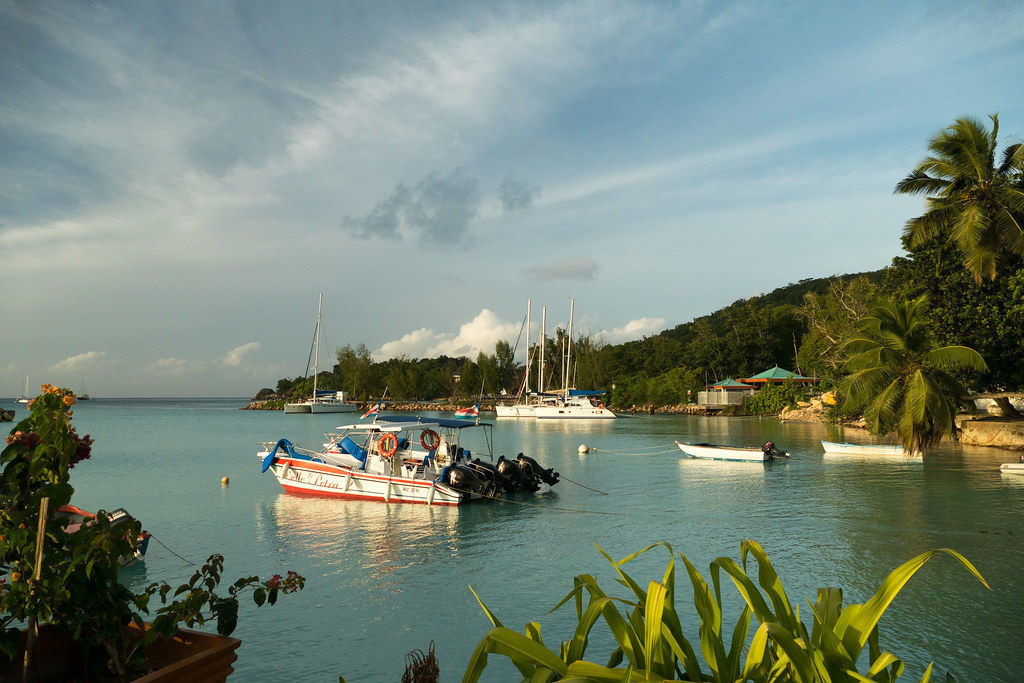
The island’s name dates back to a French ship that landed here in 1768, but its spirit belongs to nature and community. Most residents live in La Passe, the main village, where bicycles and ox-carts remain the preferred modes of transport. The air carries the scent of vanilla, coconut, and sea salt, blending into the rhythm of Creole songs and laughter.
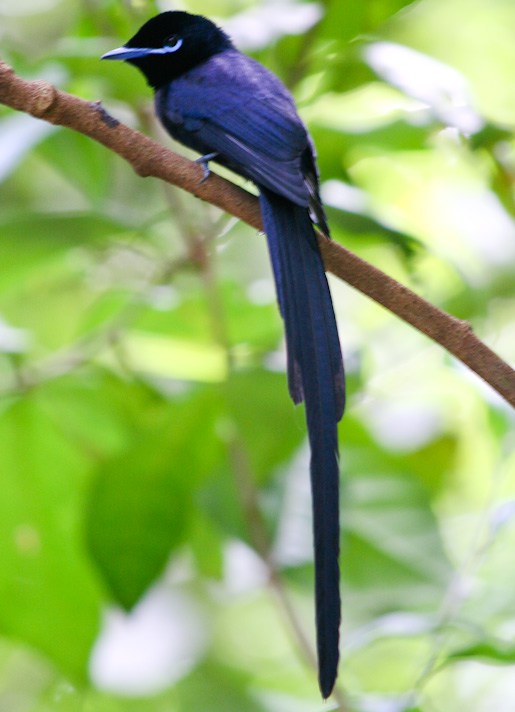
Beyond its beaches, La Digue offers hidden treasures. The Veuve Nature Reserve protects the endangered black paradise flycatcher, found nowhere else on earth. Inland, forest trails lead to Belle Vue, the island’s highest point, revealing panoramic views of Praslin and Félicité Island.
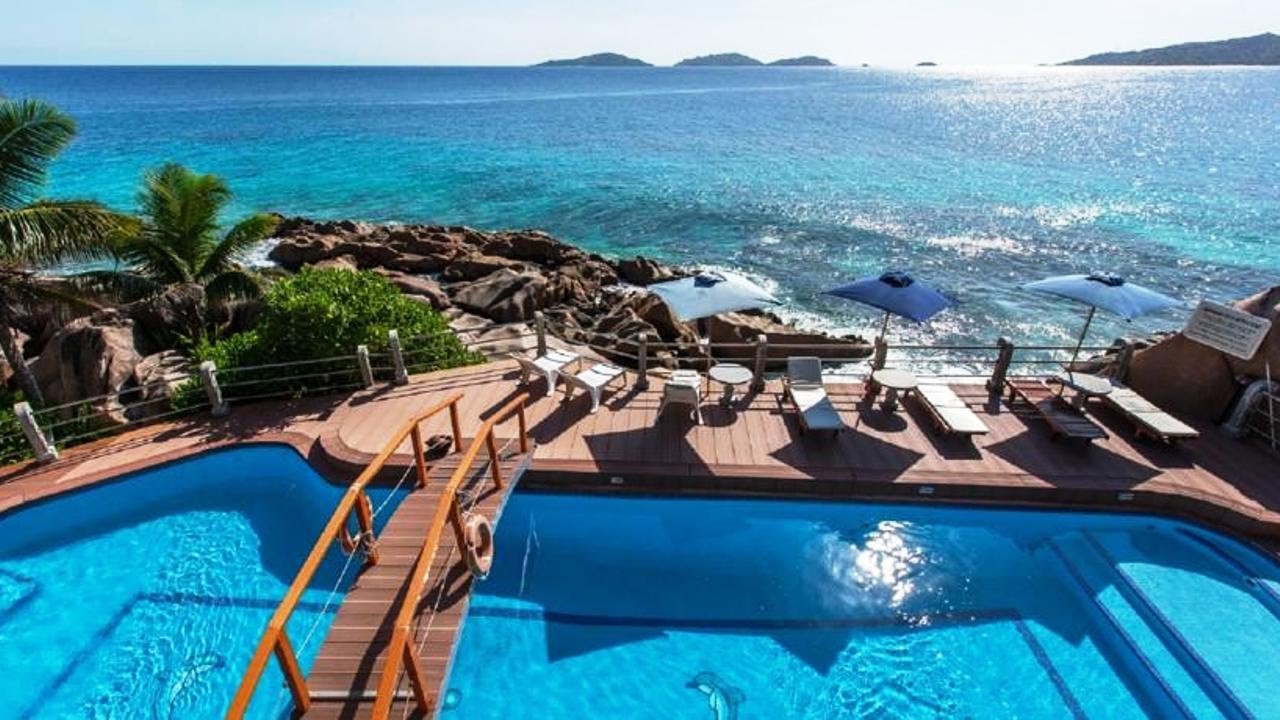
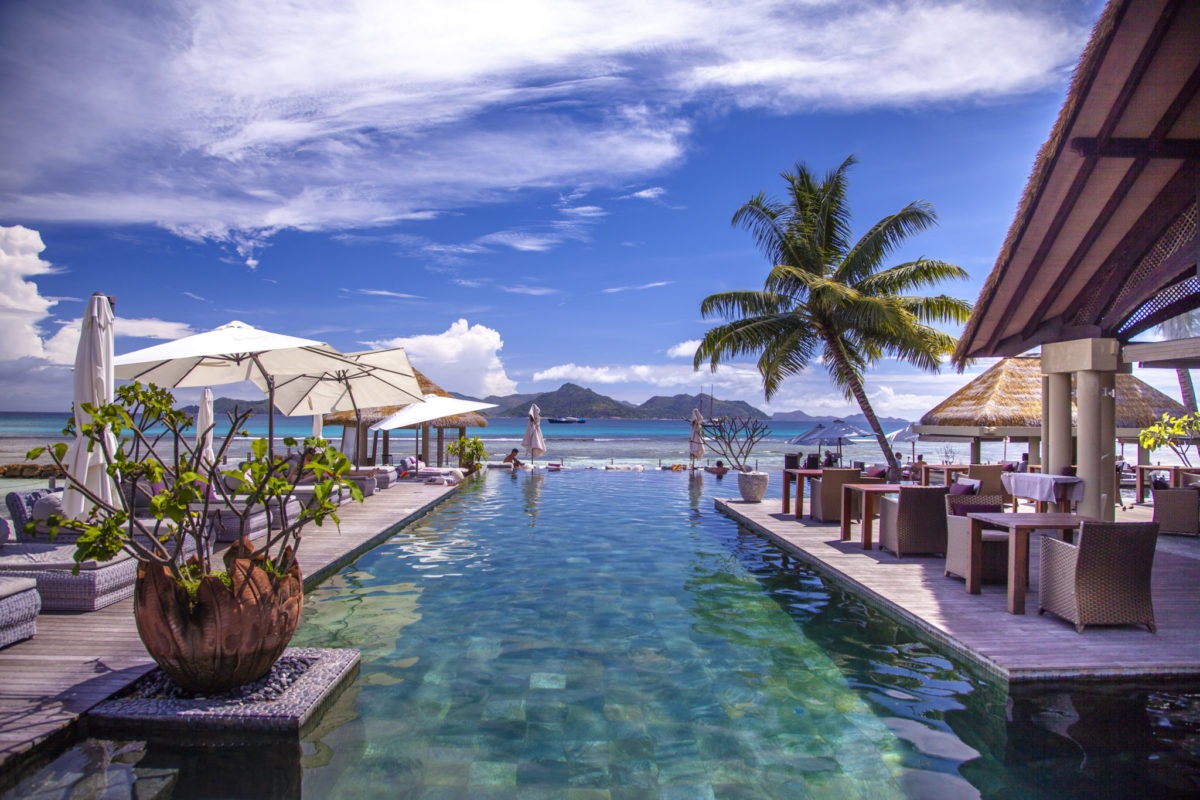
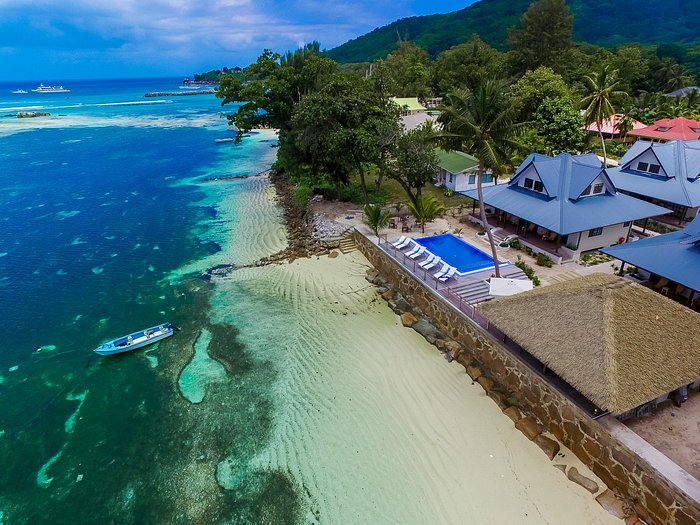
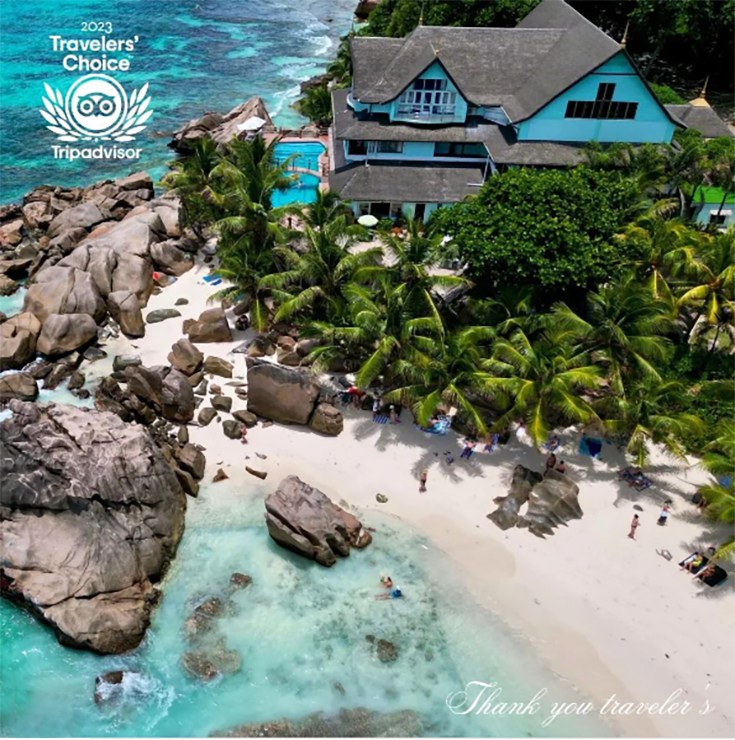
Life on La Digue moves slowly, inviting visitors to rediscover simplicity—fresh fish grilled by the shore, sunrise yoga by the sea, and nights lit by constellations undimmed by city light. Tourism here follows an eco-friendly philosophy, with small guesthouses and family-run lodges preserving the balance between livelihood and environment.
La Digue reminds us that paradise is not lost—it simply refuses to rush.