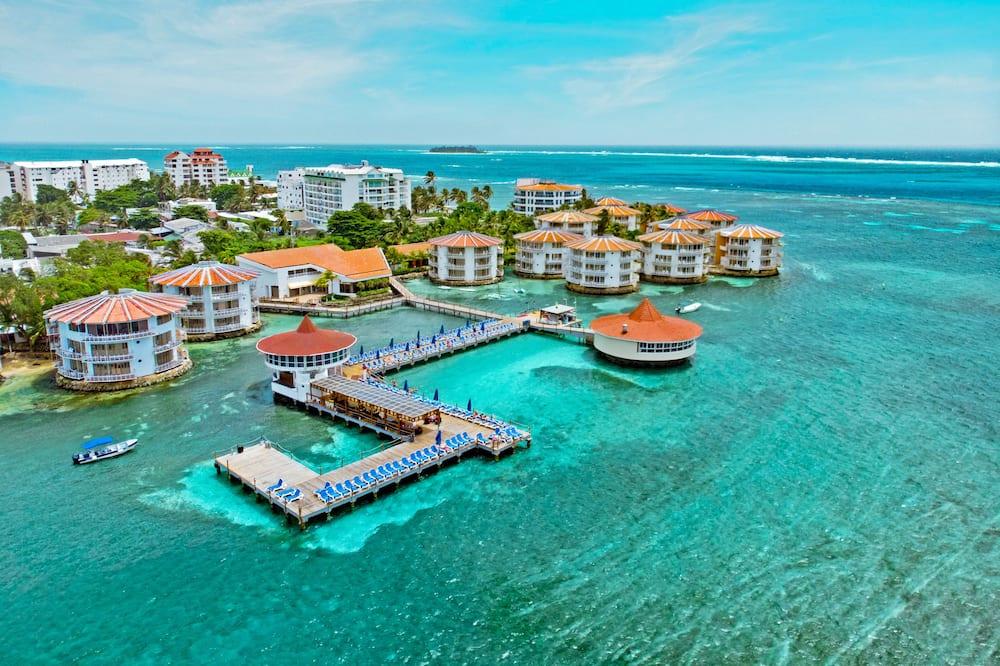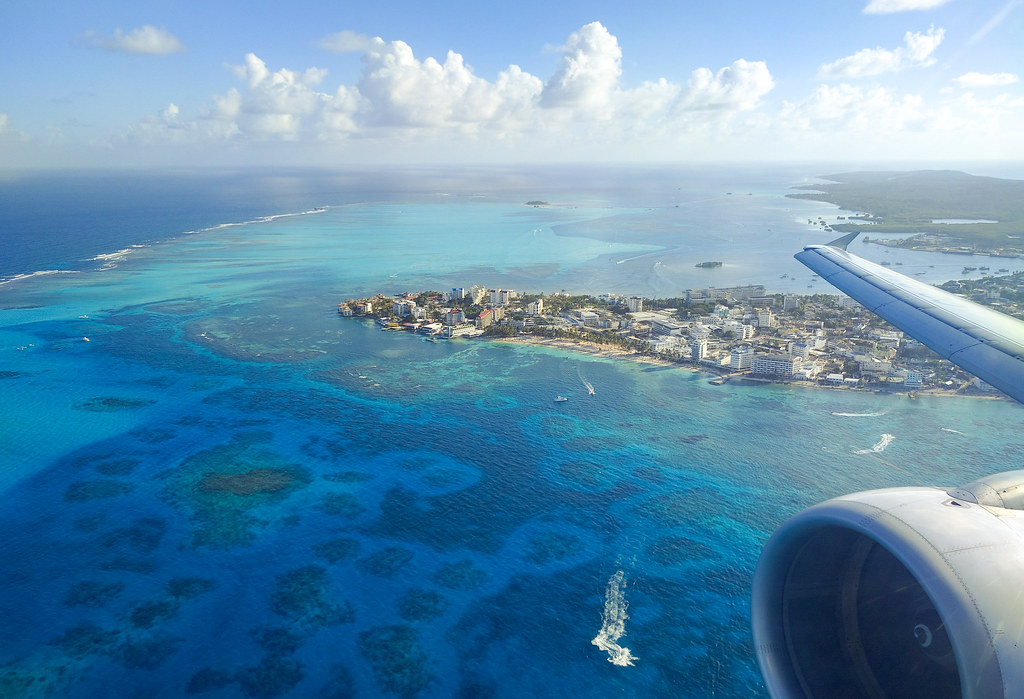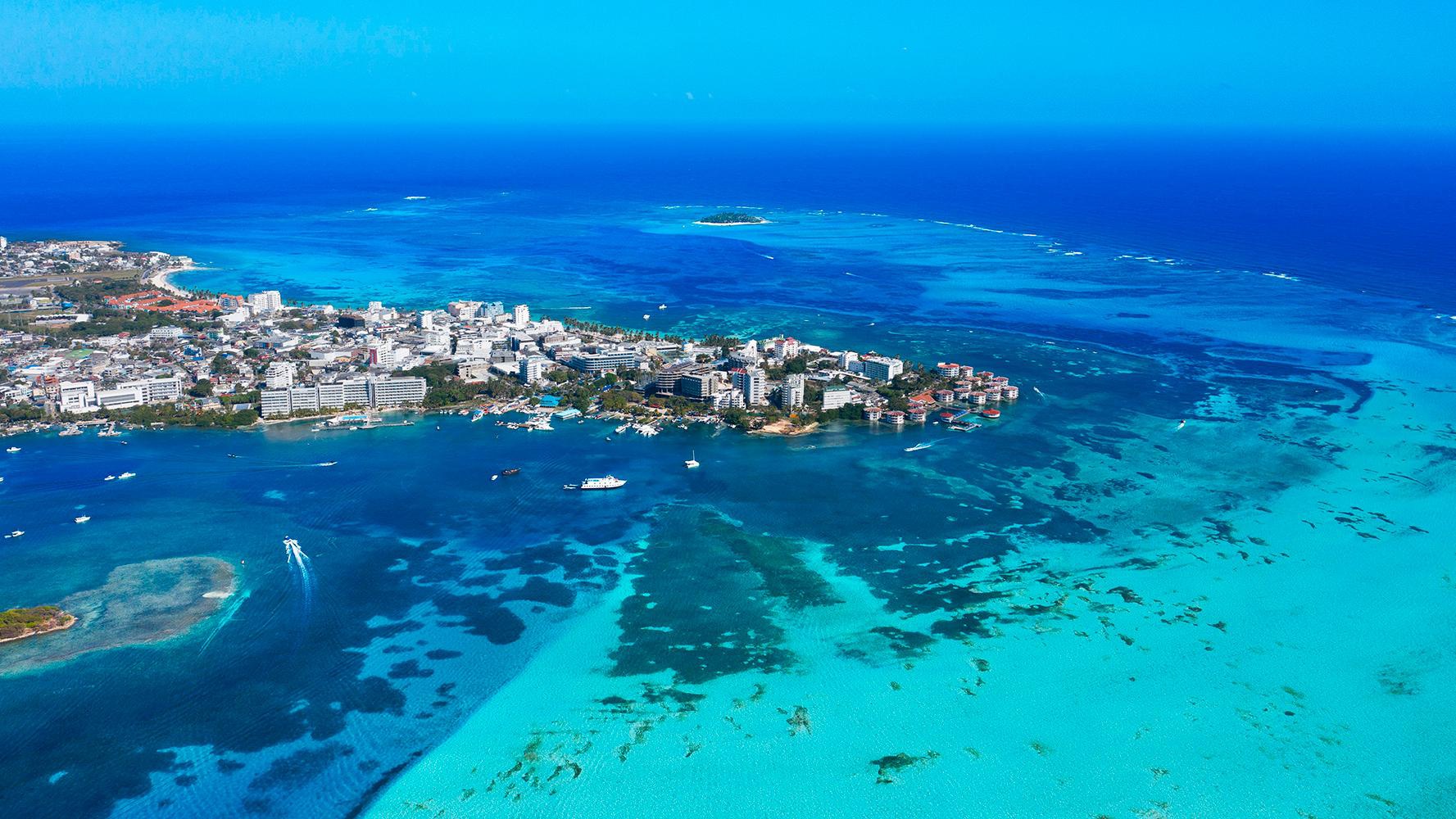
San Andrés Island, located about 775 kilometers northwest of mainland Colombia, is the crown jewel of the country’s Caribbean territory. Known for its white sand beaches, crystal-clear waters, and the dazzling “Sea of Seven Colors,” this island offers a vibrant mix of natural beauty, Afro-Caribbean culture, and laid-back charm.
The island is part of the San Andrés, Providencia and Santa Catalina Archipelago, declared a UNESCO Biosphere Reserve in 2000. Beyond its postcard-perfect beaches, San Andrés embodies Colombia’s cultural diversity—where reggae rhythms blend with Spanish, English, and Creole languages spoken by the locals.
Getting to San Andrés is simple, with daily flights from Bogotá, Medellín, and Cartagena. The airport is located just minutes from the main town, and from the moment you arrive, the warm Caribbean breeze greets you with the scent of salt and coconut.
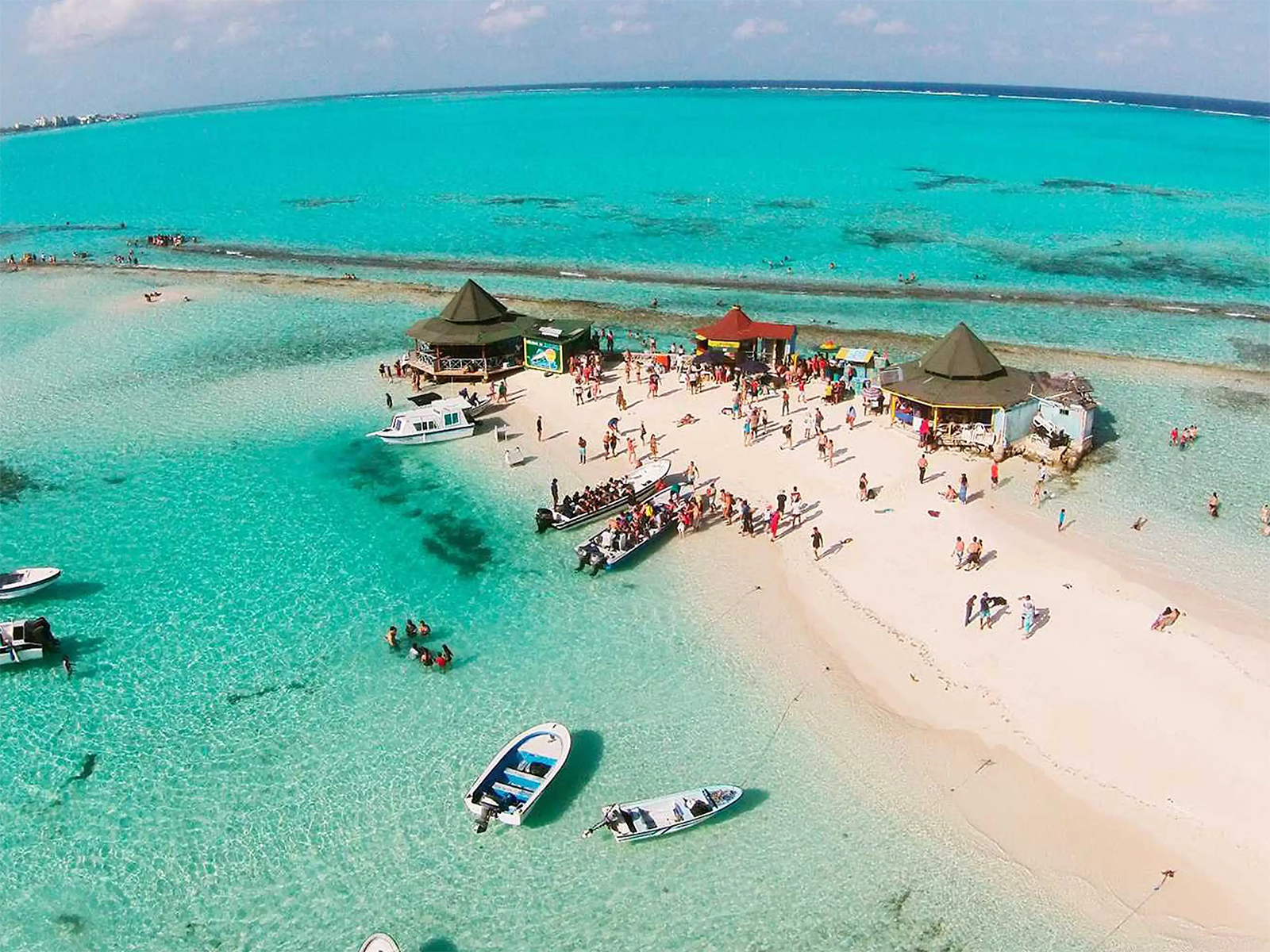
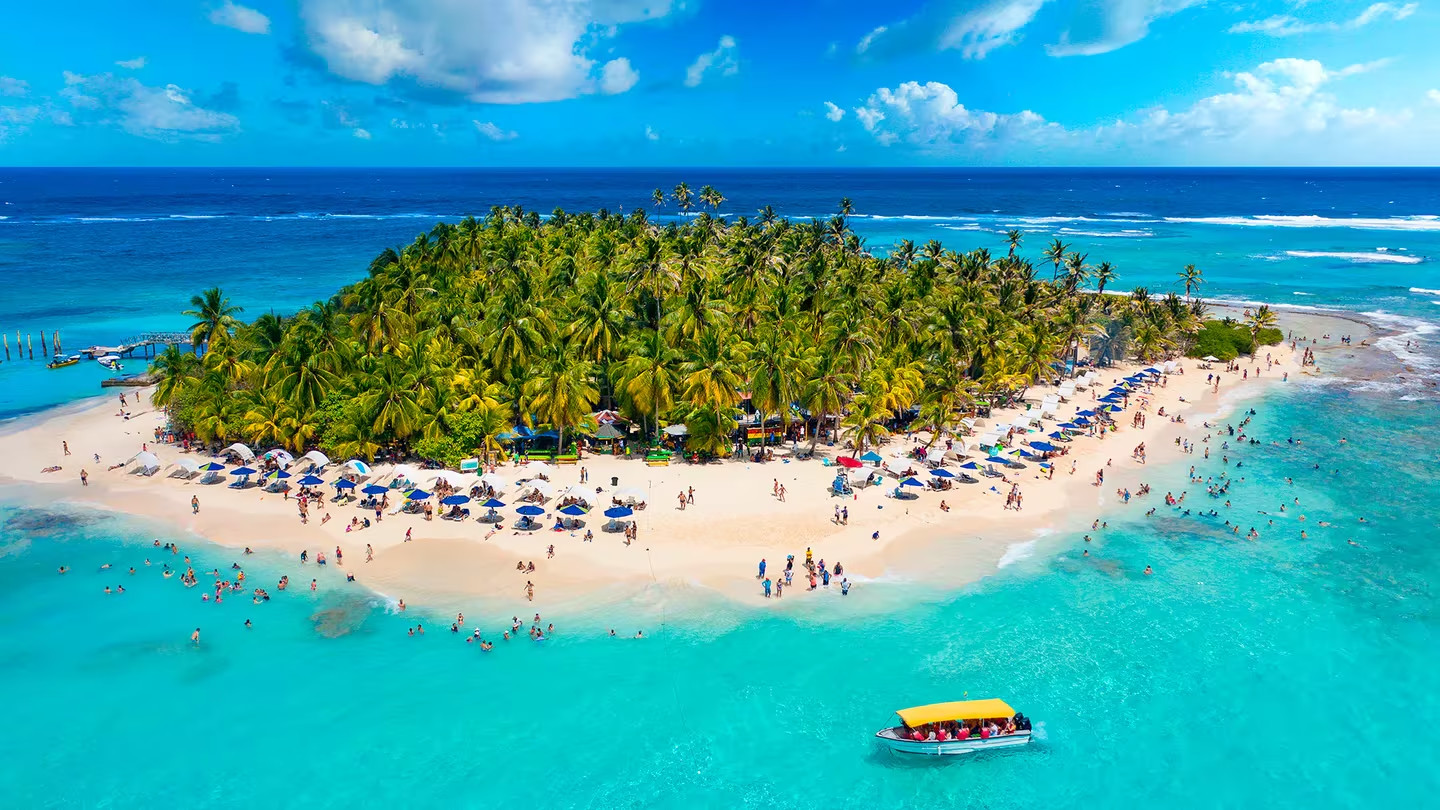
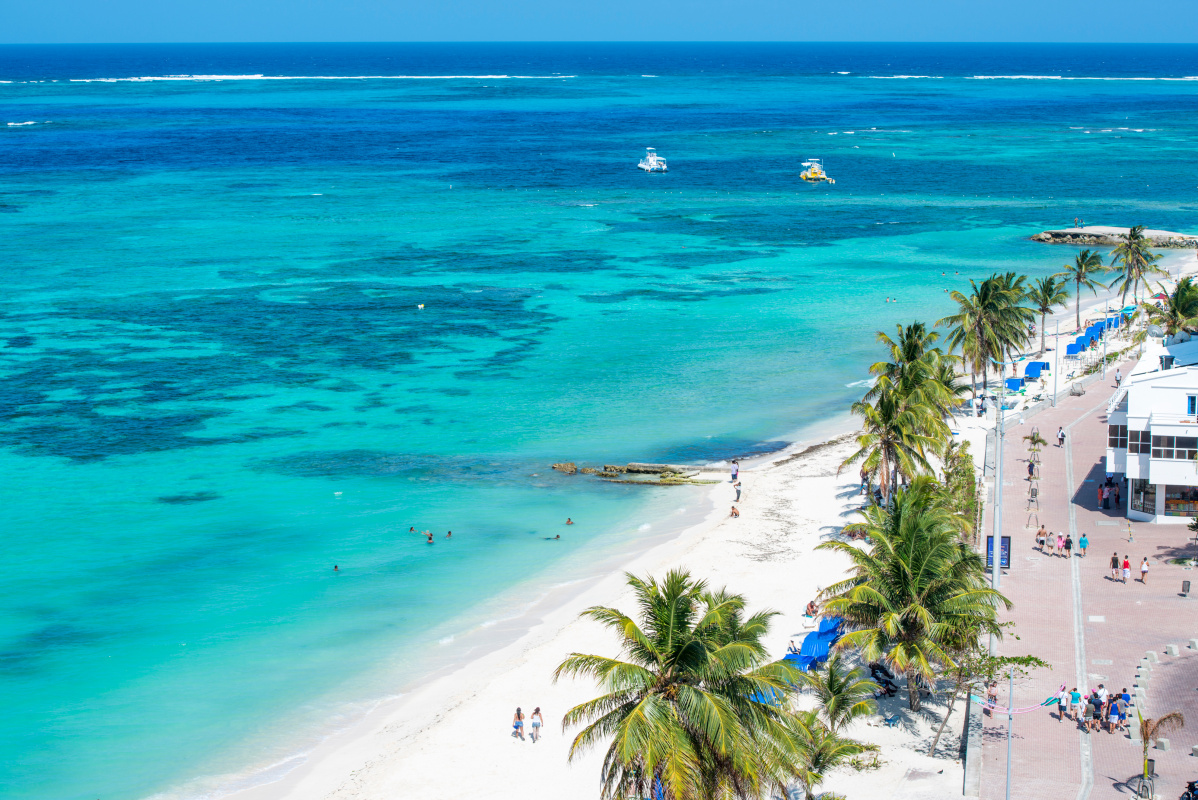
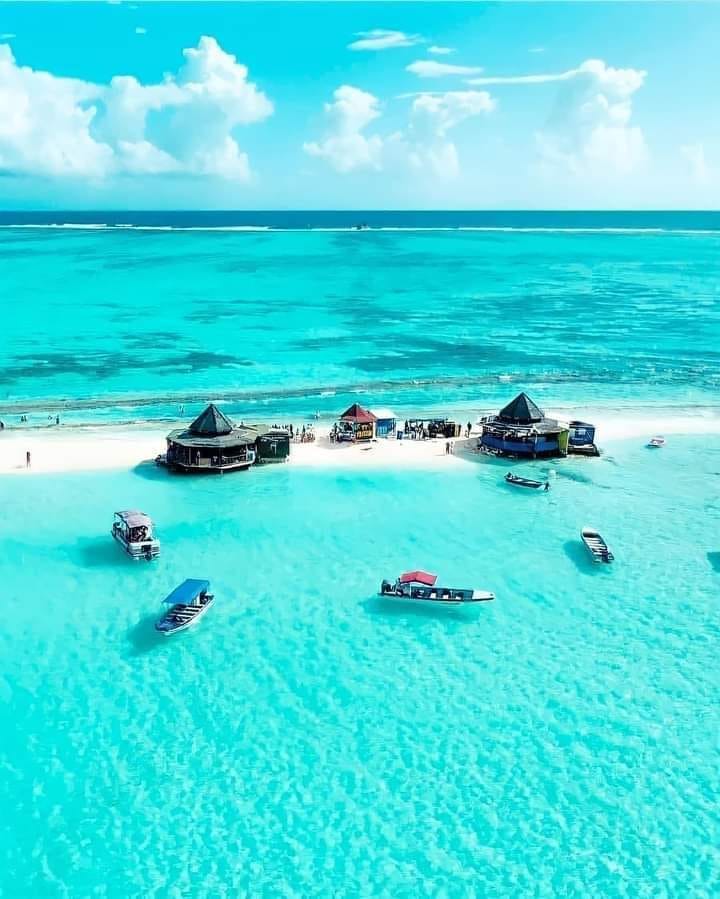
Exploring the island’s coastline is a sensory delight. The western coast offers calm, swimmable beaches like Spratt Bight, lined with palm trees and beach bars, while the east reveals rugged cliffs and hidden coves. A short boat ride will take you to Johnny Cay, a small island famous for its white coral sands, friendly iguanas, and fresh fish lunches served to the rhythm of island music.
The natural beauty of San Andrés extends below the surface. Snorkeling and diving around Coral Gardens or the underwater museum at West View reveal colorful marine life and coral reefs teeming with tropical fish. For the adventurous, the “Blow Hole” or Hoyo Soplador is a natural geyser where ocean pressure shoots water high into the air—a favorite among visitors.
San Andrés is not just about beaches. The island’s heart beats in La Loma, a lush hillside community where traditional wooden houses painted in bright colors tell the story of the Raizal people—descendants of African slaves, English settlers, and Spanish colonists. Here, visitors can experience authentic island life, local music, and the island’s signature dish: “rondón,” a seafood stew cooked with coconut milk and breadfruit.
Sustainability has become a priority for the island in recent years. With limited land and resources, San Andrés faces environmental challenges from mass tourism. Local initiatives now promote coral conservation, waste reduction, and eco-tours that highlight the fragile balance between nature and human activity.
A visit to San Andrés is more than a beach holiday—it’s an immersion in Caribbean identity, history, and hospitality. Whether you’re dancing to reggae at sunset, diving among coral reefs, or sharing stories with locals, the island leaves an impression that lasts long after you’ve left.
San Andrés is Colombia’s reminder that paradise is not just a place—it’s a feeling carried by its people, its rhythms, and its ever-changing sea of colors.