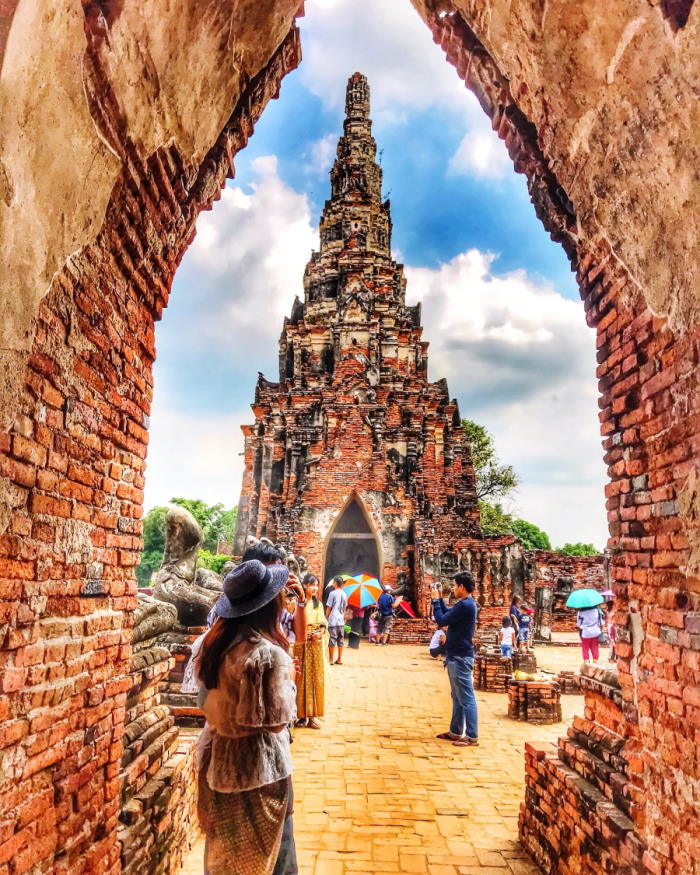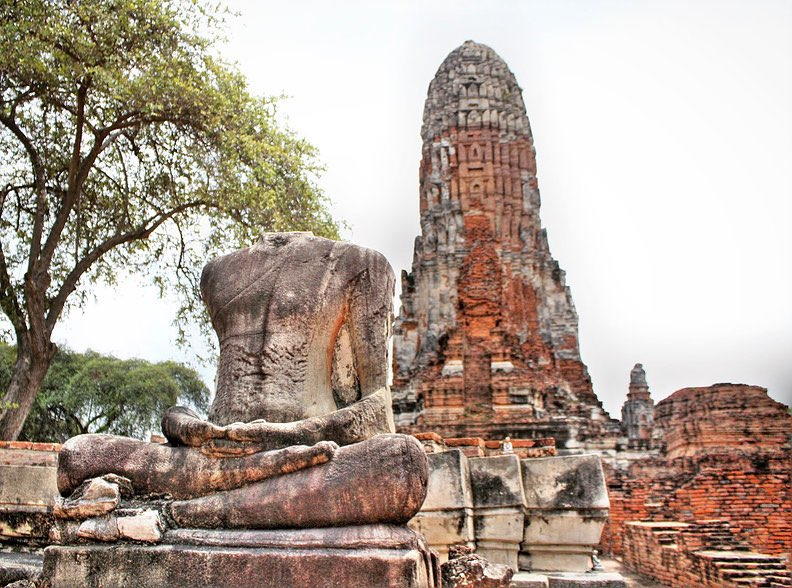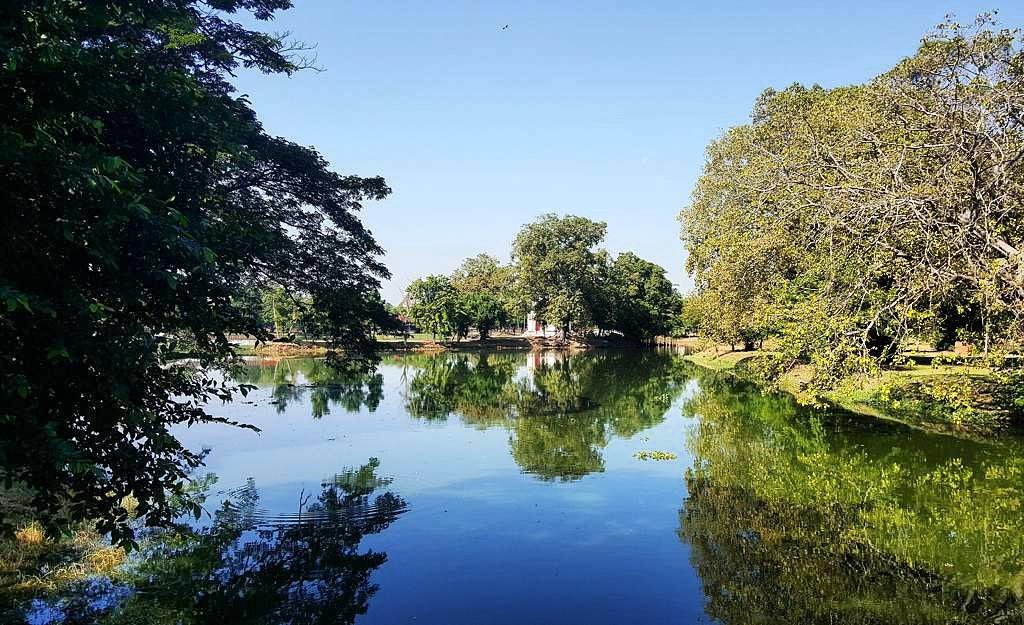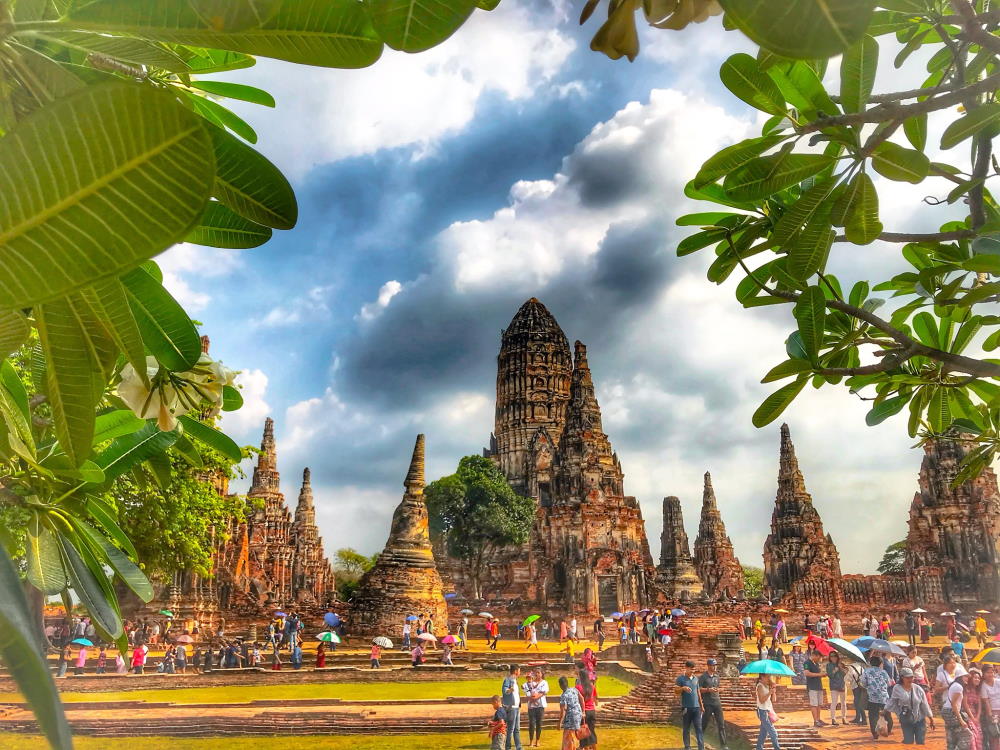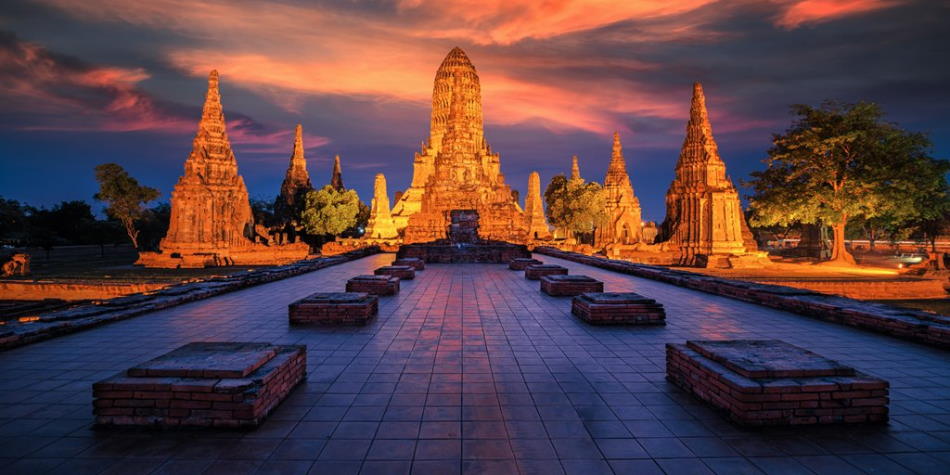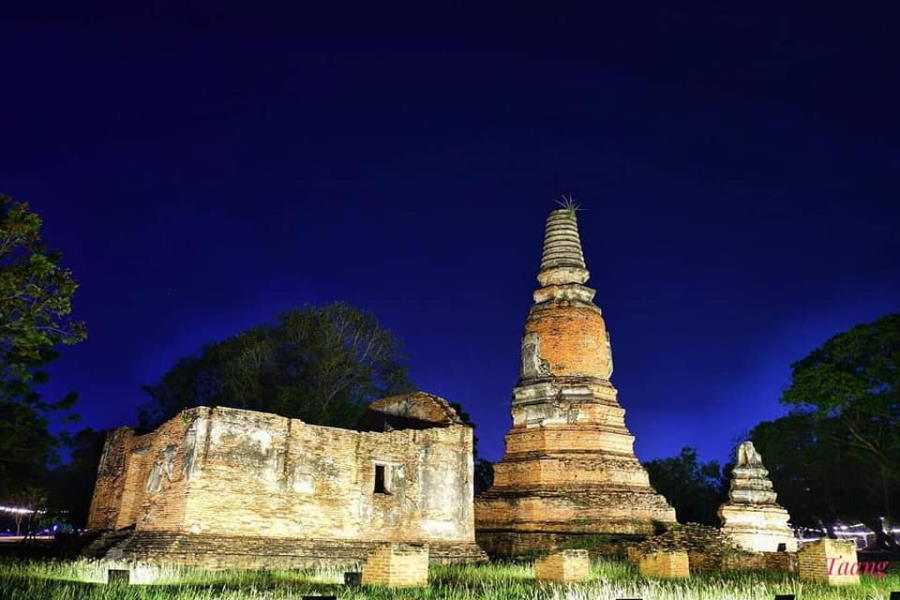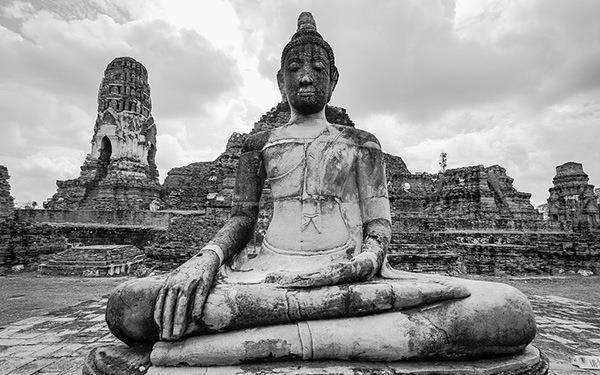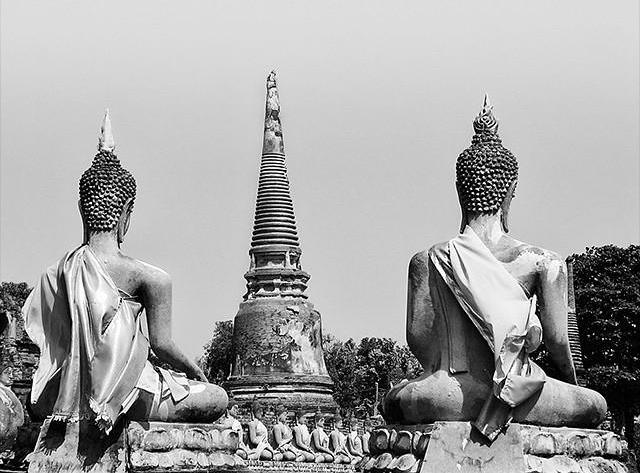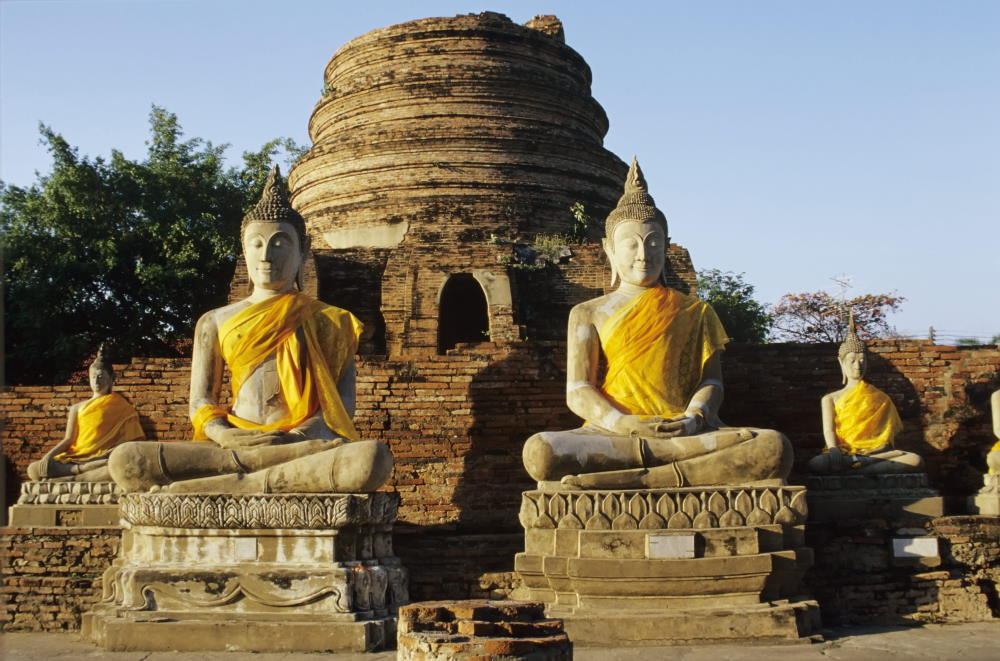
The Ayutthaya Historical Park, located on an island formed by the rivers Chao Phraya, Lopburi, and Pa Sak, is not merely a collection of ruins; it is the silent, sprawling testament to the might and artistic brilliance of the Kingdom of Ayutthaya, which once flourished as Siam’s capital for 417 years (1351–1767). Covering an area of 4,810 rai (approximately 770 hectares), the park was officially recognized as the "Historic City of Ayutthaya" UNESCO World Heritage Site on December 13, 1991.
A Legacy Born of Water and Power
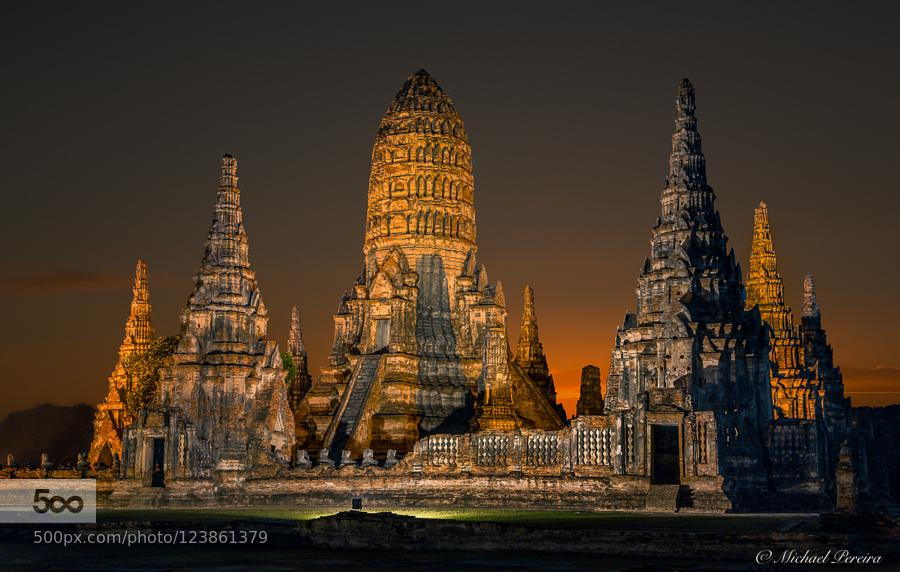
The city was founded in 1351 by King U Thong (Somdet Phra Ramathibodi I) at a strategic point that offered both defense and excellent trade access. Its location on a river island made it a hub for international commerce, attracting merchants from China, Japan, India, Portugal, France, and the Netherlands. This cosmopolitan environment fueled an architectural and artistic golden age, visible in the blend of Khmer and Sukhothai styles that characterize its temples and palaces.
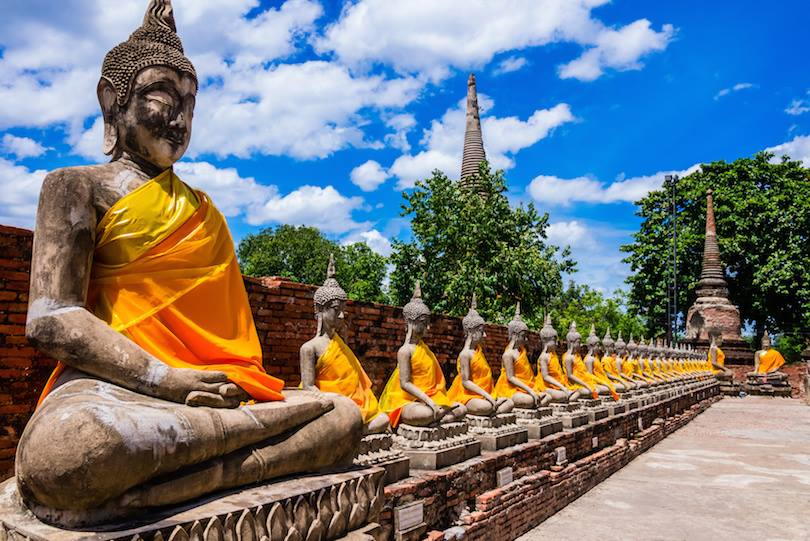
Ayutthaya grew to be one of the world’s largest and most important cities in the 17th century, a glittering metropolis whose influence stretched across Southeast Asia. Its central Grand Palace (Phra Ratcha Wang Luang), though largely destroyed, was the spiritual and governmental heart of the kingdom, and its temples housed incredible treasures and colossal Buddha images.
Destruction and Rebirth: The Cycles of History
The city’s grandeur was tragically interrupted in the 18th century. After centuries of conflict, the Burmese army sacked and destroyed Ayutthaya in 1767. Following this devastating attack, the capital was moved south, eventually leading to the foundation of Bangkok (Rattanakosin) by King Rama I (Phra Phutthayotfa Chulalok the Great). Unfortunately, much of the remaining brickwork and materials from Ayutthaya’s magnificent structures were later removed to build the new capital, leaving the monuments in a state of ruin and neglect.
It was not until the reign of King Mongkut (Rama IV) in the mid-19th century that serious efforts to conserve and restore Ayutthaya’s ancient sites began. This commitment was formalized under King Chulalongkorn (Rama V), who tasked Phraya Boran Ratchathanin, the Commissioner of Krung Kao Monthon (Old Capital Region), with the excavation and maintenance of the Royal Palace grounds.
Key Architectural Marvels within the Park
The restoration work, formally begun in 1977 and later consolidated under the Ayutthaya Historical Park project in 1976, focuses on several pivotal sites that reveal the kingdom’s religious and political structure. Key among them are:
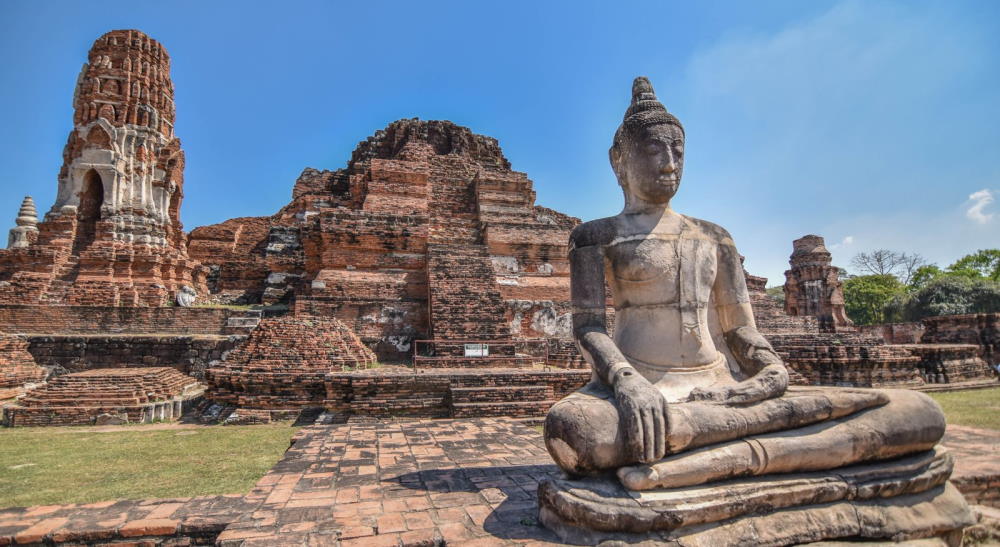
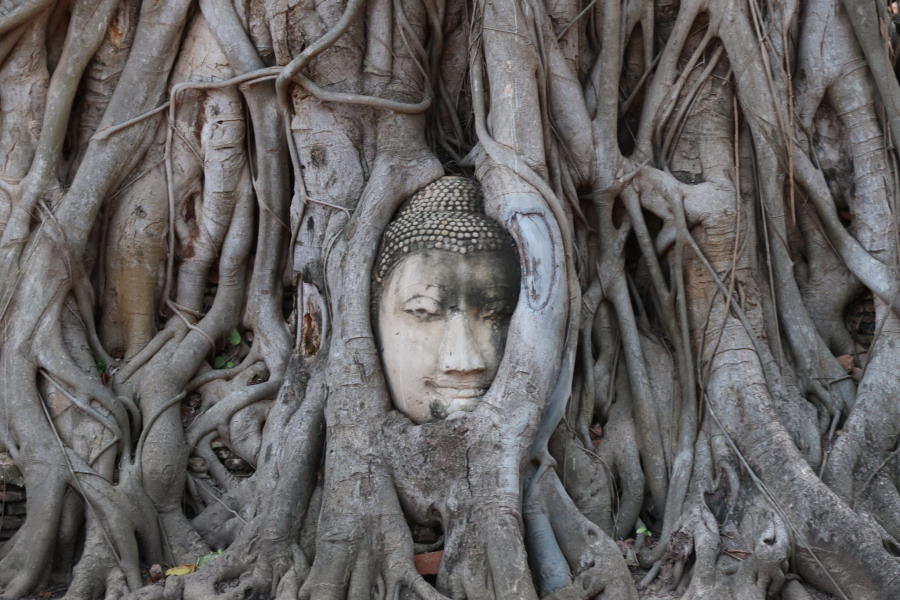
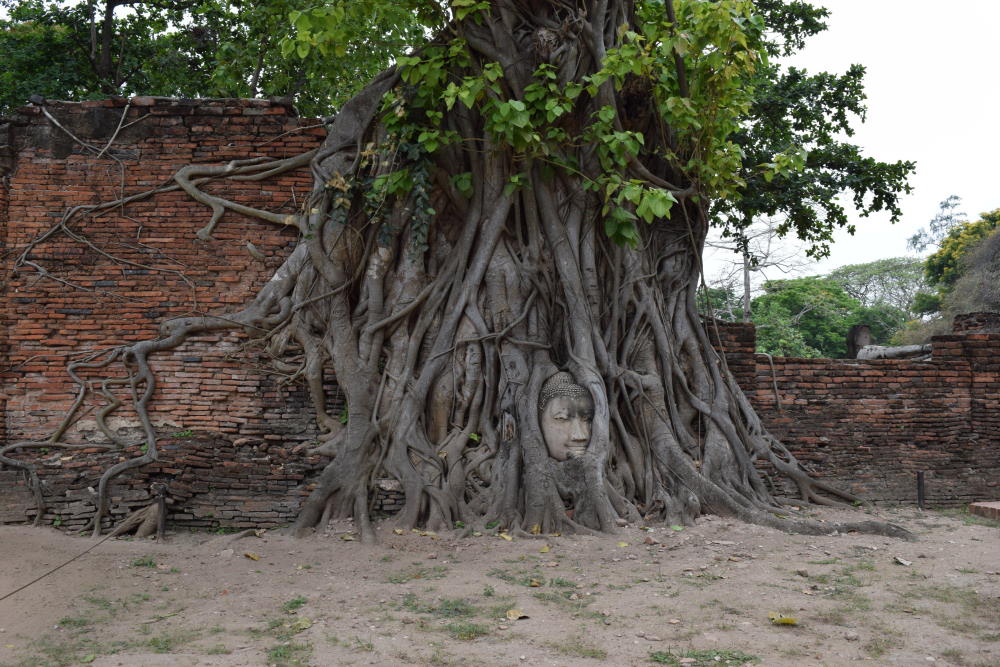
- Wat Mahathat (Temple of the Great Relic): Founded by King Borommarachathirat I, this temple is famous for the iconic Buddha head famously entwined within the roots of a Bodhi tree, a powerful symbol of the city’s endurance and spiritual connection to nature. The main prang (Khmer-style tower) was once one of the tallest structures in the city.
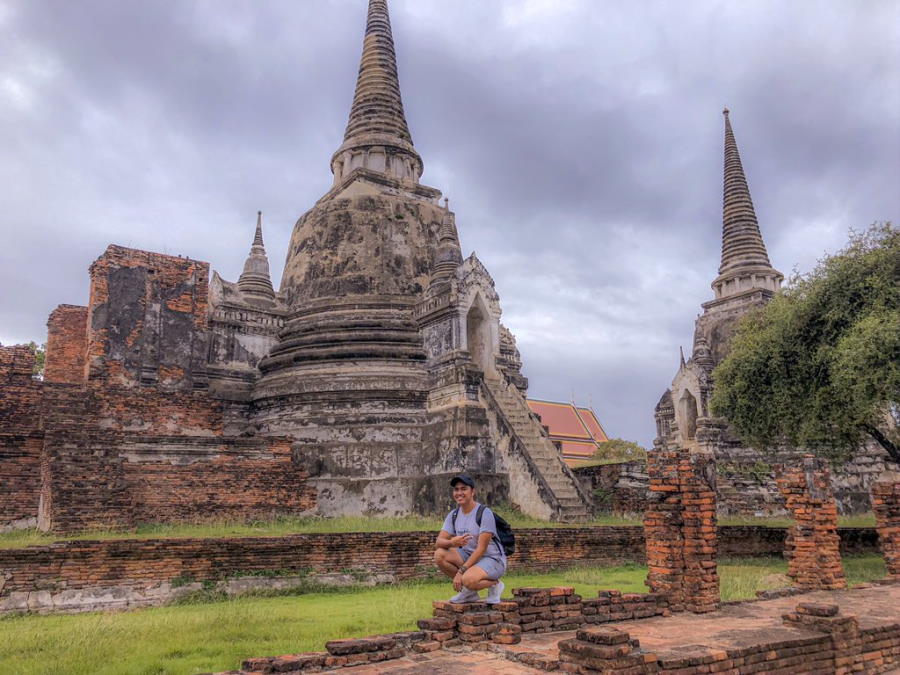
- Wat Phra Si Sanphet (Temple of the Holy, Splendid Omniscient): This temple, founded by King Borommatrailokkanat, served as the royal monastery and the most important temple within the Royal Palace complex. Its three magnificent chedis (stupas) are the most recognizable feature of Ayutthaya’s skyline, enshrining the ashes of three important kings. It contained a 16-meter tall standing Buddha image covered in gold, which was sadly destroyed in 1767.
- Wat Ratchaburana (Temple of the Royal Restoration): Built by King Borommarachathirat II to cremate his two elder brothers who died fighting over the throne, this temple is famous for its large prang which yielded a massive cache of golden artifacts and royal treasures during a 1957 excavation, providing invaluable insight into Ayutthaya’s wealth.
- Viharn Phra Mongkhon Bophit: This sanctuary houses one of Thailand’s largest bronze Buddha images, the Phra Mongkhon Bophit, which was cast during the reign of King Prasat Thong. Though the original Viharn (assembly hall) was damaged, the current structure and the colossal, revered image stand as a testament to Ayutthaya’s craftsmanship.
- The Grand Palace (Phra Ratcha Wang Luang): The former seat of power, the palace grounds contain the foundations of several impressive halls and thrones, established originally by King Ramathibodi I.
UNESCO Recognition and Ongoing Preservation
In 1975, the Fine Arts Department began a comprehensive conservation program. The park’s official boundary was established, covering the current 4,810 rai. The UNESCO World Heritage designation in 1991 underscored the site’s Outstanding Universal Value—a city that was a major center for both global diplomacy and the development of classical Thai art. The preservation efforts today are a continuous dialogue between archaeological rigor and conservation science, ensuring that these spectacular ruins remain for future generations to witness the glory of the old Siamese capital.
Visiting Ayutthaya
Ayutthaya is easily accessible from Bangkok via a 75 km drive north. Visitors are encouraged to explore the ruins by bicycle to cover the vast area effectively. The park offers a profound historical experience, illustrating a civilization that was both magnificent in its prime and tragic in its fall. It serves as a vital historical bridge connecting the Sukhothai period with the rise of the current Rattanakosin Kingdom (Bangkok).