A Journey Through 11,000 Years: From Canaanite Worship to Roman Grandeur**
Baalbek, a city nestled east of the Litani River in Lebanon’s Beqaa Valley, holds a history that spans at least 11,000 years, making it one of the longest continually inhabited sites in the world. Originally dedicated to a Canaanite triad—a male god (Ba’al), his consort (Astarte), and their son (Adon)—the site’s true claim to global fame emerged in the wake of the Hellenistic and Roman periods. Following Alexander the Great’s conquest in 334 BCE, the city was renamed Heliopolis, or "Sun City," a name that reflected the enduring solar cult practiced there.
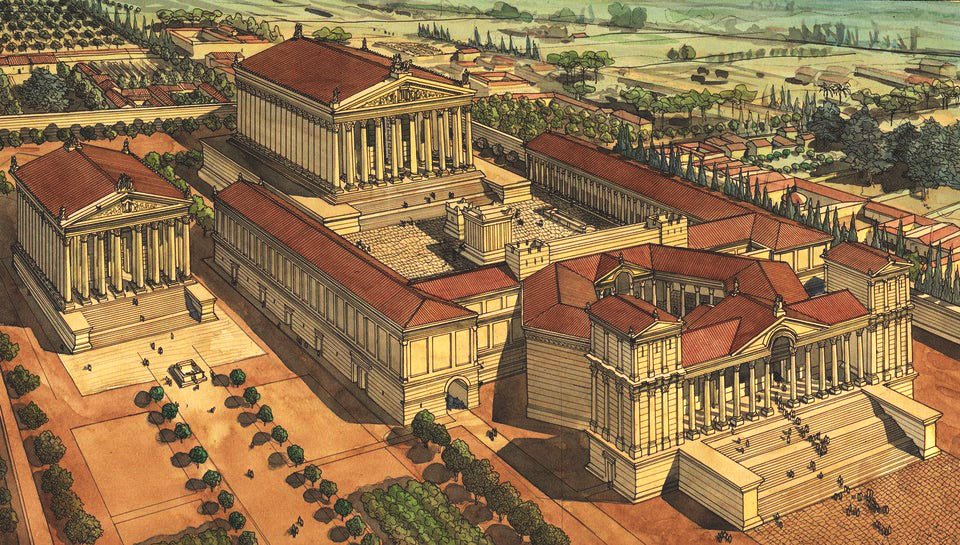
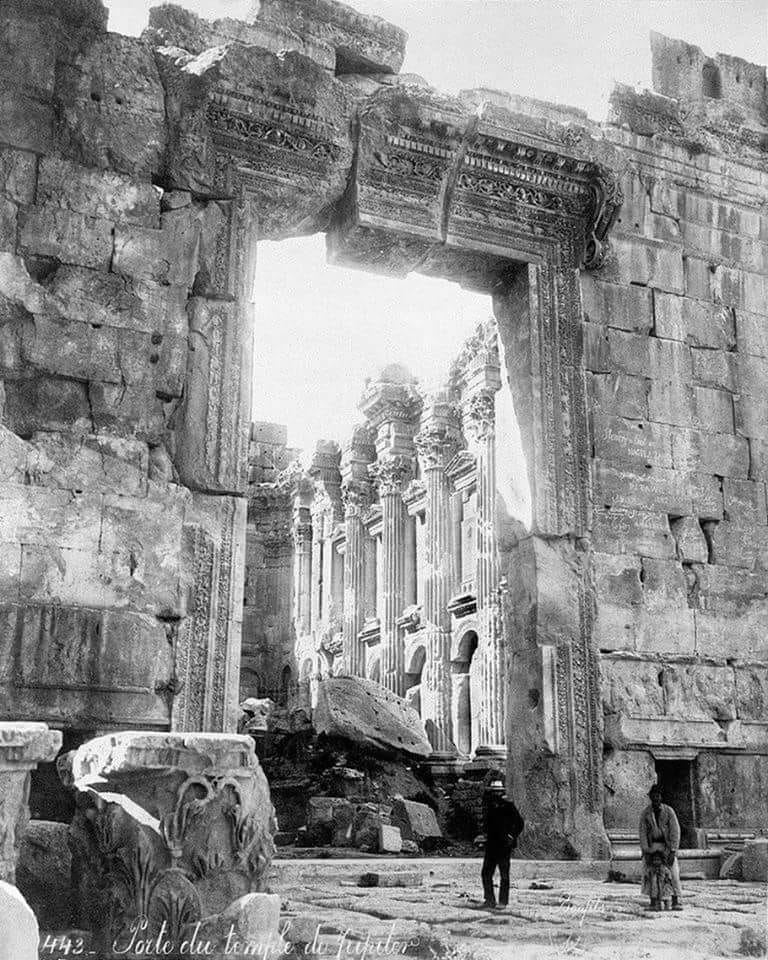
Under Roman rule, the city truly flourished, becoming the site of one of the largest and most magnificent temple complexes in the entire empire. It was made a Roman colony, Colonia Julia Augusta Felix Heliopolitana, and was garrisoned by Roman legions. The monumental construction that took place, particularly the Temple of Jupiter, solidified the city’s importance as a prominent pilgrimage site and oracle, with its cult spreading far across the empire, even reaching as far as Britain.
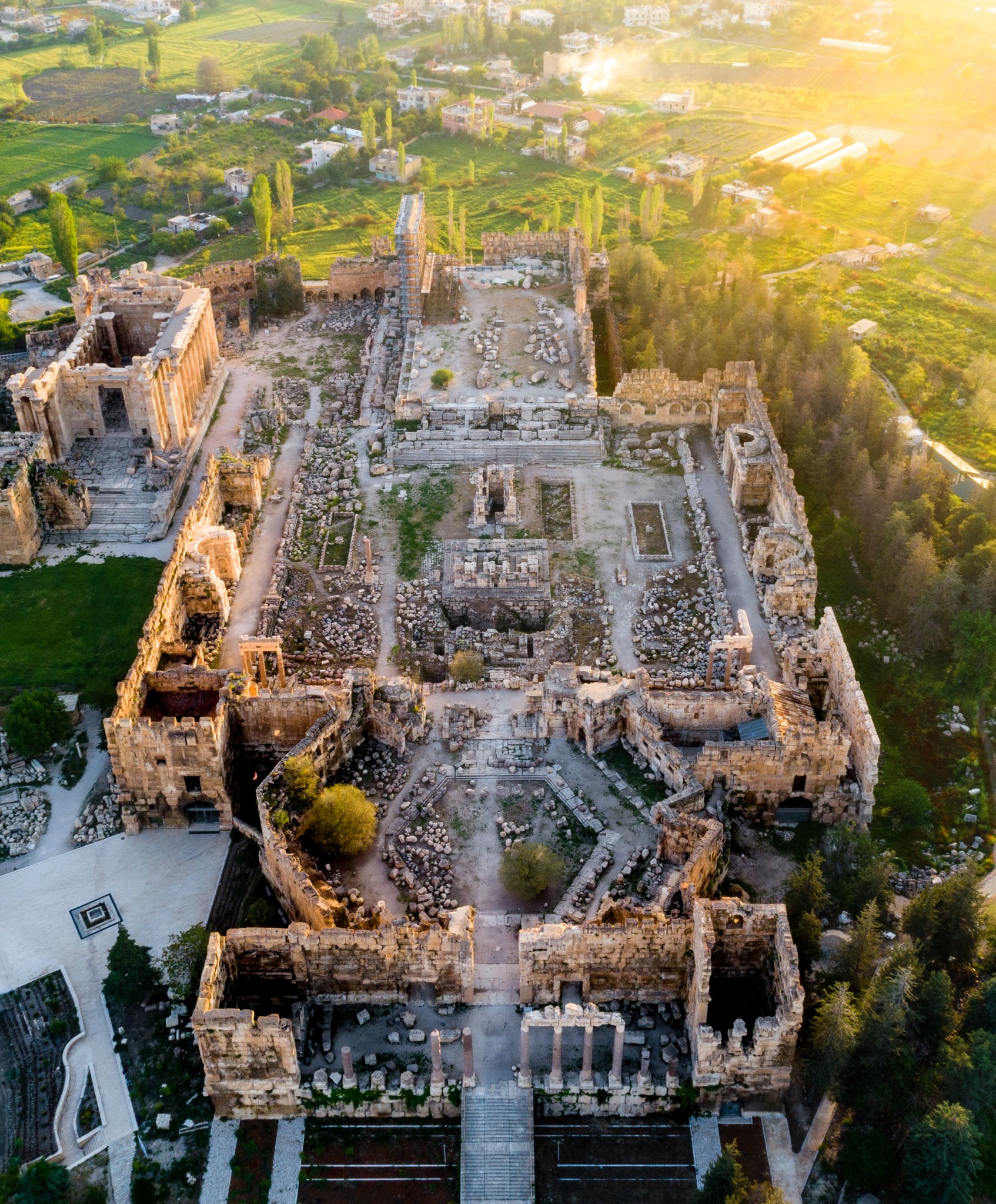
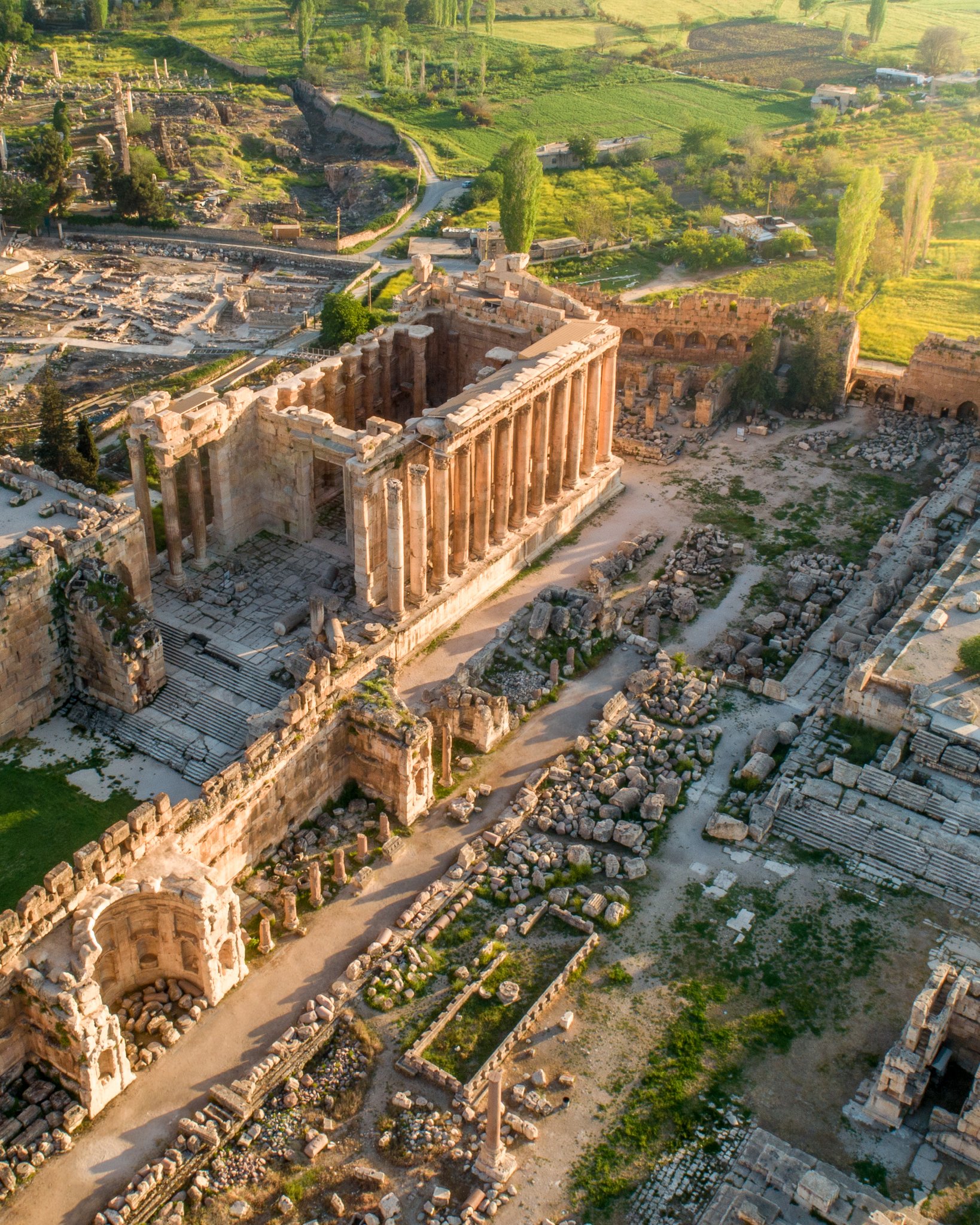
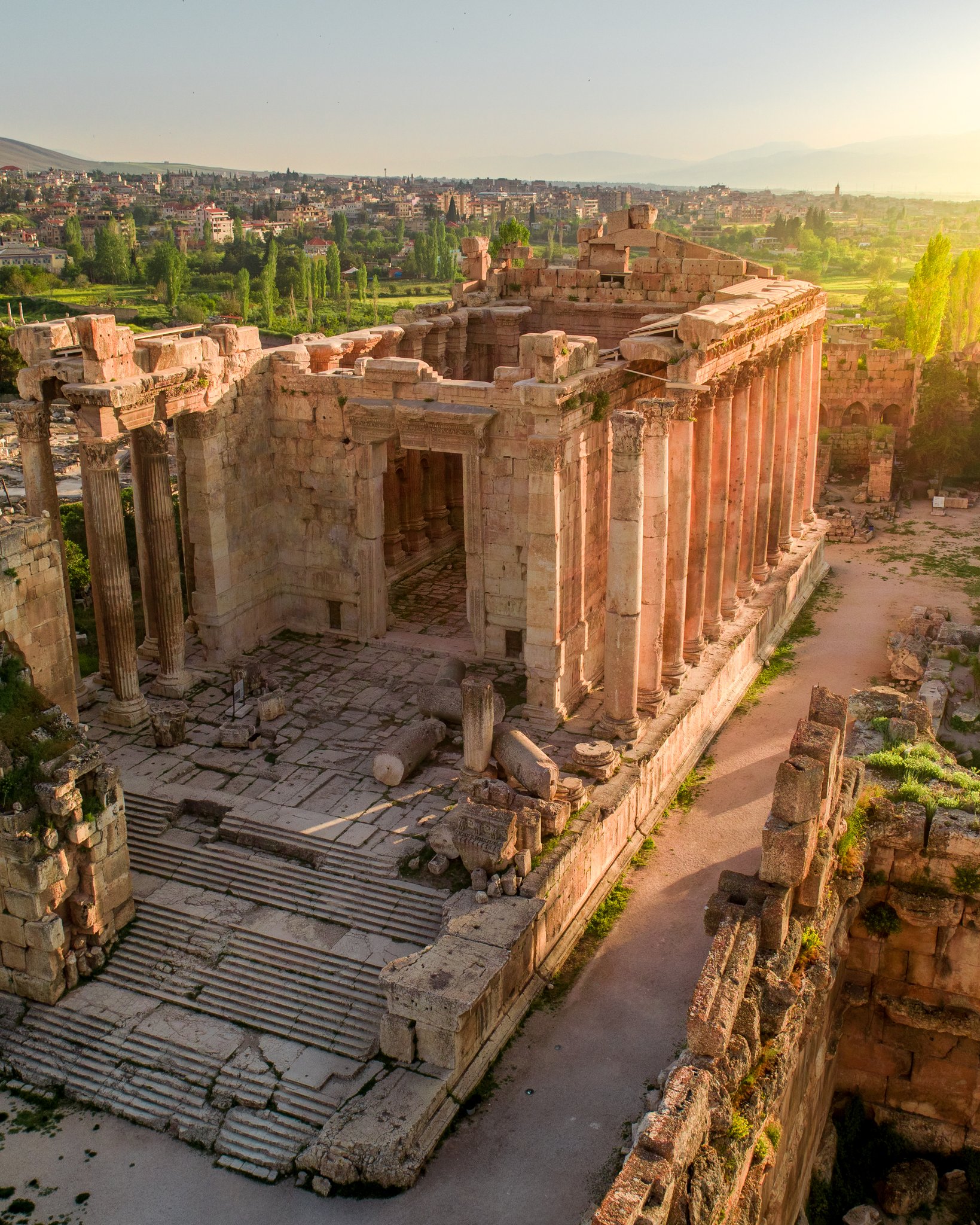
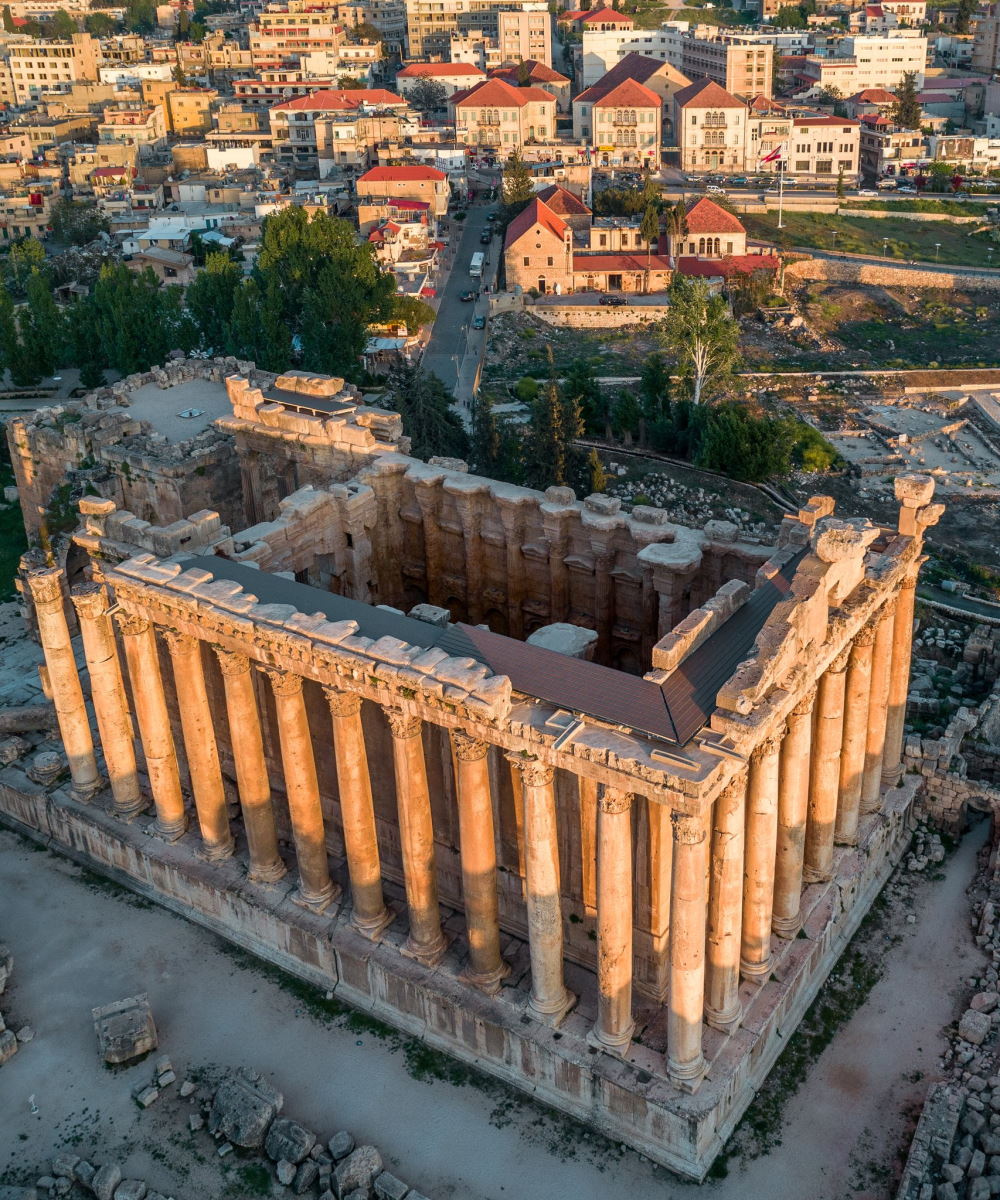
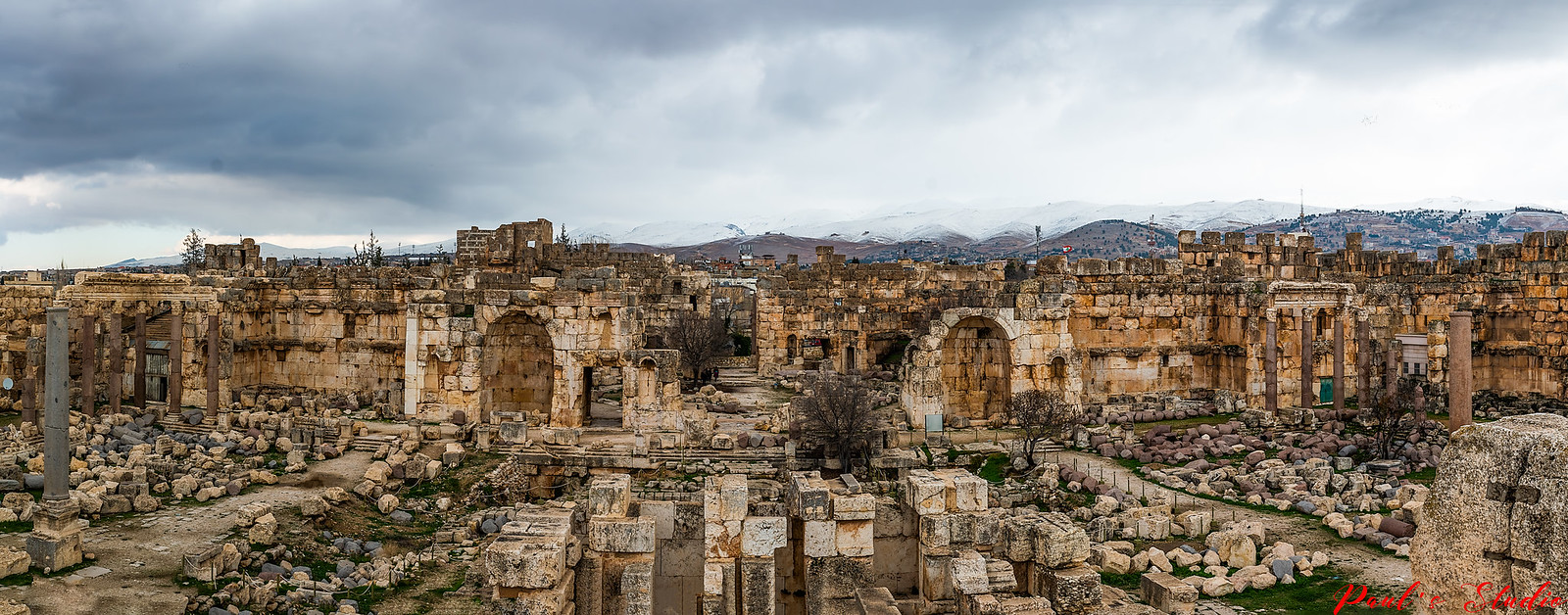
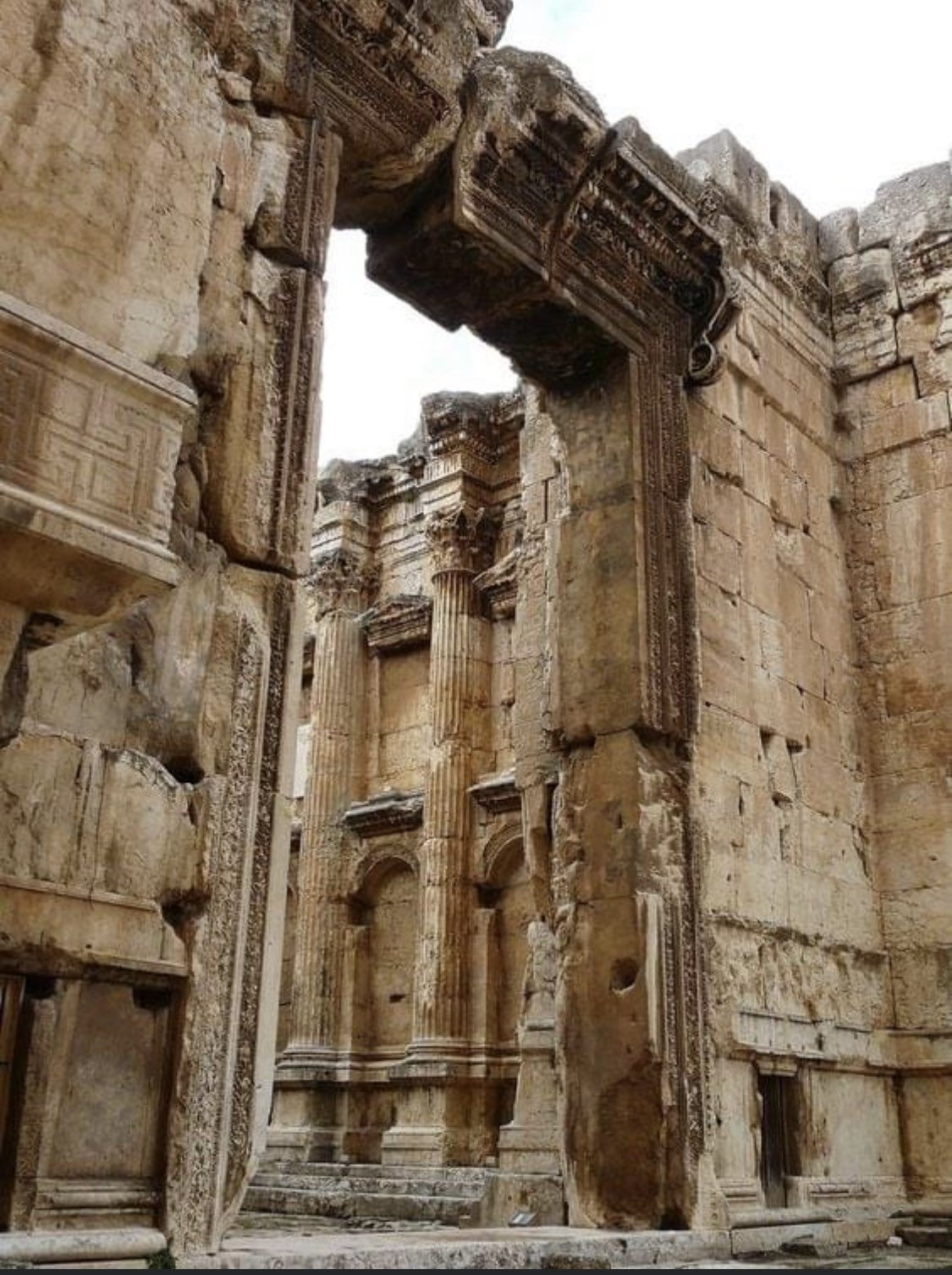
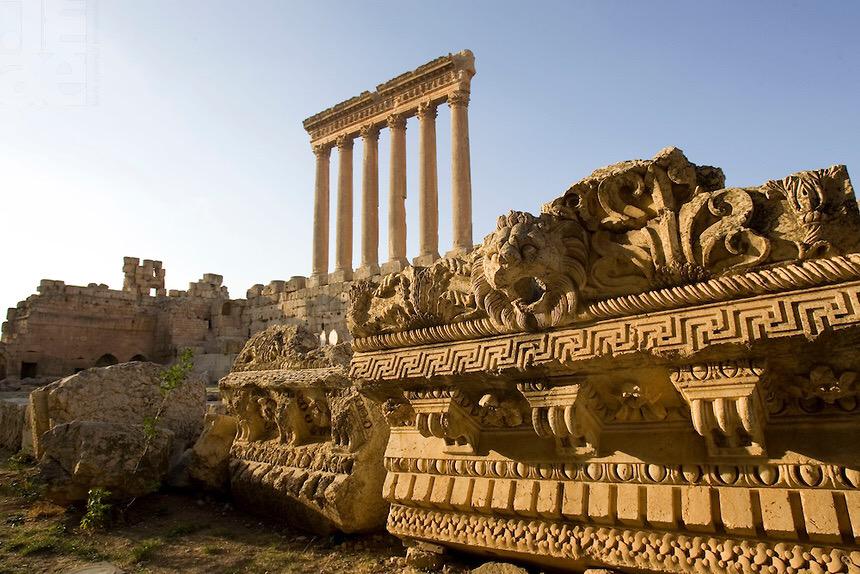
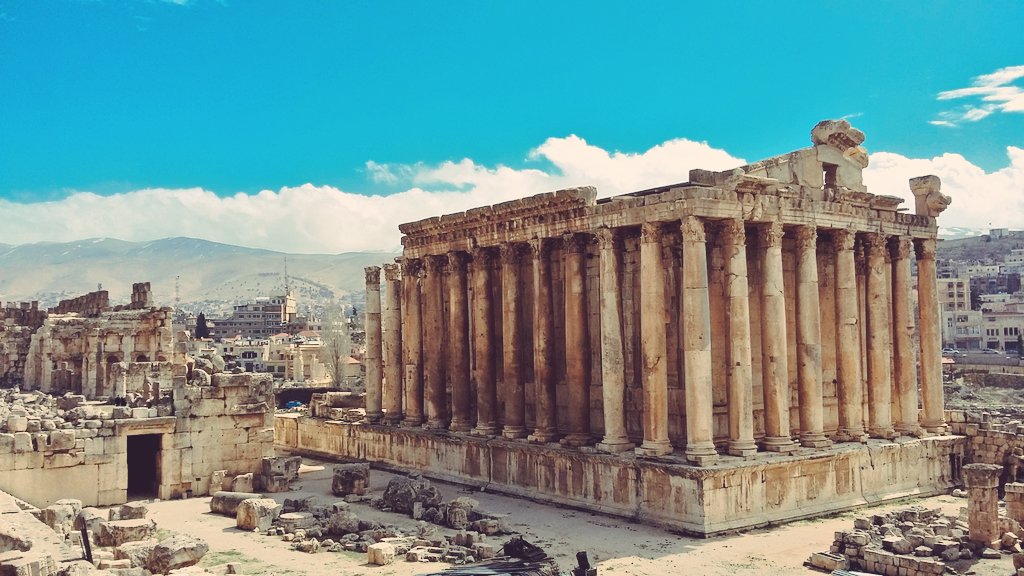
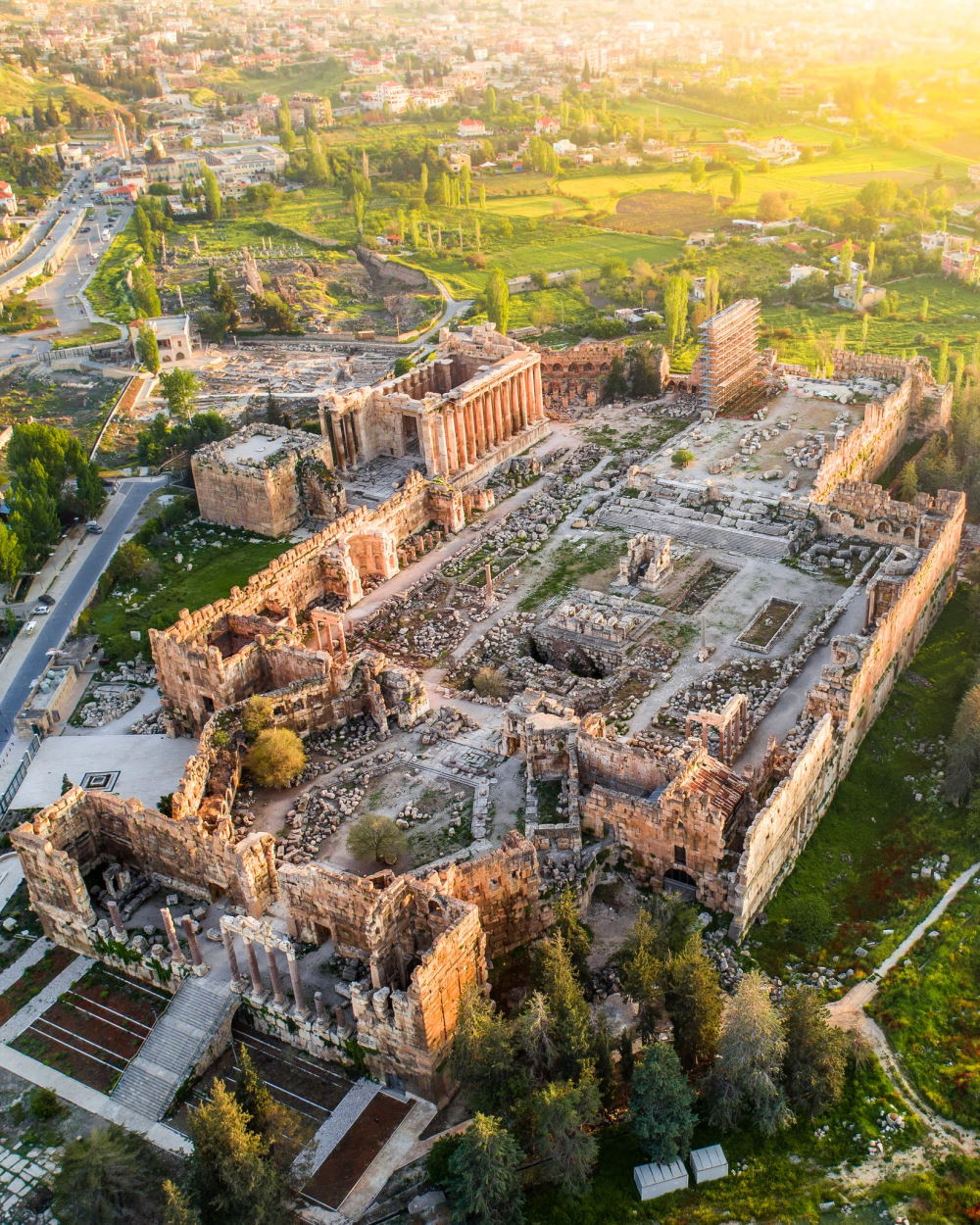
The magnificent Roman ruins, designated a UNESCO World Heritage site in 1984, primarily consist of the colossal Temple of Jupiter and the remarkably well-preserved Temple of Bacchus, along with the remains of a Temple of Venus (also known as the Circular Temple). The grandeur of the construction is visible in every stone, featuring unique local planning and design elements that distinguish them from typical classical Roman architecture.
The Colossal Stones of the Jupiter Temple
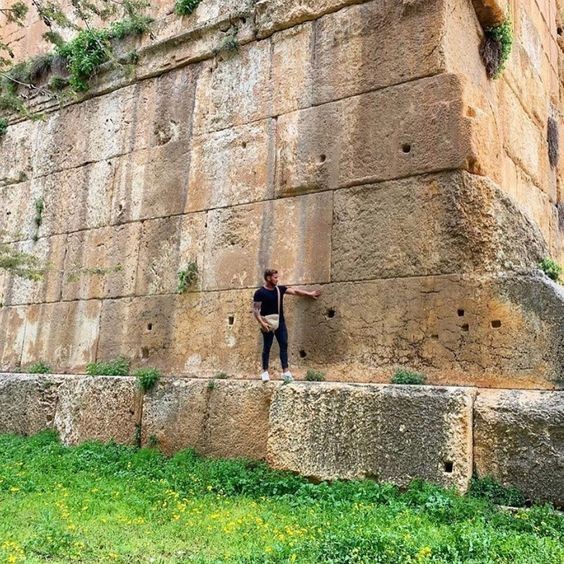
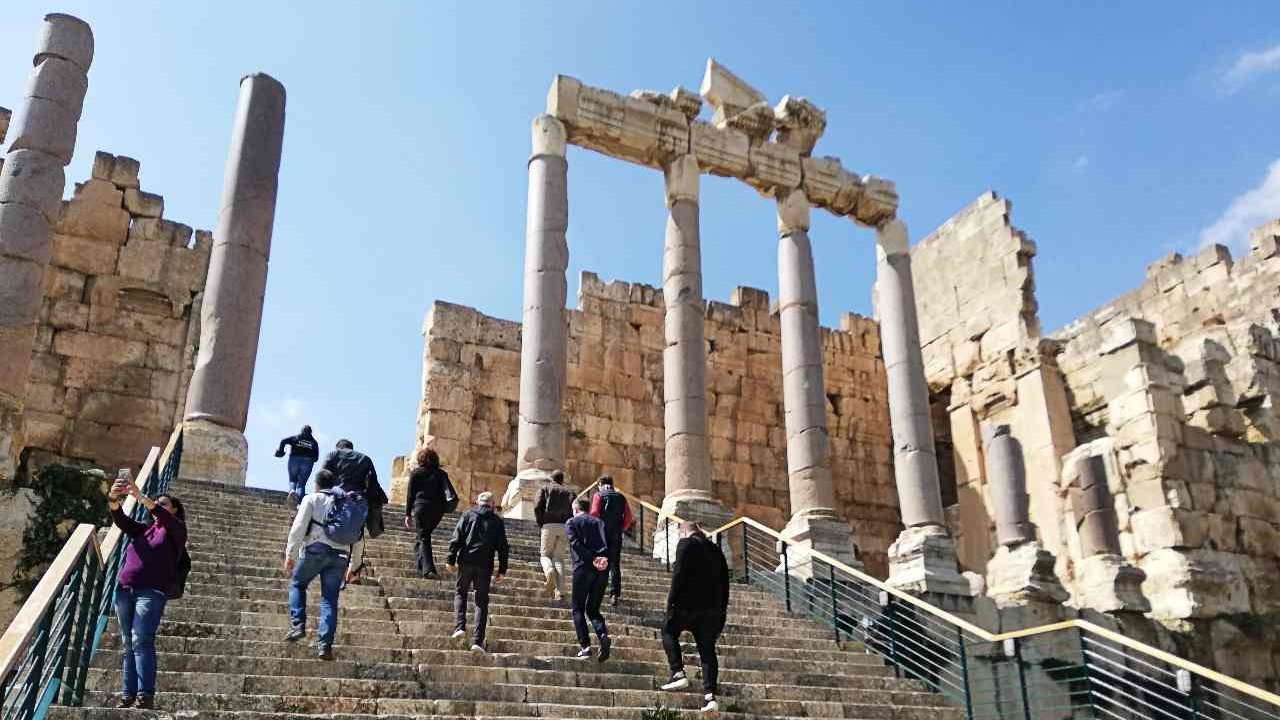
The Temple of Jupiter, originally dedicated to Jupiter Heliopolitanus (conflated with the local god Ba’al Haddu), once stood on a raised platform, reached by a wide staircase. This platform sits on a T-shaped base consisting of massive foundation walls made from about 24 monoliths, each weighing approximately 300 tonnes.
The most famous architectural elements are found in the retaining wall on the west, which includes the renowned Trilithon. This row comprises three monumental stones, each over 19 meters (62 feet) long and weighing about 800 tonnes. In a nearby quarry, approximately 800 meters from the complex, even larger stones lie, including the Stone of the Pregnant Woman (Hajjar al-Hibla), estimated to weigh 1,000 tonnes, and a newly discovered block (in 2014) that may be the world’s largest ancient stone, estimated at 1,650 tonnes. The strategic location of the quarry, which was slightly higher than the temple complex, suggests that the colossal blocks could have been rolled into place without the need for extensive vertical lifting.
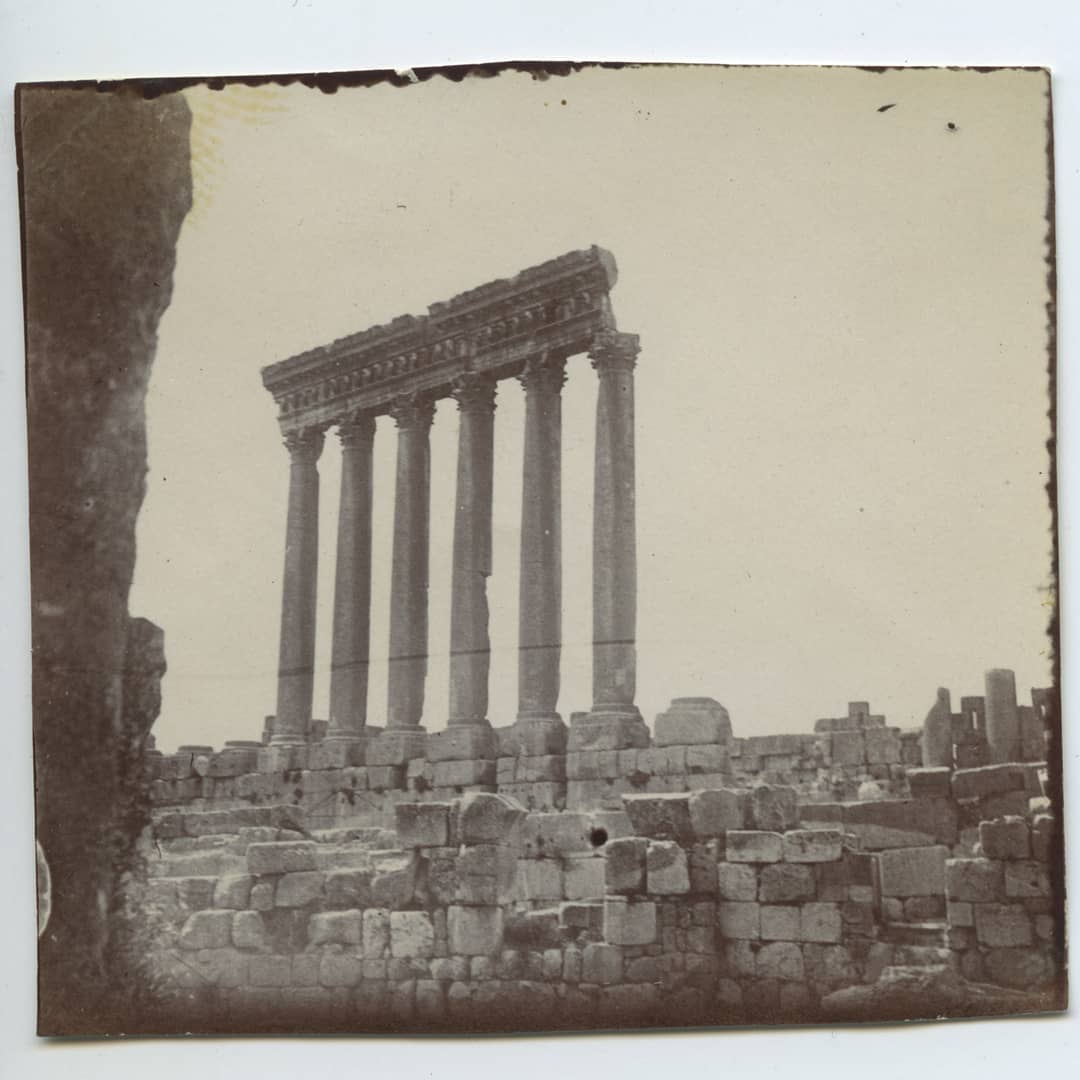
- Temple of Jupiter: The focus of early worship, this temple was once encircled by a peristyle of 54 unfluted Corinthian columns. Only six columns, standing along the south side with their entablature, remain today, a testament to centuries of earthquakes and reuse of its material.
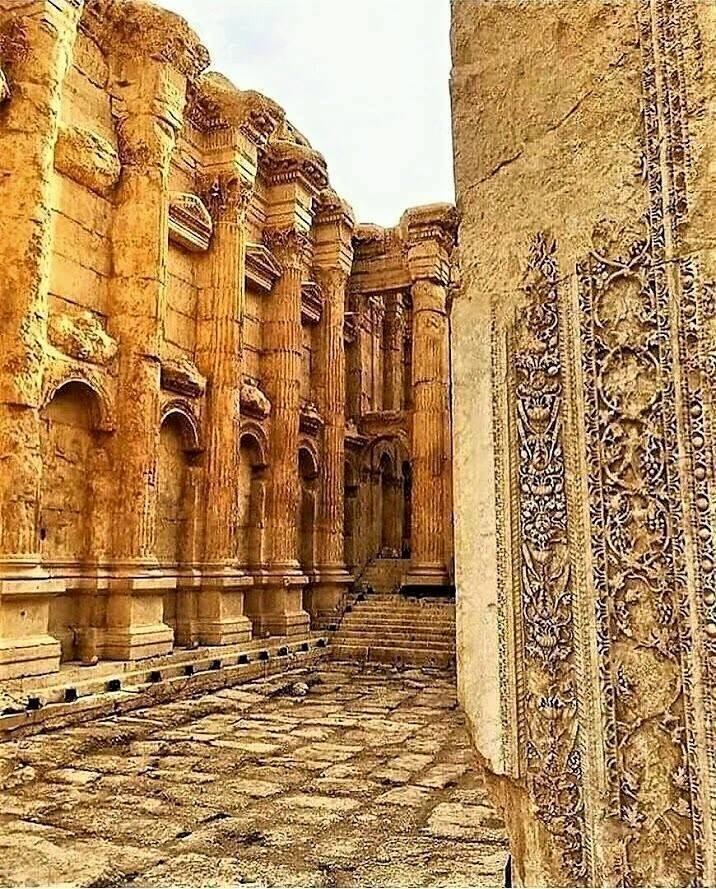
- Temple of Bacchus: Often mistaken by early modern visitors for the Temple of the Sun, this structure is the best-preserved Roman temple in the sanctuary. It is celebrated for having some of the most refined surviving reliefs and sculpture from antiquity and is surrounded by 42 columns, nearly 20 meters high.
Transformations and Eras of Conflict
Baalbek’s history is a relentless cycle of flourishing and decline, often dictated by shifts in religious and political power.
# From Paganism to Christianity and Islam
The Christianization period brought significant changes. The deacon Cyril defaced many idols, and Constantine, though not yet Christian, demolished the Temple of Venus and built a basilica in its place. Later, under Theodosius in 379, the damaged Temple of Jupiter was demolished to be replaced by another basilica.
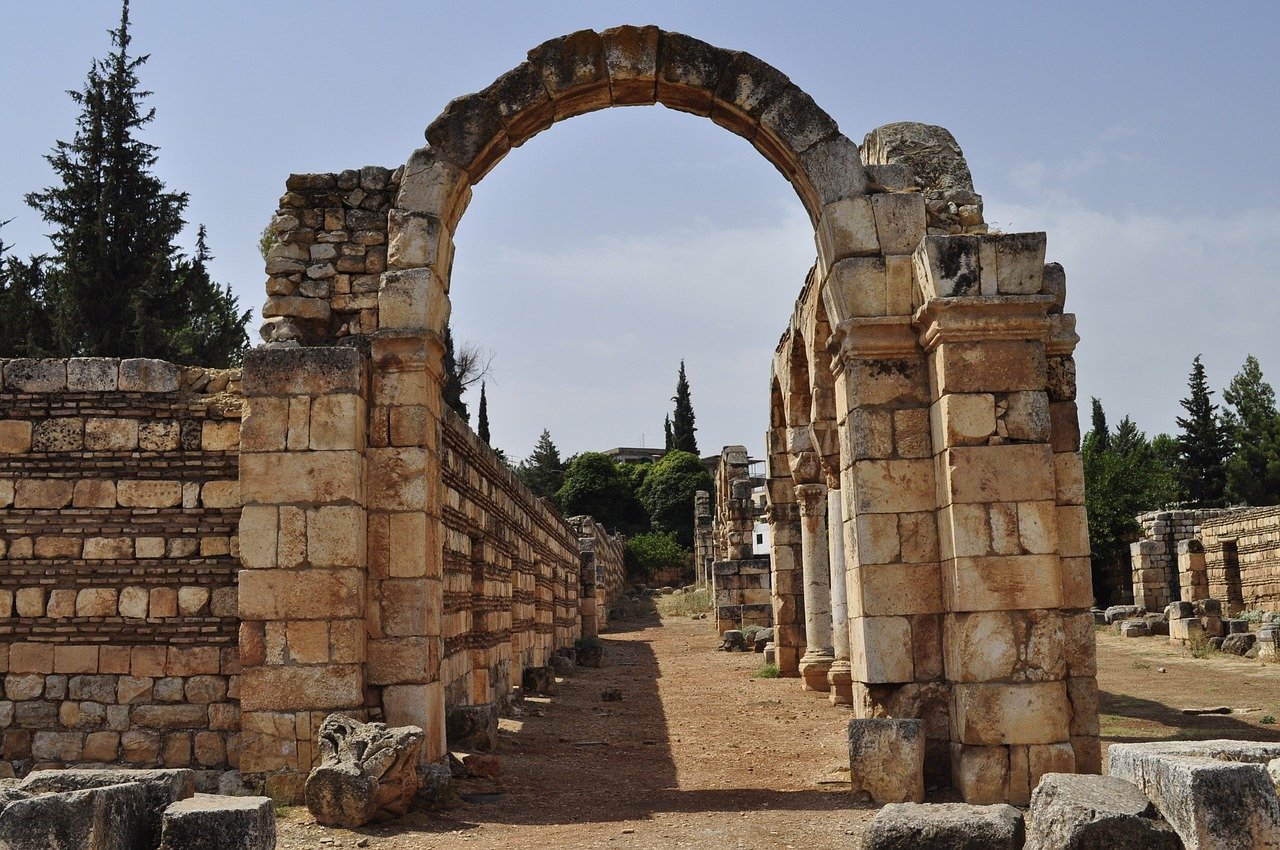
The subsequent Arab conquest in the 7th century marked the rise of Islam. The ruined temple complex was fortified and renamed al-Qala’ (“The Fortress”). For centuries, the city became a battleground for various powers, including the Fatimids, Seljuks, and Ayyubids, and suffered from destruction and depopulation following a sacking by the Damascene caliph Marwan II in 748 and later pillaging by Timur in 1400.
It was also a site of significant seismic activity, with major earthquakes in the 12th century, including one in 1170 that ruined its walls. The fortifications were later rebuilt by figures such as the Mamluk sultan Qalawun, whose work represents much of the extant fortress architecture today.
# A Modern Stronghold and Tourist Destination
In the modern era, Baalbek became a tourist destination, known globally for its spectacular Roman ruins. However, its tourism sector has continually faced severe challenges due to regional instability, including the Lebanese Civil War (1975–1990) and the ongoing conflicts involving Israel and Hezbollah.
The city is considered the heartland and political stronghold of Hezbollah. During the Israeli occupation of Southern Lebanon, the group gained control of the city and used it for recruitment and training. Due to its strategic importance to the group, the Baalbek area has been the target of numerous Israeli airstrikes and raids over the decades, which has severely disrupted the local economy.
The Roman ruins themselves have not been directly hit by bombing, but they have suffered damage from the shockwaves generated by nearby blasts, widening existing cracks in the temples. In an effort to safeguard the site from the current conflict, UNESCO granted Baalbek enhanced protection in November 2024.
Despite the turbulent backdrop, Baalbek hosts the long-running Baalbek International Festival at the Roman ruins, which saw a resurgence in cultural events after the civil war. Other attractions include the Great Umayyad Mosque, the mausoleum of Sit Khawla, and the Roman quarry site Hajar al-Hibla, providing a rich, layered experience for visitors interested in history and culture. The city's resilient history, from a powerful religious center to a modern political stage, makes it a compelling, if complex, destination.
The German Archaeological Institute conducted excavations and surveys in the late 19th and early 20th centuries and confirmed the site's deep history, pushing the date of Tell Baalbek's settlement back to the PPNB Neolithic era. This archeological work highlights that the Roman structures stand upon a vast and deep history of human habitation, with signs of almost continual life over the last 8,000 to 9,000 years. Baalbek is a monumental study in human ambition and resilience, forever marking it as one of the world's most significant historical sites.