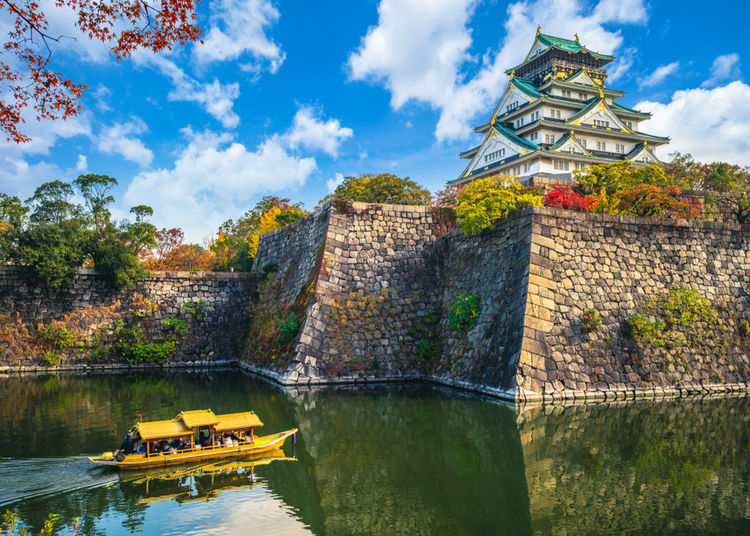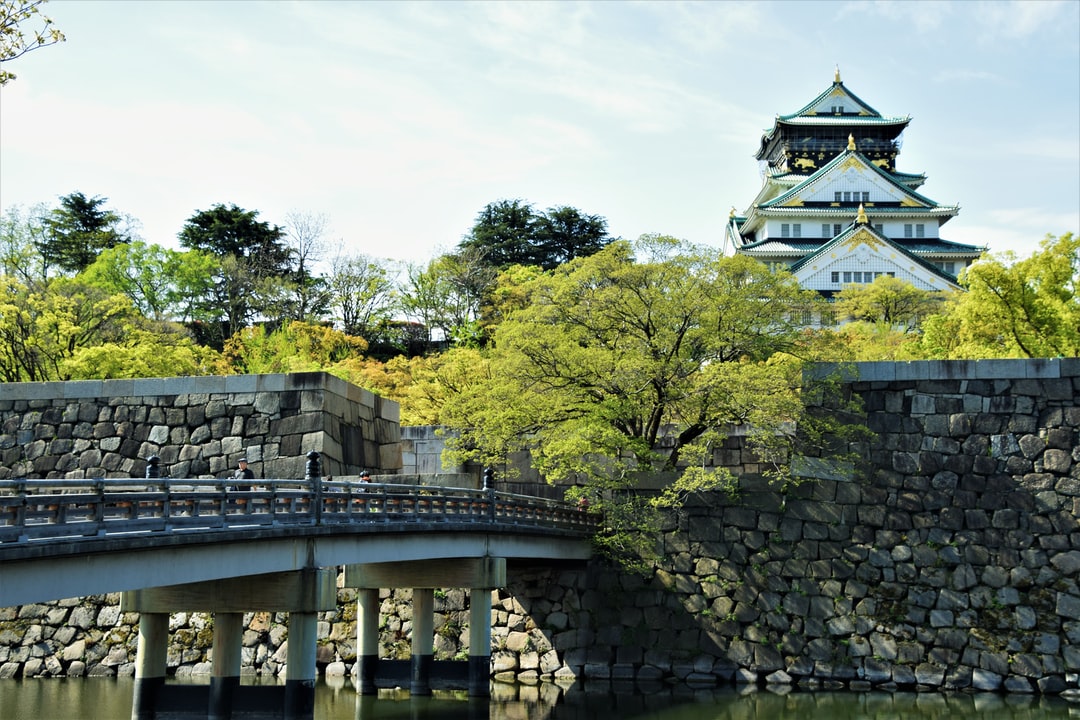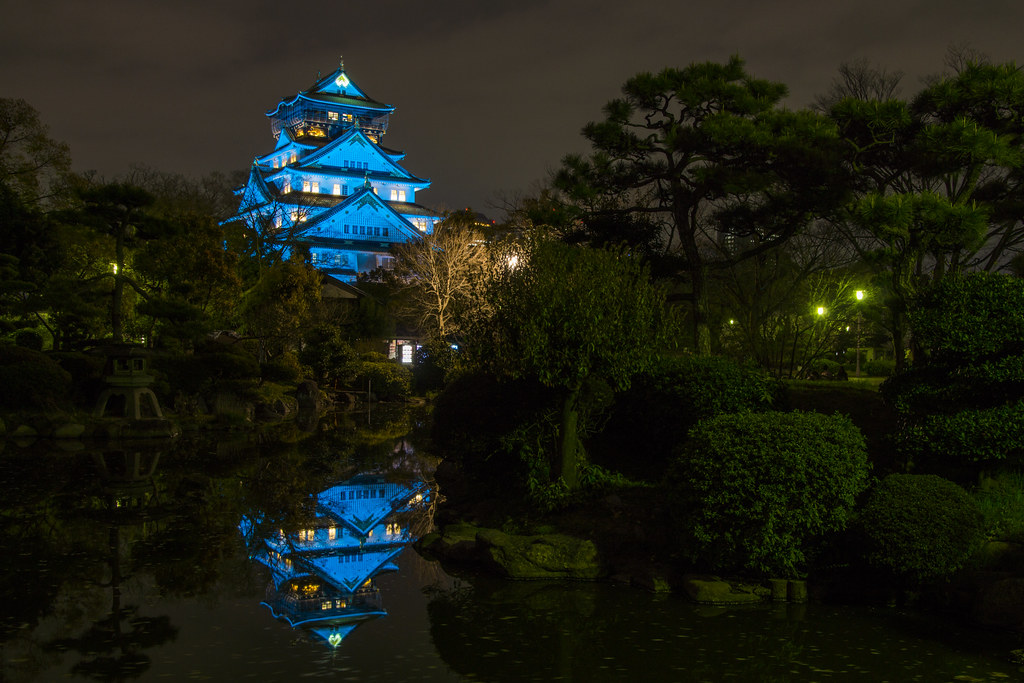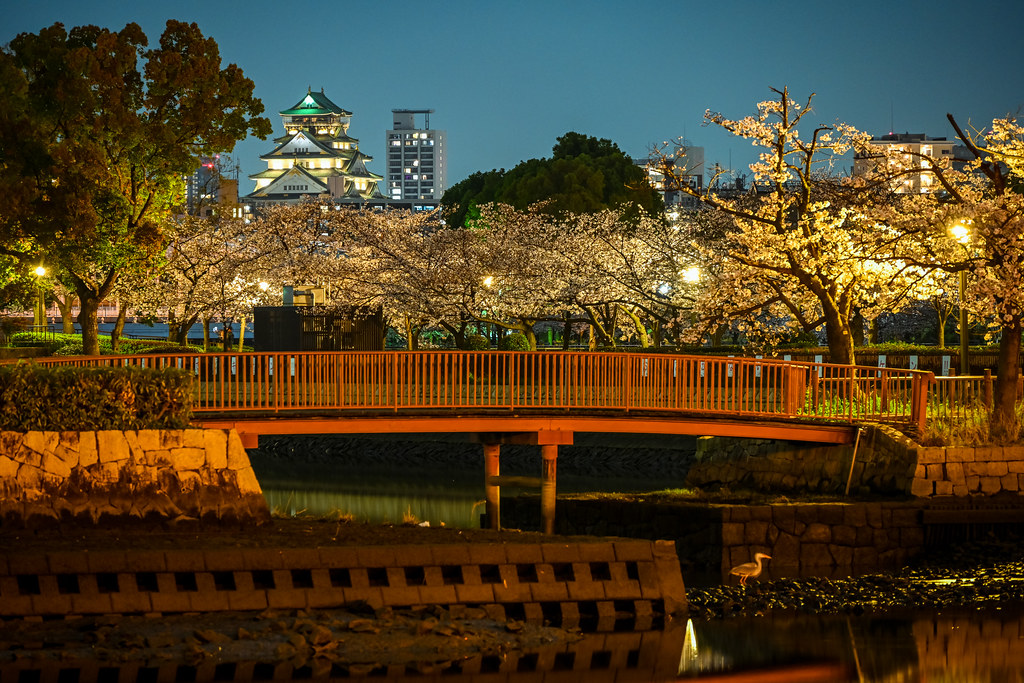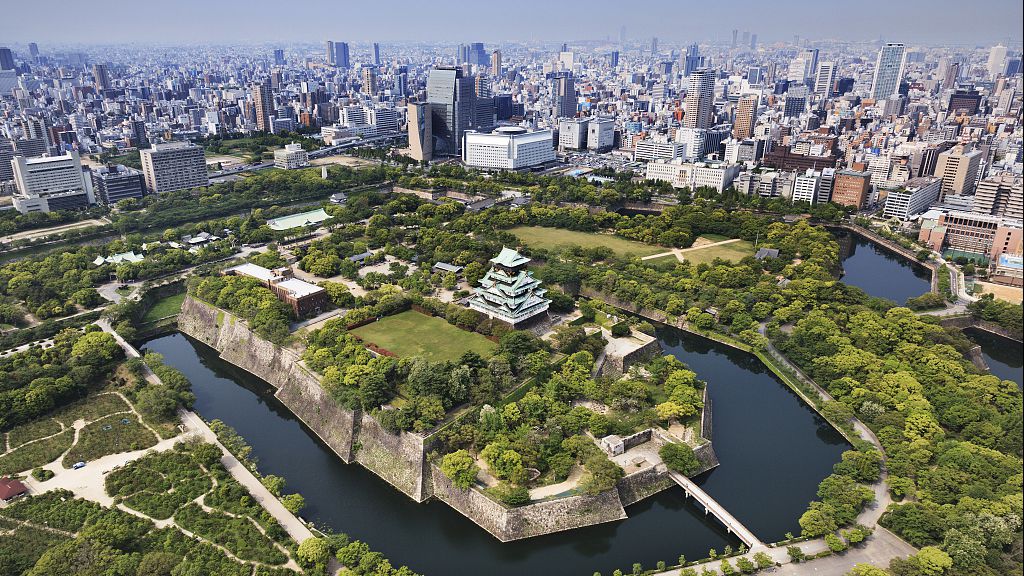
Osaka Castle stands not just as a fortress of stone and timber, but as the ultimate symbol of resilience in Japanese history. Dominating the Uemachi Plateau, this architectural marvel—often counted as one of Japan's Three Great Castles alongside Nagoya and Kumamoto—has been destroyed and reborn three times, each iteration reflecting the power dynamics of its era. For the modern traveler, it offers a journey through time, from the golden dreams of a warlord to a citizen-funded miracle.
The Golden Dream of Hideyoshi (1583–1615)
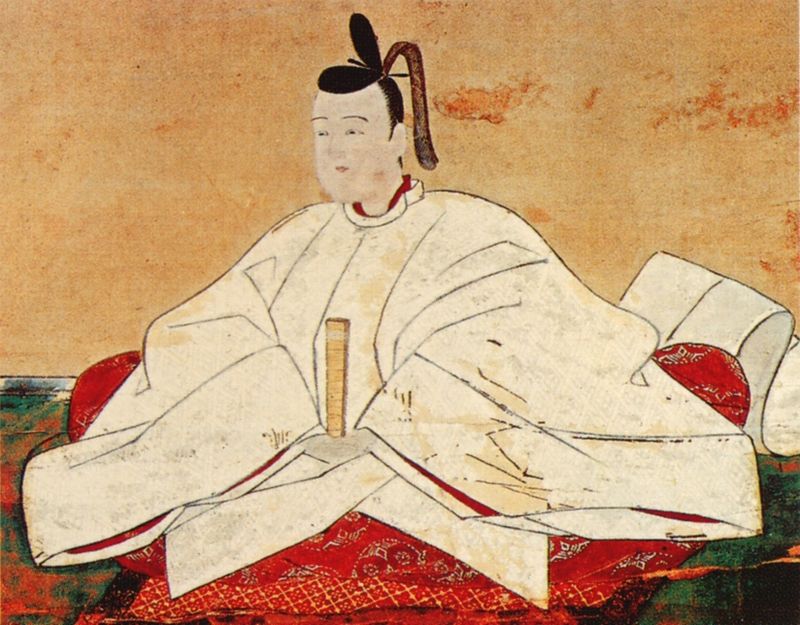
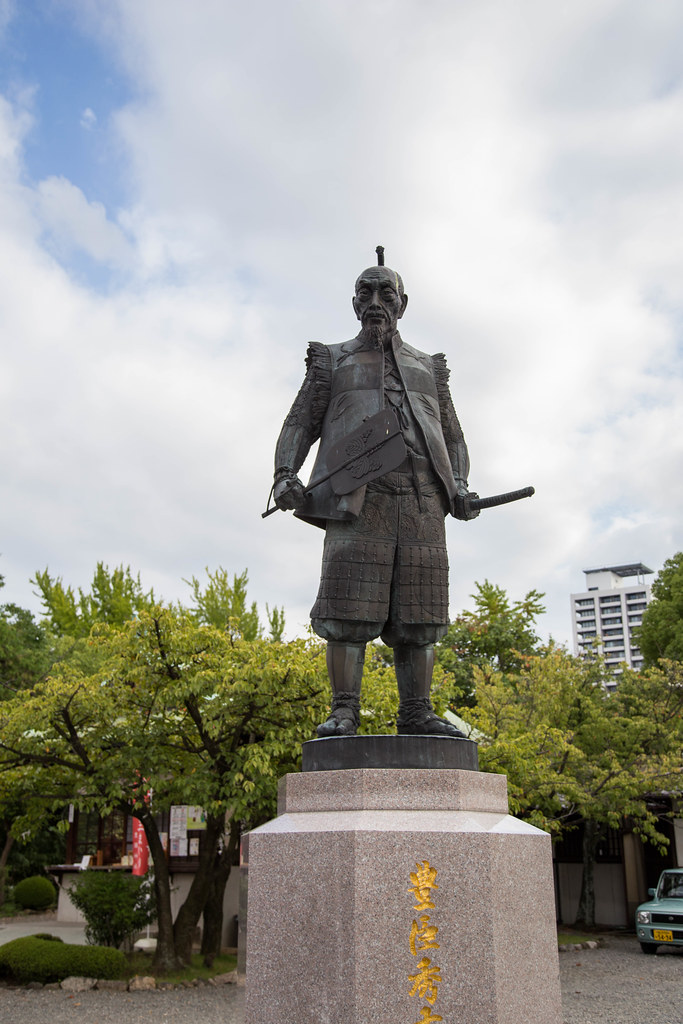
The story begins in 1583 (Tensho 11), following the destruction of the Ishiyama Honganji Temple. Toyotomi Hideyoshi, the great unifier of Japan, chose this strategic topography to build a headquarters that would command the western provinces. His vision was not merely defensive but performative; he intended the castle to be a spectacle of unparalleled opulence.
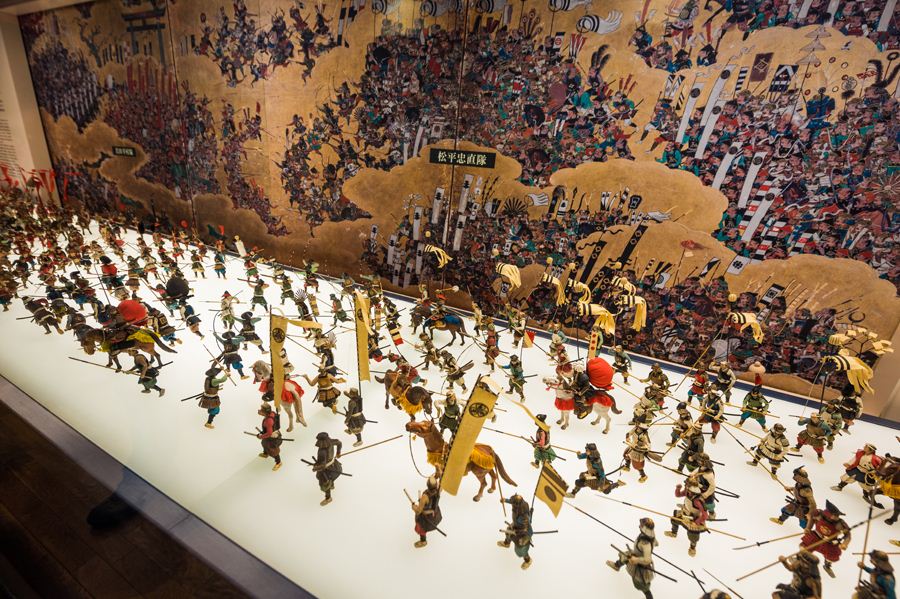
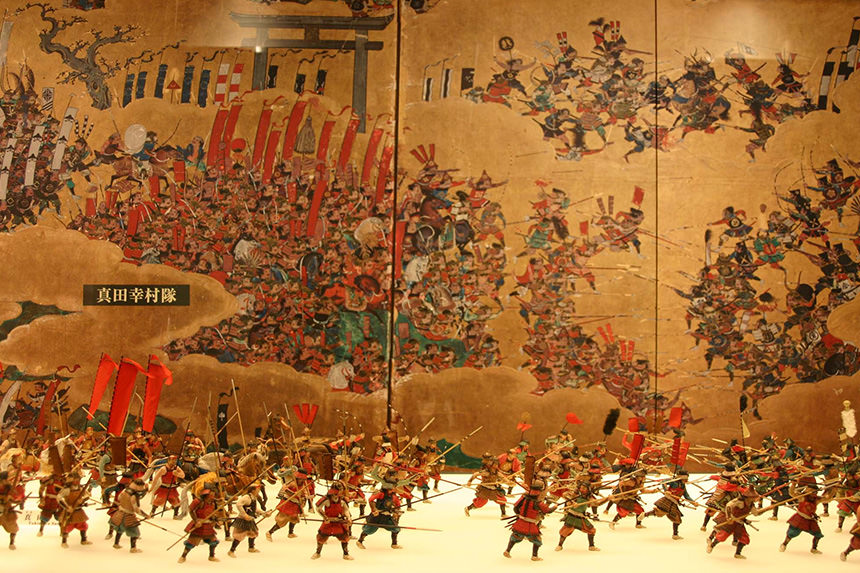
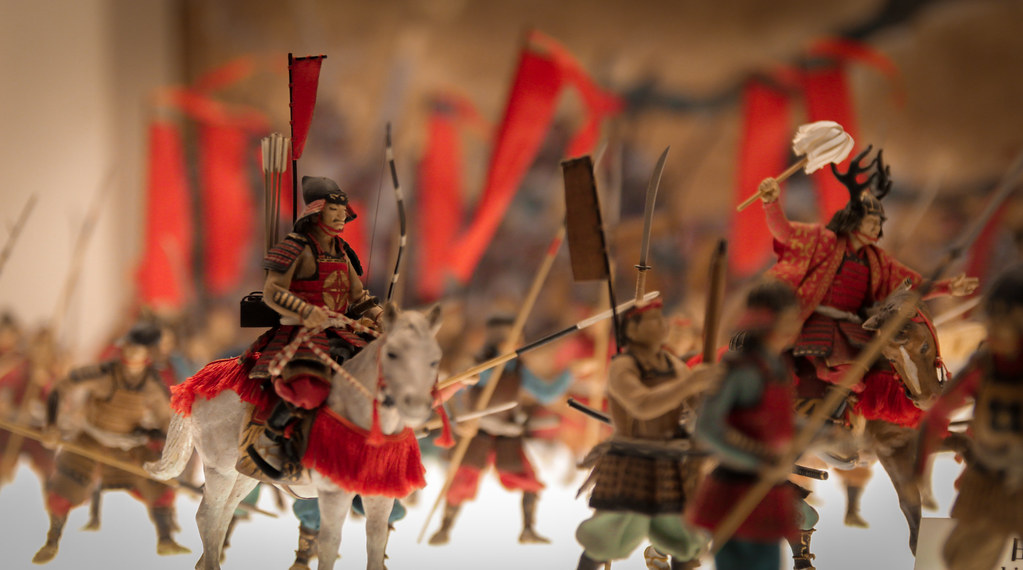
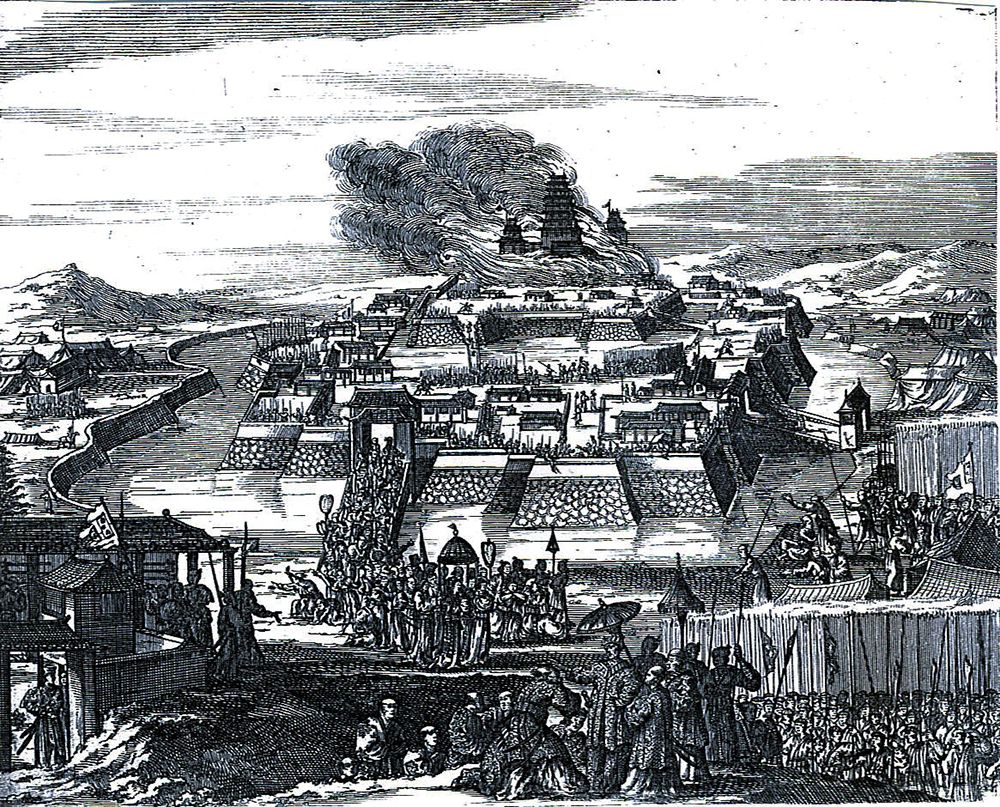
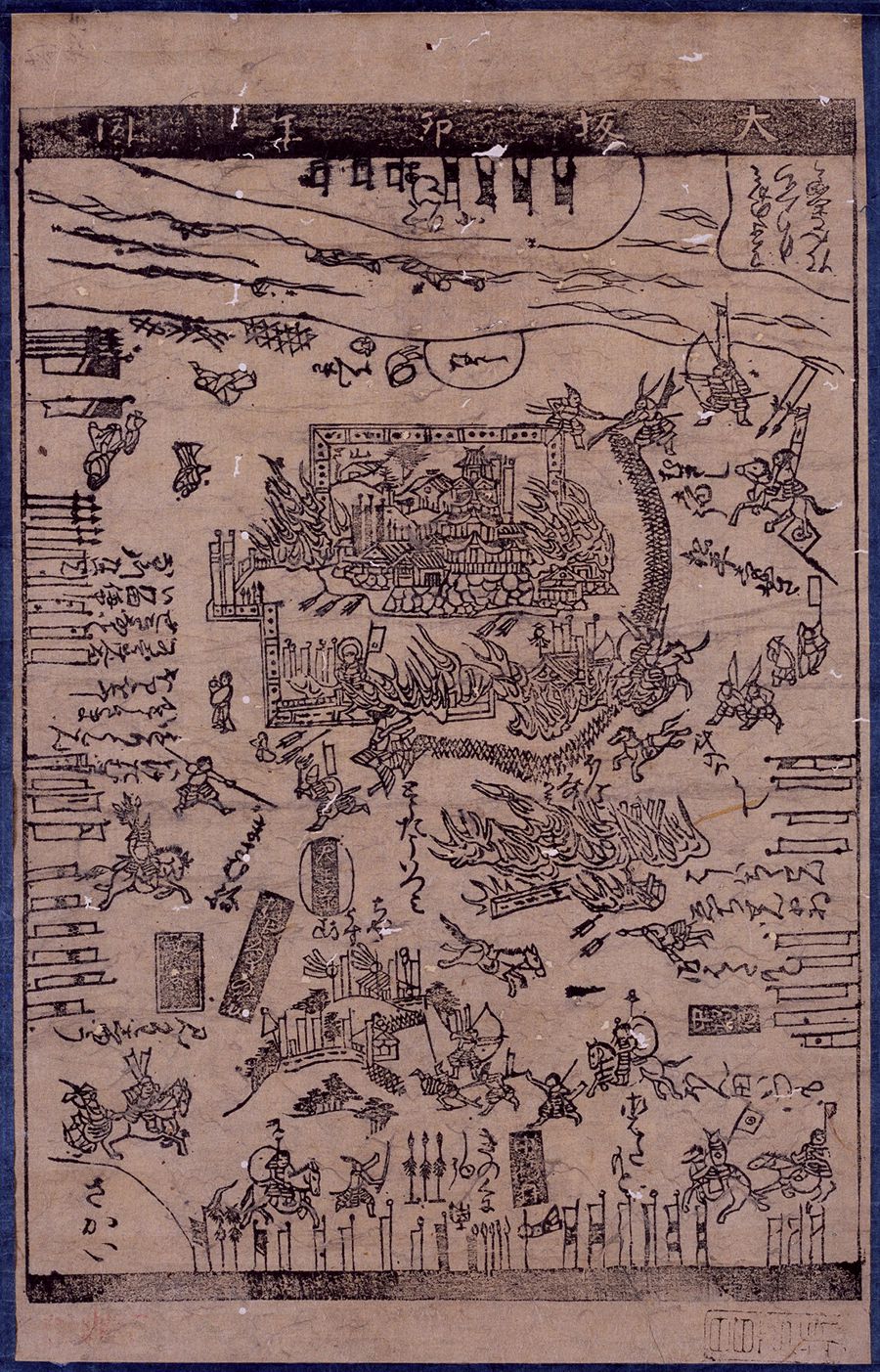
Hideyoshi's main keep (Tenshu) was a black-lacquered 5-story structure, accented with gold leaf on the roof tiles and reliefs. It was designed to be seen from the city below, a constant reminder of his authority. The interior was equally lavish, rumored to house a "Golden Tea Room." Excavations and historical diagrams, such as the "Honmaru Diagram," reveal that this original structure was built using advanced stone-walling techniques pioneered at Azuchi Castle. However, this golden age was fleeting. After Hideyoshi's death, his son Hideyori faced the wrath of the rising Tokugawa Shogunate. The Winter Siege of 1614 saw the castle's formidable outer moats filled in as a condition of a fragile truce. A few months later, during the Summer Siege of 1615, the castle fell, the Toyotomi line ended, and the magnificent structure burned to ash.
The Tokugawa Transformation (1620–1868)
When the Tokugawa Shogunate took control, they did not simply repair the castle; they buried it. In a display of dominance, the second Shogun, Tokugawa Hidetada, ordered a complete reconstruction starting in 1620. This project, which spanned nine years and mobilized 64 feudal lords, involved burying Hideyoshi's original stone walls deep underground and building new, higher walls on top of them.
The Tokugawa main keep, completed in 1626, was structurally different—painted white and physically larger than Hideyoshi's version. It stood as the tallest castle tower in Japan at the time. However, nature proved a formidable enemy. In 1660, lightning struck the gunpowder magazine, causing a massive explosion that killed 29 people. Then, in 1665, another lightning strike set the main tower ablaze. For the next 266 years, Osaka Castle existed without its central tower, though its massive stone walls and turrets (yagura) remained as the administrative heart of western Japan.
The Stone Giants
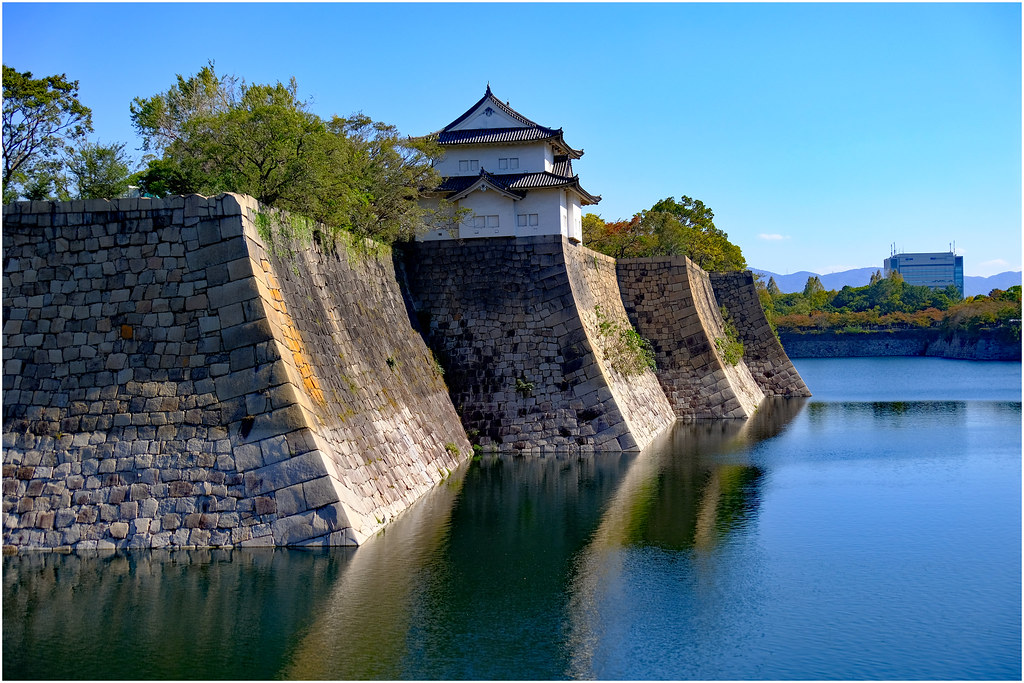
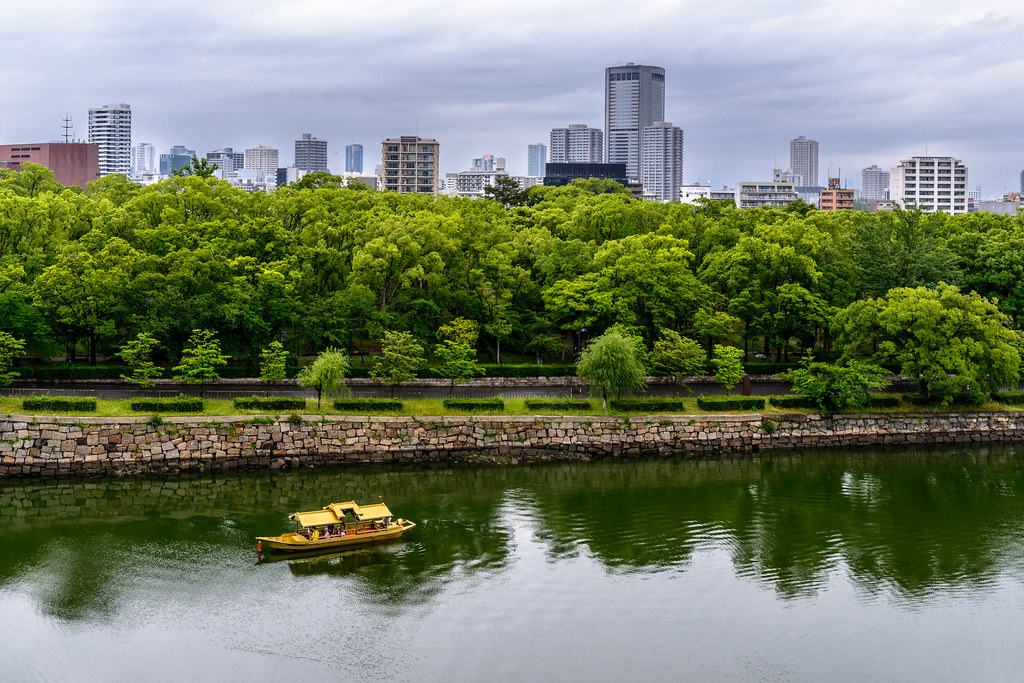
One of the few enduring legacies of the Tokugawa reconstruction is the stonework. The granite walls of Osaka Castle are among the finest in Japan, constructed without mortar. The stones were quarried from the islands of the Seto Inland Sea, such as Shodoshima. To demonstrate loyalty to the Shogun, daimyo competed to transport the largest stones.
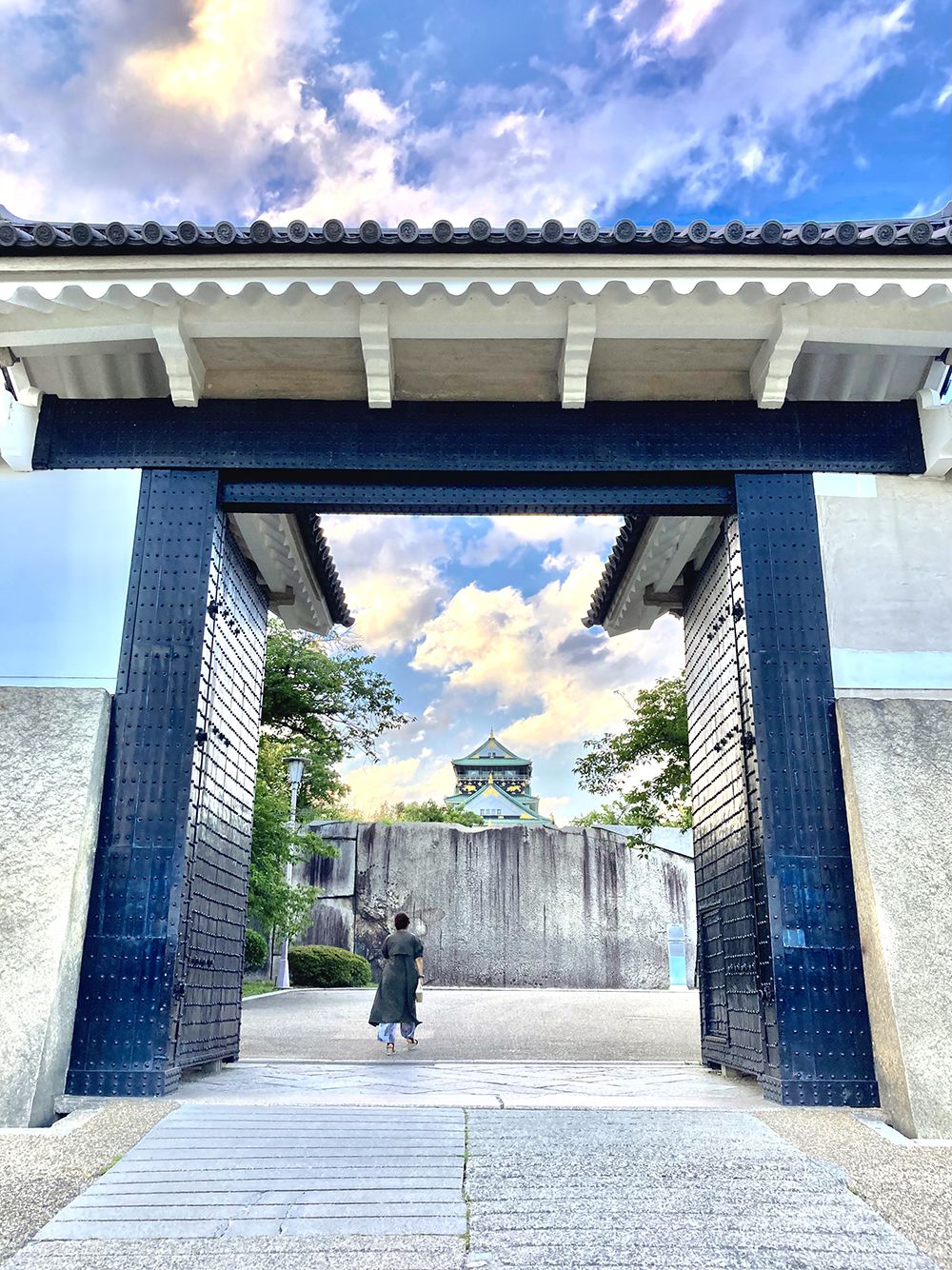
The most famous of these is the Tako-ishi (Octopus Stone) located at the Sakuramon Gate. Weighing an estimated 130 tons, it is the largest stone in the entire complex. Other monoliths like the "Furisode-ishi" (Kimono Sleeve Stone) and the "Higo-ishi" impress visitors with their sheer scale, serving as silent witnesses to the immense labor force mobilized during the 17th century.
The Phoenix Reborn: The 1931 Reconstruction
By the Meiji Restoration of 1868, the castle was a shadow of its former self, having suffered another devastating fire during the civil war. The site became an army base and a weapons arsenal. However, in 1928, Osaka Mayor Seki Hajime proposed a bold plan: to rebuild the main keep as a museum and park for the citizens, commemorating the Emperor's enthronement.
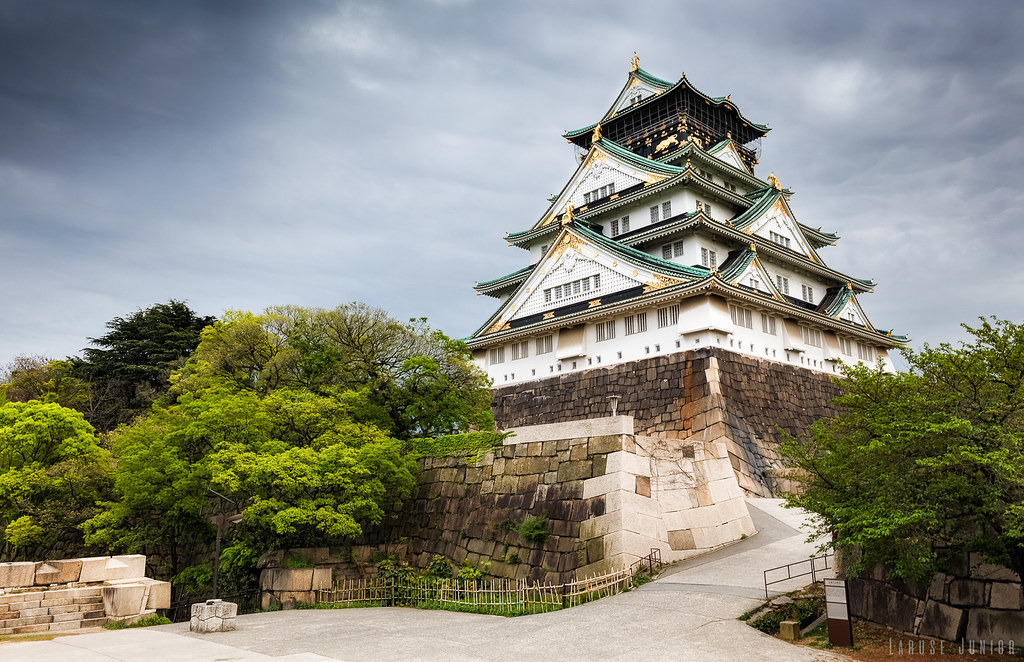
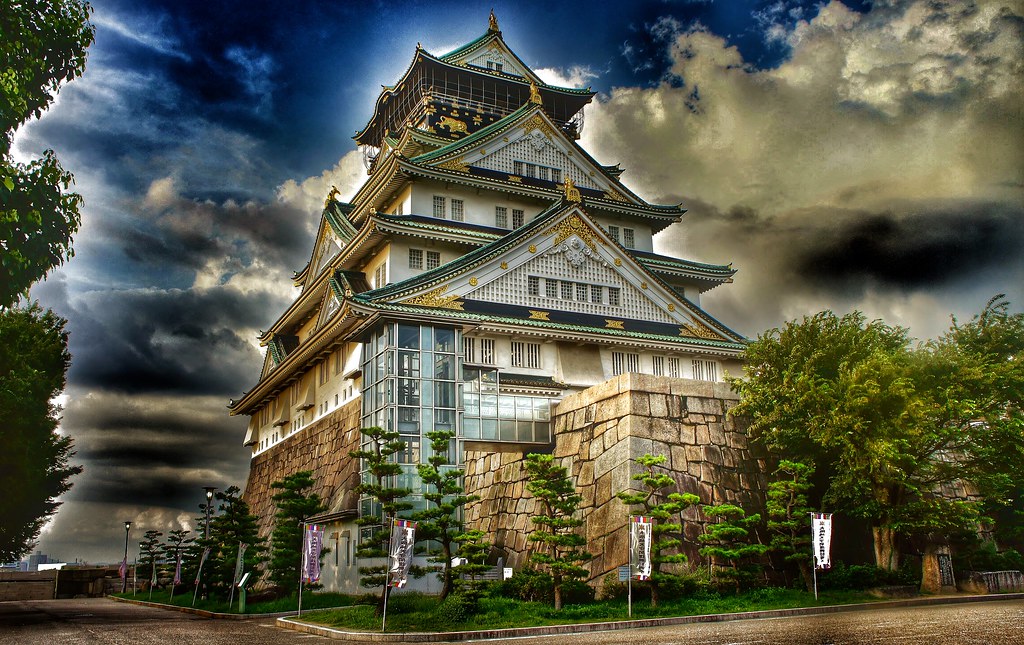
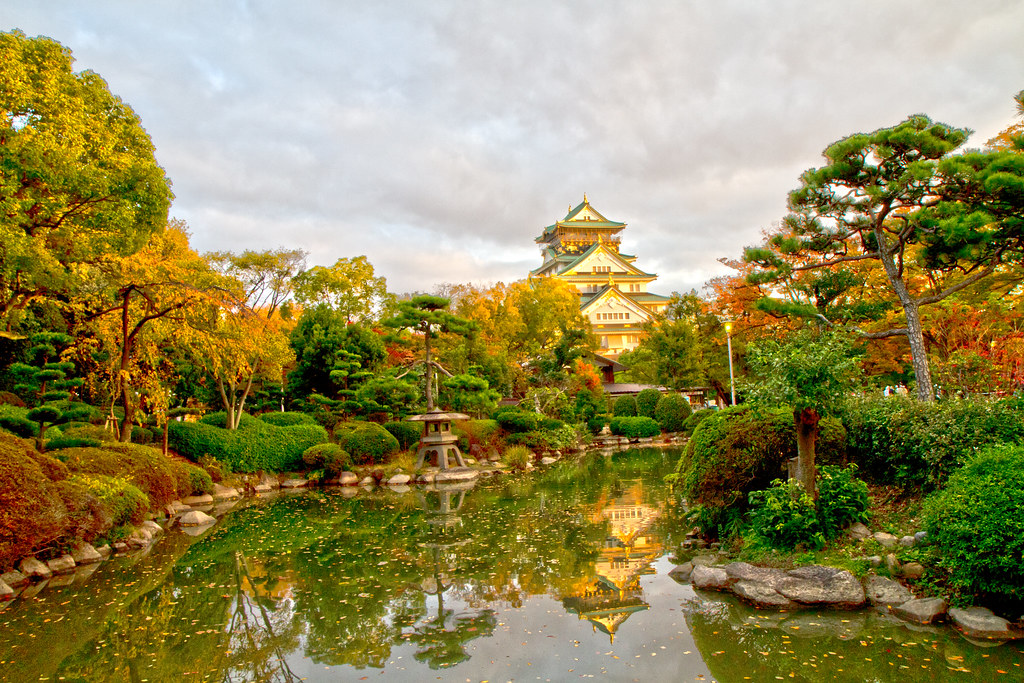
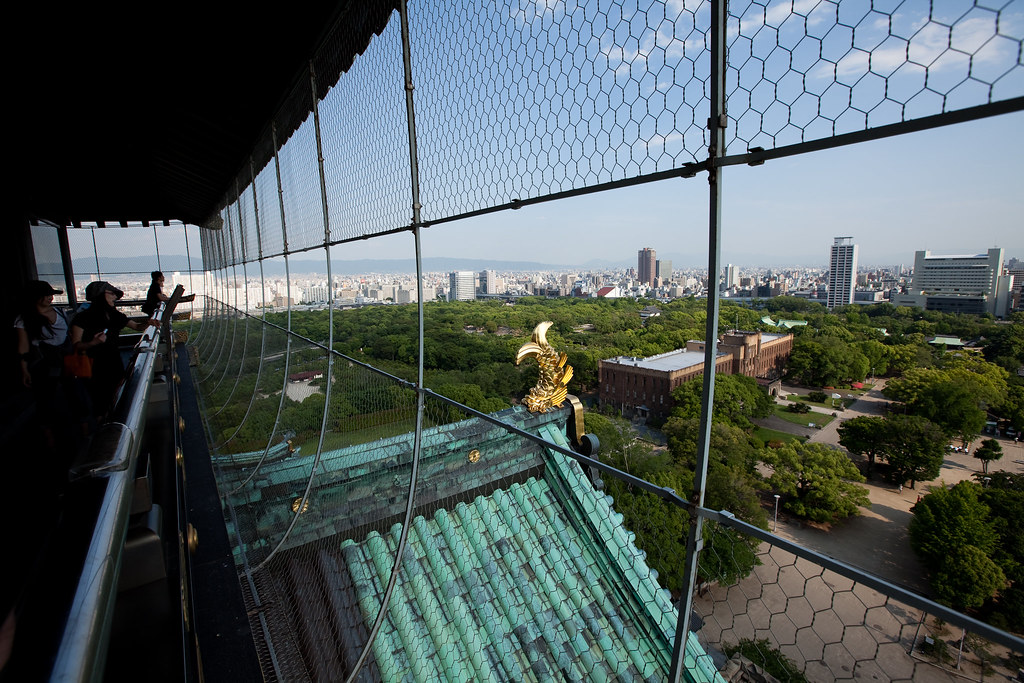
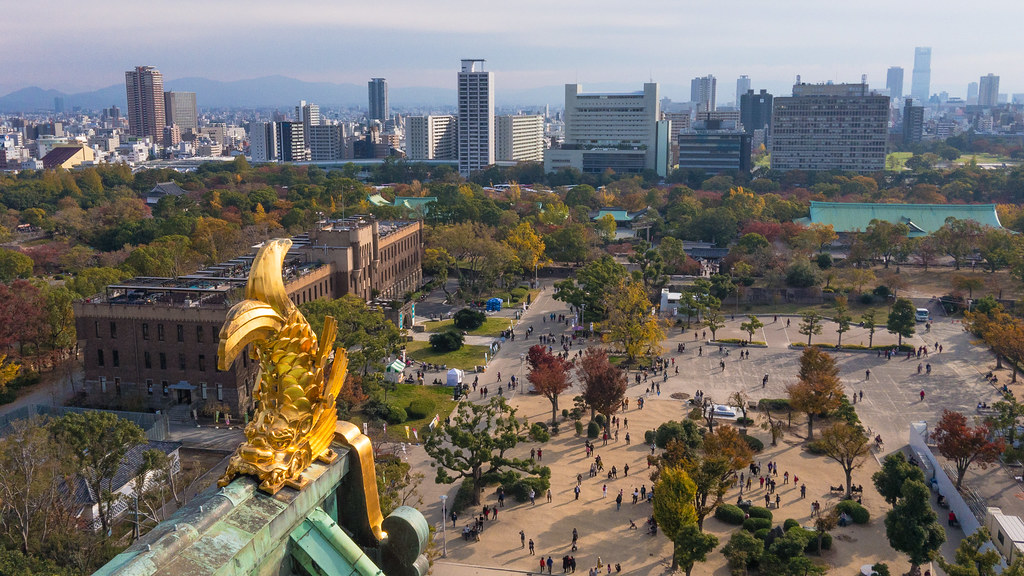
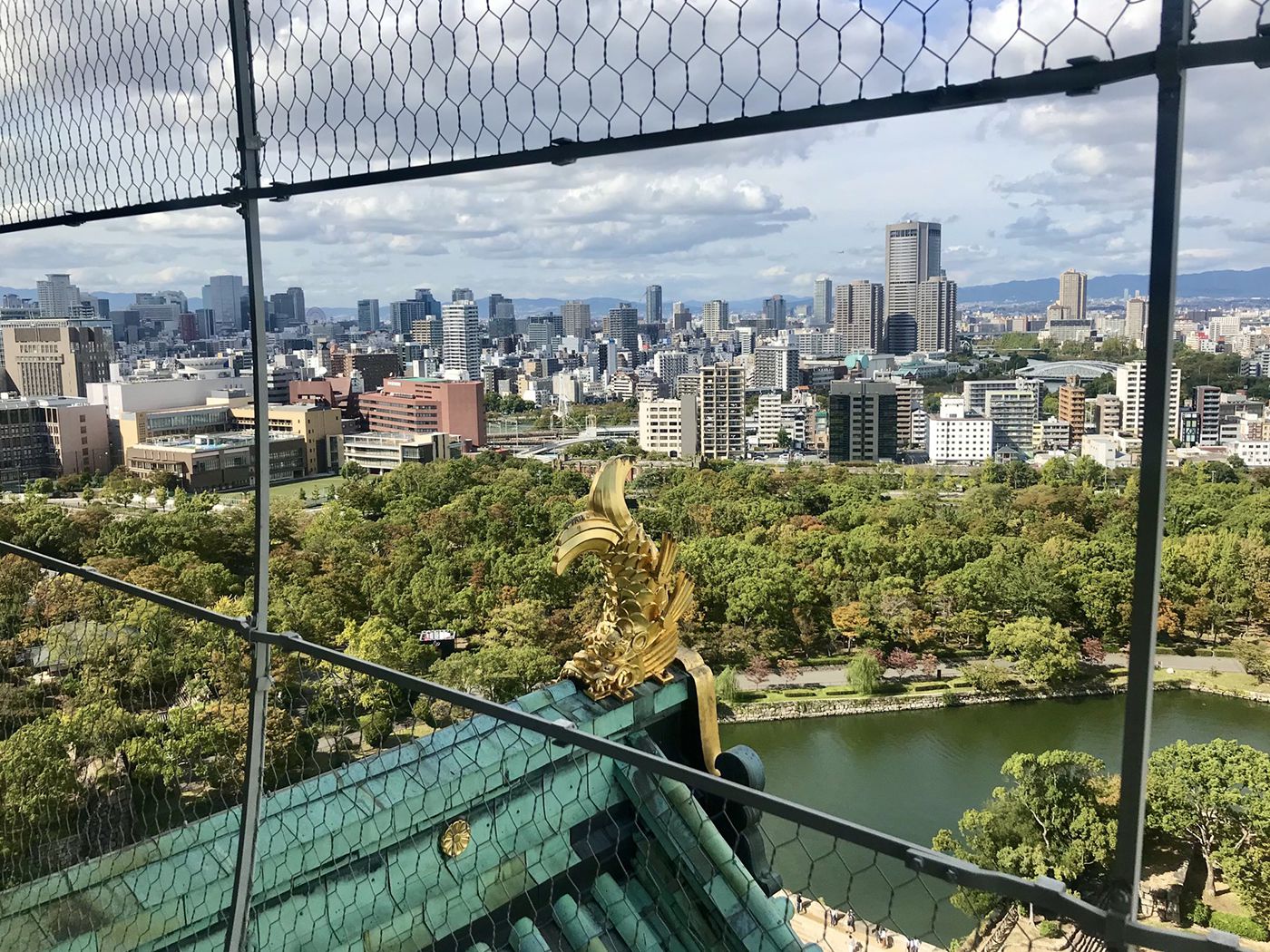
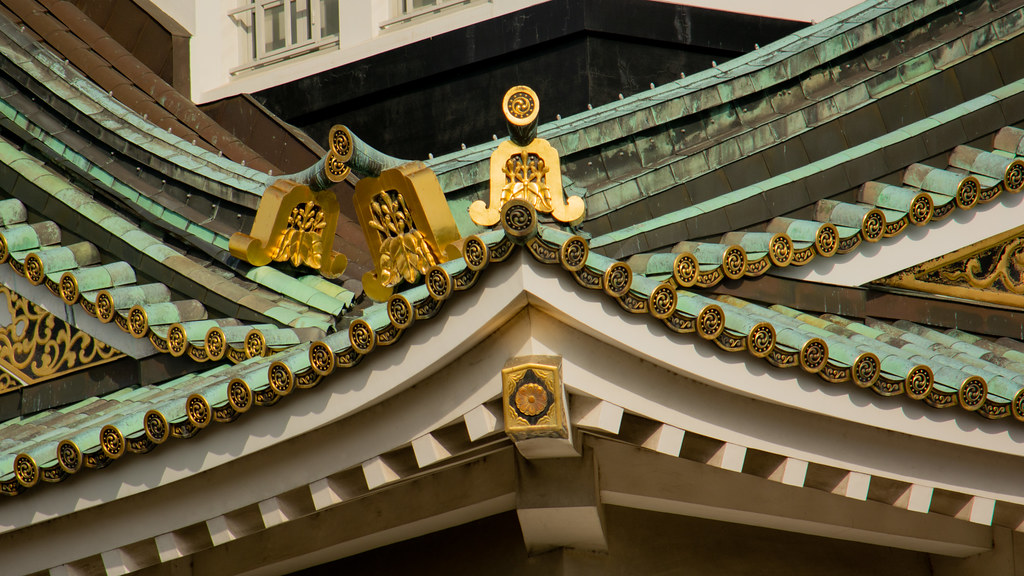
What makes the current castle unique is its funding. It was not built by a government mandate, but by the people. In just six months, the city raised 1.5 million yen (equivalent to billions of yen today) entirely through civic donations. The construction was completed in 1931. The design is a fascinating historical hybrid: the structural base is steel-reinforced concrete (SRC) for durability, the exterior of the lower floors mimics the white Tokugawa style, while the top floor revives the black and gold extravagance of the Toyotomi era, featuring golden tigers and herons.
A Modern Legacy
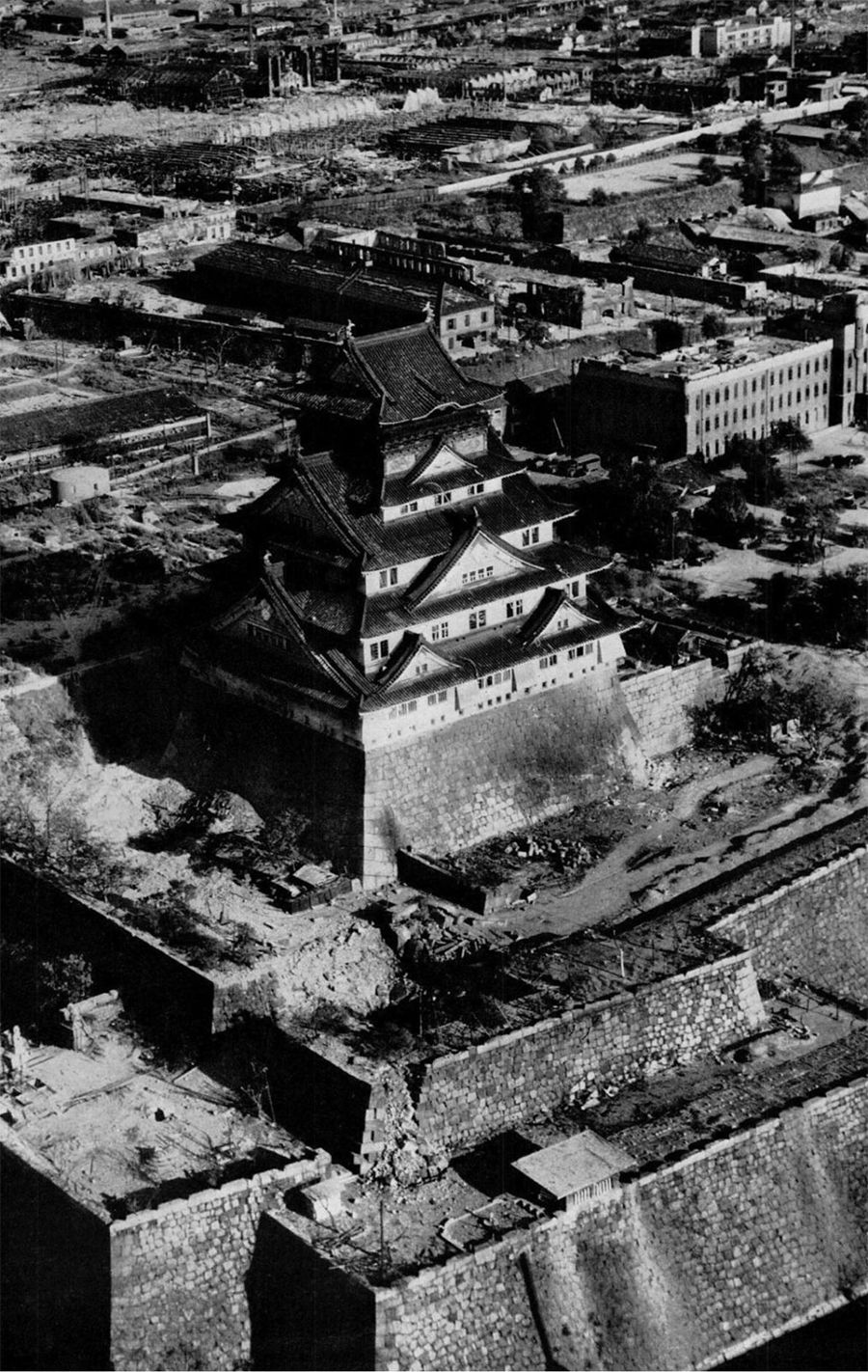
The 1931 tower proved incredibly robust, surviving the heavy air raids of World War II that decimated the surrounding arsenal and downtown Osaka. In the post-war era, it underwent a major "Heisei Restoration" (1995–1997) to improve earthquake resistance and restore its aesthetic brilliance.
Today, the castle is more than a museum; it is a time capsule. Literally—a time capsule from the 1970 Osaka Expo is buried in front of the keep, waiting to be opened in 5,000 years. The castle grounds are a hub of culture, home to the Osaka-Jo Hall and the Miraiza Osaka-Jo. As we look to the future, the "Toyotomi Ishigaki project" aims to expose the original 16th-century walls hidden underground, finally allowing the Toyotomi and Tokugawa layers of history to be viewed side-by-side by 2025. Osaka Castle remains the eternal heart of the city, a golden phoenix that refuses to stay fallen.