
The Gateway to the Peruvian Amazon
Iquitos stands as one of the world’s most extraordinary cities—an urban island surrounded not by seas, but by rivers and dense Amazonian forest. As the largest city on Earth unreachable by road, its isolation has shaped a unique cultural identity, fueled economic cycles, and created one of Peru’s most compelling destinations for travelers seeking immersive experiences in nature, heritage, and contemporary Amazonian life.
A City Shaped by Water and Time
The origins of Iquitos trace back to 18th-century Jesuit reductions and Indigenous settlements along the Nanay River. Over decades, families from Indigenous groups—including the Iquito, Yagua, Bora, Huitoto, Kukama, and Kichwa peoples—shaped the region’s identity. Yet it was the Rubber Boom (1880–1914) that would transform the city forever. As wealth from natural rubber flowed from the Amazon to Europe and North America, Iquitos became a cosmopolitan enclave, drawing immigrants from Europe, the Middle East, and Asia.
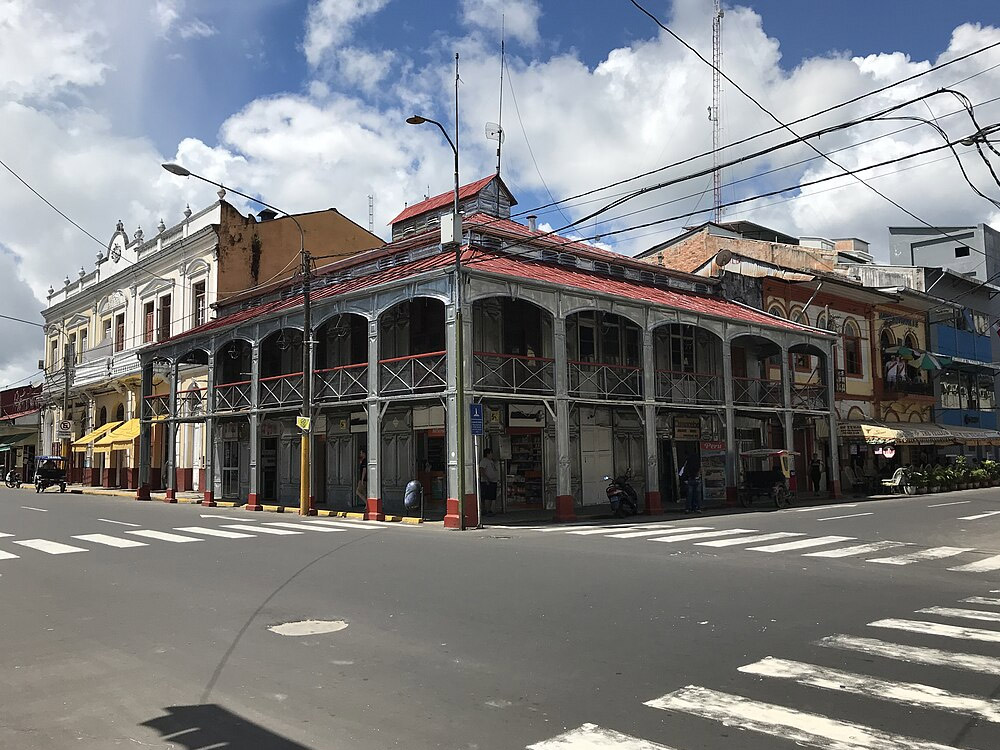
The architectural legacy of this boom remains one of the most recognizable elements of the city’s urban landscape. Tile-covered mansions, iron-forged balconies, and emblematic constructions such as the Casa de Fierro—attributed to Gustave Eiffel—survive as reminders of the era’s opulence. Walking through the historic center, visitors encounter plazas, narrow streets, and 19th-century façades that contrast sharply with the Amazonian wilderness just beyond.
Modern Iquitos: A Cultural and Economic Hub
Today, Iquitos functions as the commercial heart of the Loreto region—supported by a diverse economy that includes forestry, fisheries, agriculture, oil, transportation, and a robust service sector tied to tourism. Its markets bustle with regional products such as paiche, camu camu, aguaje, and artisanal crafts. The city’s multicultural character—shaped by centuries of migration—remains visible in its cuisine, festivals, dialects, and artistic expressions.
Despite its growth, the city maintains a close connection to its natural surroundings. The three rivers that embrace Iquitos—Amazonas, Nanay, and Itaya—continue to define its rhythms, influence its microclimates, and provide vital routes for both local transportation and tourism. Seasonal flooding, especially in Belén and Bellavista-Nanay, remains part of the city’s yearly cycle and an essential aspect of the Amazonian environment.
Tourism: The Pulse of Contemporary Iquitos
Tourism has become one of Iquitos’s most dynamic sectors, drawing adventurers, naturalists, researchers, and cultural travelers from around the world. Its appeal rests on a rare combination of accessibility by air, rich biodiversity, and urban-selva coexistence.
Key attractions include:
- Plaza de Armas and Historic Center
A lively, colorful district surrounded by the Cathedral of Iquitos, historic houses, museums, cafés, and viewpoints overlooking the river.
- Casa de Fierro
The famous iron-clad building is one of the city’s most photographed landmarks, symbolizing the Rubber Boom’s global ties.
- Belén Neighborhood
Known as the “Venice of the Amazon,” Belén showcases stilt houses, floating markets, and the river-based lifestyle that defines Amazonian culture.
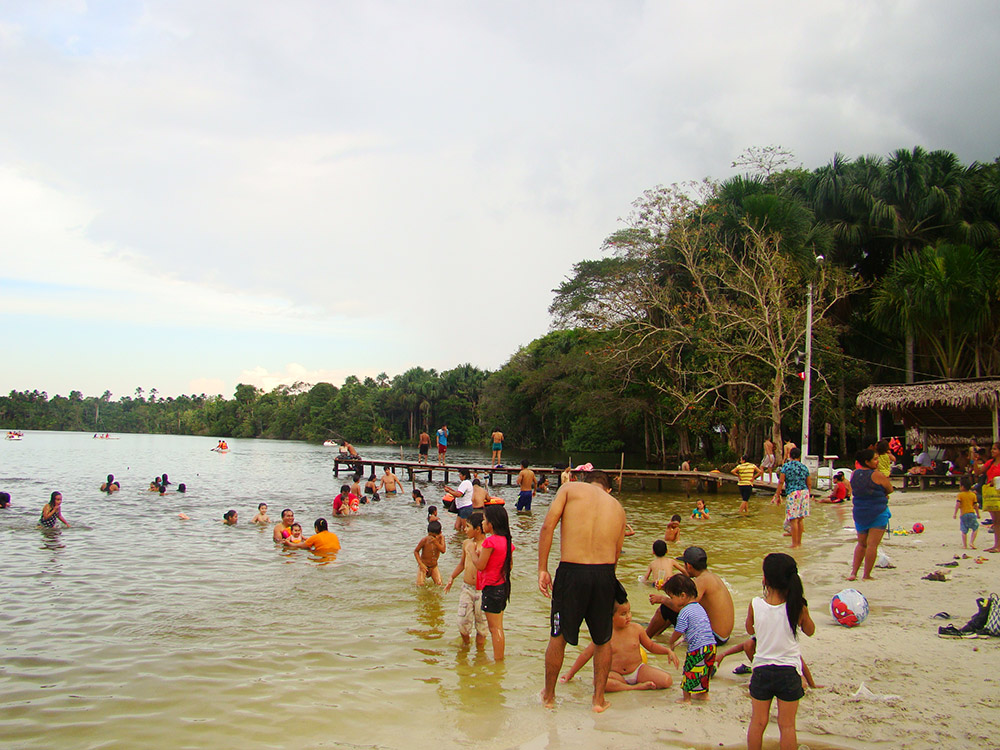
- Quistococha Zoo and Recreational Park
A family-friendly attraction that includes a lake, a demonstration forest, and exhibits of regional fauna.
- Bellavista-Nanay Port
A departure point for river tours and boat trips to Indigenous communities, wildlife reserves, and ecotourism lodges.
Ecotourism and Biodiversity
Few destinations rival Iquitos for its proximity to some of the most diverse ecosystems on the planet. The surrounding region hosts hundreds of species of birds, mammals, reptiles, amphibians, and thousands of plant varieties. Researchers and naturalists frequently base themselves in the city to access river networks, field stations, and protected areas.
Among the most significant natural reserves:
- Allpahuayo Mishana National Reserve
Renowned for its rare white-sand forests and endemic species such as the Iquitos gnatcatcher, this reserve is a top destination for birdwatchers and conservationists.
- Pacaya Samiria National Reserve: (accessible through longer expeditions)
One of the largest protected areas in Peru, offering immersive river explorations, pink dolphin sightings, and rainforest camps.
- Pilpintuwasi Butterfly Farm and Animal Rescue Center
Located in Padre Cocha, it shelters rescued animals and showcases dozens of butterfly species.
River cruises to the tri-border region (Peru–Colombia–Brazil), day tours to Indigenous communities, and wildlife-focused river expeditions further expand the city’s ecotourism offerings.
A Distinct Urban Personality
Part of what makes Iquitos unforgettable is the intensity of its urban life. Mototaxis buzz through the streets in a constant symphony of noise and movement. Street vendors fill the air with the scents of grilled fish, tacacho con cecina, and juanes. Music spills from every corner—cumbia, pop amazónico, and folk rhythms blend with contemporary genres.
The city’s nightlife is equally vibrant, with clubs, bars, and cultural venues creating a social scene that pulses late into the night. Festivals such as San Juan, Carnaval Iquiteño, and numerous Indigenous celebrations mark the city’s calendar with color and communal spirit.
The Future of Iquitos Tourism
Iquitos is undergoing an evolving transformation as sustainability becomes increasingly important for both residents and visitors. Projects focused on river conservation, waste management, noise reduction, and environmental education seek to protect the fragile Amazonian environment that sustains the city.
At the same time, new tourism investments—including improved river terminals, upgraded hotels, modern museums, renovated public spaces, and expanded international routes—are contributing to a renewed global interest in the region.
For travelers, Iquitos is far more than a gateway into the rainforest. It is a living, breathing city with its own pulse, shaped by water, history, and the unstoppable creativity of its people. The experience of visiting Iquitos is not merely about sightseeing—it is about encountering one of the world’s most dynamic intersections of nature and culture.
Savoring Loretan Cuisine: A Taste of Ikiitu and Chef Paz
To truly understand Iquitos, it is essential to experience its cuisine—an Amazonian tapestry woven from river, forest, and ancestral knowledge. Dishes like grilled paiche, tender chonta salads, refreshing aguaje drinks, and the iconic juane reveal the depth of Loretan flavors. For travelers seeking refined interpretations of these regional traditions, Ikiitu, an Amazonian restaurant in the heart of the city, offers creative dishes rooted in local ingredients and contemporary technique. Nearby, Chef Paz Restaurant has earned consistent praise for presenting classic Peruvian and Amazonian plates with careful execution and warm service, making both establishments standout introductions to the culinary soul of Loreto.