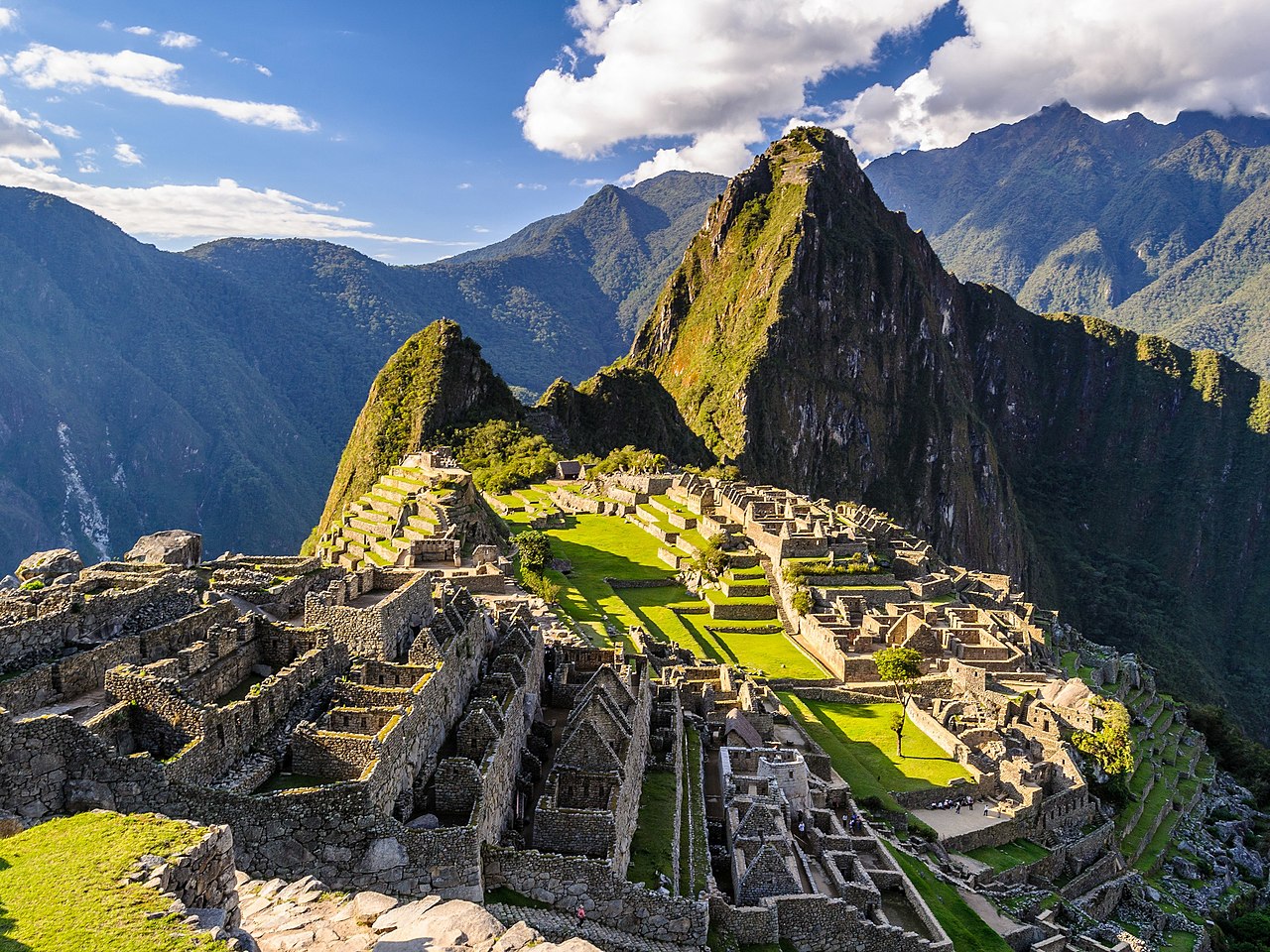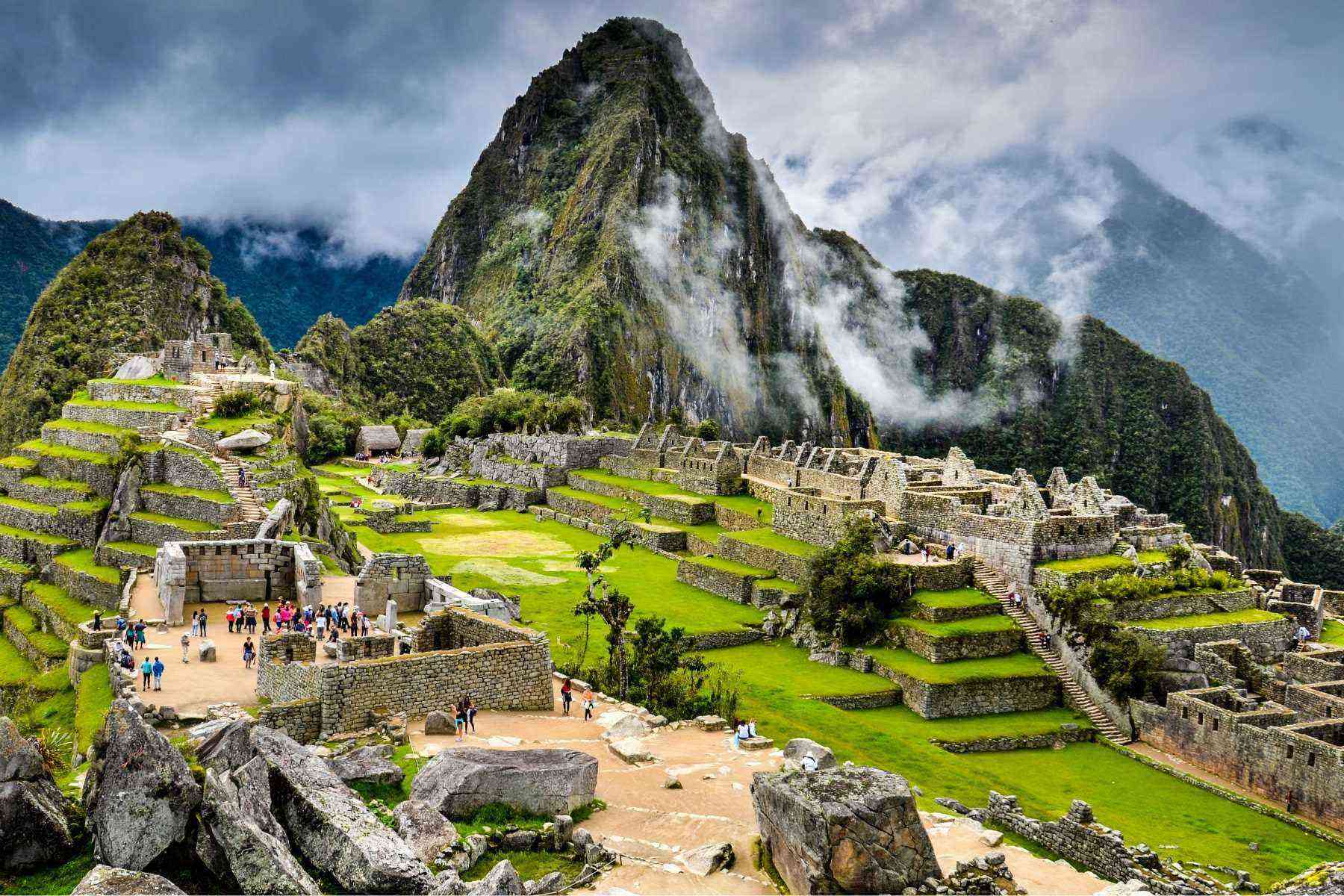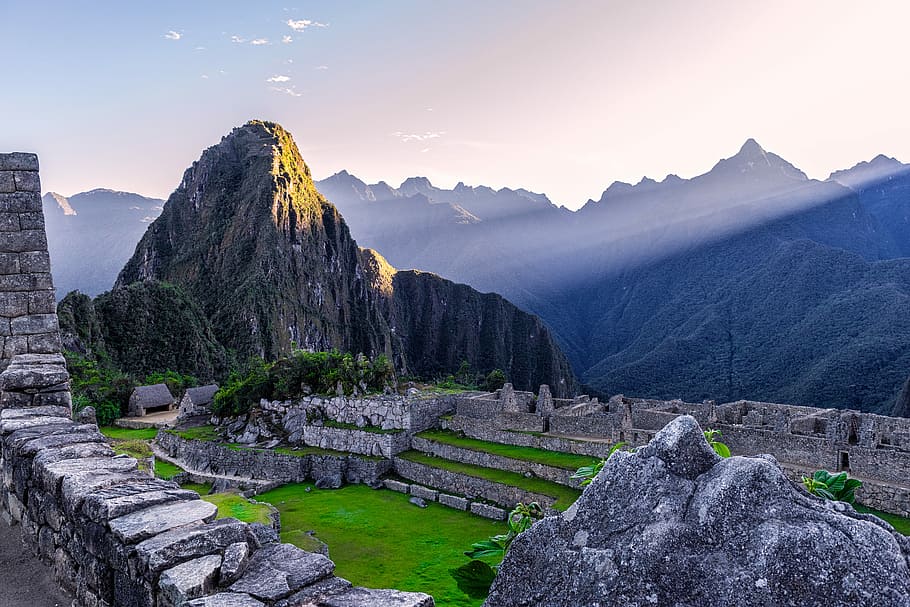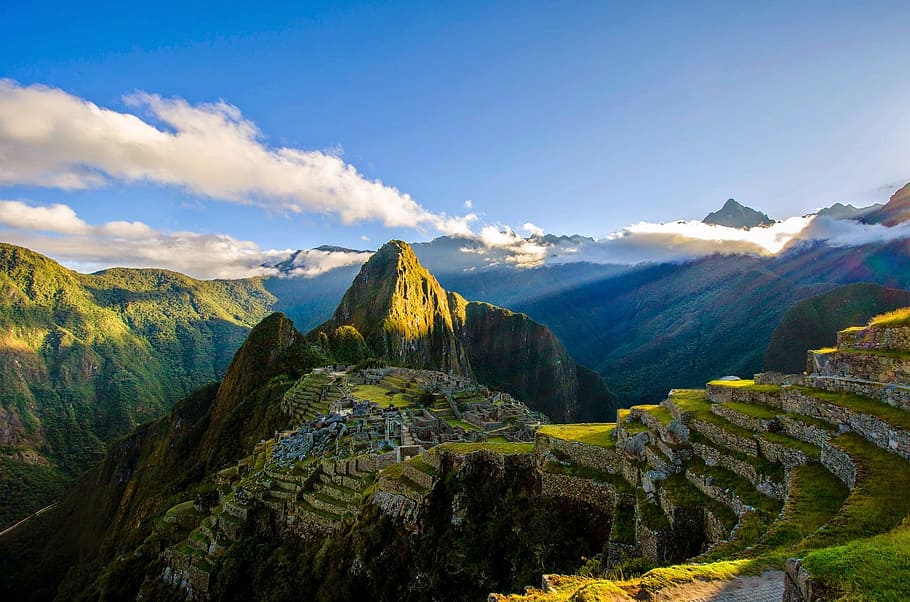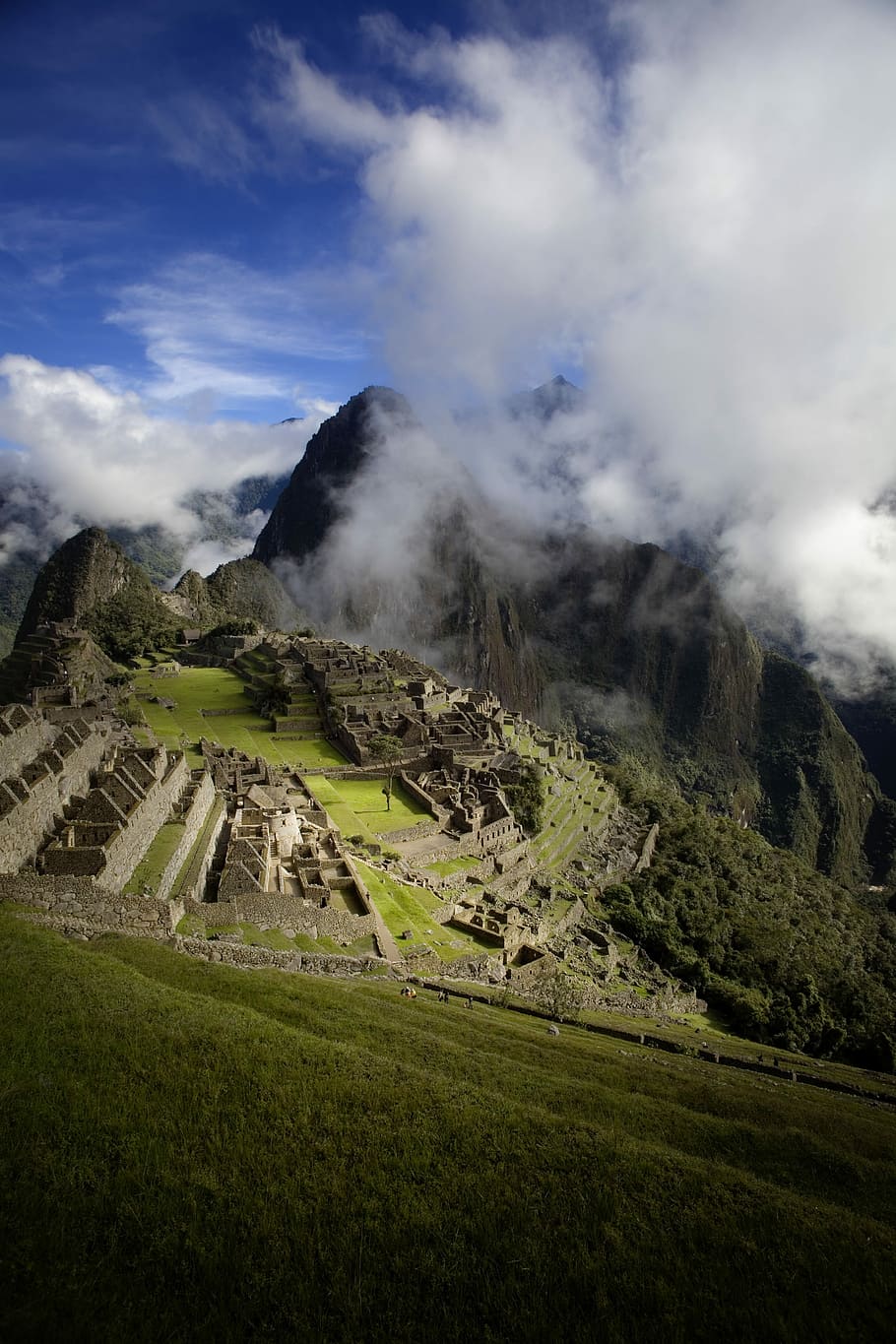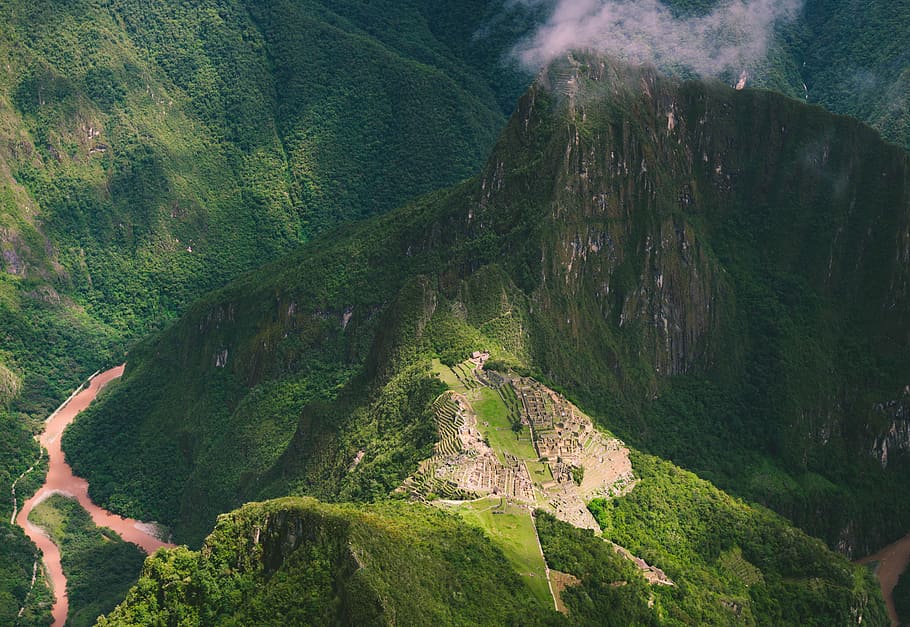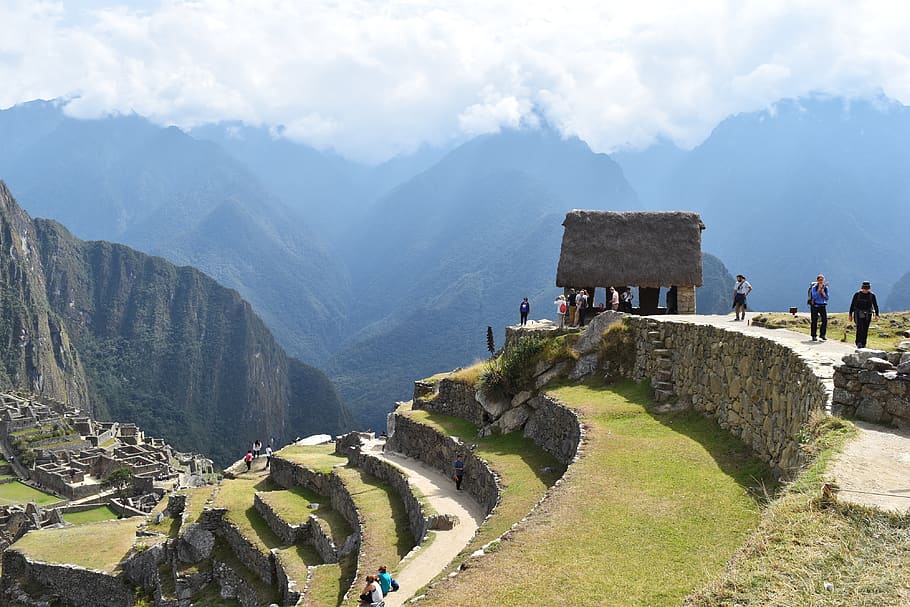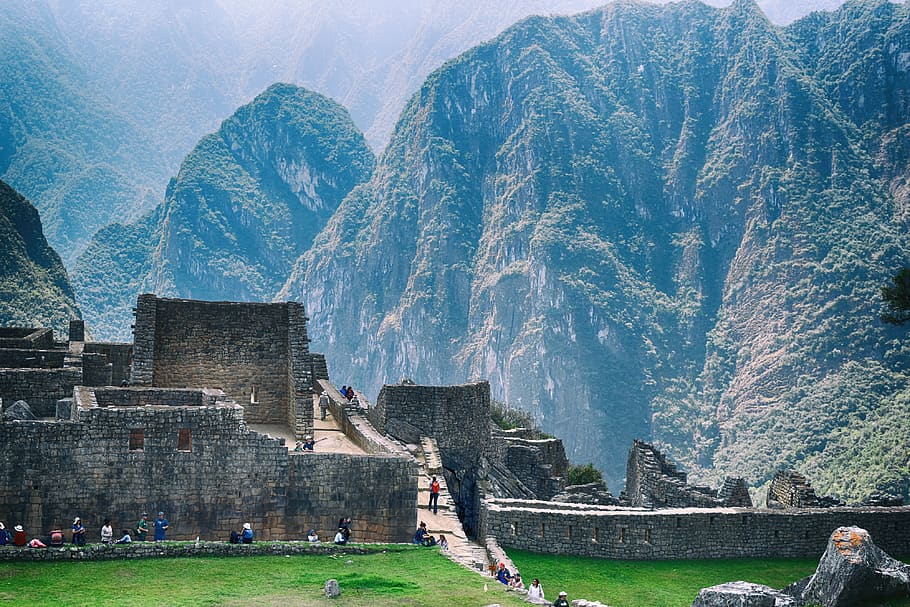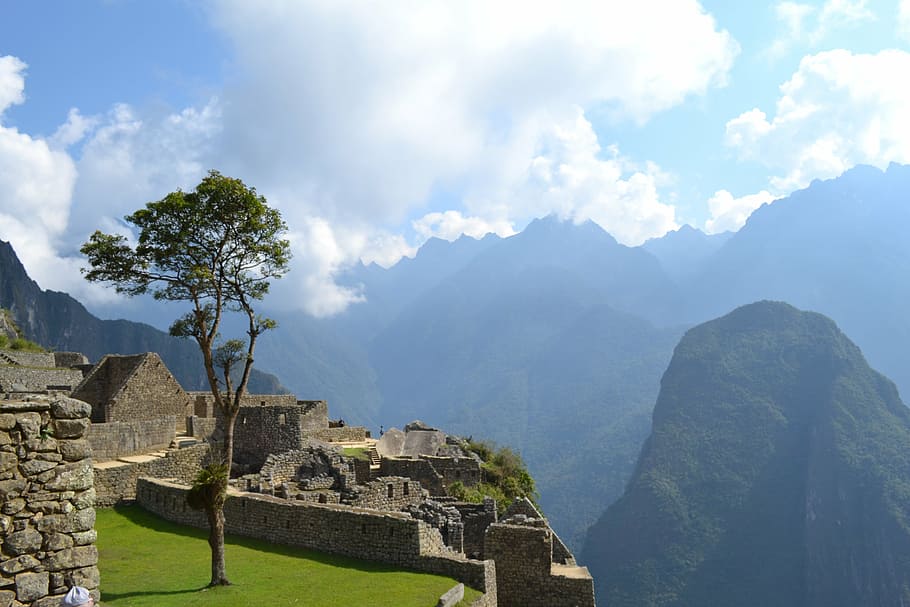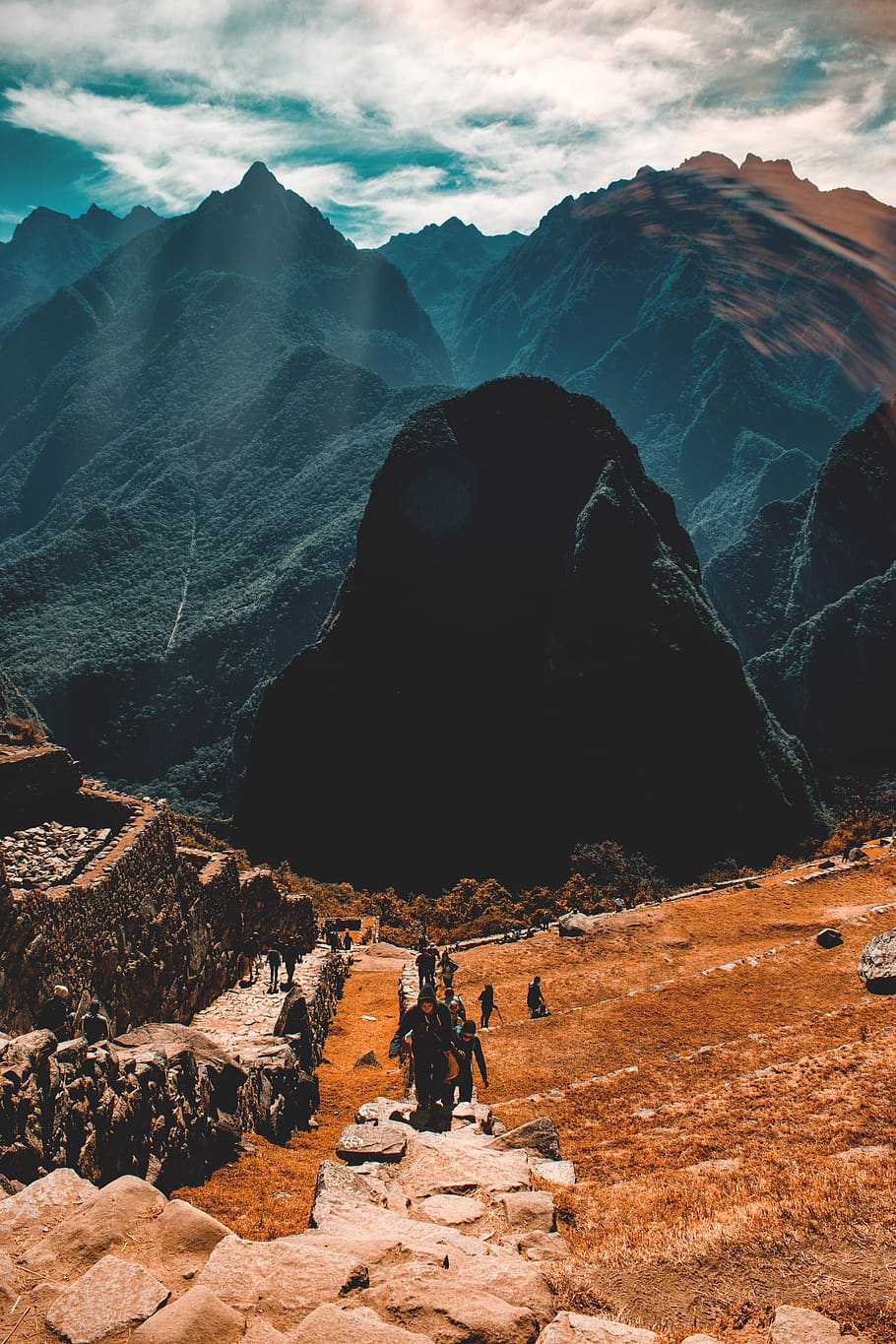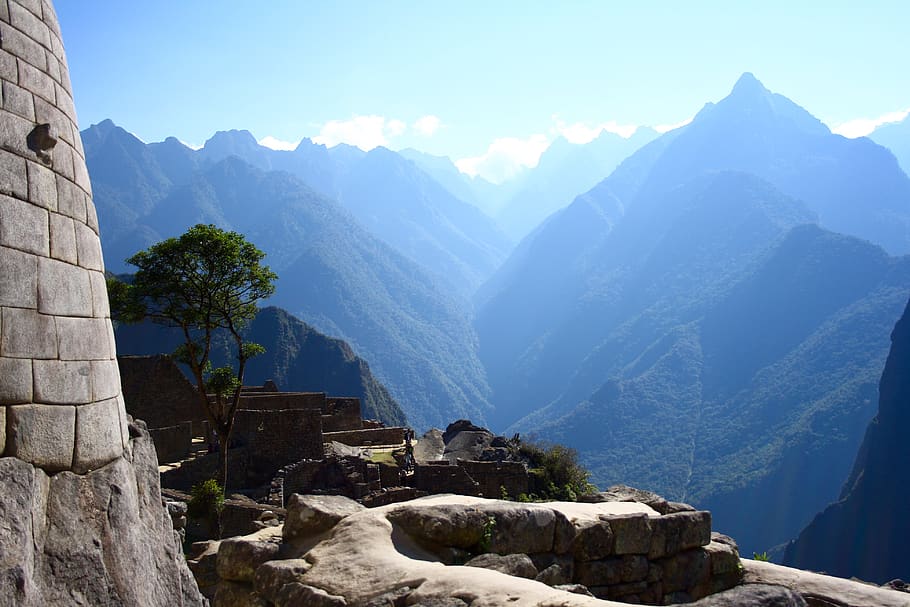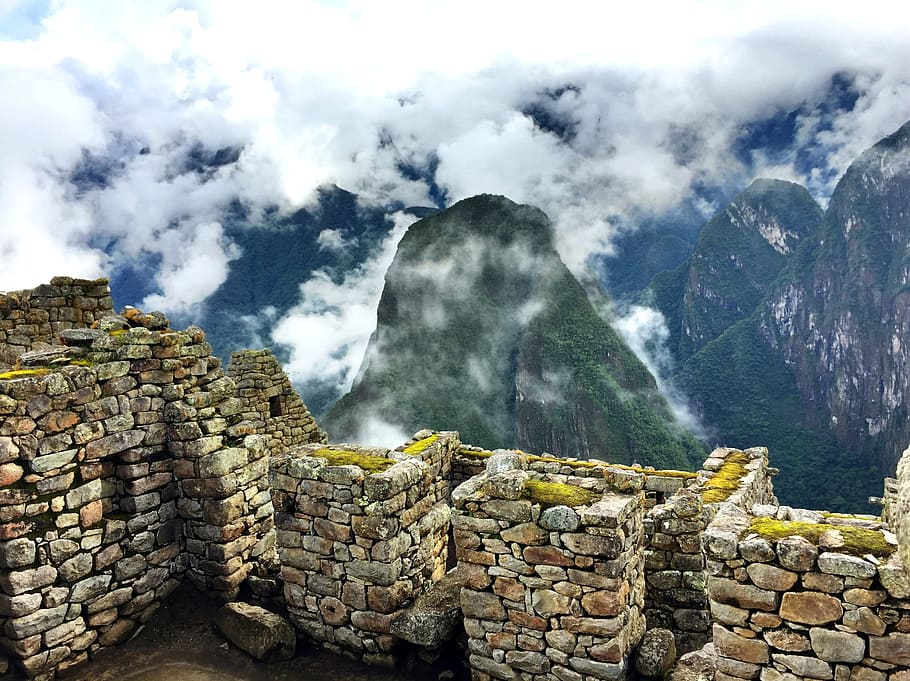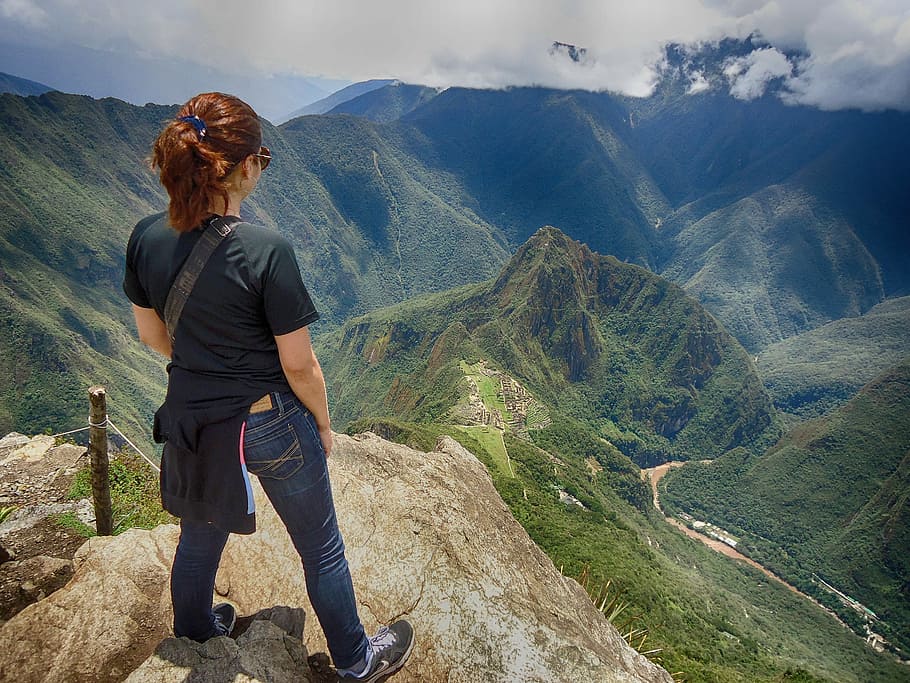
Perched at 2,438 meters in the eastern Andes, Machu Picchu occupies a razorback ridge between Huayna Picchu (young mountain) and the eponymous Machu Picchu (old mountain). The setting is as dramatic as it is strategic: below, the Vilcanota–Urubamba River loops in a sweeping arc, while cloud forest mists rise to meet granite terraces and finely jointed stone walls. Archaeologists widely link the site to the reign of Pachacutec, the 15th-century emperor who transformed a regional kingdom into the sprawling Inca Empire. The prevailing view is that Machu Picchu formed part of his royal domain—an estate where power, ritual, and landscape design fused into a single vision.
The estate interpretation does not diminish the site’s sacred function; it clarifies it. The ceremonial quality of its main approach and precincts suggests carefully choreographed processions and rituals keyed to the sun, mountains, and seasons. Elite residents likely circulated seasonally, while a permanent service community—administrators, artisans, attendants—sustained daily life. Agricultural labor was supported by workers brought from across the empire, reflecting how Inca rule mobilized peoples as well as resources.
Machu Picchu’s status as fortress has long been discounted. Its protective position came second to symbolic placement. The Incas built their political theology into the landscape: peaks served as deities (apus), water channels mirrored celestial order, and the passage of the sun was fixed into stone through temples and sightlines. In this reading, Machu Picchu is a theater of power and a sanctuary of meaning.
Stones that drain, breathe, and endure
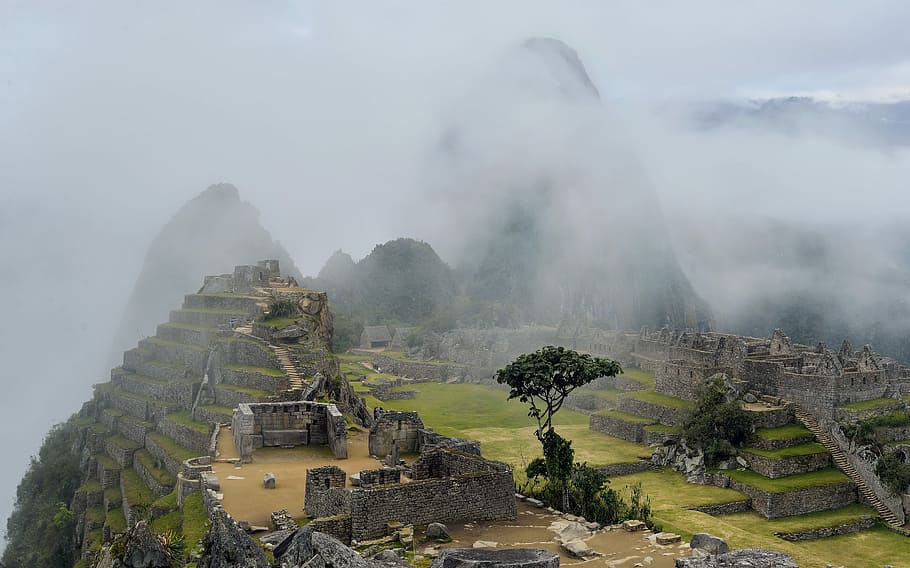
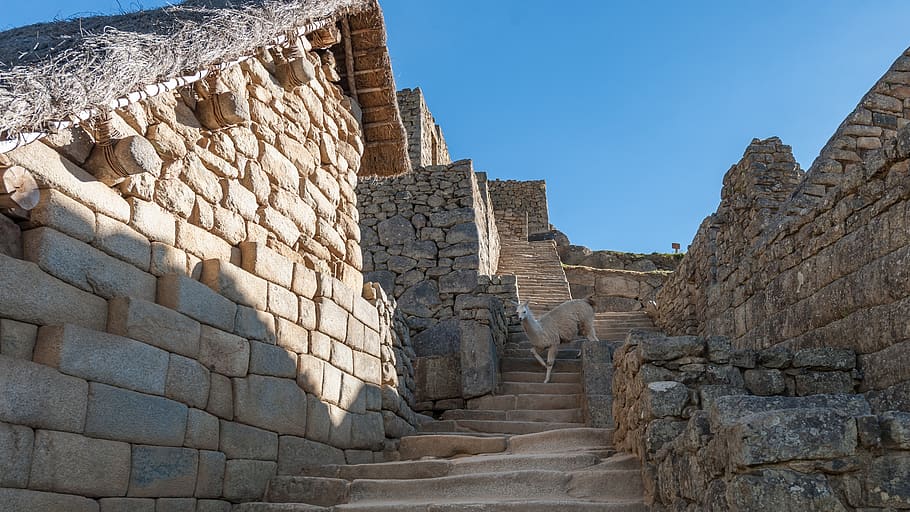
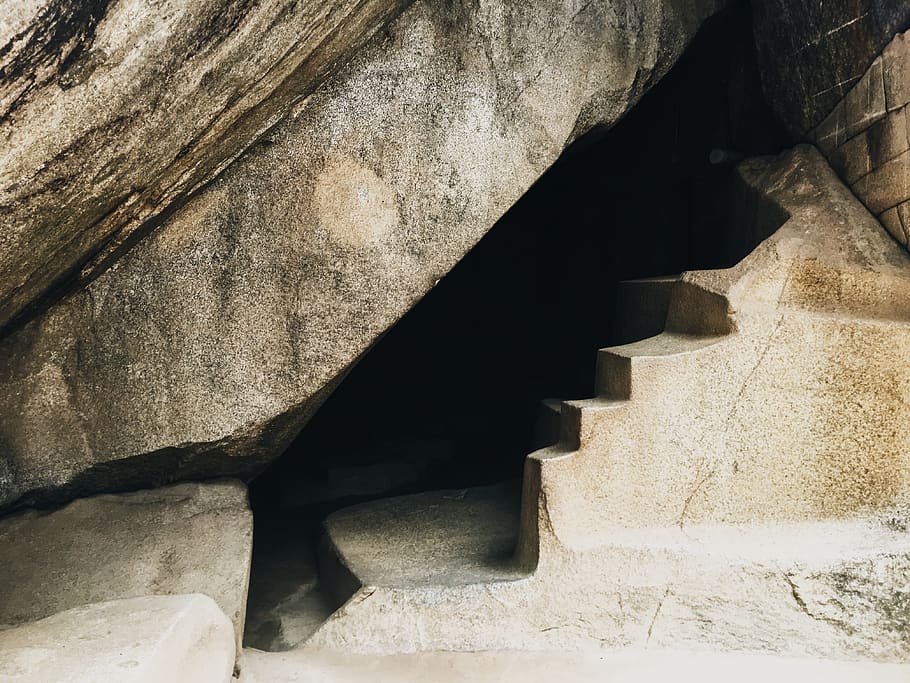
What astonishes first-time visitors—beyond the cliff-edge views—is not size but precision. More than 170 structures unfurl across roughly half a kilometer by a couple hundred meters, stitched together by stairways, plazas, and the famous agricultural terraces. The Incas’ ashlar masonry—stone blocks fitted so tightly a blade cannot pass—was not only aesthetic. It made the city resilient to earthquakes by eliminating mortar that might crack and by distributing shock through interlocking geometry.
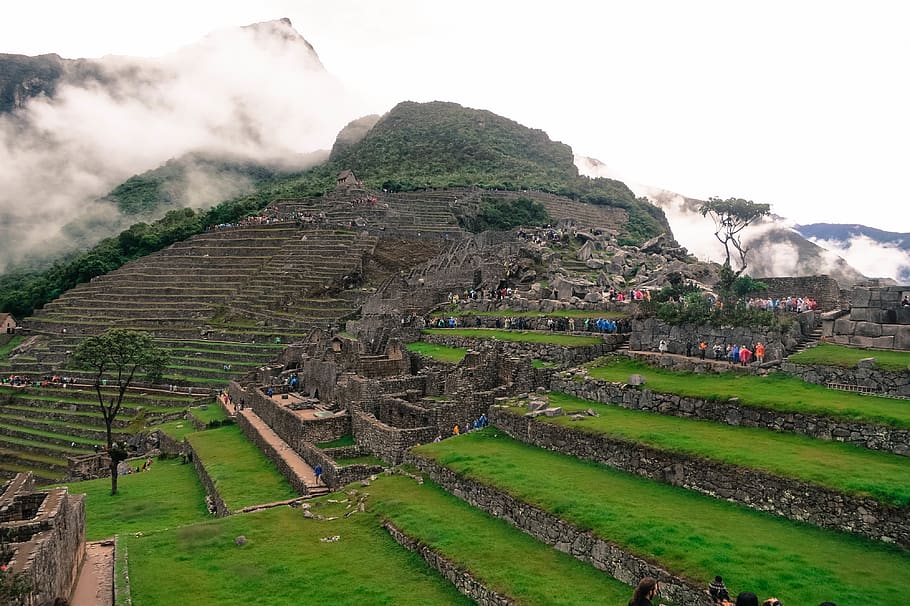
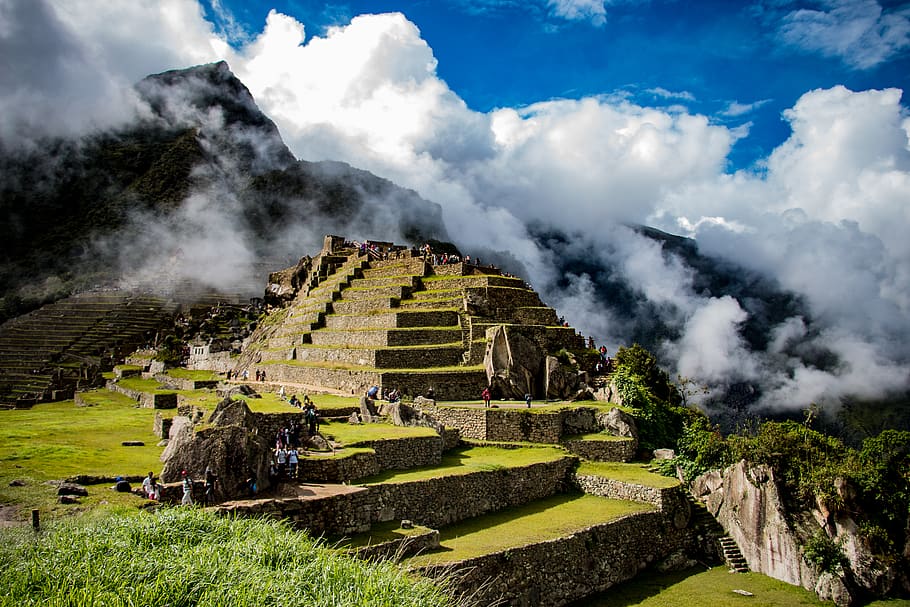
Hydrology was the quiet genius of the citadel. A spring-fed system of channels, fountains, and drainage kept Machu Picchu livable in a rainforest-montane climate where annual rainfall approaches two meters. Terraces are not mere amphitheater steps; they are engineered lungs. Each layer—topsoil, sand, gravel, stone—manages water, prevents landslides, and creates microclimates for crops. In a region of steep slopes and sudden downpours, the Incas built a city that drains as elegantly as it dazzles.
Geology gave them the palette. The citadel rests on a granite pluton, a tough, workable stone exposed by river incision and Andean uplift. The surrounding topography—part of what geologists call the Abancay deflection—helped create today’s deep canyons. The Incas read this terrain with an engineer’s eye and an artist’s restraint, aligning constructions to the grain of mountains and the arc of the river below.
From local memory to global fame
For centuries after the fall of the Inca state in the 16th century, the wider world had little awareness of Machu Picchu. Local families farmed terraces and drew water from the channels; the urban core yielded to the jungle, but it was never wholly erased from regional memory. Scattered colonial and 19th-century references—maps noting Huayna Picchu, travelers mentioning ruins—hinted at a place both present and obscured.
In 1911, Yale historian Hiram Bingham, searching for last Inca refuges, visited the ridge with local guides and encountered the overgrown stonework that would electrify his career and, later, global imagination. He did not discover Machu Picchu in the strict sense—others had reached it and some lived nearby—but he was the first to frame, excavate, and broadcast its significance to international audiences. Photography, scholarly reports, and the romance of a lost city narrative propelled Machu Picchu into popular culture.
That fame came with controversy. The export of thousands of artifacts to Yale for study—labeled temporary at the time—sparked a long debate over cultural patrimony. Their eventual return in the 21st century signaled a shifting consensus: global icons demand local stewardship. The lesson endures: research thrives when it respects origin, community, and law.
A UNESCO sanctuary under pressure
Since 1983, Machu Picchu has stood on UNESCO’s World Heritage List; since 1981, its wider cultural and natural envelope has been protected as the Historic Sanctuary of Machu Picchu. The sanctuary spans more than 325 square kilometers of Andean-Amazonian ecotones—habitat for spectacled bears, orchids, and cloud-forest birds—reminding visitors that the citadel is not an isolated postcard but the keystone of a living landscape.
With global stature came global crowds. Aguas Calientes, the gateway town below, funnels visitors by rail and bus up the switchbacks of the Hiram Bingham road or via a steep footpath. The famed Inca Trail remains strictly regulated, and other routes thread in from valleys and hydroelectric works. Managing footfall across fragile terraces and narrow corridors is an ongoing balancing act: access versus integrity, economy versus conservation. The most thoughtful solutions treat Machu Picchu as both city and watershed, calibrating visitor flows to seasons, rain events, and the carrying capacity of stone, soil, and trail.
Reading the site today
Walk the urban core and the Inca script becomes legible. The Temple of the Sun and its curved wall play with light and solstice shadows. The Intihuatana (hitching post of the sun) engages sky-watching and the choreography of days. Residential blocks reveal hierarchy in wall finish and layout, while the agricultural sector demonstrates a deep understanding of slope, soil, and seed. The whole llaqta—city—operates as a diagram, a three-dimensional plan of how to dwell with mountains rather than against them.
What kind of city is this, finally? A royal estate, a ritual sanctuary, a research station in stone? Perhaps all three. The Incas rarely separated cosmology from governance or architecture from agriculture; Machu Picchu fuses them. It answered the needs of a dynasty and the demands of a climate, generating prestige while testing techniques that radiated across the empire—terracing principles, water control, road integration, labor organization.
Its afterlife is equally instructive. The 20th century framed Machu Picchu as a rediscovered ruin; the 21st asks us to see it as a shared responsibility. Climate variability threatens slopes and stone; overtourism erodes paths and patience. Yet the Incas left a manual in granite: build for movement as much as for mass, drain first and decorate later, let landscape lead design. The site’s endurance is not only a marvel of the past; it is a blueprint for the future of heritage in a warming, crowded world.
Machu Picchu rewards prolonged contemplation. Pause to notice the invisible systems: the canal that whispers beneath a staircase, the silent terrace that breathes in last night’s rain, the stonework that transforms seismic movement into a subtle gesture. Observe how the light from the clouds modifies the stone with each passing hour. In those moments, the forgotten city transforms into something closer to lived experience: a lesson from the highlands about how, more than 500 years ago, human beings were able to adapt to the natural environment, not by destroying it, but by ecologically building a city that didn’t fight against nature, but rather integrated with it.
More than the perfect selfie, Machu Picchu is nature and human ingenuity that we never tire of photographing. Machu Picchu is not only where the Incas were brilliant; it is where their genius still endures.