
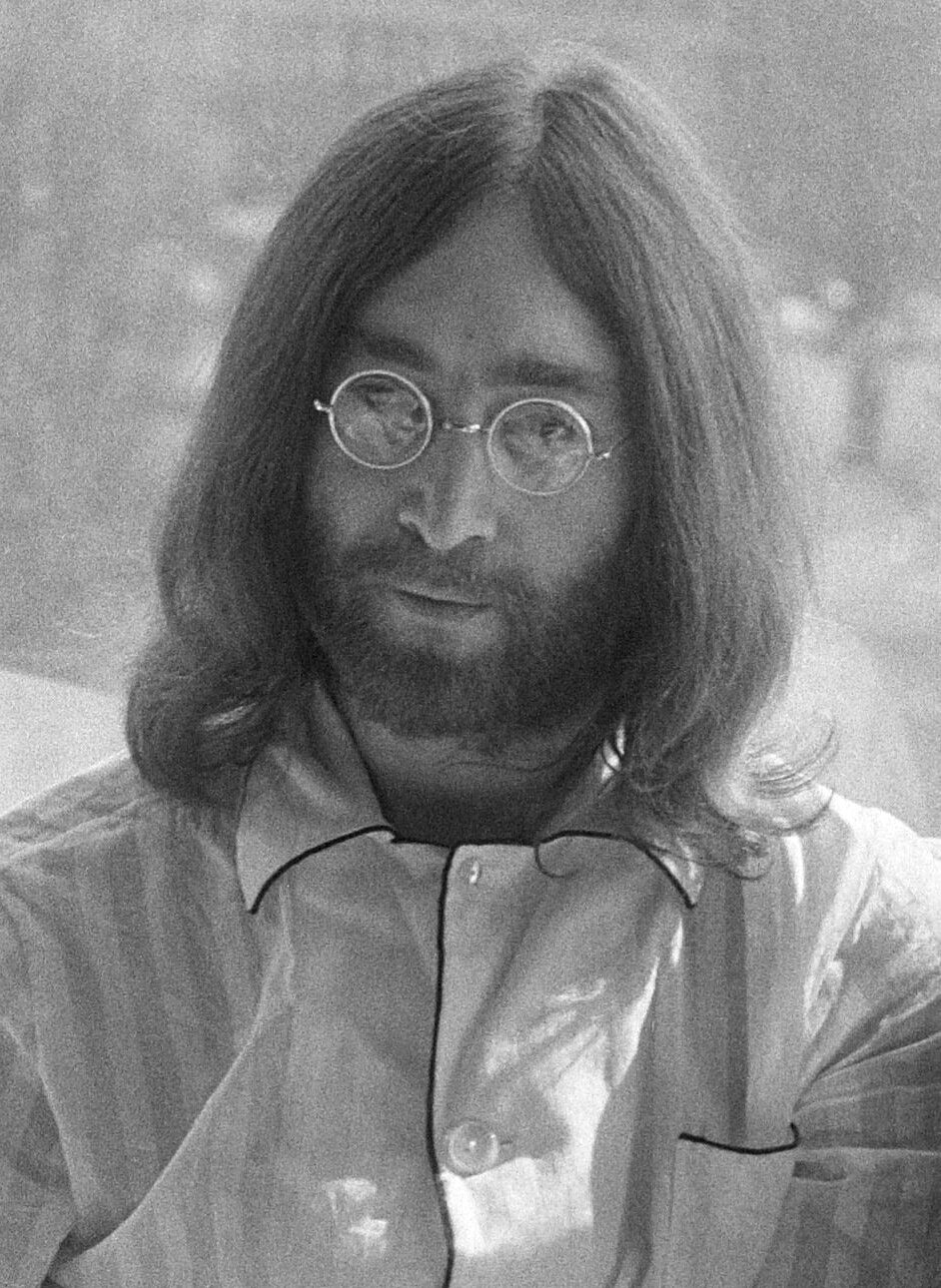
In a photograph taken in Amsterdam on 25 March 1969, John Lennon and Yoko Ono receive the press from a hotel bed. Their honeymoon had become a public appeal against war. The photograph records a deliberate use of celebrity: journalists expecting a famous couple's private life encountered a message designed to travel through the same newspapers and broadcasts that had made them famous.
On 9 October 2026, Lennon would have turned 86. The birthday invites a look beyond the familiar portrait of a peace icon. The musician who helped transform popular music also made uncomfortable personal records, took political risks and sometimes contradicted the ideals with which he became associated. His songs survive more fully when that complexity remains visible.
Before the symbol, a Liverpool home
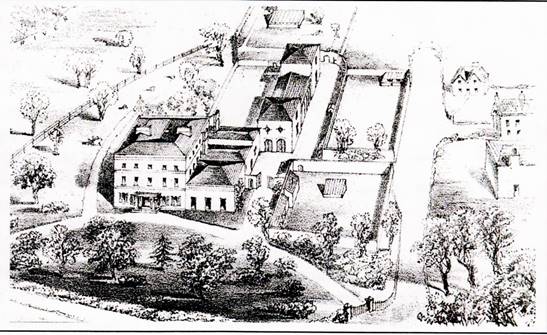
Lennon was born in Liverpool on 9 October 1940. His childhood was shaped by a household now preserved as part of the Beatles' history: Mendips, on Menlove Avenue. The National Trust dates his move there to 1946, after his parents' separation, when he went to live with his aunt Mimi and her husband George Smith.
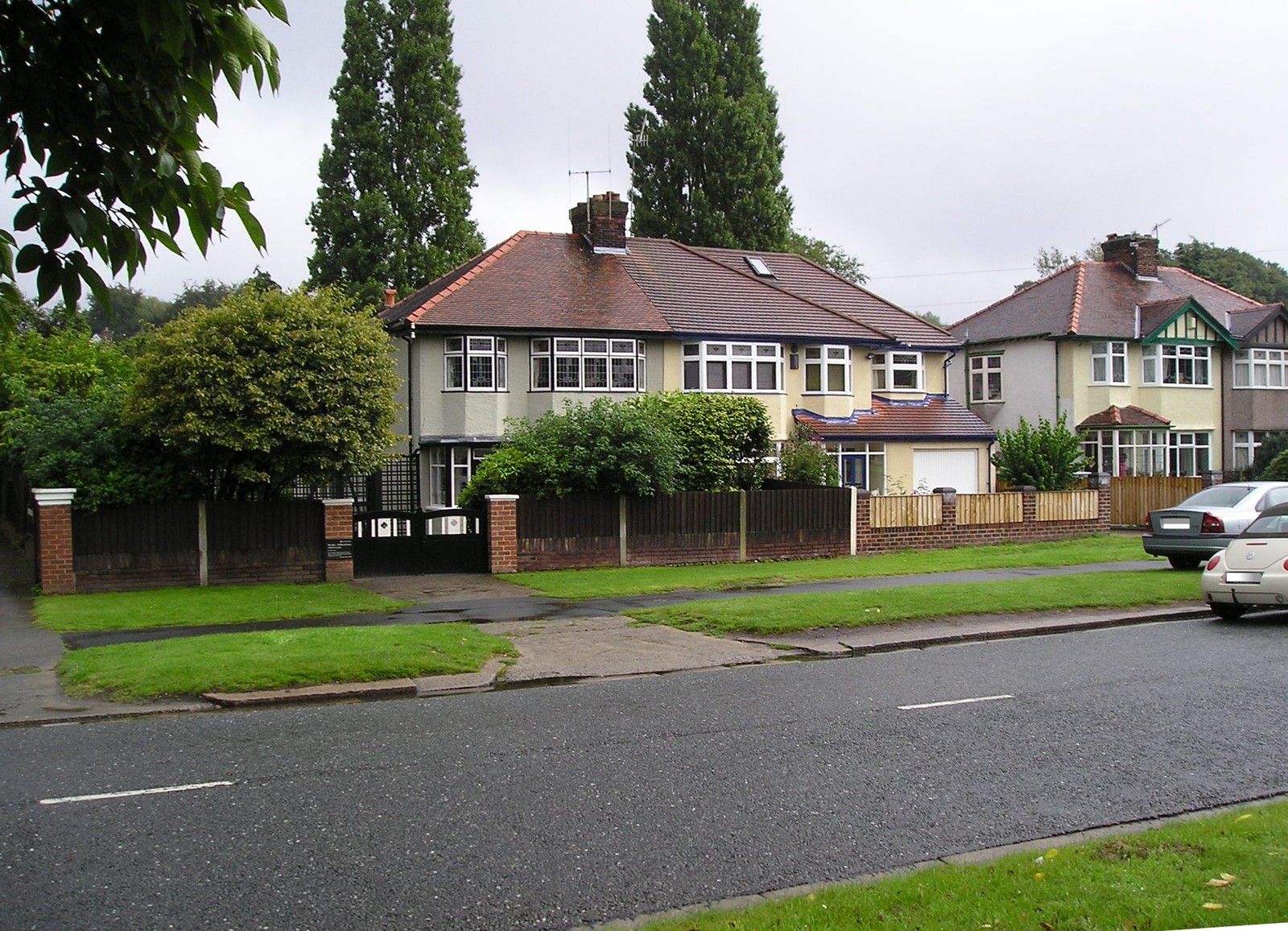
The setting complicates the shorthand image of a singer emerging from nowhere. His early life contained domestic routines, encouragement, restrictions and loss. His mother Julia remained part of that world and died after being hit by a car in 1958. This history later entered songs, but a song is an artistic response to experience rather than a transparent record of everything that happened.
Paul McCartney entered Lennon's life through a meeting at a church fete in 1957, when Lennon was performing with the Quarrymen. Their developing partnership involved learning songs together and trying to write their own. Those ordinary acts of musical work preceded the Beatles' international fame. Liverpool and the group's subsequent experience in Hamburg helped form musicians who would keep changing their own possibilities.
A partnership that kept moving
Lennon and McCartney's shared songwriting credit became one of the best-known names in popular music. It should not erase George Harrison and Ringo Starr, or the studio collaborators who helped turn ideas into records. The Beatles' achievement involved a band able to develop from direct pop songs into more adventurous arrangements, sounds and subjects.
There is a current reason to revisit that development. On 2 October 2026, Apple Corps and UMG released an expanded special edition of Rubber Soul, the group's 1965 album. The official announcement describes new mixes and session material. A songwriting work tape for Day Tripper had also been made available ahead of the release.
These are historical recordings, not songs written in 2026. The announcement also identifies Little Girl as a previously unreleased Lennon song outline. That description makes the distinction between an archival discovery and a newly composed work clear. The material documents musicians making decisions, allowing listeners to compare developing ideas with finished recordings. The birthday arrives just after this opportunity to return to their working process.
Turning fame into an appeal
Lennon and Ono's bed-ins in 1969 carried their activism into a medium they understood: publicity. The Amsterdam event came first, followed by a second in Montreal. Give Peace a Chance was recorded in the Queen Elizabeth Hotel during the Montreal bed-in and released that July. A hotel room became a recording space and the basis of a song people could sing together.
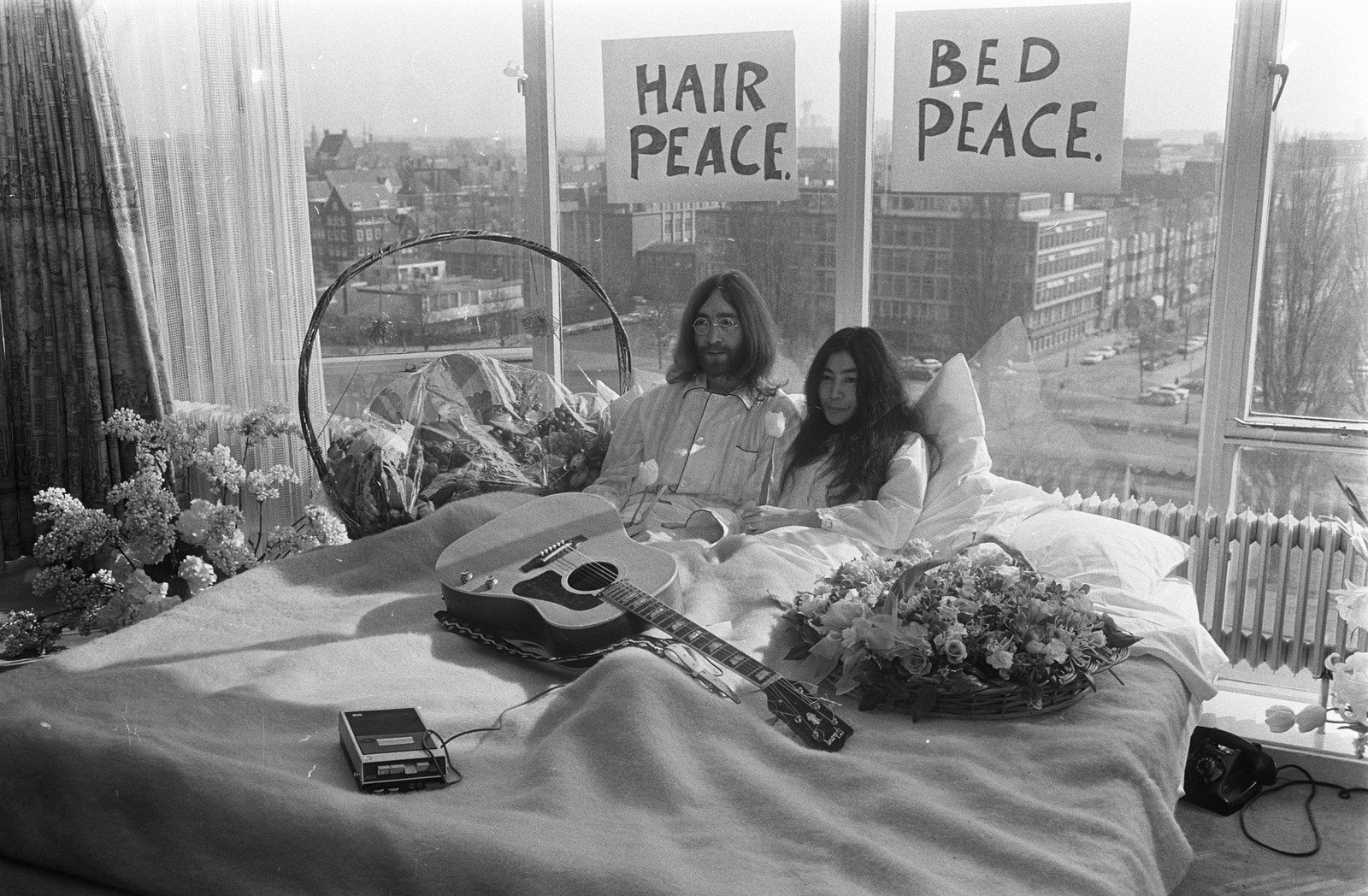
The simplicity of such a public message had both reach and limits. A song could express opposition to war and give a gathering a common voice. It could not by itself settle the political choices or disagreements behind a conflict. Lennon and Ono used their visibility to enter that argument; their celebrity did not make their positions immune to criticism.
The attention also came from institutions other than the press. The FBI's publicly released Lennon files preserve evidence of official scrutiny. They are useful historical documents, but must be read as records created by investigators, with their own purposes and assumptions. The existence of a file is not a reason to endorse every assertion it contains.
Imagine, and the artist beside him
Imagine appeared in 1971 and became closely associated with Lennon's public identity. The official song archive identifies Yoko Ono's book Grapefruit as a source of its imaginative invitations. It also preserves Lennon's later acknowledgement that he had taken her contribution without giving her the credit she deserved. Ono received formal songwriting recognition in 2017.
That record gives her a place in the story grounded in the work itself. She was an artist and a collaborator, not simply an explanation for what happened to a famous male musician. The documented contribution also reveals a contradiction Lennon recognised: someone calling for a less possessive world could still be possessive about artistic recognition.
The broader solo work resists reducing him to a single anthem. John Lennon/Plastic Ono Band, released in 1970, confronts family loss and personal identity with a spare sound. Imagine contains How Do You Sleep?, a sharply hostile song directed at McCartney. The coexistence of a peace appeal and a musical attack makes the catalogue more difficult, and more informative, than a collection of comforting slogans.
The return, and the place of remembrance
After several years away from regular record releases, Lennon returned with Ono in Double Fantasy in 1980. Their son Sean, born in 1975, was central to the family life Lennon discussed during that period. These late songs and interviews show an artist reconsidering work, partnership and fatherhood; they should not be treated as proof that every earlier conflict had been resolved.
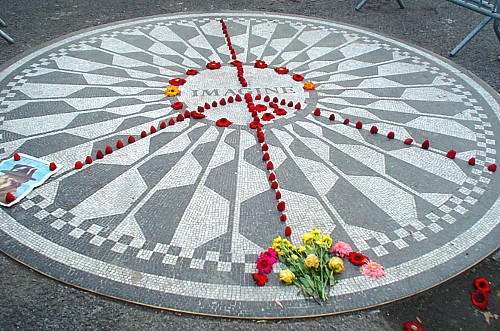
Lennon was murdered in New York on 8 December 1980, aged forty. The Strawberry Fields memorial in Central Park was dedicated on 9 October 1985, his forty-fifth birthday. Developed with Ono and the Central Park Conservancy, it includes a mosaic donated by Naples and a landscape intended as a place of peace. Its name recalls a Beatles song and a Liverpool place that had entered Lennon's imagination.
The anniversary offers a route back from that public memorial to the recordings. Lennon can be heard as a collaborator, an impatient critic, a grieving son and a musician trying to communicate an ideal he did not always live consistently. Holding those aspects together gives the peace symbol a human history. It also leaves the listener free to ask what the songs achieve, where their claims fall short, and why they continue to be sung.
Sources: National Trust: the Beatles' childhood homes, The Beatles: Rubber Soul special edition, 2026, John Lennon official archive: Imagine, FBI Vault: John Winston Lennon, Central Park Conservancy: Strawberry Fields
Books and resources
- Imagine John Yoko — John Lennon; Yoko Ono
Documentary book compiled by John Lennon and Yoko Ono, published in 2018, about the making of Imagine. Publisher link for the English commercial edition. Firsthand archive and testimony reflect the creators' perspective.
Paid resource - The Beatles' childhood homes — National Trust
Free institutional resource in English about Mendips and Paul McCartney's childhood home. Connects the musicians' early work with the preserved buildings. The information is free; visits are separate and may require paid booking.
Free resource
.jpg)


