The Timeless Allure of Safranbolu
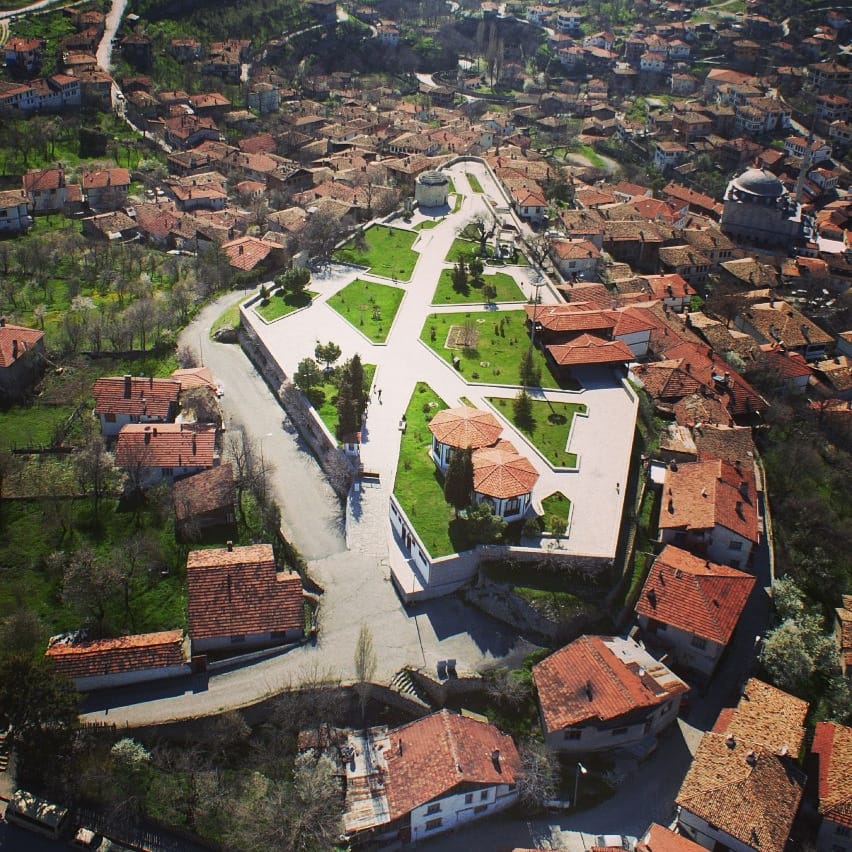
Safranbolu, located in northern Turkey within the Black Sea region, is widely recognized as one of the best-preserved Ottoman towns in existence. Its historical fabric, architectural integrity, and centuries-old urban character have positioned it as a premier destination for cultural tourism. Safranbolu offers visitors a rare opportunity to immerse themselves in a setting where traditional houses, caravan routes, and civic buildings remain almost untouched by the passage of time. Today, the town stands as a living museum, echoing a history that spans more than three millennia.
A City Rooted in Ancient Civilizations
Long before it became an Ottoman showcase, Safranbolu was part of the ancient region of Paphlagonia, mentioned by classical writers and intertwined with early Anatolian civilizations. Archaeological findings suggest habitation dating back to 3000 BC, marking the town as one of the oldest continuously settled areas in the region. Over the centuries, numerous empires shaped Safranbolu’s identity, including the Hittites, Phrygians, Persians, Romans, Byzantines, and eventually the Seljuks and Ottomans. Each era contributed distinctive cultural layers, but it was during the Ottoman period that the town flourished into the architectural jewel we recognize today.
The Origin of Its Name and the Importance of Saffron
Safranbolu derives its name from saffron, one of the world’s most precious spices, which has been cultivated in the surrounding fields for centuries. This aromatic red-gold flower brought prosperity to the region through trade and culinary use. Even today, saffron cultivation continues on a smaller but symbolic scale, and the spice remains a signature product associated with the town’s identity. Annual festivals celebrate the harvest season, highlighting Safranbolu’s enduring bond with its namesake.
An Architectural Masterpiece of the Ottoman Era
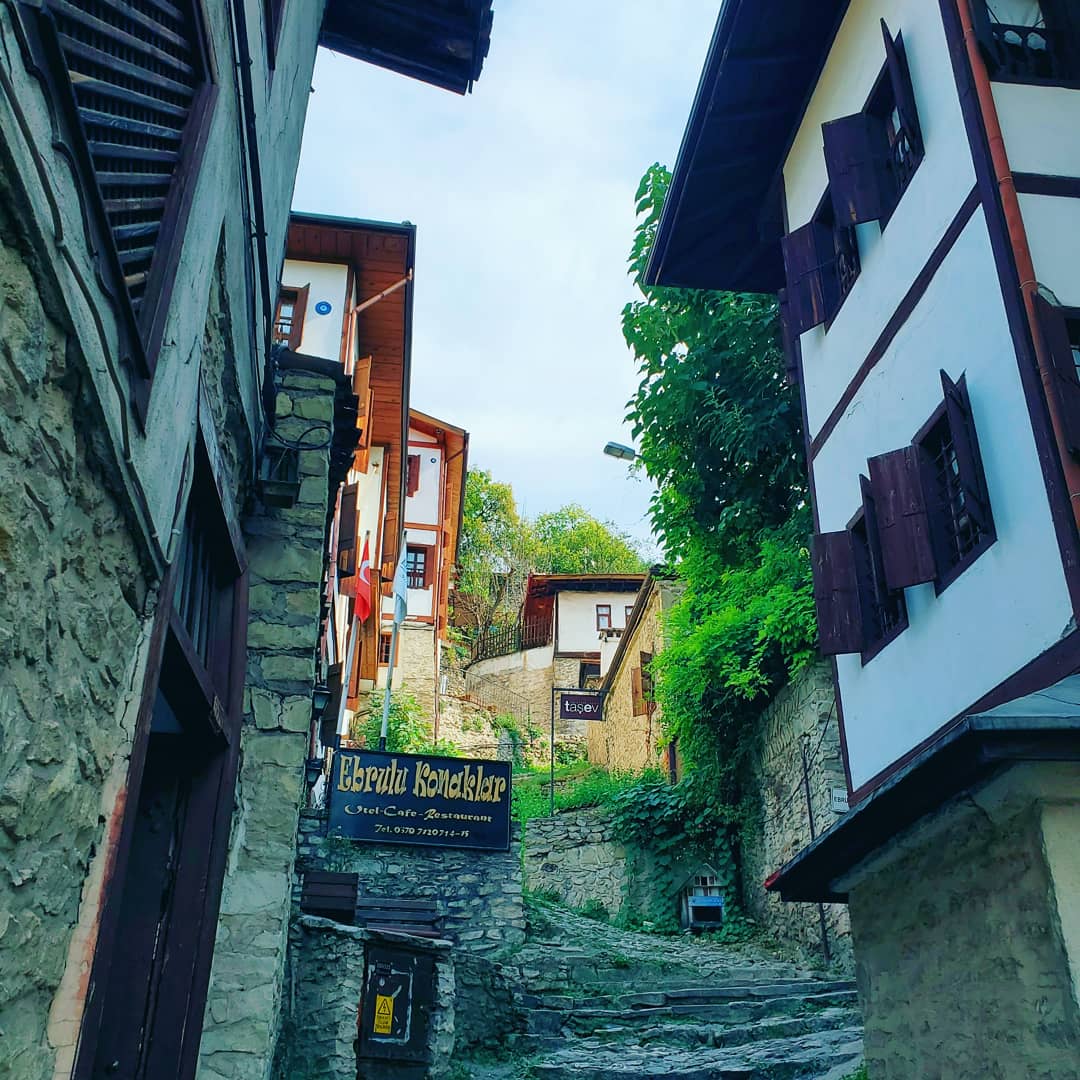
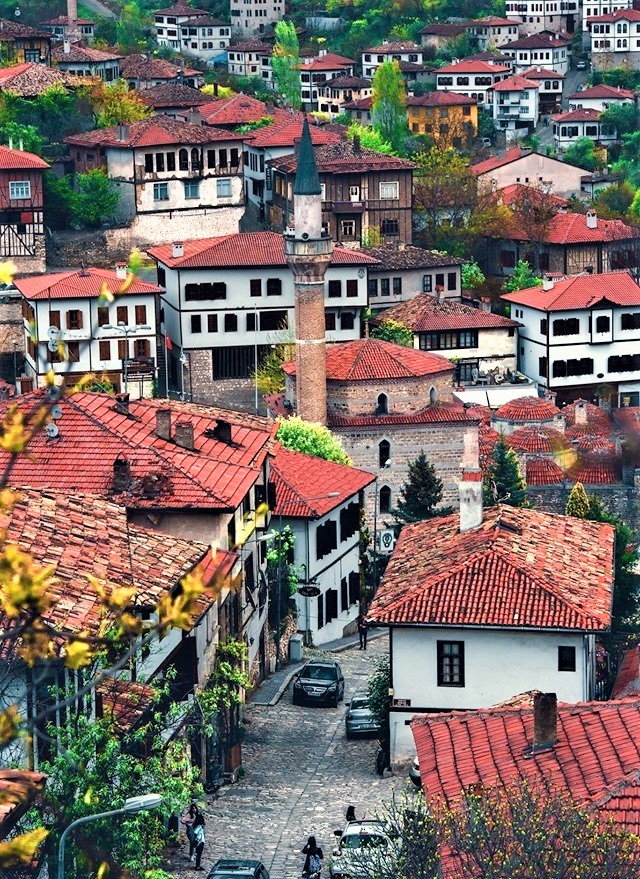
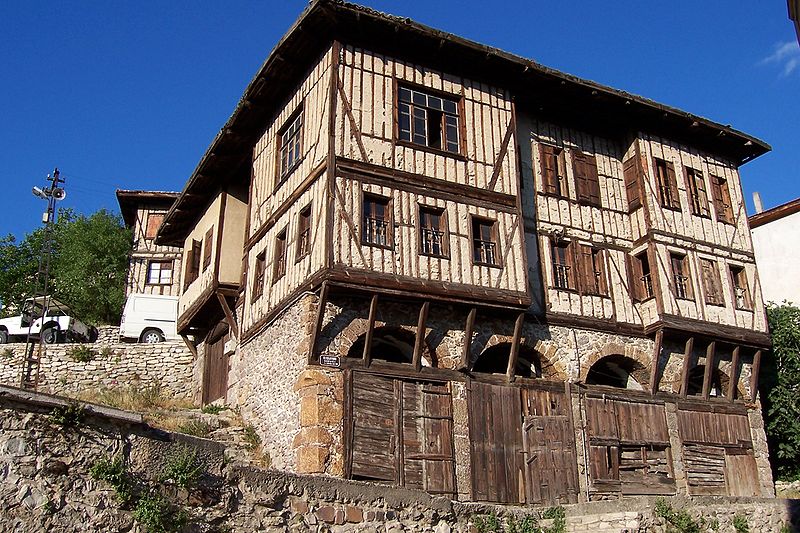
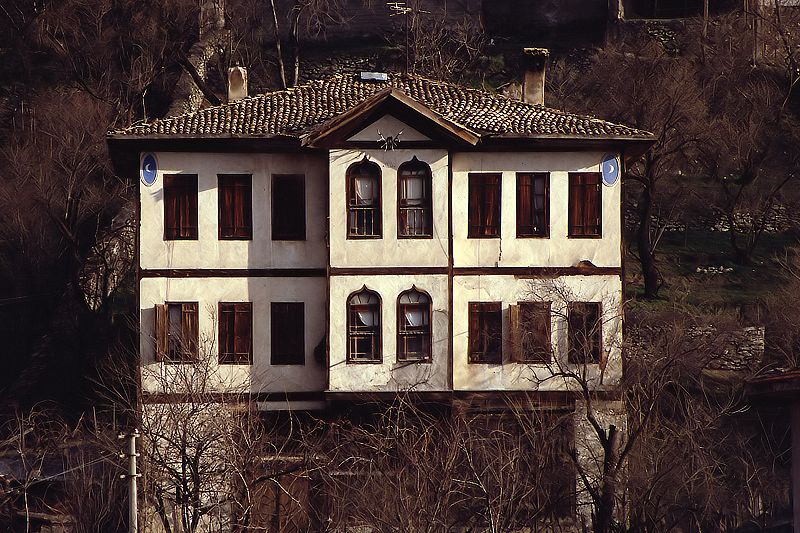
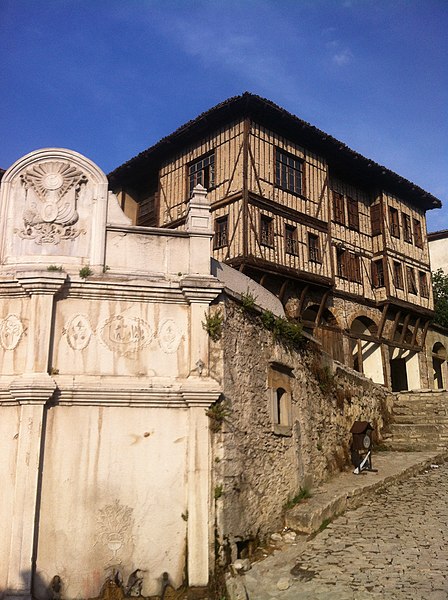
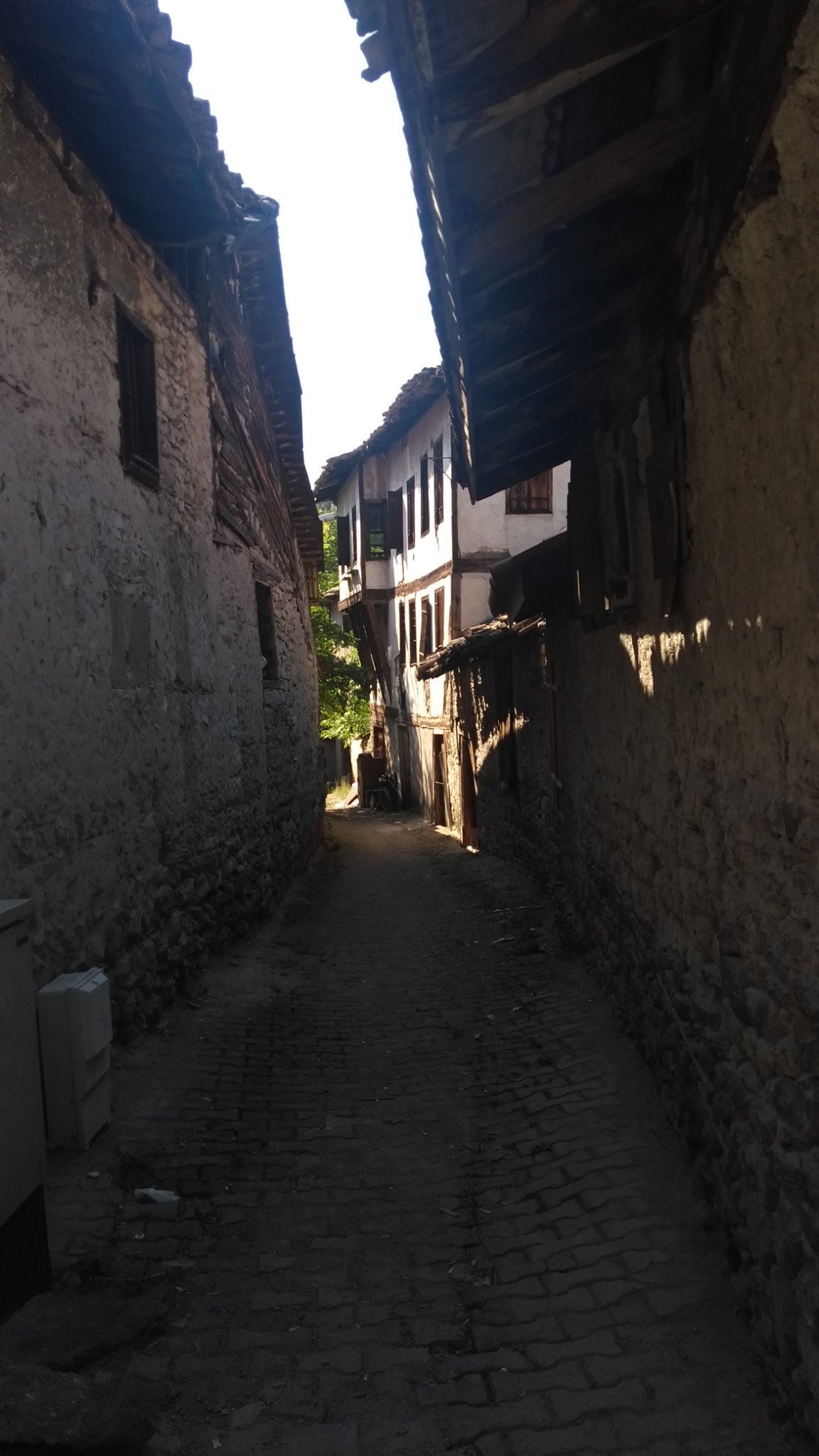
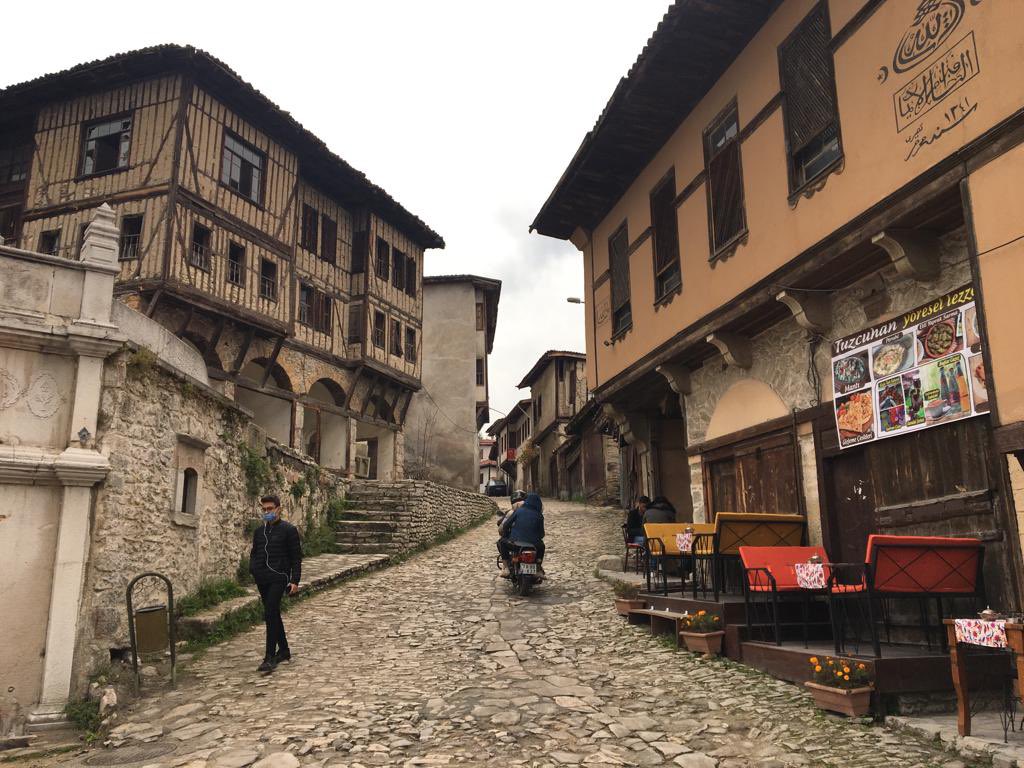
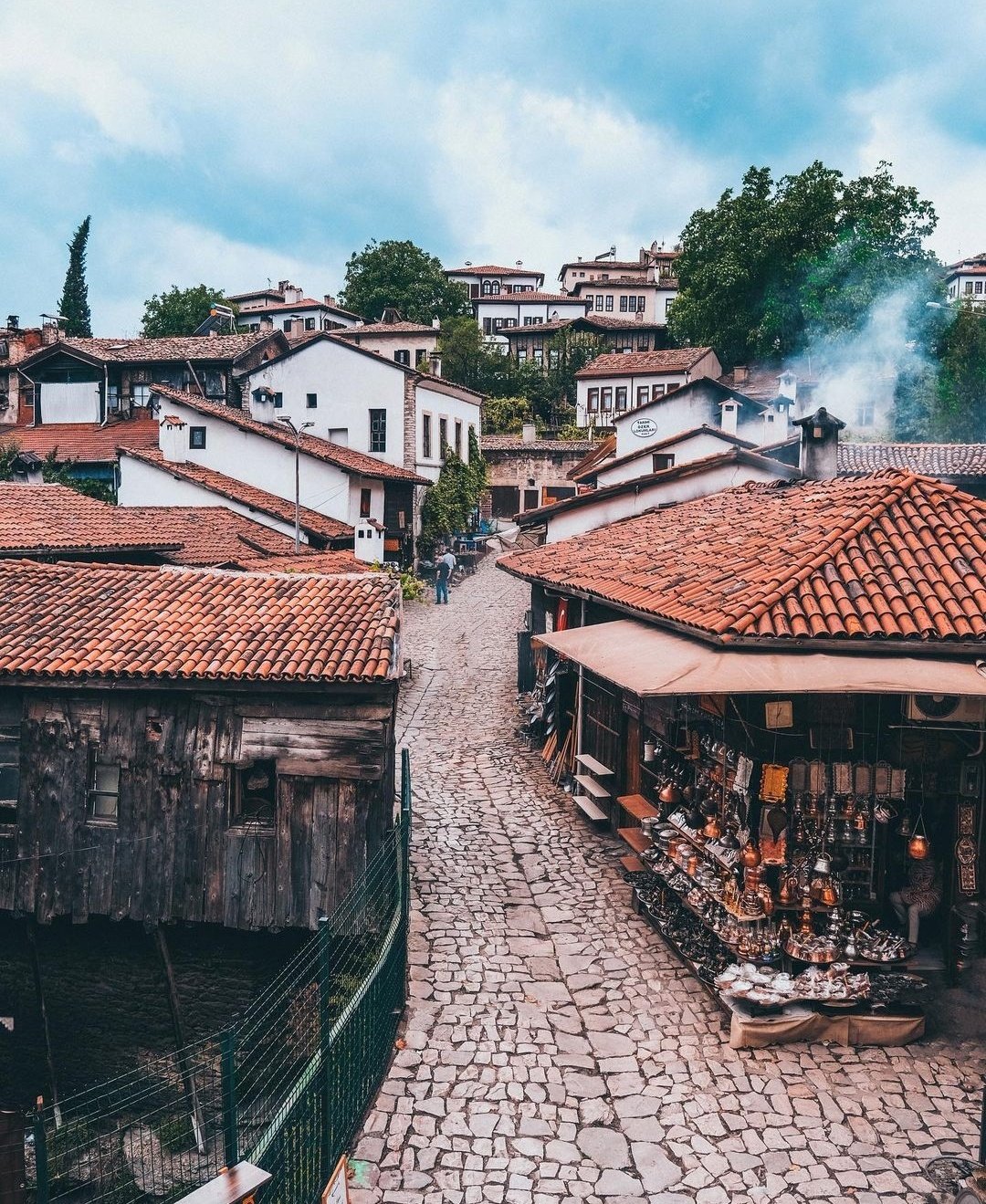
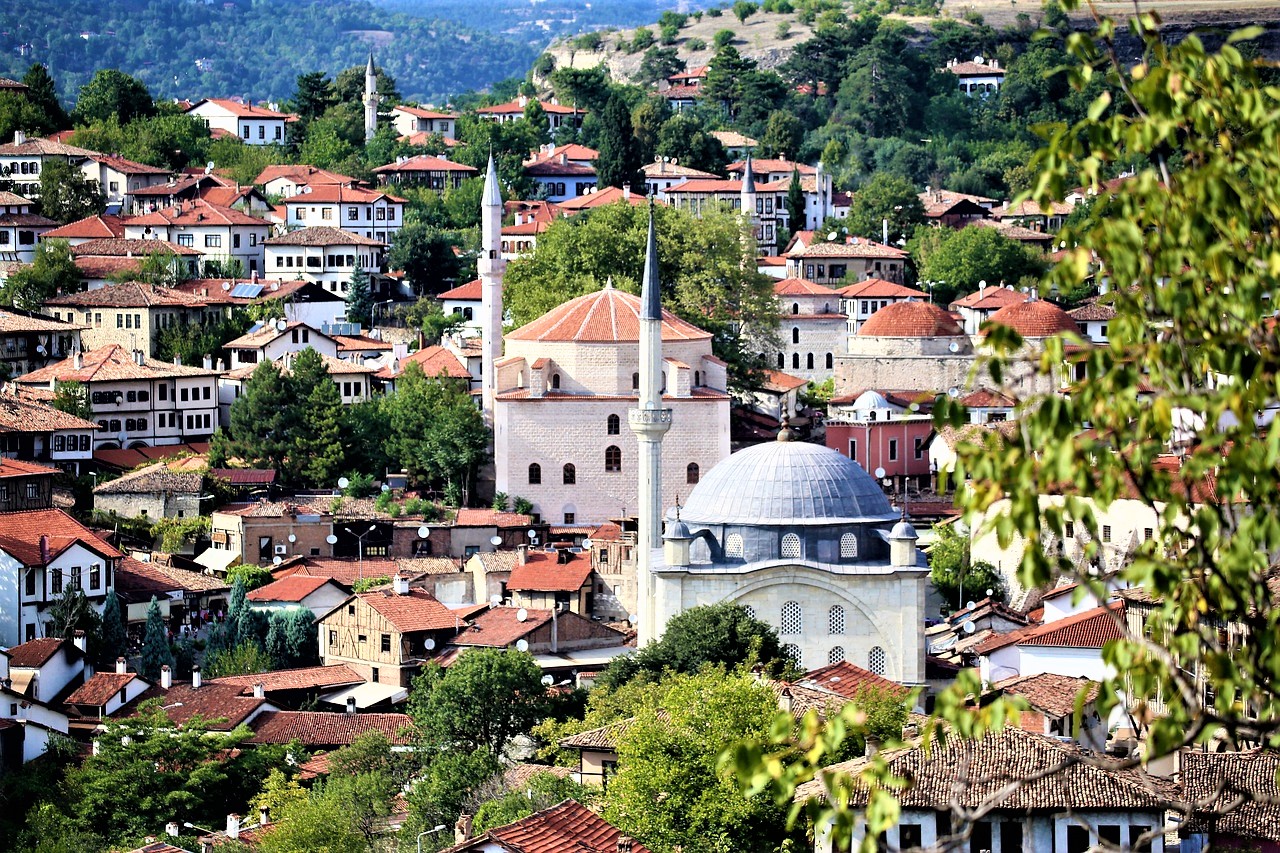
The most striking feature of Safranbolu is its ensemble of traditional Ottoman houses—wood-framed, finely crafted structures designed with both aesthetics and practicality in mind. More than a thousand of these buildings have been registered for preservation, forming one of the most complete collections of Ottoman civil architecture in Turkey. These homes, typically constructed with stone bases and upper floors of timber framing, feature:
- Spacious courtyards
- Ornate wooden interiors
- Functional layouts reflecting family life
- Earthquake-resistant construction methods
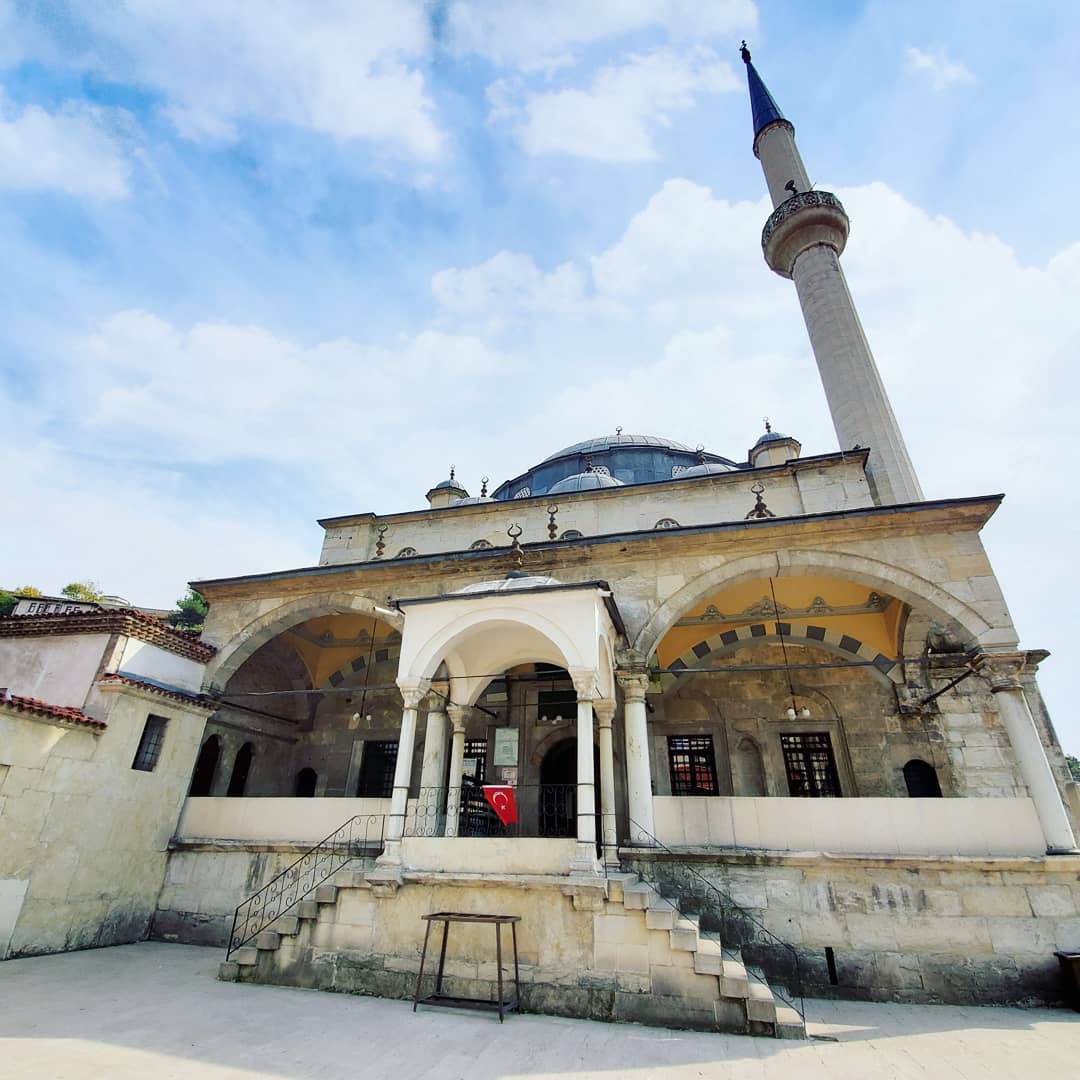
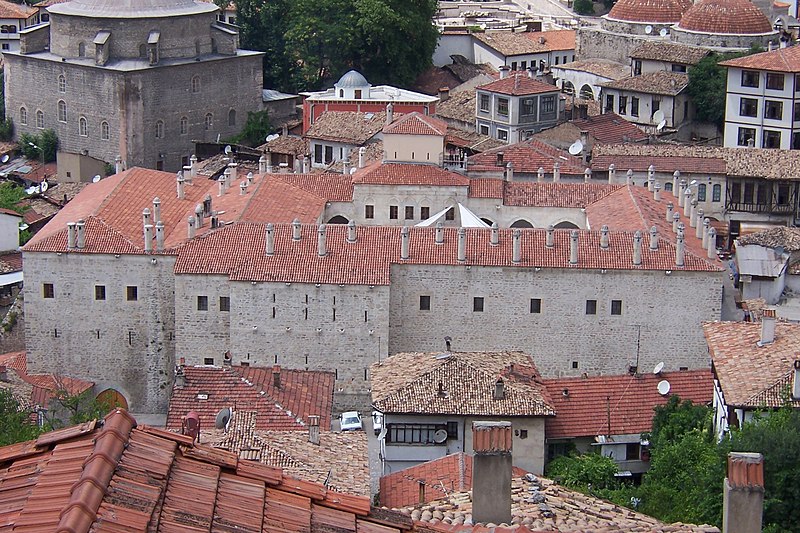
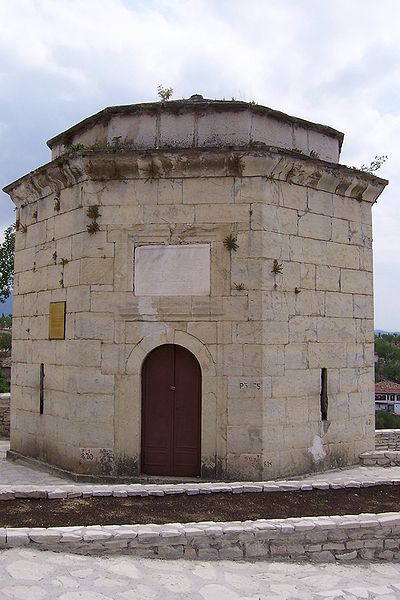
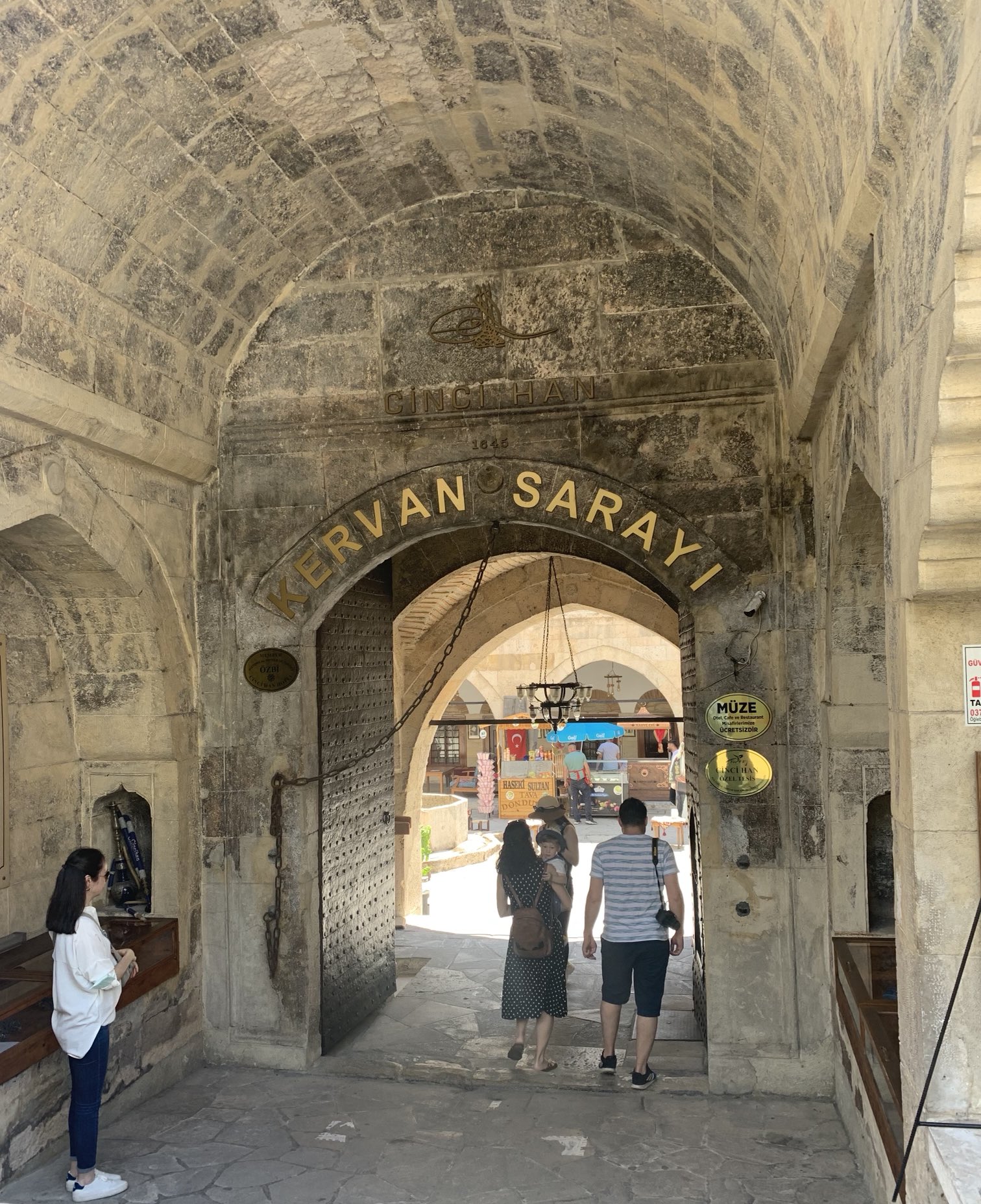
Alongside residential houses, the town hosts caravanserais, mosques, Turkish baths, clock towers, fountains, and market streets. Cinci Han, a notable 17th-century inn, stands as a testament to Safranbolu's prominence along the historic trade routes between Istanbul and the Black Sea coast.
A Town with Three Distinct Historical Zones
Safranbolu’s urban landscape is divided into three main districts, each representing a different facet of its social and architectural heritage:
Çarşı (The Old Bazaar District)
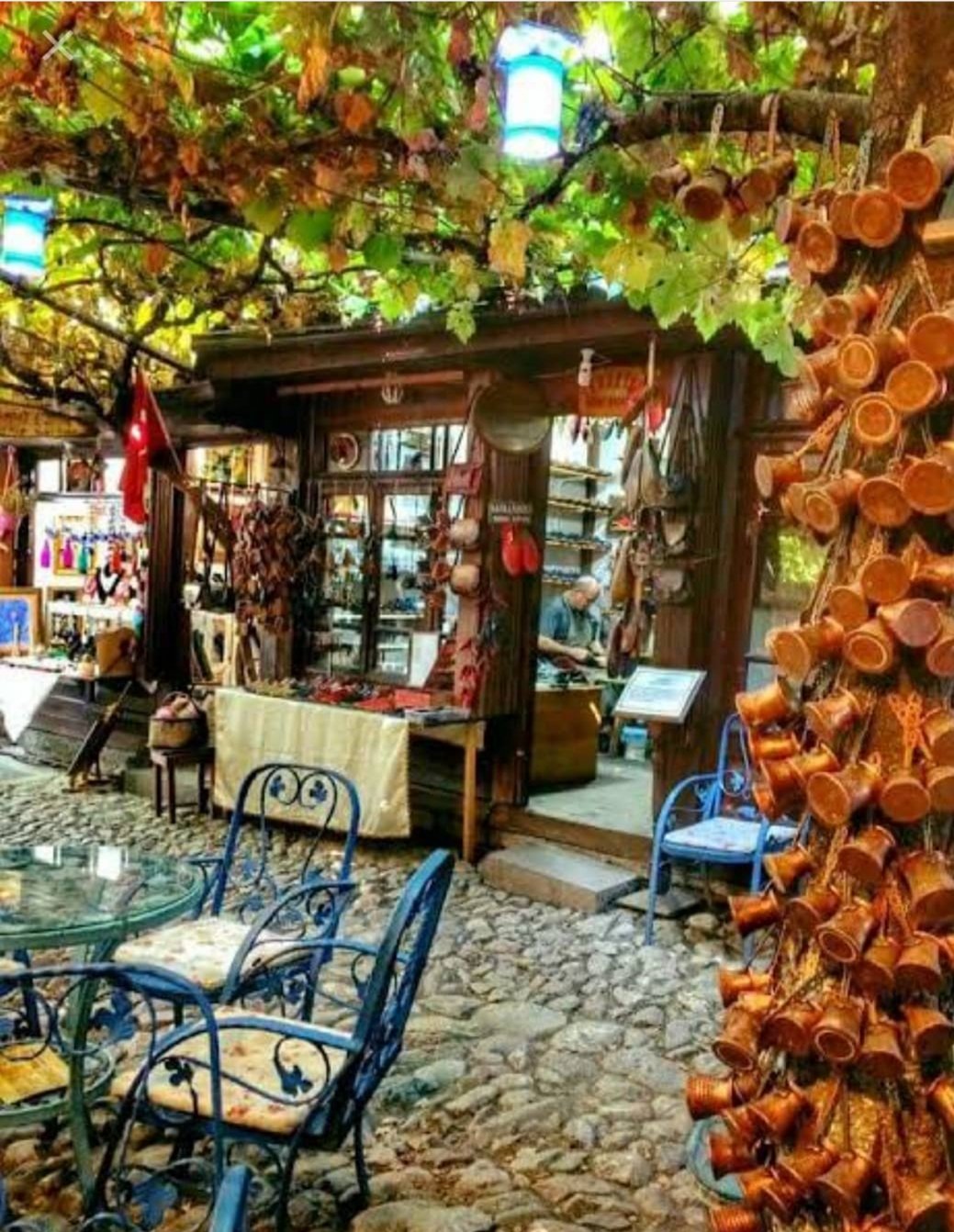
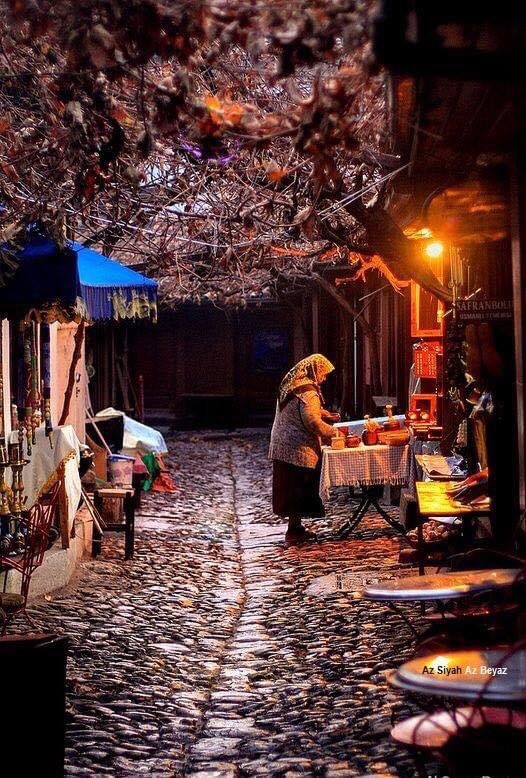
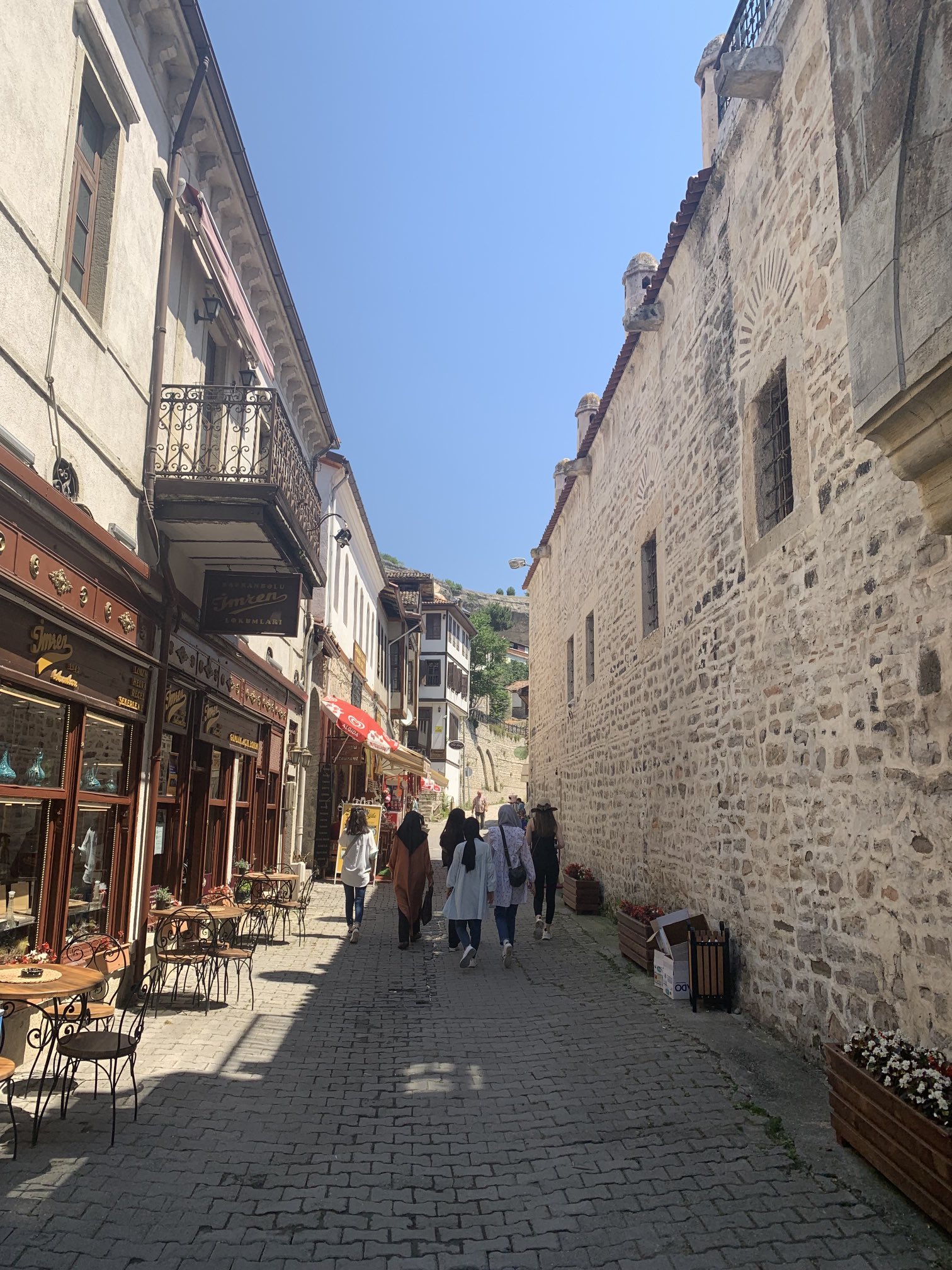
The historic core of Safranbolu, where cobblestone streets weave through dense clusters of traditional houses, shops, mosques, and craftsman workshops. This area remains the heart of tourism and cultural activity.
Kıranköy
A former neighborhood historically inhabited by Greek Orthodox communities. The architectural style here differs subtly from Ottoman houses, reflecting the town’s once-diverse demographic structure.
Bağlar (The Summer District)
Located at higher elevation, this district traditionally served as a summer retreat for affluent families. Its cooler climate, orchards, and larger estates distinguish it from the denser old town.
Nature: A Complement to Its Architectural Beauty
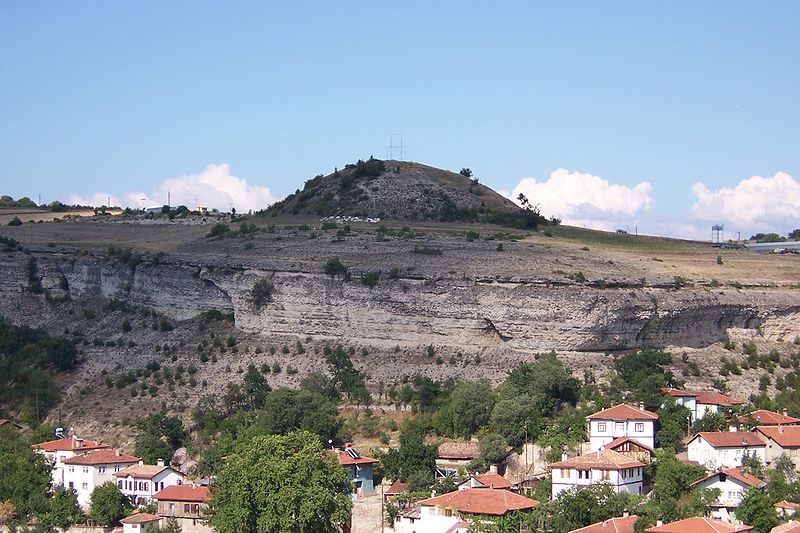
Safranbolu is equally admired for its surrounding natural landscapes. Deep canyons, forested hills, and extensive cave systems enrich the region’s ecological character. Among the key attractions:
Tokatlı Canyon, with elevated walkways, offers panoramic views and dramatic geological formations.
Bulak Mencilis Cave, stretching nearly three kilometers, showcases impressive stalactites and stalagmites and ranks among the longest caves in Turkey.
High plateaus such as Uluyayla and Sarıçiçek provide pristine settings for hiking, picnics, and outdoor recreation, making Safranbolu a destination where nature and culture coexist seamlessly.
Cultural Heritage and Local Traditions
Safranbolu’s cultural life extends beyond its architecture. The town is known for its long-standing craftsmanship traditions, particularly copperwork, leather processing, and woodworking. Modern museums, including a coffee museum and a chocolate museum, add contemporary layers to its rich cultural spectrum. Annual events, most notably the Golden Saffron Documentary Film Festival, celebrate artistic expression and reinforce Safranbolu’s commitment to cultural preservation.
Tourism and Preservation in the Modern Era
Safranbolu’s recognition as a UNESCO World Heritage Site in 1994 dramatically increased its visibility on the international stage. As tourism became its primary economic driver, many historic homes were restored and converted into boutique hotels, cafés, and cultural venues. Despite modern pressures, the town has managed to maintain strict preservation standards. Its membership in the Organization of World Heritage Cities underscores ongoing efforts to protect its architectural and cultural integrity.
A Living Heritage That Continues to Inspire
Visiting Safranbolu is more than a journey through history—it is an immersion into a space where past and present merge elegantly. The town remains one of Turkey’s finest examples of urban heritage conservation, offering authentic insight into Ottoman domestic life, trade culture, and regional traditions. Its streets, framed by centuries-old houses and natural landscapes, continue to inspire travelers, historians, and architects alike.
Safranbolu stands as a proud embodiment of Turkey’s cultural richness, demonstrating that heritage can be preserved not merely as monuments of the past but as vibrant elements of present-day life.