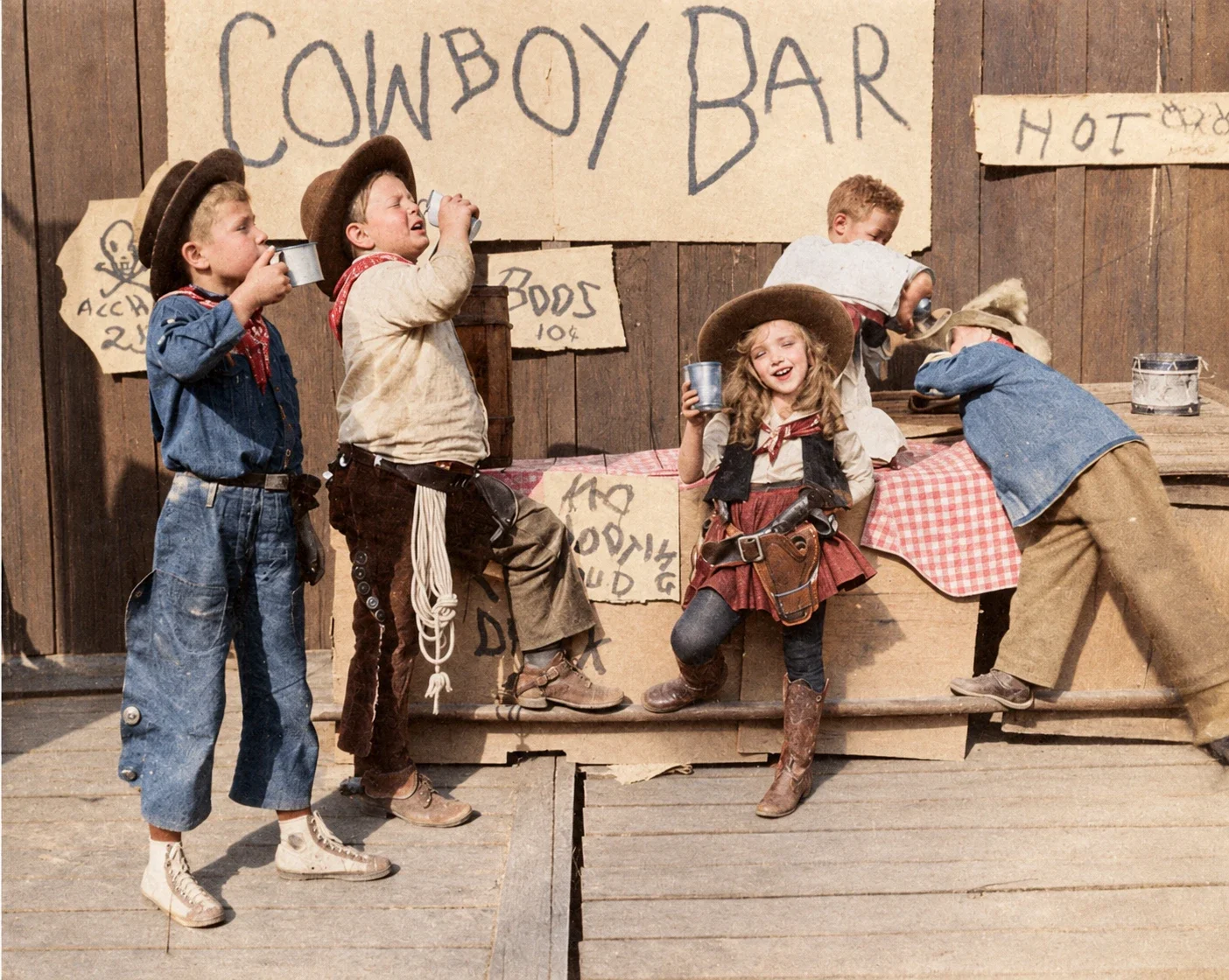
Before Mickey Mouse became Disney's best-known face, a four-year-old girl appeared on screen among drawn animals. Her name was Virginia Davis. She was a child actress from Kansas City, Missouri, and she played Alice, a live-action character who could enter an animated world. When Walt Disney secured the agreement that launched his new Hollywood studio on October 16, 1923, he also needed her parents to agree to bring her to California. A contract opened a business opportunity. A letter to a mother helped make it possible to turn that agreement into films. She was Disney's first child star, decades before later Disney talents such as Britney Spears and Selena Gomez became familiar to audiences.
Who was Virginia, and who was Alice?
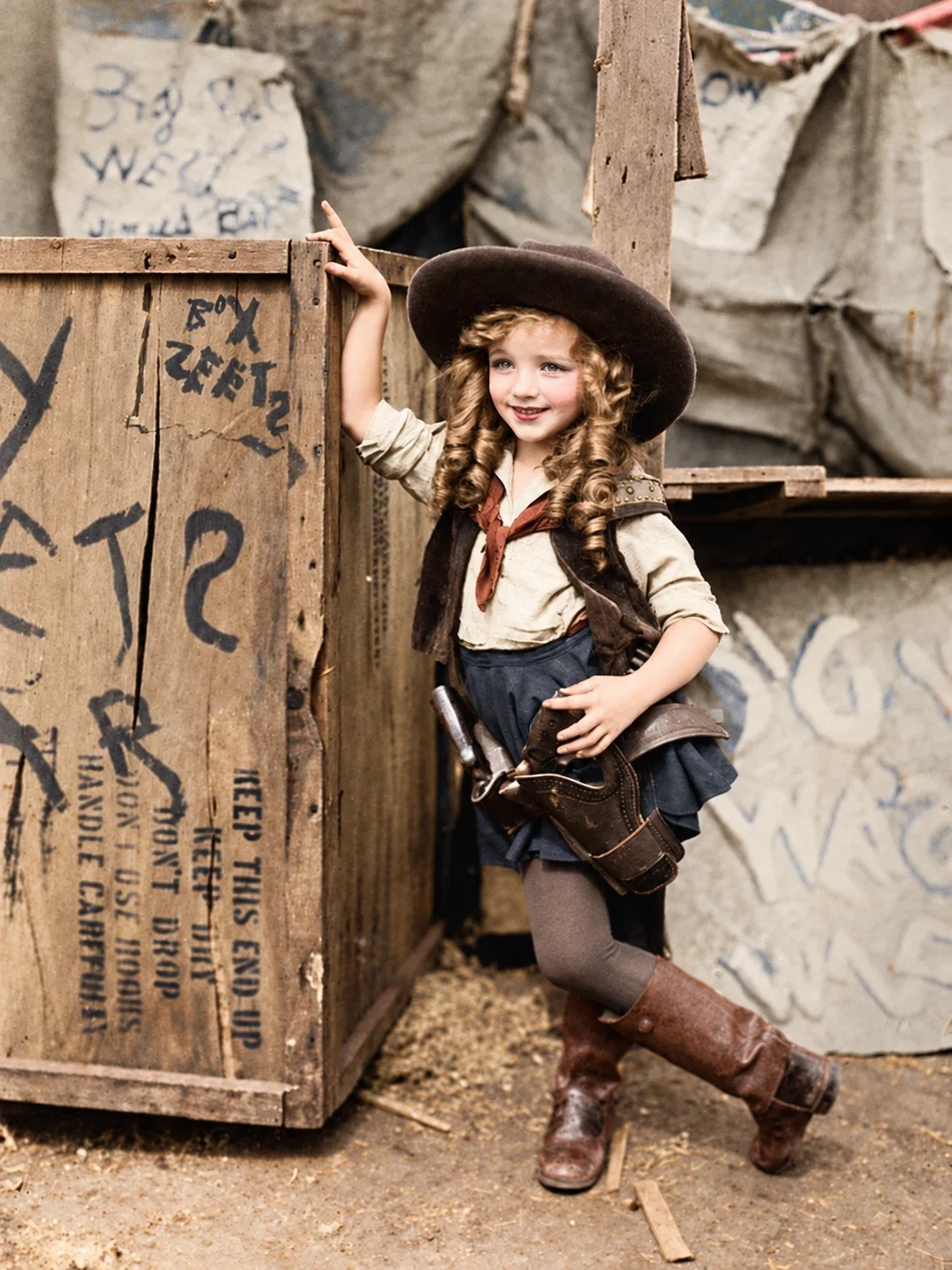
Virginia and Alice were not the same person. Virginia was the young performer; Alice was the role she played. Born on December 31, 1918, Virginia had taken dance and drama lessons from an early age. Disney's biographical account says Walt noticed her in a local bread advertisement shown in a theater. When he needed a child for an experimental film, he remembered her. The result was Alice's Wonderland, made in Kansas City in 1923.
The film gives that unusual combination a simple story. Alice visits an animation studio, where the work of making cartoons becomes part of the entertainment. Later she dreams of entering Cartoonland, a world inhabited by drawn animals. She dances for them and is chased by lions that escape from a zoo. Virginia herself is visible on screen: the girl is filmed, while the creatures and surroundings are animated. She is an actress inside the picture, rather than a voice supplied for a drawn heroine.
For viewers familiar with Disney's Alice in Wonderland, it is useful to separate the two productions. The fully animated feature based on Lewis Carroll's story arrived in 1951, with Kathryn Beaumont providing Alice's voice. Virginia's film came almost three decades earlier. Alice's Wonderland was a short demonstration of a format that could support more adventures, not an early release of the 1951 feature.
A film survived a failed studio
That demonstration was made at Laugh-O-gram, Walt's Kansas City company, before the business collapsed in 1923. The venture failed, but the film offered a way to show a distributor what a new series might look like. A pilot, in this context, was a sample used to seek an agreement for further films. According to the Walt Disney Family Museum, Walt took it to California as a calling card; it was not commercially released as the new studio's first installment.
This is where Margaret Winkler enters the story. She was a New York distributor of cartoons: the person whose business would get the proposed films into circulation. Making an appealing sample and finding someone willing to distribute a continuing series were different tasks. Winkler's interest connected the experiment in Kansas City with a possible production business in Hollywood.
The agreement of October 16
The Walt Disney Archives dates the founding contract to October 16, 1923, and places its signing at the Hollywood home of Walt's uncle Robert. It is a short document, roughly four pages, for the Alice Comedies. The company's official founding date comes from that agreement. Its centenary was celebrated in 2023; on October 16, 2026, the anniversary is the 103rd. Looking back at the beginning of Disney's first century means returning to this modest arrangement, before the later characters and attractions.
Walt's older brother Roy became his partner in the Disney Brothers Cartoon Studio. The company's history describes them as equal partners. Their operation initially occupied the back half of a real-estate office on Kingswell Avenue. The first-year contract called for one short a month, the archives explain. An idea now had a delivery schedule: films had to be made regularly, rather than simply promised.
Roy helped turn that commitment into a working studio. The family museum documents his early work as a cameraman and bookkeeper, as well as his later concentration on financial management. The brothers' partnership involved the daily labor of production and keeping the business running. Remembering Roy only as a name beside Walt's leaves out work the fledgling operation needed.
Why a letter to Virginia's mother mattered
Winkler wanted the actress she had seen in the pilot to return. The Walt Disney Family Museum explains that she specified Virginia's continued participation while negotiating the agreement. The girl was therefore more than an incidental performer in a discarded experiment: her screen presence was part of the series the distributor wanted to buy. She was still in Kansas City when the Hollywood venture began.
On October 16, Walt wrote to Virginia's mother, asking her to let her daughter star in the series. The museum preserves that letter and describes how Walt praised the girl's talent and Winkler's ability to promote the films. The date ties the two documents together. One records a distribution agreement; the other addresses a practical condition for fulfilling it. Virginia's parents agreed to move the family to California.
From a sample to films in theaters
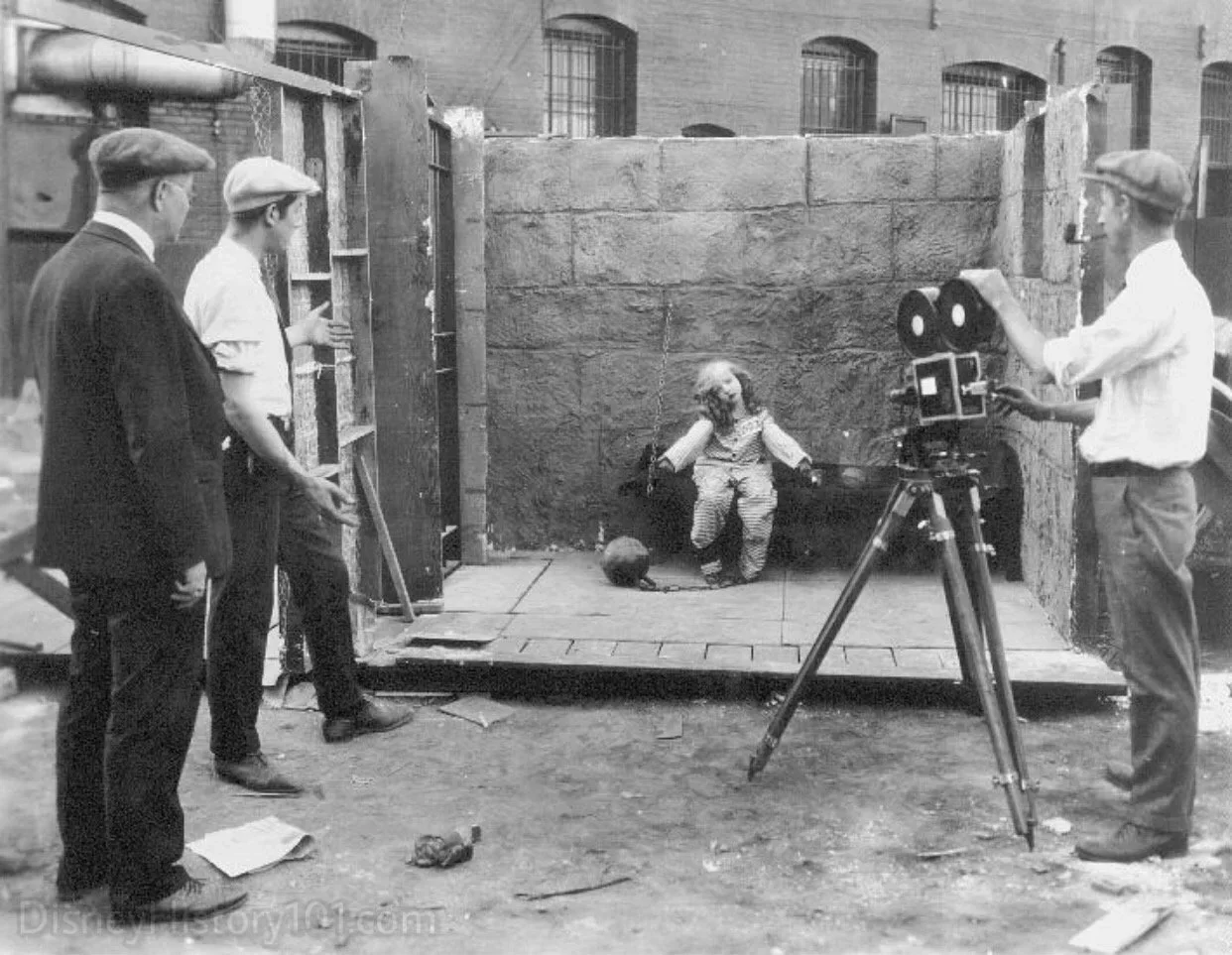
The new series reached theaters with Alice's Day at Sea on March 1, 1924. There is an important distinction between that release and the earlier pilot: Alice's Wonderland had demonstrated the idea; Alice's Day at Sea began the commercial series. D23's historical account lists 56 Alice Comedies made between 1924 and 1927. Virginia was the first Alice, followed by other young actresses, including Margie Gay, Dawn O'Day and Lois Hardwick. She did not play the character throughout the entire run.
The first Hollywood film also shows how small the operation was. In the family museum's reconstruction, Walt wrote, designed and animated Alice's Day at Sea, Roy operated the camera, and Kathleen Dollard and Ann B. Loomis worked on inking and painting. Behind the effect of a girl entering a drawn world were several kinds of work. Virginia's performance was the human part of an image built through both filming and animation.
The road from Alice to Mickey
These beginnings did not follow a straight path to a guaranteed success. The studio later turned from Alice to the fully animated Oswald the Lucky Rabbit series in 1927. Walt subsequently lost control of that character, whose rights belonged to the distributor. The company's history places the development of Mickey after that setback, with animator Ub Iwerks playing a central role. Steamboat Willie opened in New York on November 18, 1928, five years after the founding agreement.
Virginia's own life extended beyond Alice. She continued performing and later worked in interior design and real estate. Disney honored her as a Disney Legend in 1998. Her place in the studio's history rests on something specific: she helped demonstrate that a filmed child could carry adventures inside a cartoon world, and she returned to play that role when the idea became a business.
More than a century later, the contract and the letter make the beginning understandable on a human scale. Walt brought a film and an ambition; Roy joined in building the operation; Winkler offered distribution; Virginia and her family made the move that brought its first heroine to Hollywood. Before audiences knew the mouse, there was a little girl playing Alice—and a studio learning how to deliver her next adventure.
Sources: Walt Disney Archives: founding contract; Walt Disney Family Museum: letter to Virginia's mother; D23: Virginia Davis biography; D23: Alice's Wonderland; D23: Alice Comedies; D23: the series' first theatrical release; Walt Disney Family Museum: the first Hollywood production; Walt Disney Family Museum: Roy's work; D23: first-year production schedule; D23: the 1951 Alice in Wonderland; D23: company history.