On April 19, 1912, four days after the Titanic sank, a U.S. Senate subcommittee began taking testimony in a hotel ballroom in New York. Senator William Alden Smith questioned survivors, officers and other witnesses about ice warnings, lifeboats, radio messages and the conduct of ships nearby. The inquiry would hear 82 witnesses and produce more than 1,100 pages of transcripts. It was one of two national investigations that tried to turn a maritime catastrophe into rules ships could follow.
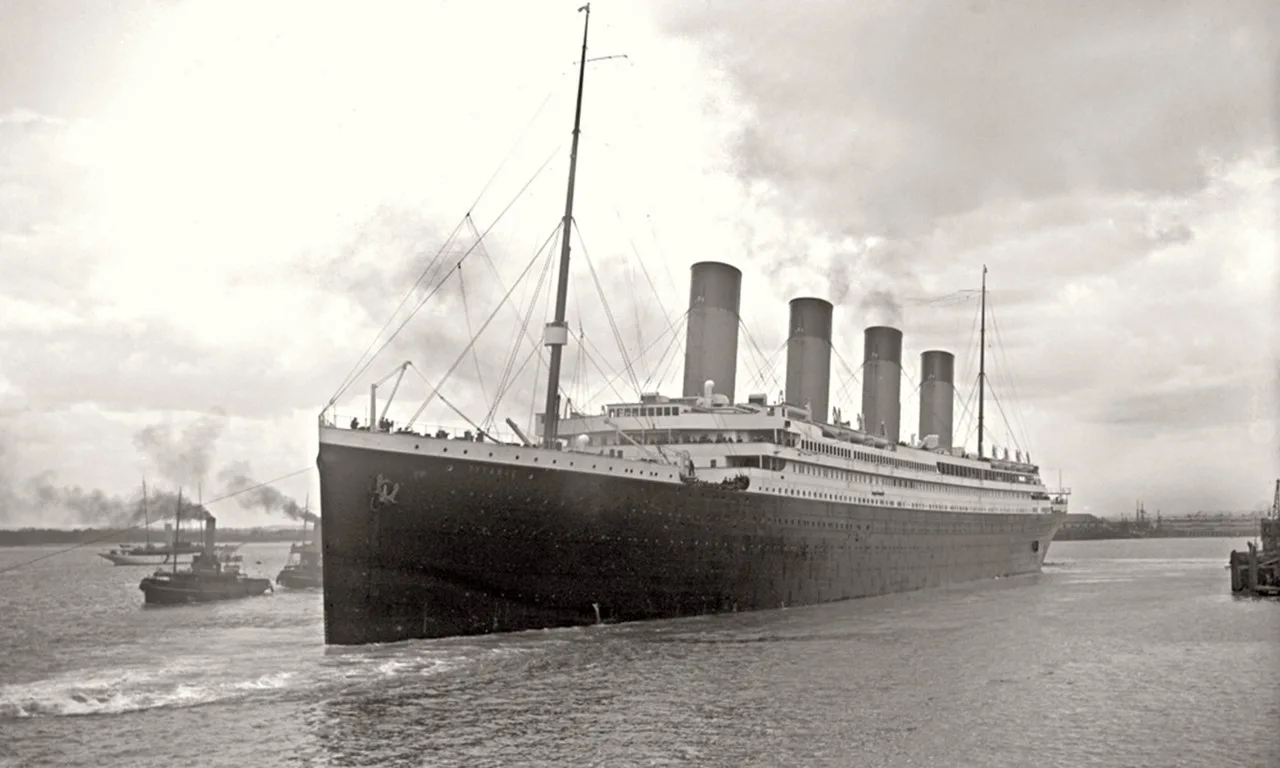
The Titanic’s loss is often told as a story of one iceberg and one supposedly unsinkable ship. The official records are less tidy. They examine the decisions made before and after the collision, the gap between lifeboat capacity and the people aboard, and the failure of radio procedures to ensure that distress calls reached a ship able to help.
What the Senate wanted to know
The Senate inquiry was convened by resolution to investigate the causes of the wreck of the White Star liner. Its hearing began in New York and later moved to Washington. The Senate records list testimony on ice warnings, the ship’s speed, the number of lifeboats, the response of nearby vessels and the treatment of passengers from different classes. Smith also travelled to the Titanic’s sister ship Olympic to question members of its crew.
The questions were not purely technical. Survivors described an evacuation in which orders, access to boats and information were uneven. The ship carried lifeboats for far fewer people than were aboard. The official Senate report and the British inquiry examined whether the regulations of the time reflected the scale and speed of modern passenger ships. They also looked at the radio operators’ work and why the nearby Californian failed to respond in time.
The two inquiries had different settings and methods. The American investigation began quickly, while memories were fresh and survivors were still in New York. The British Board of Trade inquiry followed under a formal wreck commissioner, hearing evidence in London. Neither transcript is a complete, neutral camera view. Witnesses recalled events under questioning; investigators sorted conflicting accounts and legal responsibilities. Read together, however, the records show how investigators moved from the immediate collision to the larger system around it.
Lifeboats, warnings and radio
The lack of lifeboat places became one of the clearest failures. The problem was not simply that the ship carried too few boats by a modern standard. The rules had been based on outdated measures linked to a vessel’s tonnage rather than the number of people aboard. The 1912 inquiries pushed governments to reconsider that approach.
Radio communication was another fault line. Other ships sent the Titanic ice warnings, and its operators later sent distress messages, but the hearings probed which ships received them and whether a continuous watch was maintained. The Senate’s witness list and report addressed nearby ships’ responses as well as the messages themselves. A radio system could save lives only if operators were listening, messages were prioritized and ships understood what action was required.
Class and gender shaped the evacuation, but the records resist a simple formula. Accounts document who reached boats and how space was allocated; they do not support every later legend about each individual’s final choice. The hearings asked questions that could be answered with testimony and ship records, not speculation about private thoughts.
The Senate’s report drew a distinction between the number of boat places available and the way those boats were used. It found that some left with seats still empty. Adding enough places for everyone would address one defect. Getting people from their cabins to the boats, loading them and lowering them safely called for procedures that could be practiced before a ship left port.
From inquiry to international rules
The United Kingdom convened maritime nations to draft a treaty after the disaster. The International Maritime Organization’s history states that SOLAS 1914 was signed by 13 countries on January 20, 1914. Its provisions addressed lifeboat capacity, lifejackets, emergency lighting, radio watches, drills and an international ice patrol. In other words, the proposed response was broader than adding boats: it sought common standards for construction, equipment, navigation and communication.
That first convention did not take effect as planned. The First World War began in 1914, and the IMO says the convention did not enter into force in 1915, although some provisions were adopted by individual countries. A later SOLAS convention was agreed in 1929 and came into force in 1933. The first treaty could therefore be cited as a proposed standard in 1914. The date it was signed and the date international requirements actually came into force tell two different stories. The sequence matters: Titanic did not instantly produce a fully operating global safety regime. It helped trigger negotiations whose first treaty was interrupted by war and whose rules were revised later.
The international proposals addressed problems that could arise between vessels as well as aboard them. A passenger ship could improve its own evacuation procedures, but it could not by itself ensure that a nearby ship kept someone listening for help. Common radio rules and the ice patrol addressed dangers that no captain or company could manage alone.
The inquiries also demonstrate the limits of investigation. A transcript can establish what witnesses said and what officials asked; it cannot make every uncertainty disappear. The reports assign findings about the collision and safety practices, but the tragedy’s larger lesson lies in the mismatch between the risks ships carried and the rules designed to govern them.
More than a century later, safety at sea depends on systems that passengers rarely notice: lifeboat capacity, trained crews, reliable radio watches, common procedures and inspection. Those systems grew through repeated revisions, not one dramatic moment. The Senate hearing room and the British inquiry were attempts to convert the deadliest night of the voyage into evidence. Their work shows how public scrutiny can change maritime rules, but also how much time and international coordination it takes for a lesson to become protection.
Sources: U.S. Senate official transcript guide, U.S. Senate final report, International Maritime Organization history of SOLAS, British inquiry report and findings, British inquiry transcript