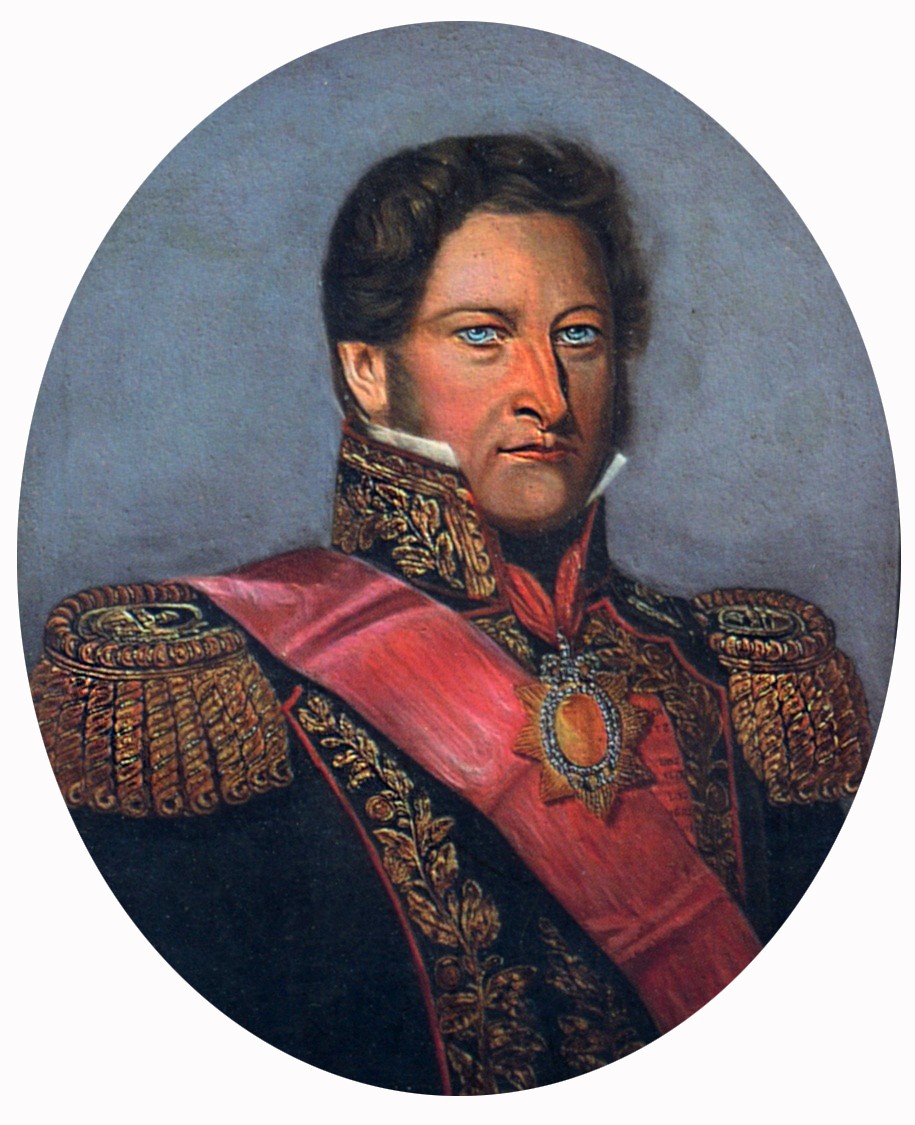
On 1 May 1851, the governor of Entre Ríos withdrew the authority his province had delegated to Juan Manuel de Rosas to conduct foreign relations. Justo José de Urquiza's pronouncement transformed a disagreement within the federal camp into an open challenge. Nine months later, on 3 February 1852, the army he led defeated Rosas at Caseros, near Buenos Aires.
The episode is sometimes imagined as Rosas fighting a separate country called the United Provinces. The historical picture is more complicated. The competing leaders claimed to organize the same political space. Their disagreement concerned who would exercise authority, how the provinces would relate to one another and who would control the resources needed to govern.
United Provinces and Confederation: understanding the names
The United Provinces of the Río de la Plata was a name used during the independence and state-building process. The Argentine Confederation was the name associated with the interprovincial order that developed through federal agreements. They were not two neatly bounded foreign states facing each other across a frontier.
The present Constitution's article 35 recognizes United Provinces, Argentine Republic and Argentine Confederation as historical official denominations. That continuity helps avoid a misleading description of the war. Rosas governed Buenos Aires and exercised powers delegated by other provinces; he was not a foreign ruler invading an already consolidated Argentine republic.
The conflict began before Rosas
Independence left unresolved the distribution of power within the new political community. Centralizing projects clashed with leaders defending provincial authority. In broad terms, unitarians favored a national central government, while federalists defended provincial autonomy. Those labels encompassed changing alliances, local interests and disagreements within each camp.
At Cepeda in 1820, the federal leaders of Santa Fe and Entre Ríos defeated the forces of the central Directory, which collapsed. Provincial governments subsequently negotiated agreements while repeatedly fighting over the form of a common order. The violence was a struggle over the construction of a state, not simply a quarrel between two individual commanders.
In Buenos Aires, the overthrow and execution of federal governor Manuel Dorrego by Juan Lavalle in December 1828 sharpened the confrontation. Rosas emerged as a major defender of the federal cause. He became governor in 1829, in a political world already shaped by armed mobilization and the breakdown of negotiated settlements.
Rosas built his power through allies and coercion
Rosas governed Buenos Aires from 1829 to 1832 and again from 1835 to 1852. His second administration received the sum of public power, an exceptional concentration of executive, legislative and judicial authority. He presented order as the answer to the threat of renewed civil war.
His support extended across landowners, merchants and popular groups in the city and countryside. Red federal insignia became an expression of allegiance. But consent coexisted with coercion: opponents faced persecution, and the Sociedad Popular Restauradora and the Mazorca formed part of the machinery of intimidation and repression described in the educational record of the period.
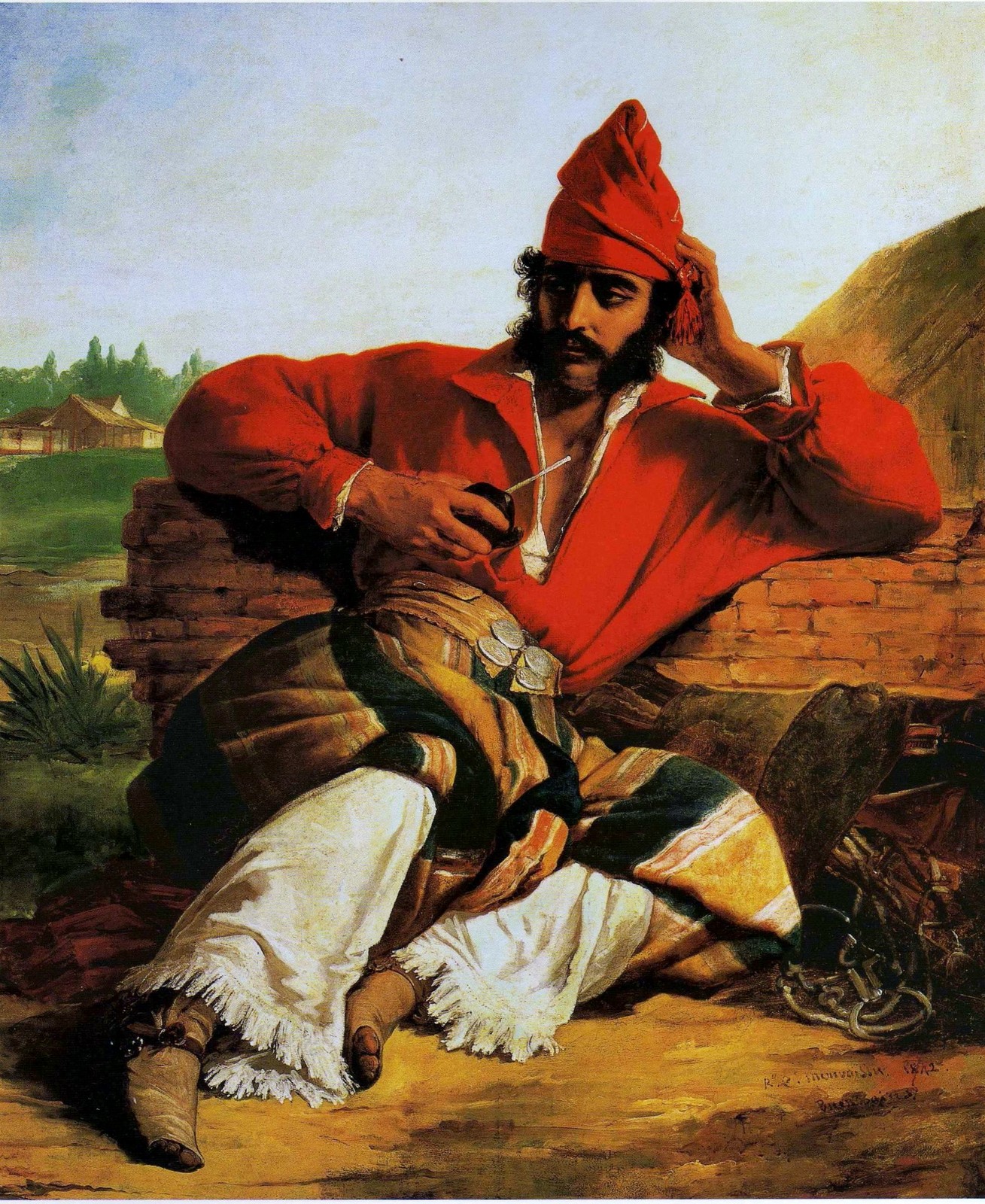
Calling Rosas federal does not mean he accepted every demand from other federal leaders. His power depended on provincial alliances, but Buenos Aires retained a privileged position. The distinction between federal affiliation and the actual distribution of resources becomes essential to understanding why his eventual challenger came from the same broad political camp.
The customs house was part of the battlefield
The Federal Pact of 4 January 1831, initially signed by Buenos Aires, Santa Fe and Entre Ríos, recognized the provinces' reciprocal rights and created an alliance. Its provisions also envisaged a federal congress to organize matters including trade, navigation, general revenues and public debt. The constitutional question therefore existed within the federal agreement itself.
The wealth and influence concentrated around the port and customs house of Buenos Aires made that question practical. According to the Museo Casa Rosada's account, opposition grew over Buenos Aires's control of customs and trade, together with the delayed constituent congress. For provinces seeking greater access to commerce, the institutional dispute affected the resources available to them.
A congress, river navigation and the distribution of revenue were interconnected issues. Writing a Constitution could alter the balance maintained through personal agreements with governors. This helps explain why a debate that sounds legal could mobilize armies: rules about money and authority would determine which provincial interests prevailed.
Urquiza broke the federal alliance from within
Urquiza governed Entre Ríos and had belonged to the federal political order. His 1851 pronouncement reclaimed the province's delegated powers over foreign relations and advocated national organization. It challenged Rosas's leadership without requiring a conversion to the unitarian program.
The opposition became a coalition. The Ejército Grande drew support from Entre Ríos and Corrientes, Uruguay and the Empire of Brazil. Its composition gave the campaign an international dimension alongside the internal provincial conflict. Describing Caseros only as unitarians defeating federalists would erase both Urquiza's position and the breadth of that alliance.
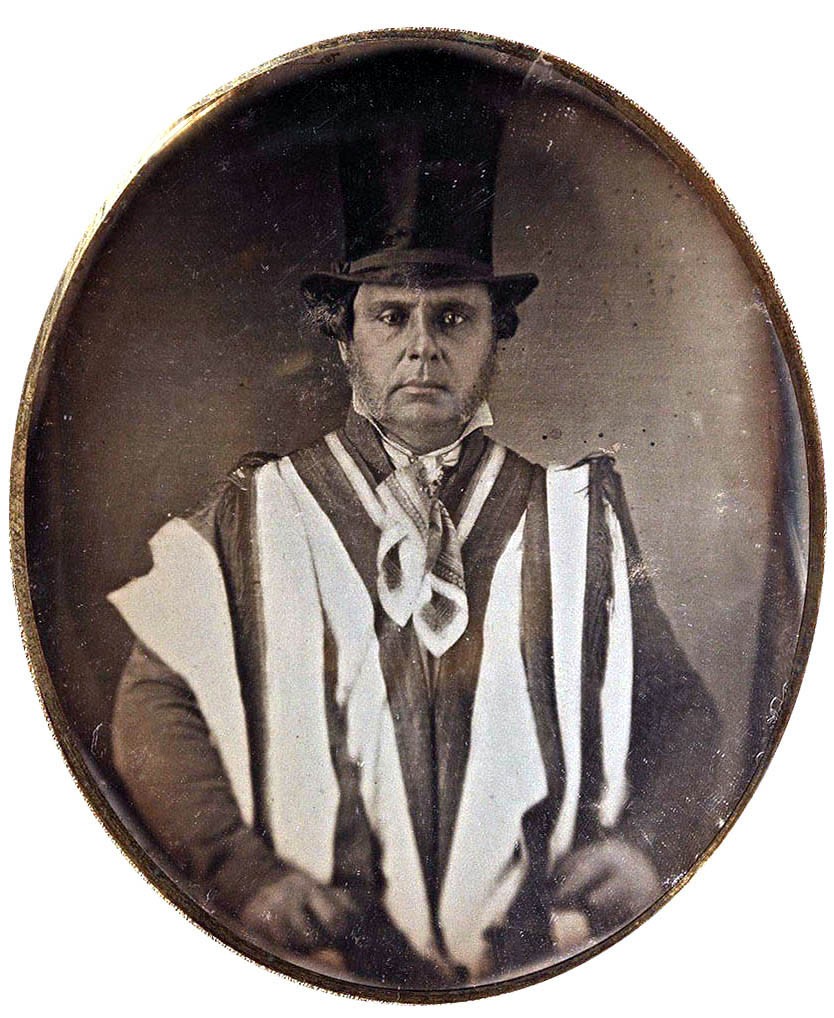
Caseros ended Rosas's government
On 3 February 1852, Urquiza's coalition defeated Rosas at Caseros. Rosas resigned and went into exile in England, where he died in 1877. The ruler who had dominated the confederal political order no longer controlled the government of Buenos Aires.
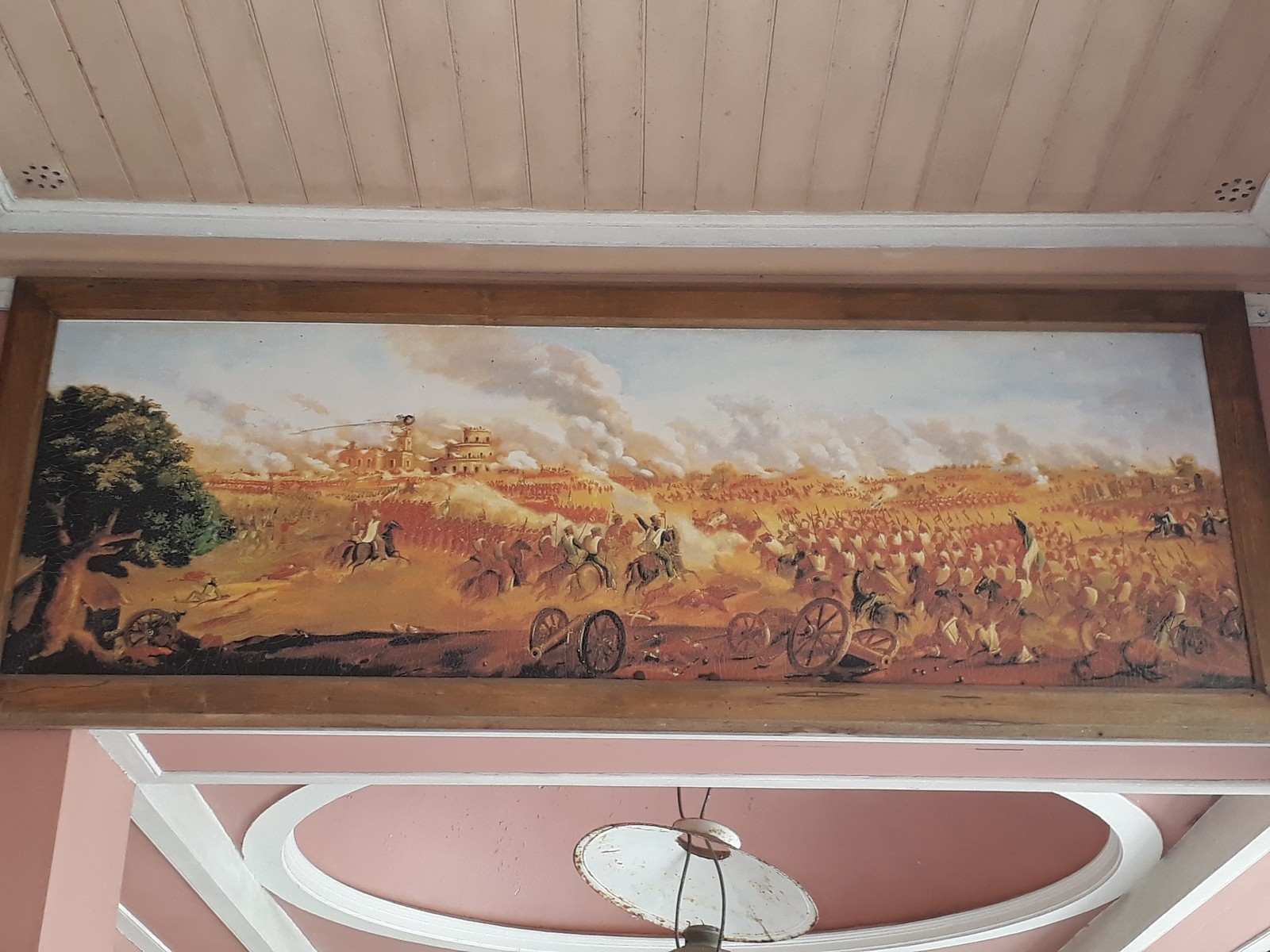
Image credit: Fernando de Gorocica / Wikimedia Commons. CC BY-SA 4.0; resized for the website, without cropping the original photograph.
The battle's decisive result was a change of political leadership. It did not settle every question that had produced the confrontation. Victory gave Urquiza an opportunity to convene the provinces, but agreement over a national government still required negotiation, institutions and acceptance beyond the battlefield.
A Constitution arrived before lasting agreement
The San Nicolás Agreement, signed on 31 May 1852, laid down the basis for a constituent congress in Santa Fe and designated Urquiza provisional director of the Confederation. Its text invoked the Federal Pact. The transition used an earlier commitment to support a new institutional arrangement.
Buenos Aires rejected the agreement and separated from the Confederation. In 1853, thirteen provinces adopted a Constitution without it. Urquiza became president of the Confederation in 1854. The dispute over Buenos Aires's place in the national order continued; the fighting at Pavón in 1861 and Bartolomé Mitre's presidency from 1862 marked another change in the balance of power.
Who won, and what remained unresolved?
The immediate winner at Caseros was Urquiza and his coalition. The lasting constitutional result was the establishment of a federal national framework. Yet Buenos Aires recovered a leading political position in the following decade. One victory cannot describe all the outcomes of a conflict whose alliances and institutions kept changing.
The consequences included Rosas's fall, a new constitutional order and continued civil confrontation. Persecution, exile and armed mobilization were part of the price paid during the process. Caseros matters because it opened a route from a confederation held together by governors and delegated powers toward a state organized through a Constitution. It did not make that route peaceful or immediate.
Sources: Educ.ar: sovereignty and the Rosas period, Federal Pact of 1831, Museo Casa Rosada: territorial organization, San Nicolás Agreement, Museo Casa Rosada: Urquiza’s presidency
Books and resources
- Federal Pact of 1831 — Buenos Aires · Santa Fe · Entre Ríos
Read the agreement discussed in the article. Free historical document in Spanish.
Free resource - Historia de la Argentina 1806-1852 — Marcela Ternavasio
The publisher’s listing for Marcela Ternavasio’s book on Argentina from 1806 to Rosas’s fall. Paid book in Spanish.
Paid resource